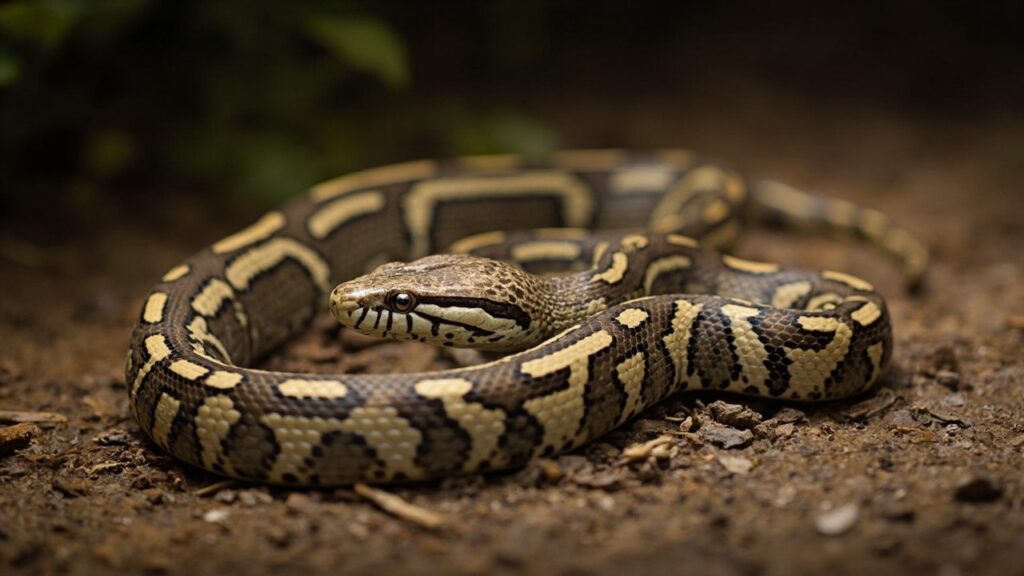
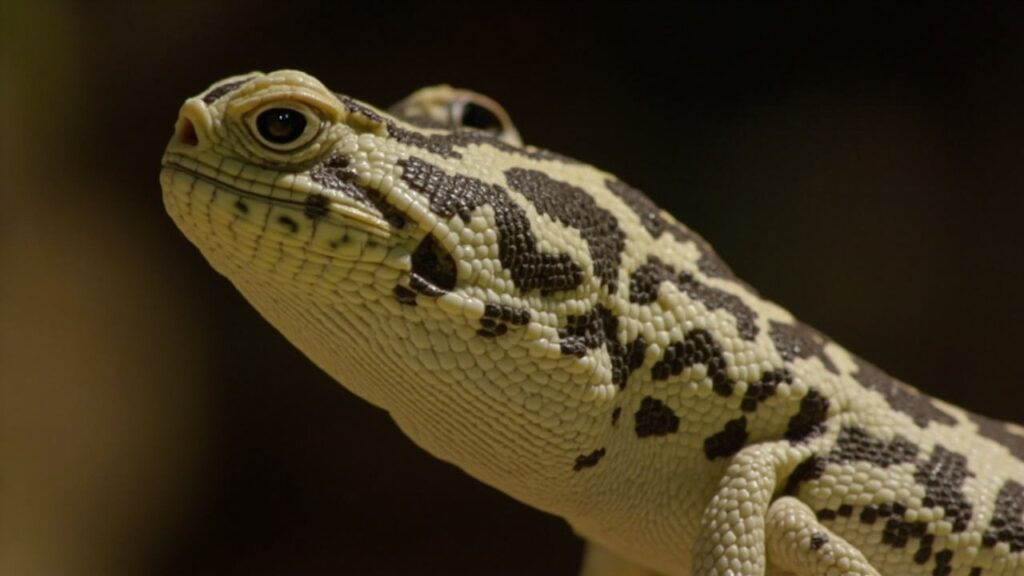
Snake size is not a reliable measure of danger. The medical significance of a bite depends on the species, venom composition and dose, bite circumstances, the person’s size and health, and how quickly effective treatment is available. A small snake can be medically important, while a very large snake may be non-venomous.
Different kinds of risk
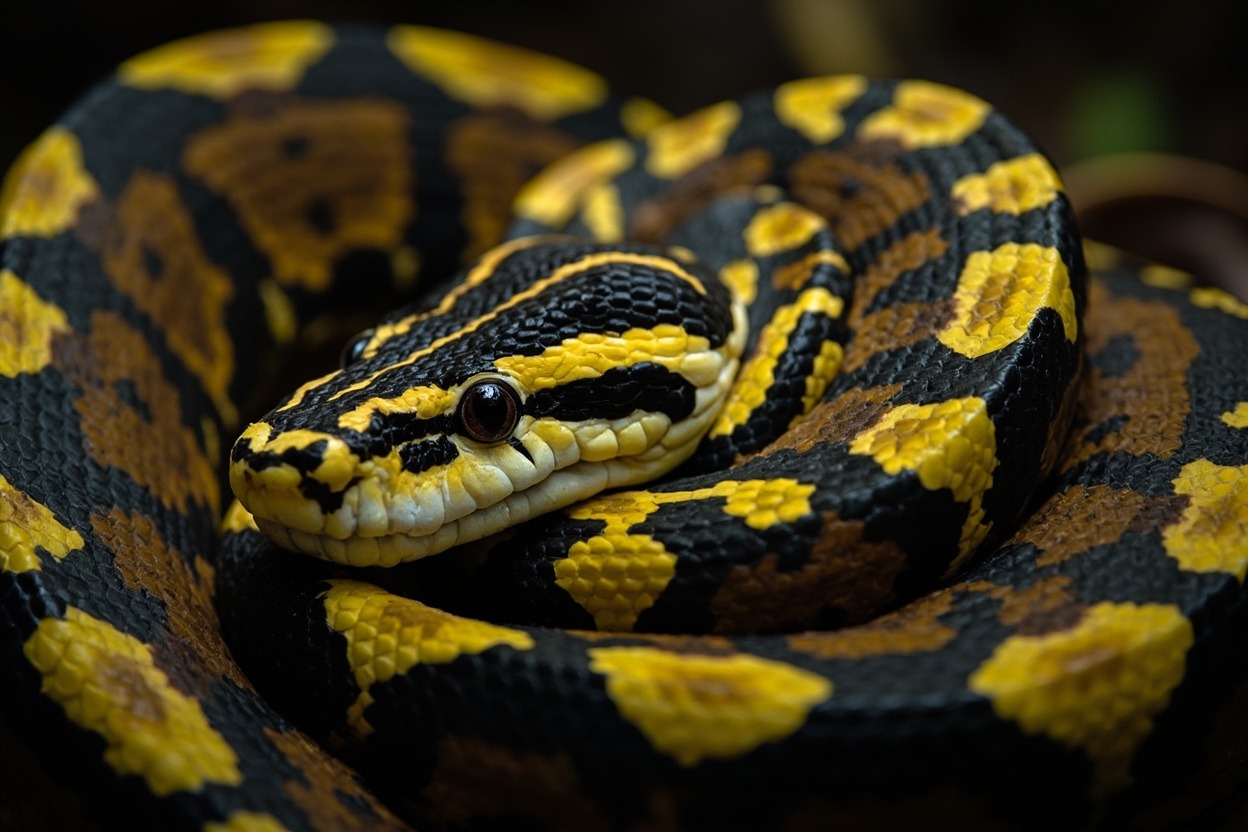
Large constrictors can cause serious physical injury through strength and handling risk. Small venomous species can deliver venom with severe effects. Neither category should be dismissed, and neither should be judged by a single feature such as length, head shape or colour.

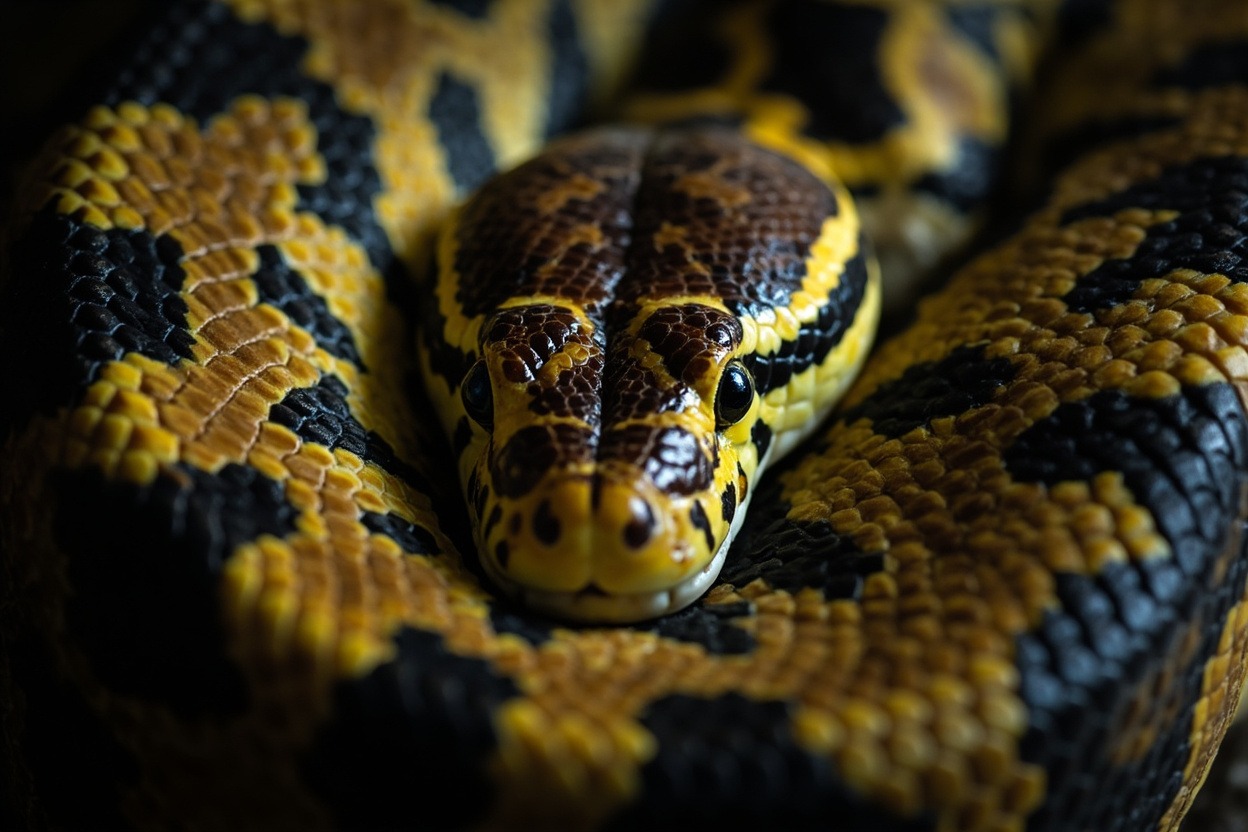
Juveniles are not harmless
Young snakes should not be treated as safer because they are smaller. They may be harder to see, may bite defensively and can belong to medically important species. The safe response to an unknown snake is the same at every size: do not handle it.
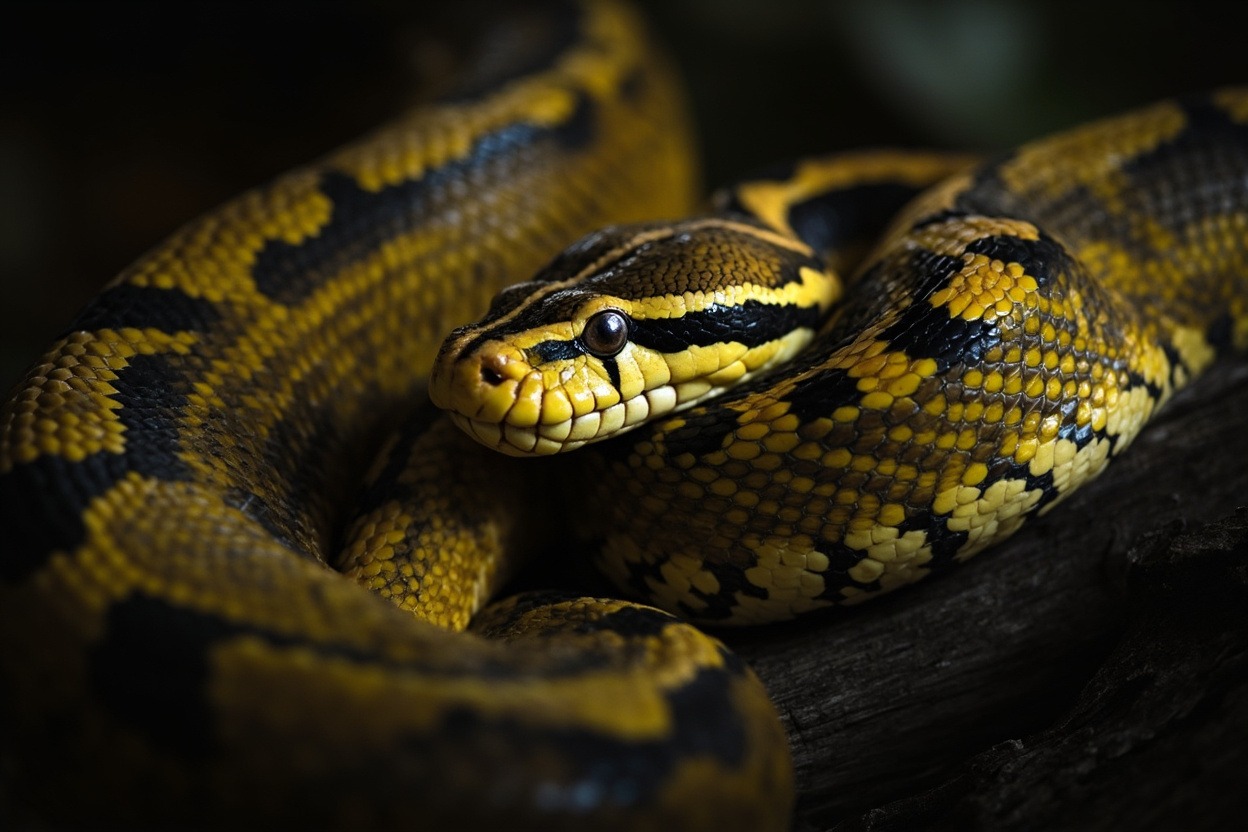
Keep invasive-species management in context
Research on toxicant baits for invasive brown tree snakes on Guam is a specific wildlife-management programme. It does not provide a general rule for snake safety, venom potency or antivenom treatment. Management tools must be discussed in their ecological and legal context.
What to do instead
Use local, species-specific guidance. Keep distance, supervise pets and children outdoors, and call a qualified local wildlife professional when relocation is needed. After a bite, seek emergency medical care rather than trying to estimate danger from the snake’s size.
Risk Is About the Situation
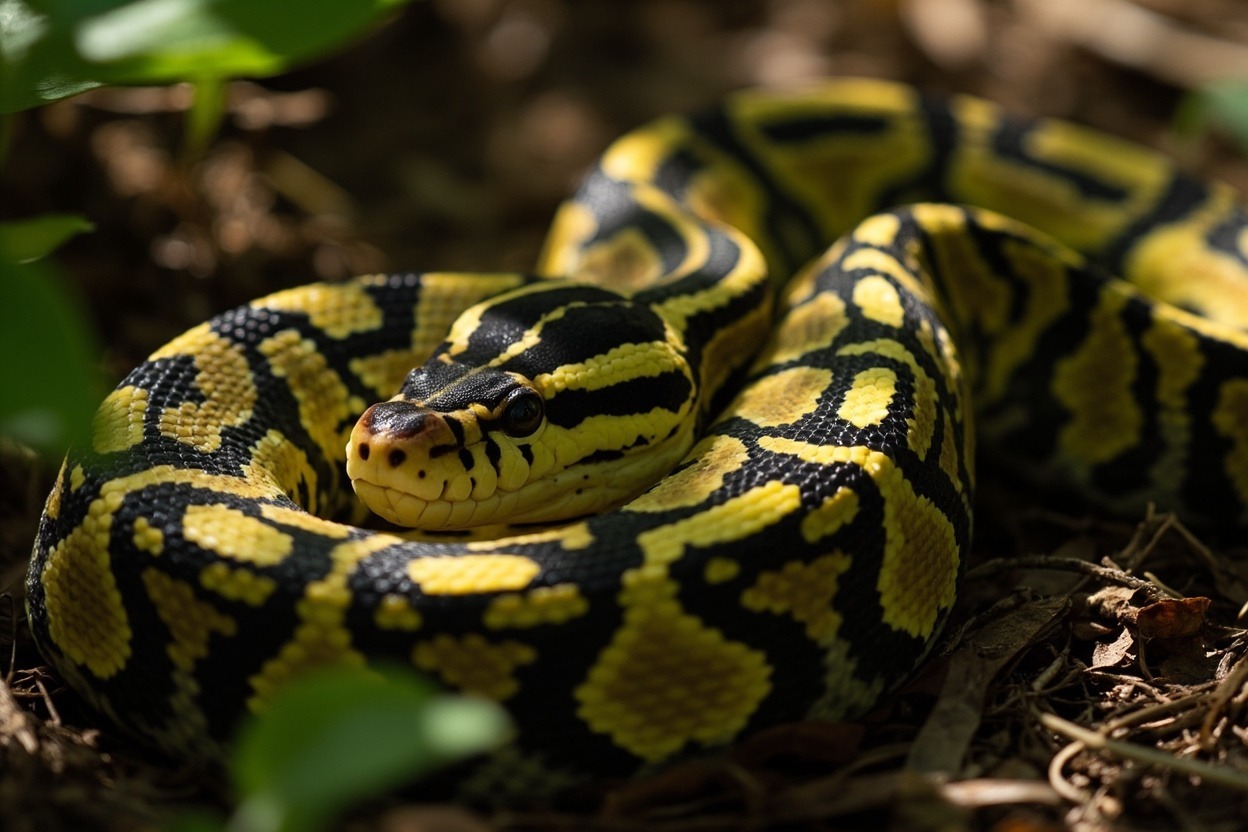
Size does not remove the need for distance, but the setting also matters. A snake on a trail, near a home or beside a road may require a different response from a snake moving through intact habitat. People should not try to decide the species by getting closer. Local wildlife professionals can assess a situation without treating a quick visual judgement as a safety test.
Do Not Turn a Bite Into an Identification Task
After a bite, moving away from the animal and seeking emergency medical care is more useful than attempting to catch, kill or transport the snake. A photograph from a safe distance may help local clinicians or authorities if they request it, but no one should create another bite risk to obtain one. Follow local emergency guidance because treatment and species differ by region.
Respect Does Not Require Fear
Explaining that large and small snakes can present different risks does not mean every encounter is an emergency. Most wild snakes avoid people when given space. Clear paths, secure food waste and calm observation can reduce conflict while allowing snakes to continue their ecological role.
Sources and review notes
Reviewed 23 August 2026. Reptile biology is wonderfully variable. We have avoided turning one species, photograph or dramatic observation into a rule for an entire group, and we have used cautious wording where evidence or local conditions differ.
Reference starting points: The Reptile Database, The IUCN Red List of Threatened Species, and PubMed-indexed research. Conservation status, taxonomy and local laws can change, so check the linked databases and the relevant local authority for current information.
Spotted something we should revisit? Send Reptile Explorer a correction—thoughtful reader feedback is always welcome.