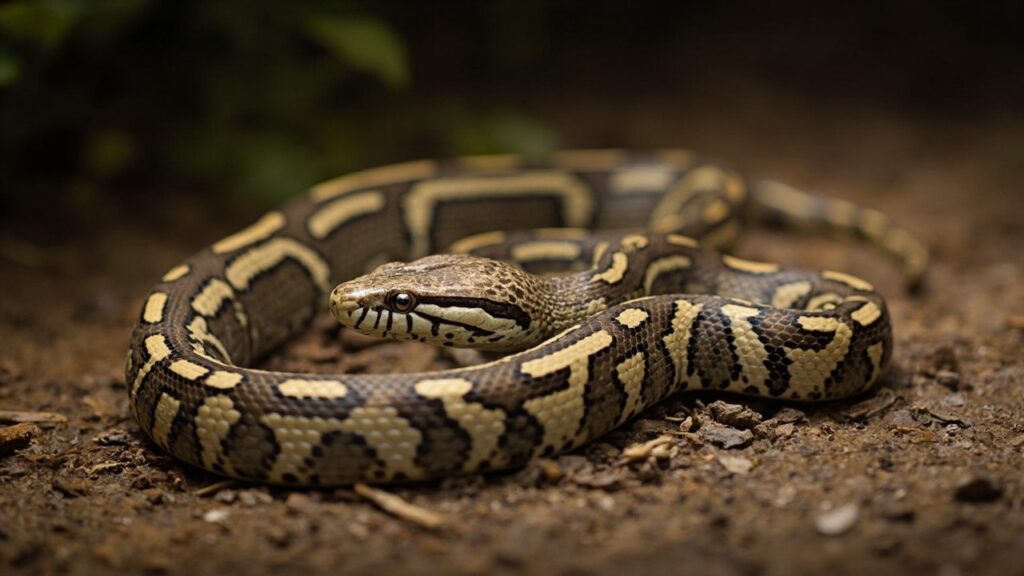
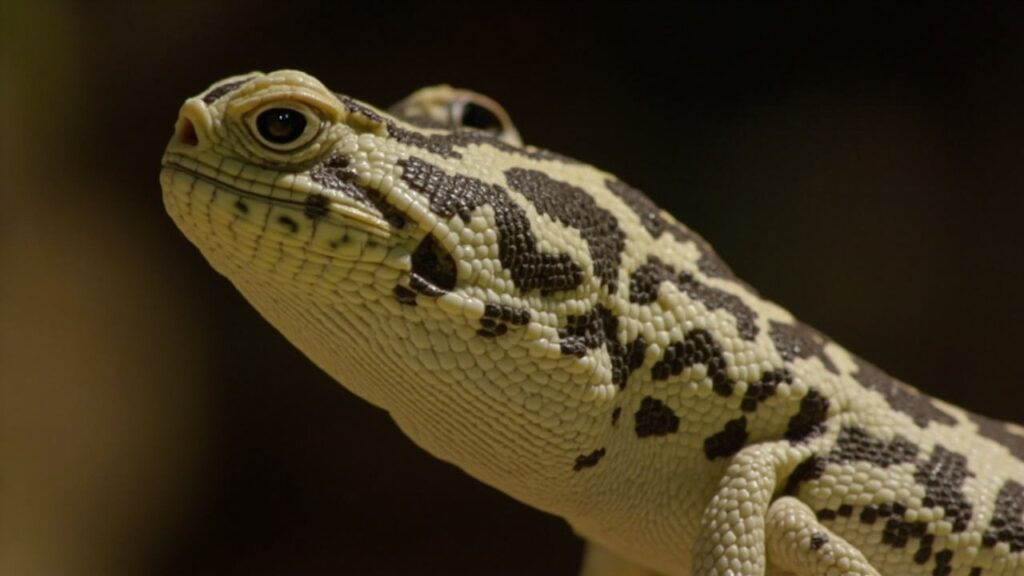
A Turtle Is Not a Lifespan Estimate
Turtles and tortoises are often described as exceptionally long-lived, but the expected lifespan varies greatly by species and by living conditions. Some can live for many decades, while others have much shorter lives. Reliable ages come from documented captive records or long-term field research. Shell size and scute rings are not dependable stand-alone methods for assigning an exact age.

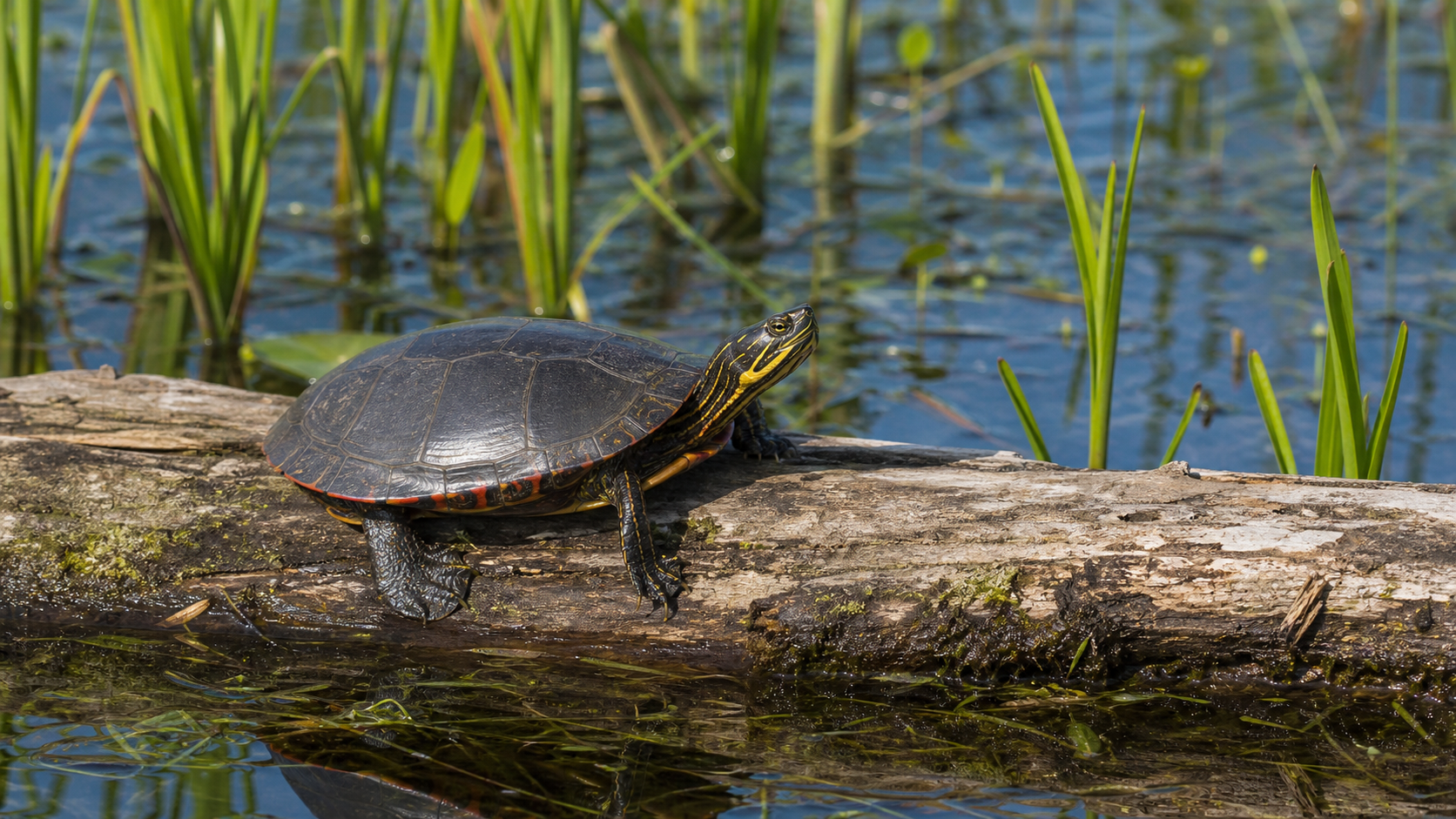
Long Life Still Has Limits
Turtles do not live forever and do not avoid illness simply because they age slowly. Wild survival is affected by habitat quality, predation, injury, disease and climate. Captive records may not mirror survival in the wild, and dramatic age claims need a clear history of the individual. Good evidence is more useful than repeating a number attached to an unnamed or poorly documented animal.
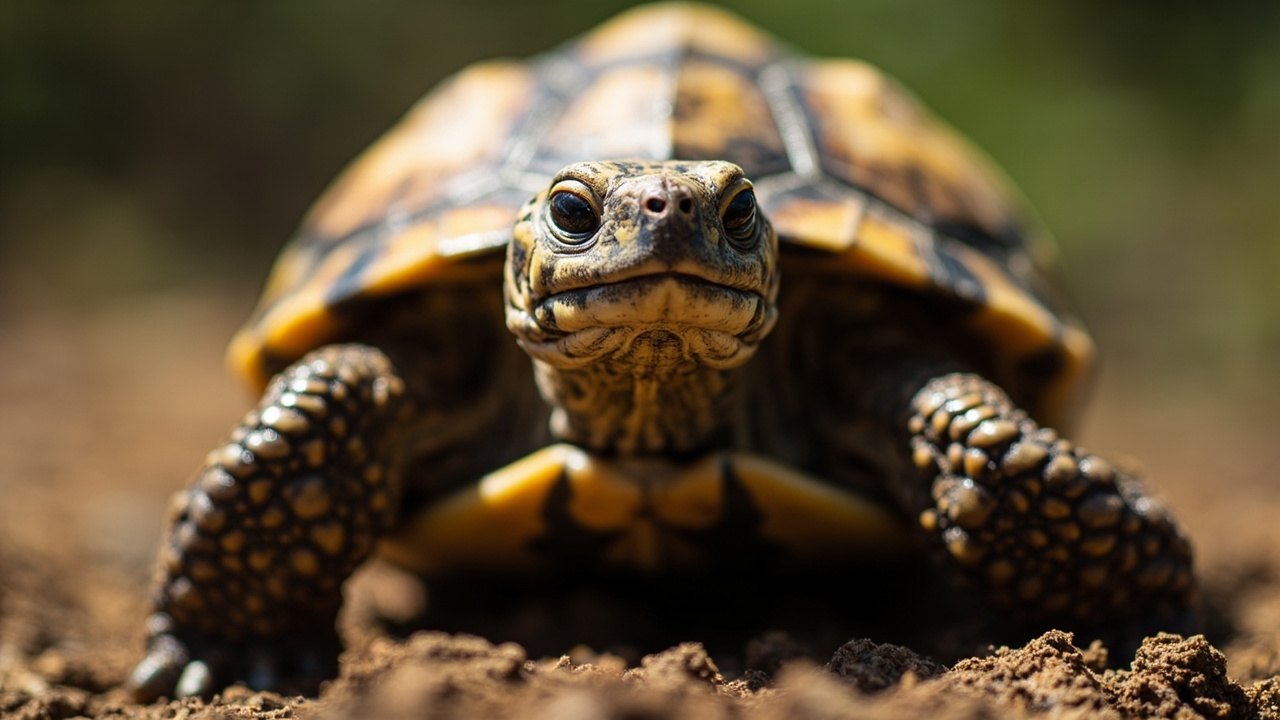
Responsible Care Is Species-Specific
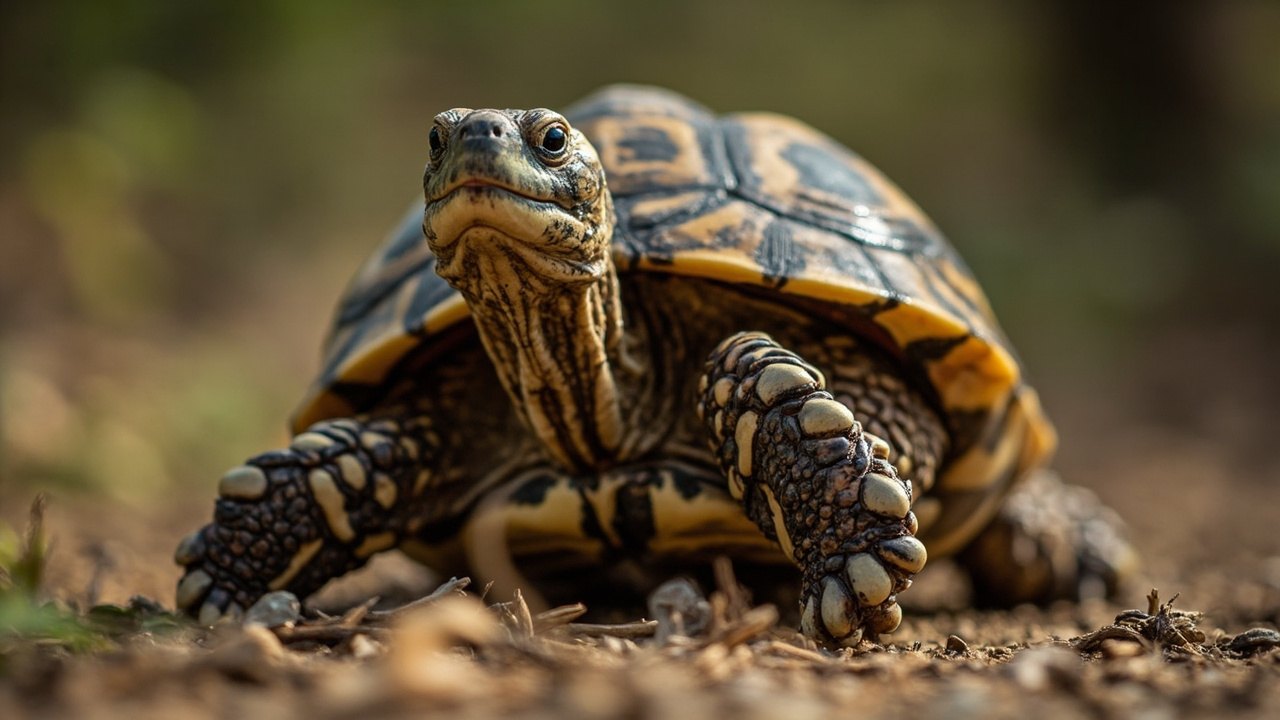
Aquatic turtles, terrestrial tortoises and semi-aquatic species need different enclosures, diets and environmental conditions. Temperature gradients, water quality, lighting where appropriate, nutrition, space and veterinary care all affect welfare. A long lifespan increases the responsibility to plan for moves, changing finances and future care. It should never be used as a reason to treat a turtle as a simple decoration or a low-effort pet.
Maximum Records Are Not Life Expectancy
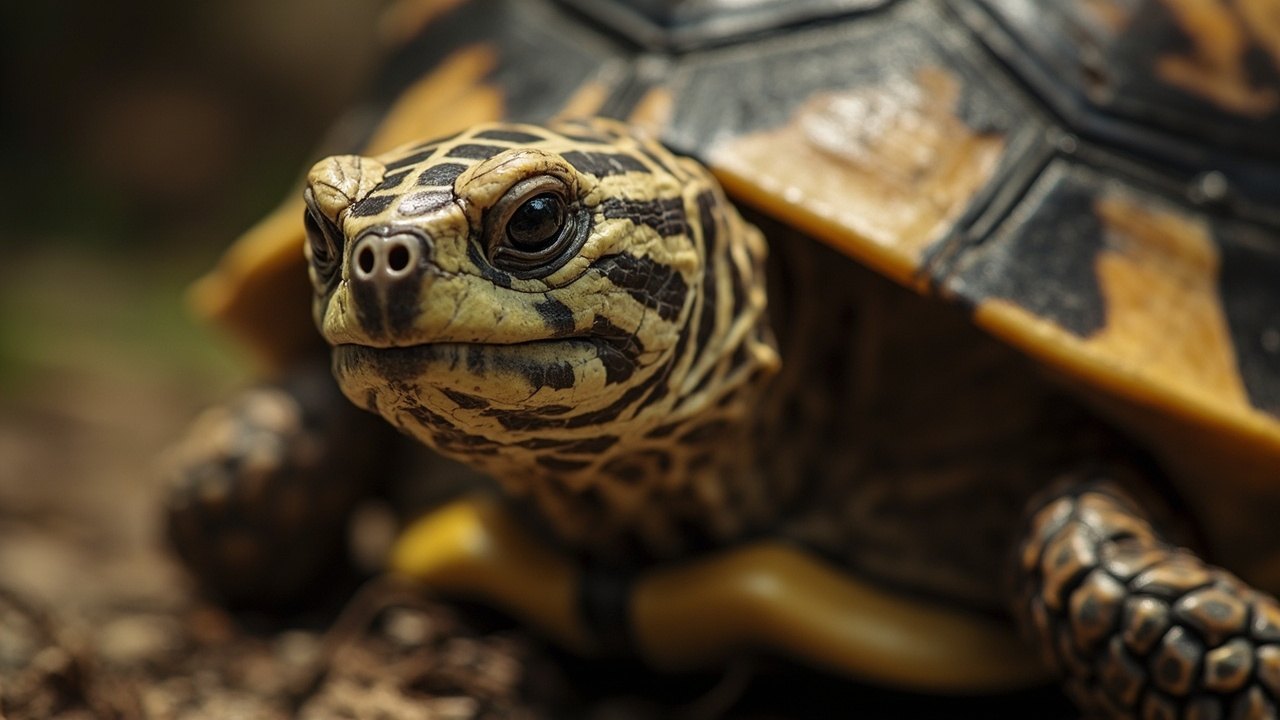
A documented maximum age describes an exceptional recorded individual, not what every member of a species will reach. Wild survival depends on habitat, disease, injury, predation, road mortality and reproductive success. Captive conditions can remove some dangers while introducing others, so a record from one setting cannot be used as a guarantee.
Shell rings, size and a photograph cannot reliably assign a turtle’s exact age. Good age evidence comes from known histories, marking studies or long-term research. Claims about an unusually old turtle should include its species and a documented history.
Slow Life Histories Need Long Planning
Many turtles and tortoises mature slowly and can require long-term habitat protection before a population replaces itself. Removing adults from the wild can have a larger effect than a quick count suggests. A healthy-looking adult does not show whether younger animals are surviving or whether nesting areas remain usable.
Care Commitments Extend Beyond Purchase
Prospective keepers need a realistic plan for space, water quality where relevant, diet, specialist veterinary care and future changes in housing or finances. A long lifespan is a responsibility, not a marketing claim.
Sources and review notes
Reviewed 23 August 2026. Care works best when it starts with the exact species in front of you. We checked this article against current veterinary husbandry guidance, but measured enclosure conditions and a reptile-experienced veterinarian should guide decisions for an individual animal.
Reference starting points: Merck Veterinary Manual: reptile management and husbandry, CDC: healthy handling around reptiles and amphibians, and The Reptile Database. Conservation status, taxonomy and local laws can change, so check the linked databases and the relevant local authority for current information.
Spotted something we should revisit? Send Reptile Explorer a correction—thoughtful reader feedback is always welcome.