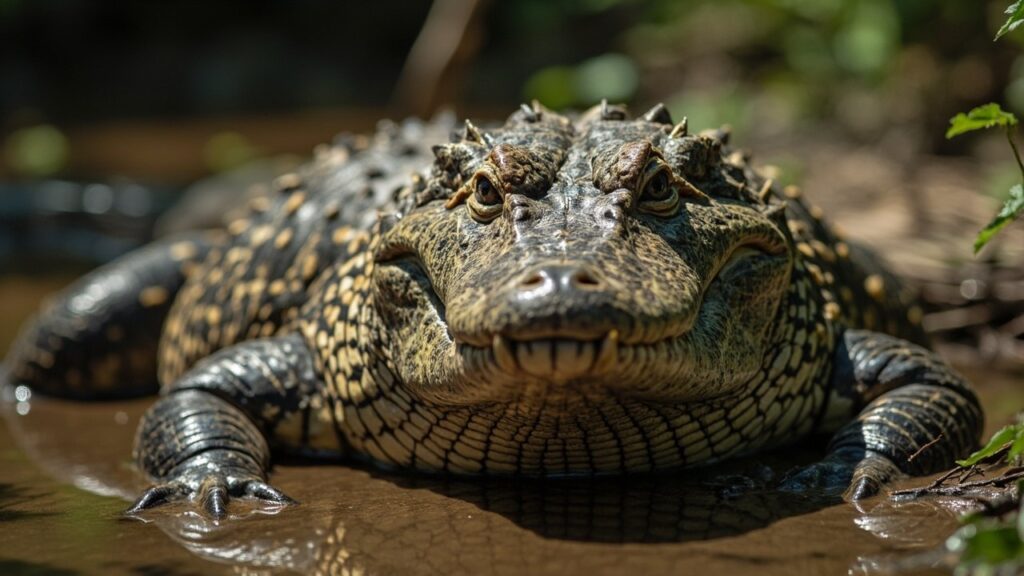
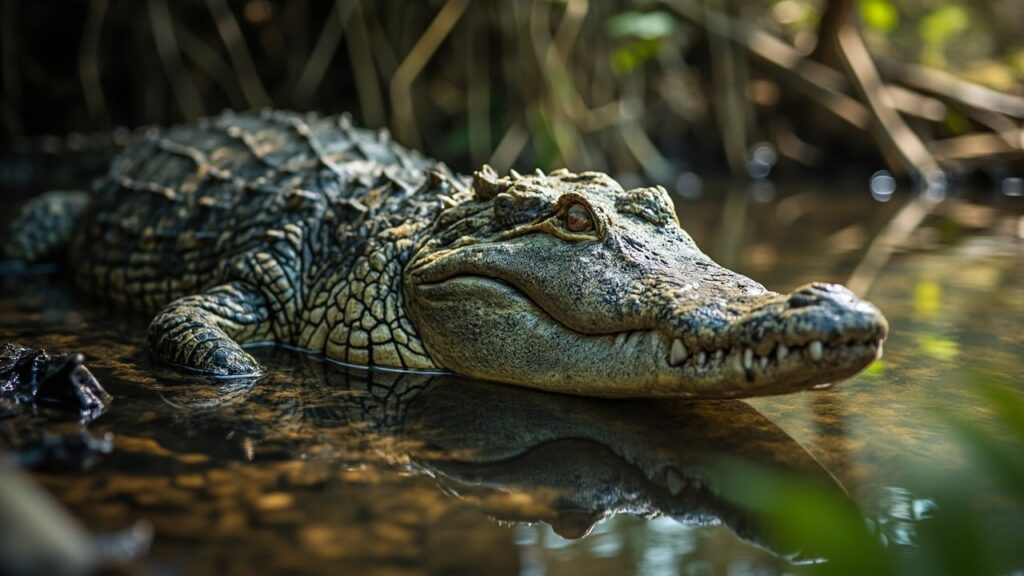
A Freshwater Crocodile of South Asia
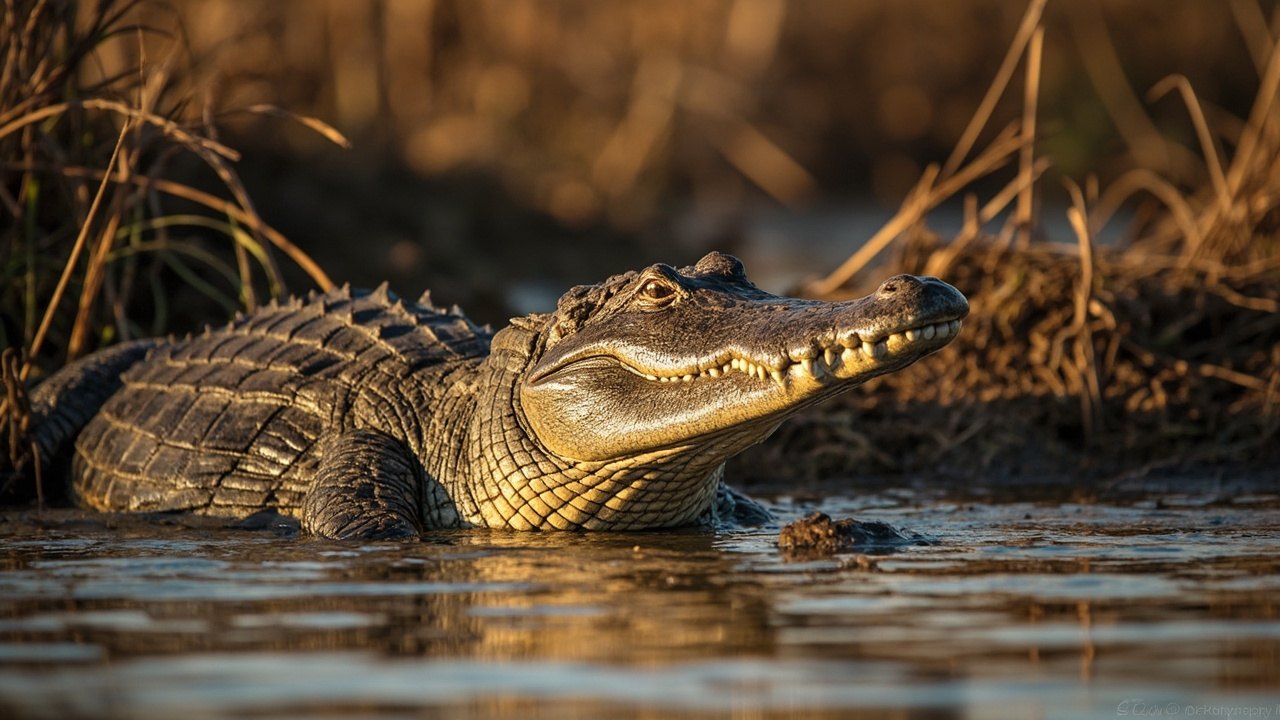
The mugger crocodile, Crocodylus palustris, occurs across parts of South Asia in lakes, ponds, marshes, reservoirs, and other slower freshwater systems. Its broad snout and sturdy build suit an opportunistic predator that uses both water and nearby banks.

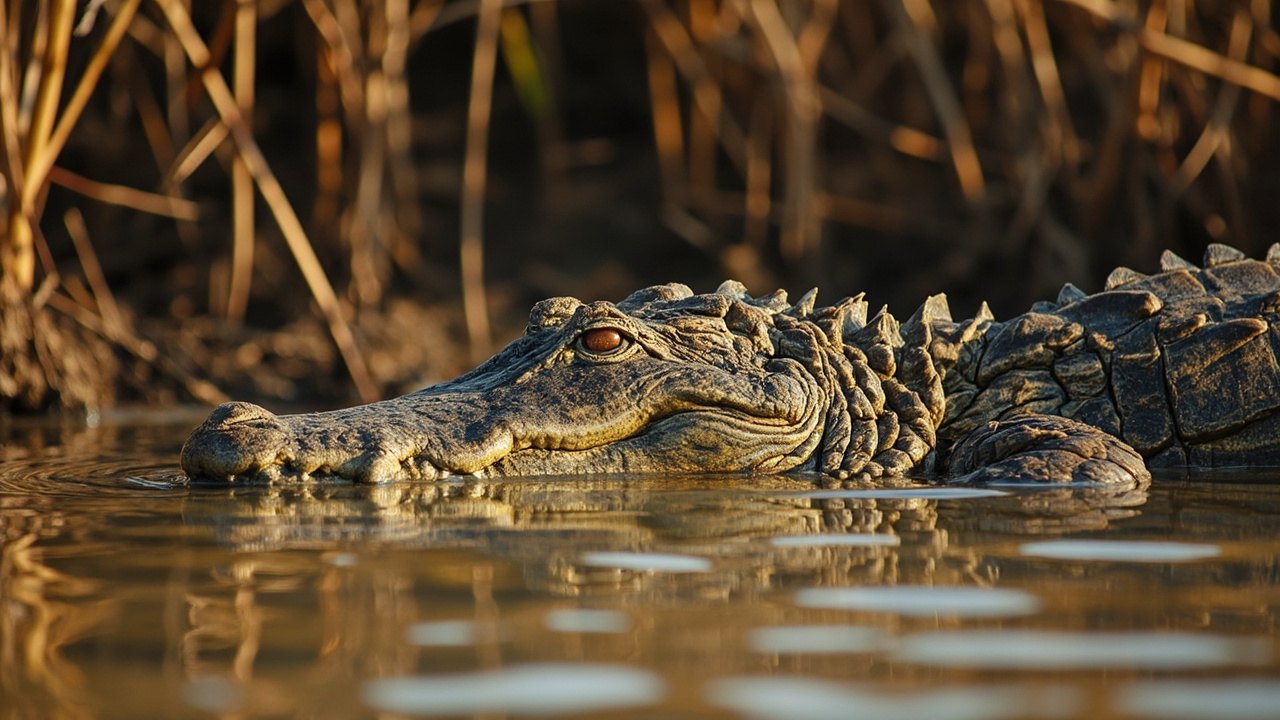
Nesting and Young
Females make hole nests during the dry season, placing eggs in protected ground conditions. Nest temperature affects development, and females provide important nest and hatchling care. Young crocodiles begin with small prey and expand their diet as their size and opportunities increase.
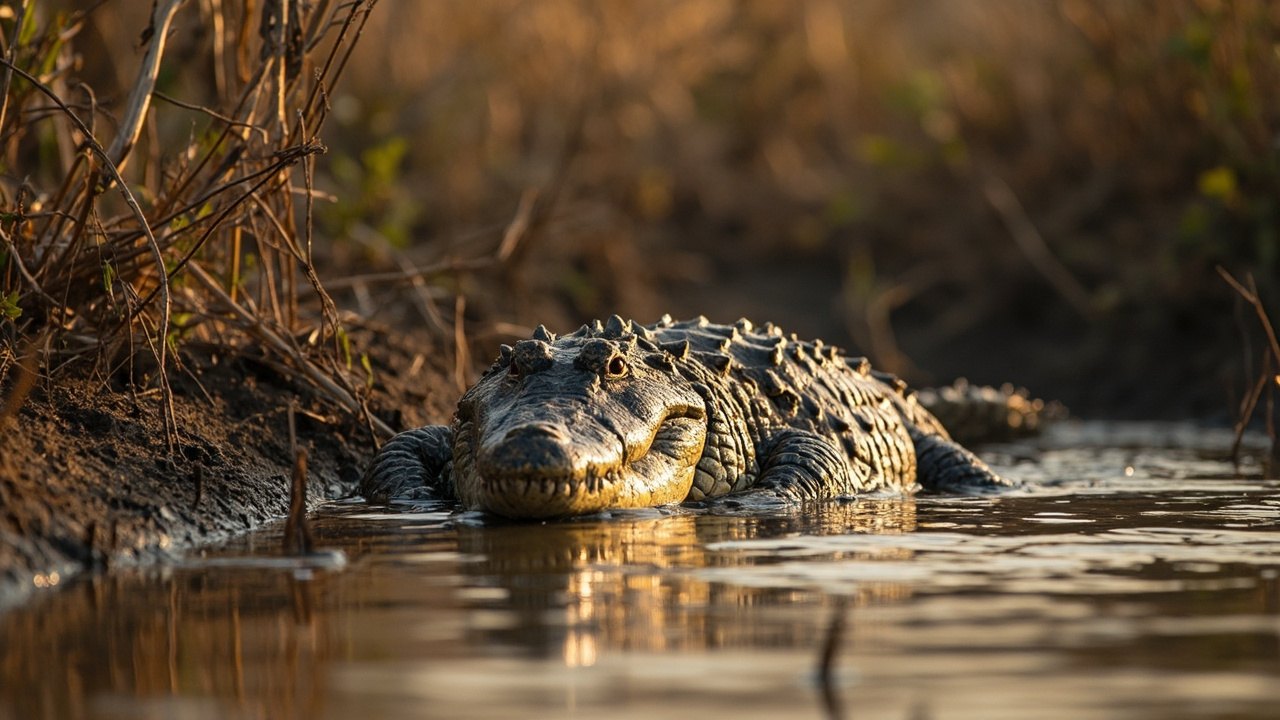
Conservation and Coexistence
Habitat alteration, fishing gear, illegal take, and conflict with people can threaten mugger populations. The most effective response depends on local water use, nesting habitat, and community safety needs. Monitoring, habitat protection, and practical conflict-reduction measures should be designed for the region involved.
A Crocodile of Varied Freshwater
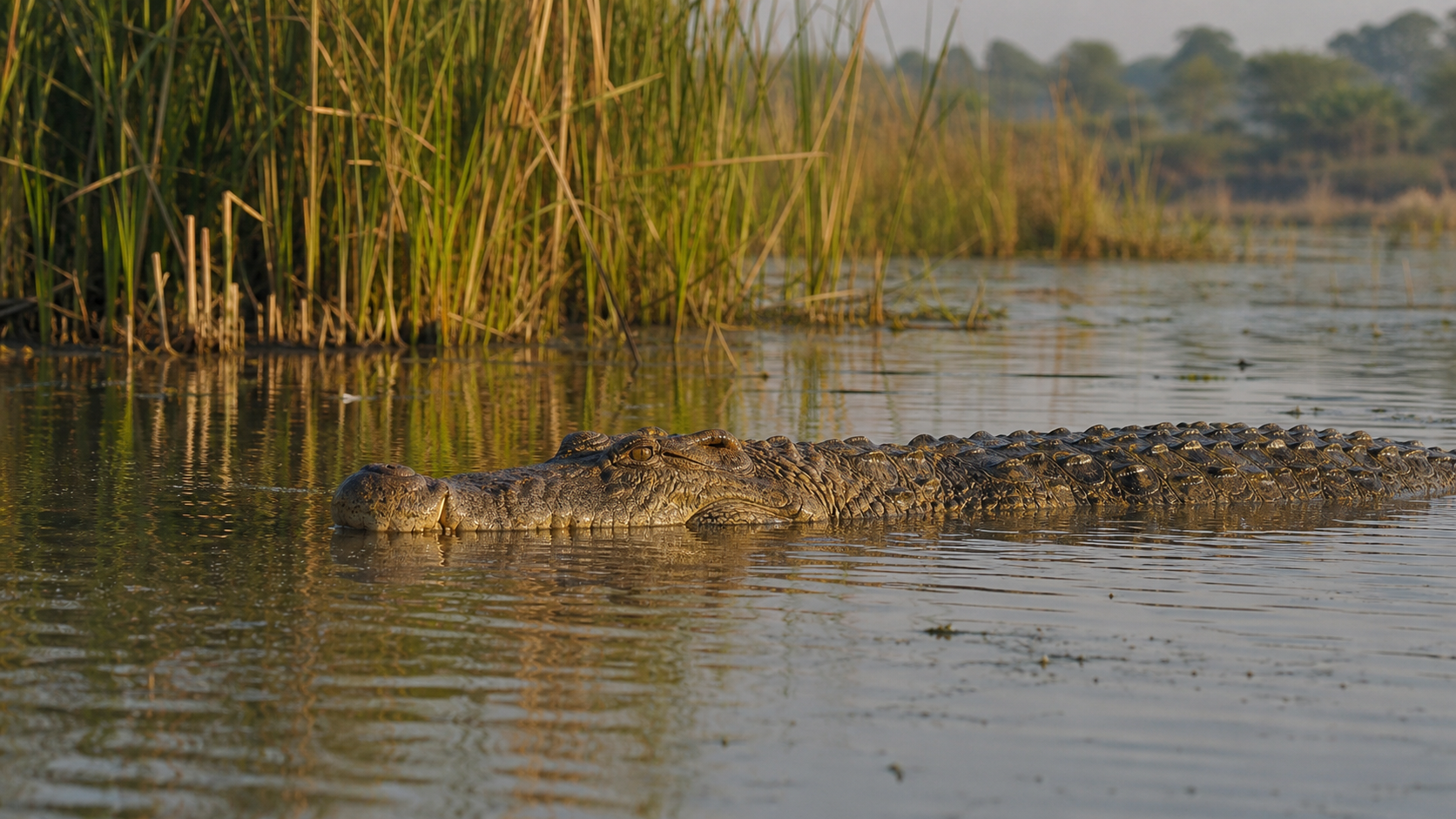
Mugger crocodiles use a range of slow-moving freshwater habitats, but a lake, marsh, reservoir, or riverbank does not offer the same resources at every time of year. Water depth, shoreline vegetation, fish availability, exposed banks, and disturbance can change with rainfall, irrigation, and seasonal drawdown. A local population may need access to more than one type of place as water conditions shift.
Like other crocodilians, muggers use behaviour to manage temperature. Basking areas, shade, and water access are therefore parts of the habitat, not optional details. An apparently empty bank may still be important if it provides a safe place for resting, nesting, or movement between water bodies.
From Nest to Adult
Hole nests are placed in ground conditions that protect eggs during incubation. Later, hatchlings need shallow, sheltered water and appropriate prey, while larger animals use broader areas. That means conservation cannot be evaluated only by locating an adult crocodile. The condition of nesting ground, juvenile refuge, water quality, and routes between habitat patches all contribute to population persistence.
Coexistence Requires Local Solutions
Fishing, livestock access, water extraction, and recreation can create different risks in different freshwater systems. Practical measures may include clear reporting channels, locally appropriate warning information, protection of key banks, and monitoring of recurring conflict locations. Wild mugger crocodiles should never be approached or fed. The most useful management plans combine public safety with evidence about the particular wetlands and human activities a population uses.
Sources and review notes
Reviewed 23 August 2026. Reptile biology is wonderfully variable. We have avoided turning one species, photograph or dramatic observation into a rule for an entire group, and we have used cautious wording where evidence or local conditions differ.
Reference starting points: The Reptile Database, The IUCN Red List of Threatened Species, and PubMed-indexed research. Conservation status, taxonomy and local laws can change, so check the linked databases and the relevant local authority for current information.
Spotted something we should revisit? Send Reptile Explorer a correction—thoughtful reader feedback is always welcome.