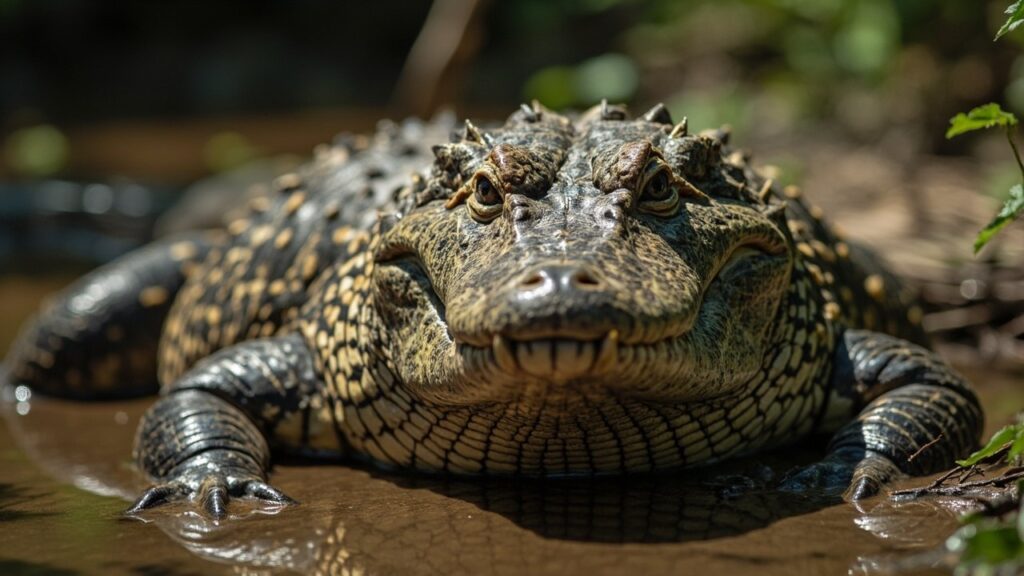
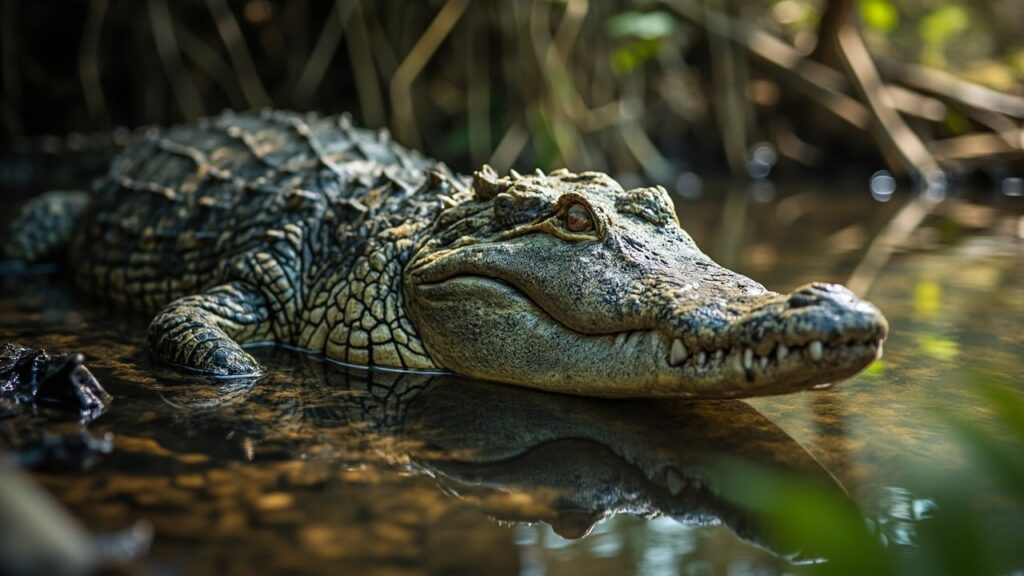
A Crocodile of the Orinoco Basin
The Orinoco crocodile, Crocodylus intermedius, is native to the Orinoco drainage of Colombia and Venezuela. It is closely associated with rivers, wetlands, and seasonally flooded savannas, especially within the Llanos region.

Life in Seasonal Rivers
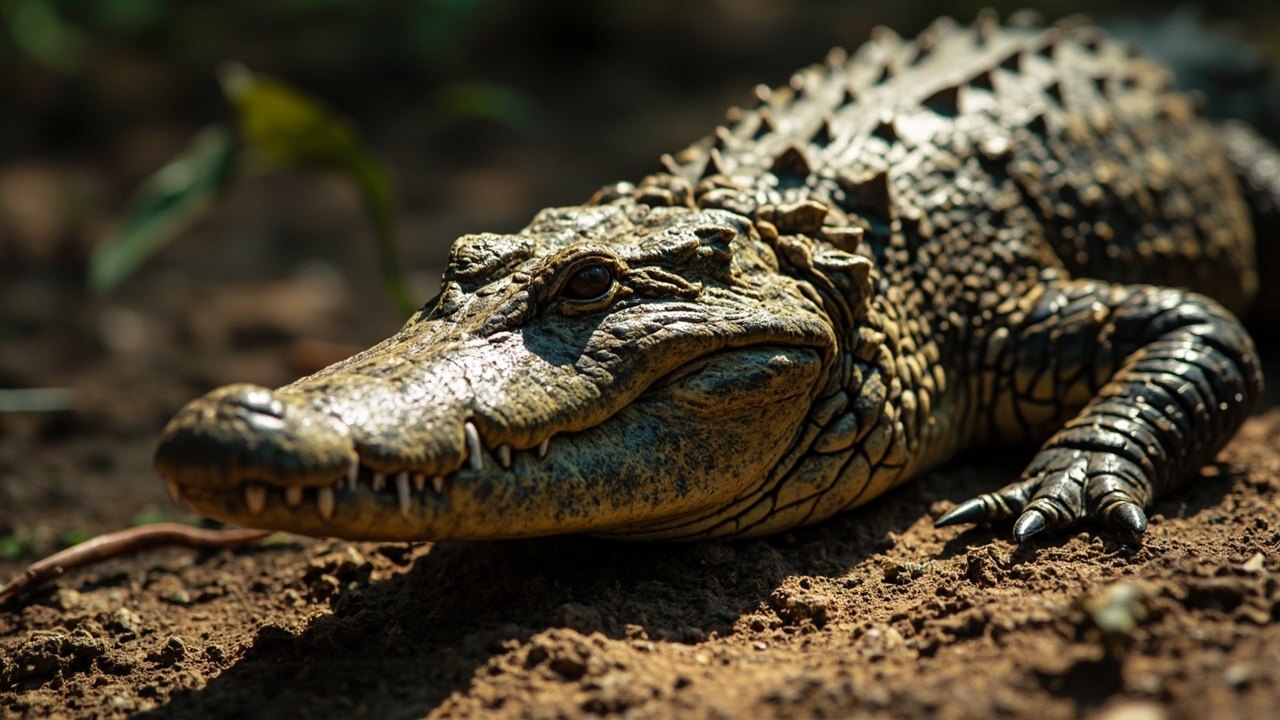
Young crocodiles feed mainly on small aquatic animals and invertebrates, while adults take a wider range of prey that can include fish, birds, and mammals. Nesting is tied to the seasonal cycle of river levels, with females using exposed banks and sandbars when suitable sites are available.
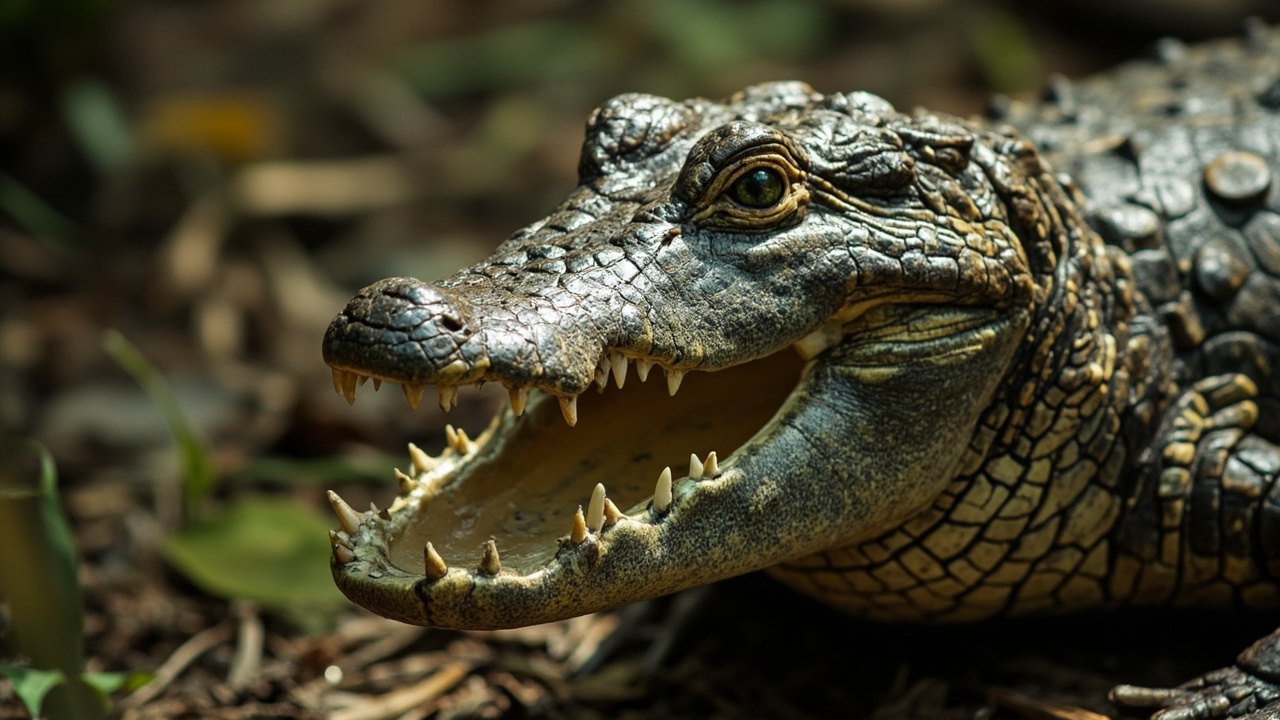
Recovery Requires Long-Term Commitment
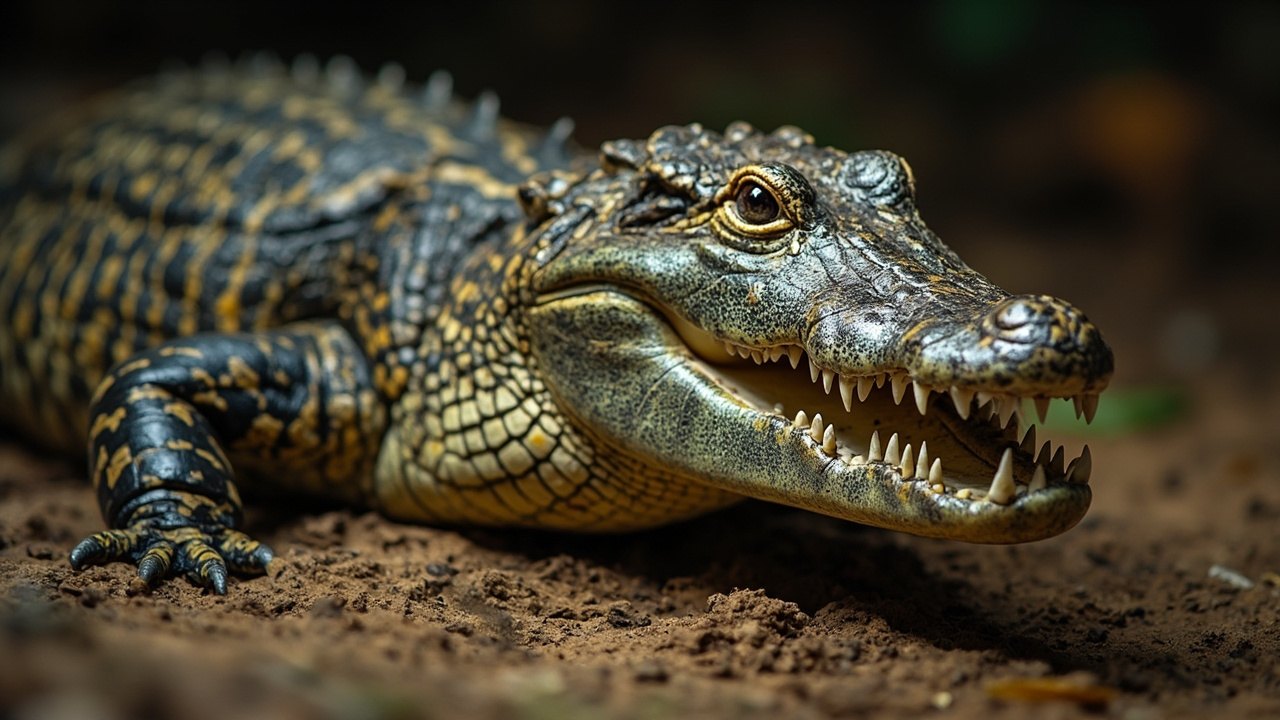
The species is Critically Endangered after severe historical hunting and continuing habitat pressure. Conservation breeding, nest protection, habitat security, and carefully monitored releases can contribute to recovery, but releases alone do not remove the threats facing wild populations.
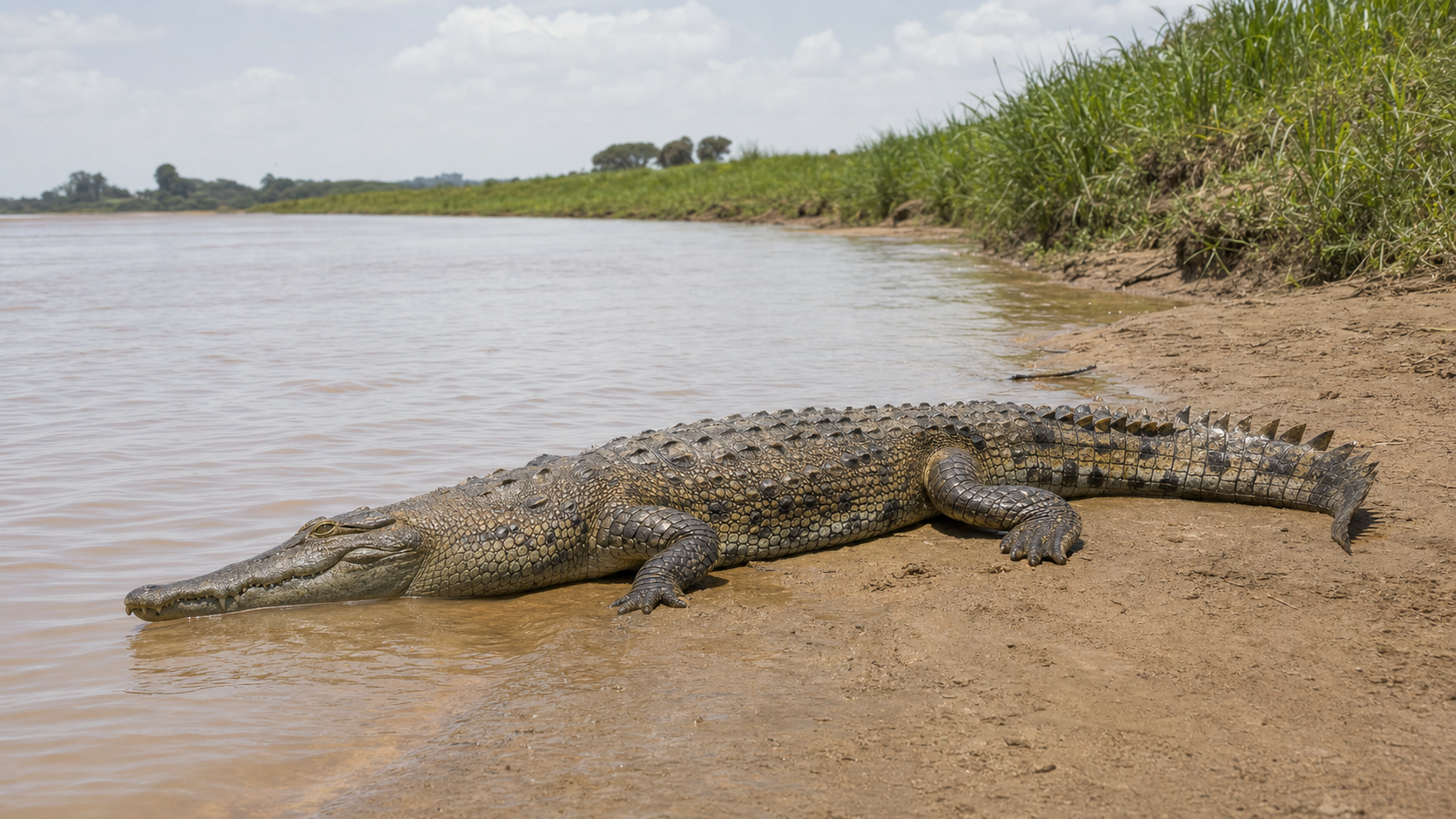
A Life Tied to Seasonal Water
The Orinoco Basin changes markedly between wet and dry periods. Channels, floodplains, oxbow waters, banks, and sandbars do not remain in the same condition throughout the year. For an Orinoco crocodile, a breeding site or basking bank is useful only while its water level, access, cover, and disturbance conditions remain suitable. This is why protection of a single riverbank cannot replace protection of the wider river and floodplain system.
Young crocodiles use sheltered areas and take relatively small prey, while larger animals can use a broader range of prey and water conditions. Survival is shaped by more than hatchling numbers. Suitable refuge, food, low disturbance, connectivity between waters, and the presence of breeding adults all influence whether a population can persist.
What Recovery Monitoring Should Ask
Head counts alone give an incomplete picture of recovery. Field teams also need to identify nesting areas, assess habitat quality, distinguish age classes, and follow released animals where releases occur. A release can support recovery only when the receiving habitat is protected and the threats that caused earlier losses are being addressed.
Conservation breeding is most useful when it is paired with habitat security, local participation, and long-term monitoring. It should not be described as a quick replacement for wild populations. The Orinoco crocodile is a river-basin specialist whose future depends on the condition of connected seasonal waters in Colombia and Venezuela, as well as on the practical protection of nests and adults.
Observing Crocodilians Safely
Wild crocodilians should always be viewed from a safe distance and under local rules. Nesting banks and young animals are especially vulnerable to disturbance. Reporting sightings to the appropriate local wildlife programme can be more helpful than approaching an animal for a closer image.
Sources and review notes
Reviewed 23 August 2026. Reptile biology is wonderfully variable. We have avoided turning one species, photograph or dramatic observation into a rule for an entire group, and we have used cautious wording where evidence or local conditions differ.
Reference starting points: The Reptile Database, The IUCN Red List of Threatened Species, and PubMed-indexed research. Conservation status, taxonomy and local laws can change, so check the linked databases and the relevant local authority for current information.
Spotted something we should revisit? Send Reptile Explorer a correction—thoughtful reader feedback is always welcome.