A Name for Several Distinct Skinks
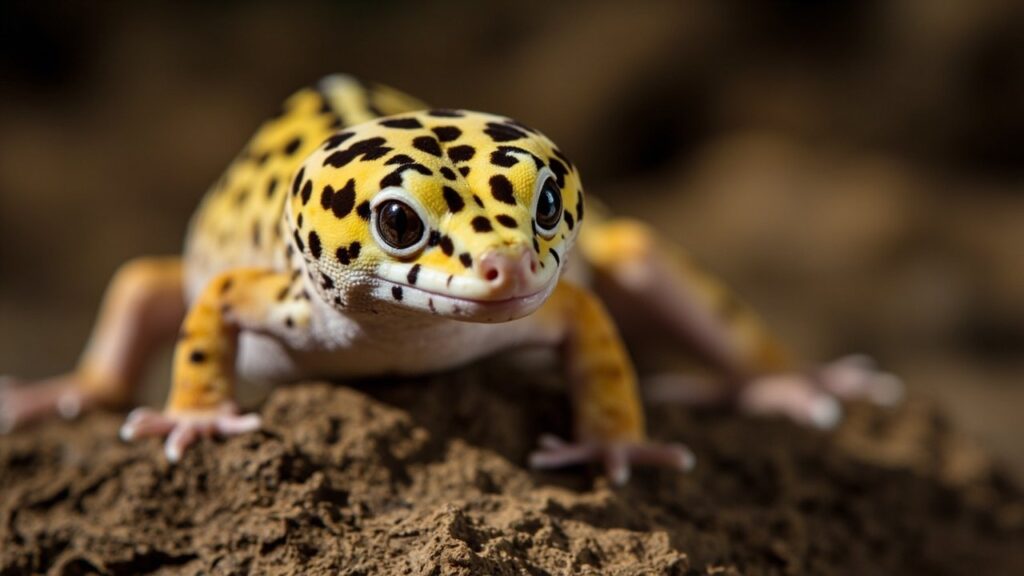
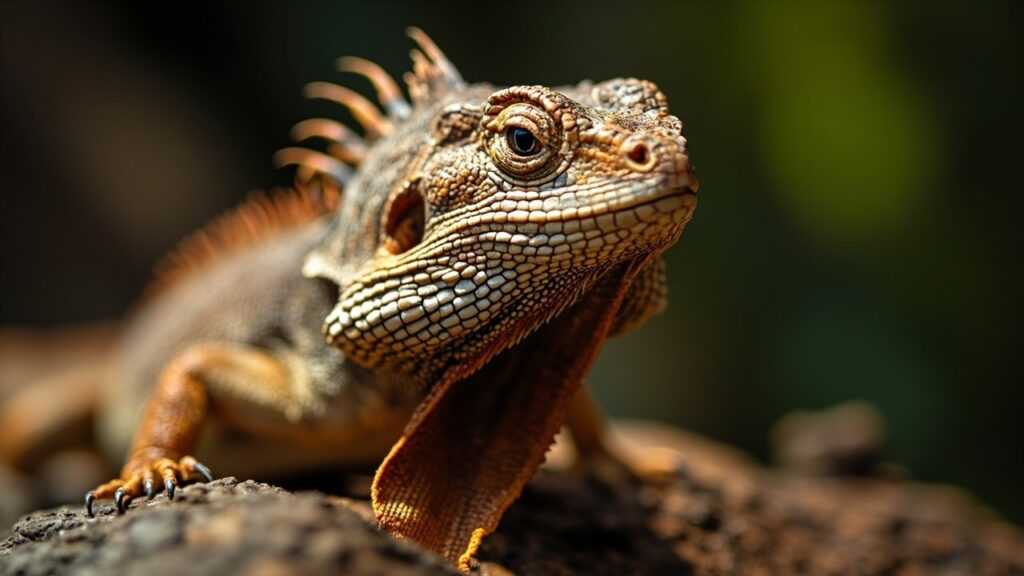
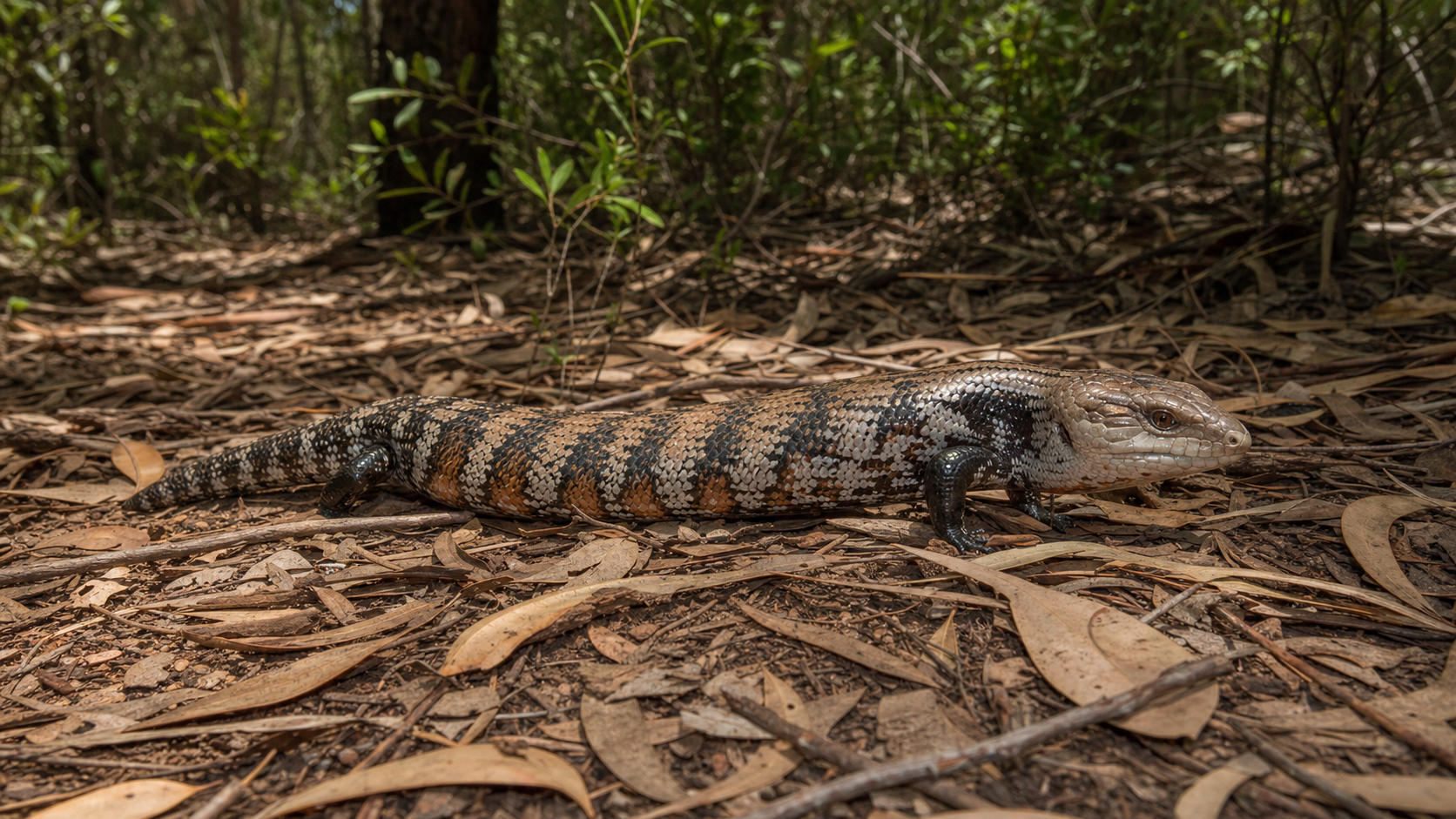
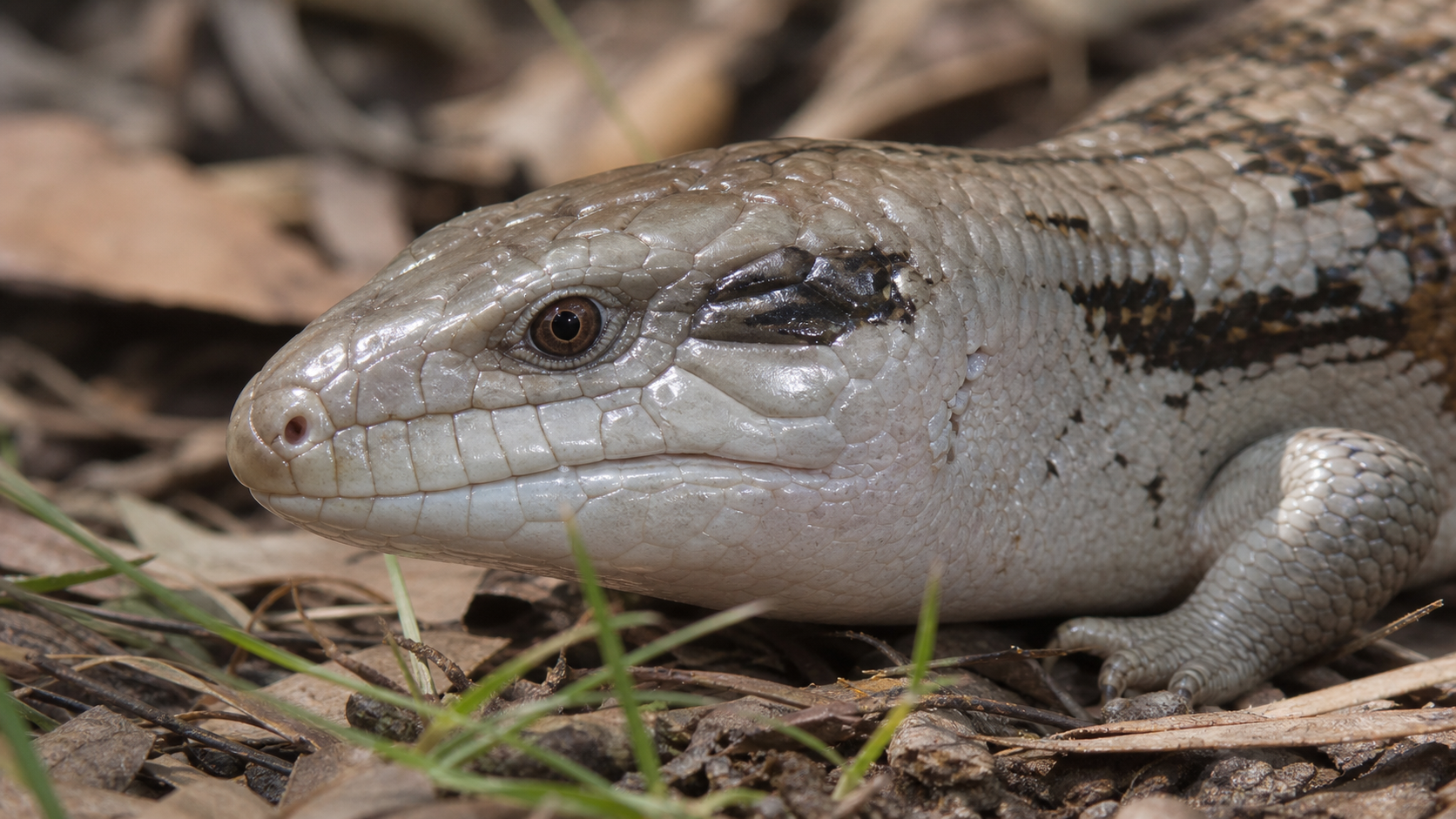
Blue-tongued skinks are not one species. The name is used for several Tiliqua lizards, including eastern, northern, blotched and Indonesian blue-tongues. Their sizes, ranges and habitat needs differ, so a care sheet for one should not automatically be applied to another. The eastern blue-tongue, for example, uses open country with ground cover, leaf litter, rocks and logs for shelter.
The Tongue Is a Defensive Signal
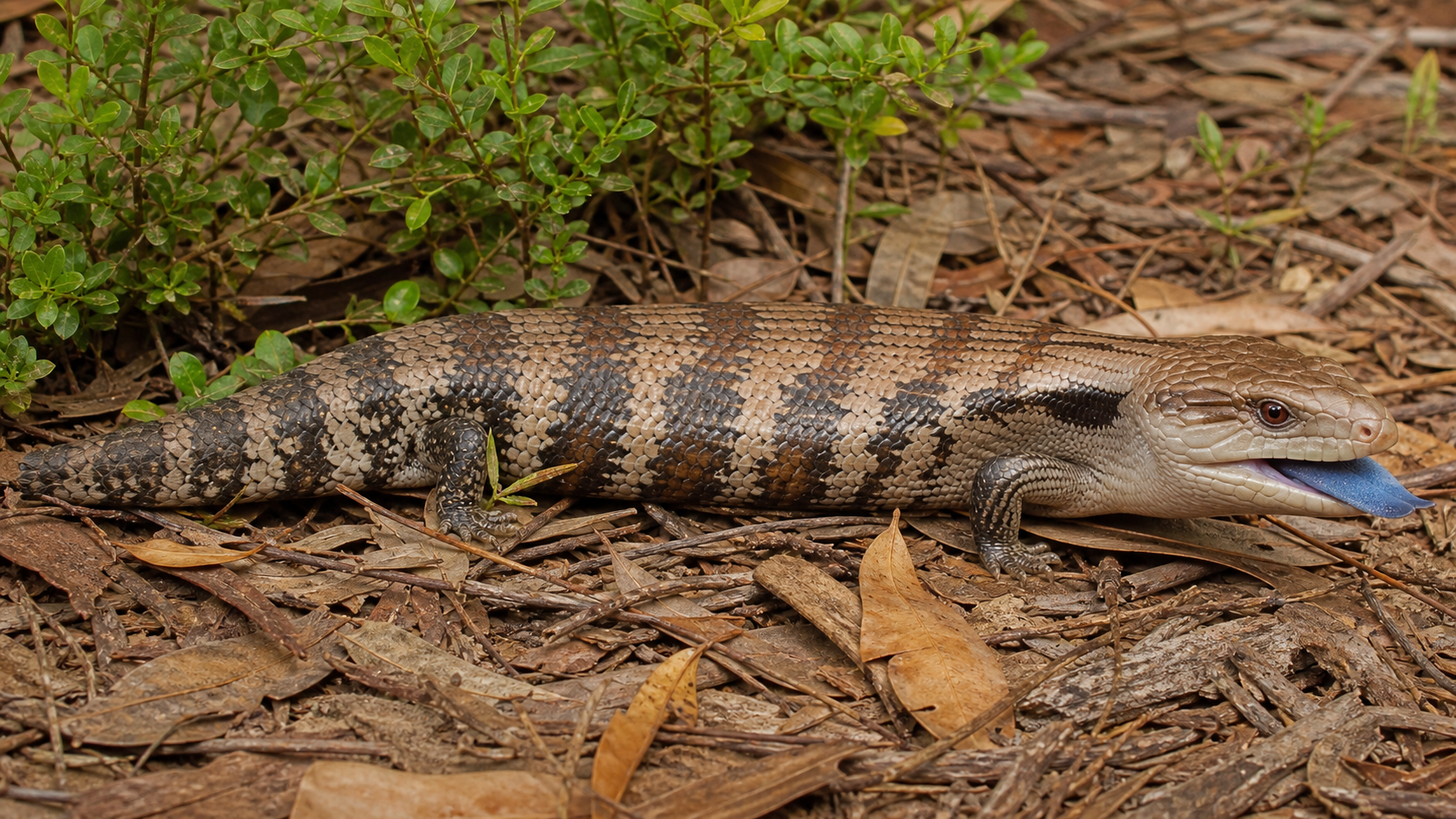
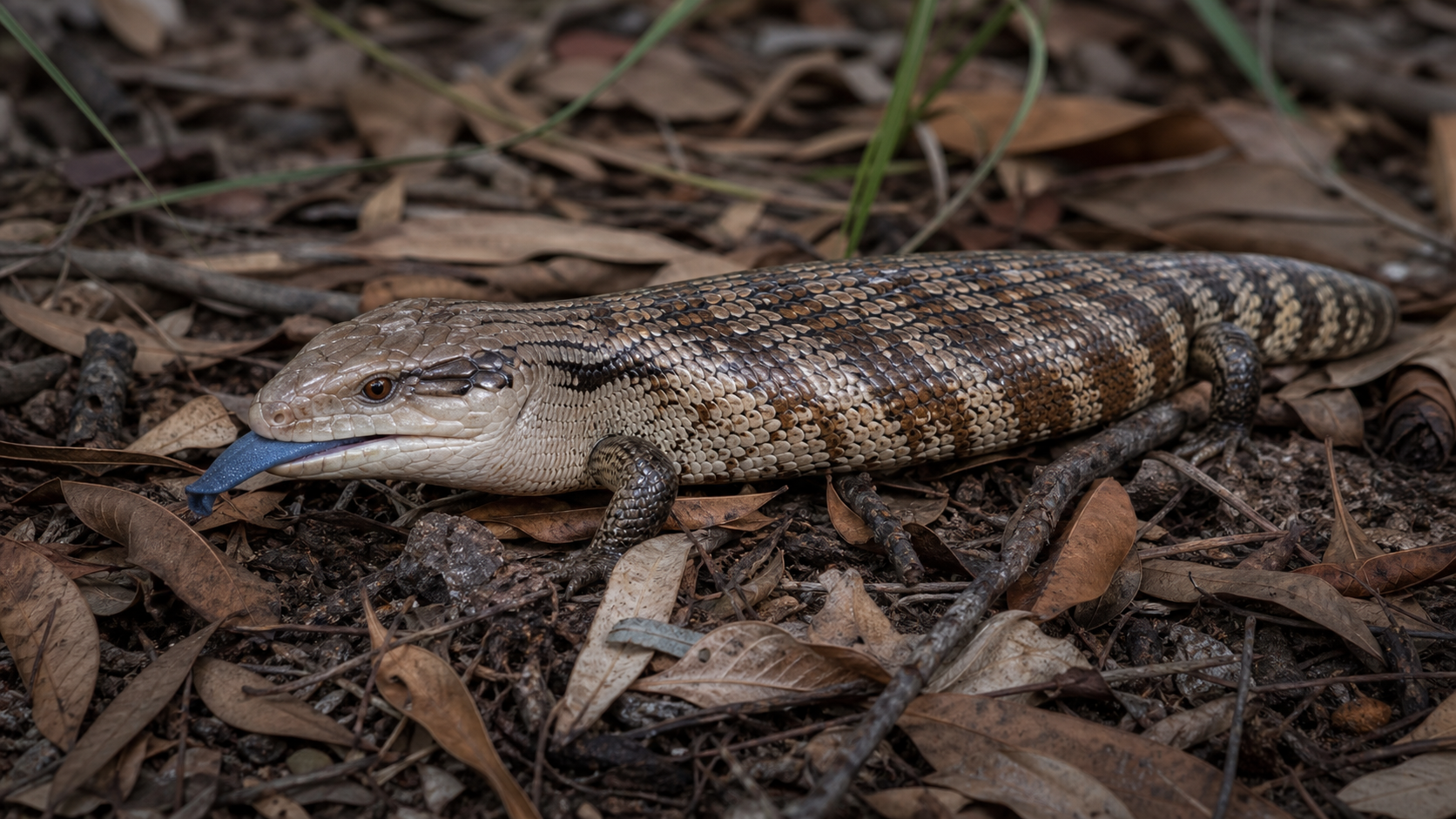
When threatened, a blue-tongue may open its mouth, display the bright tongue, flatten or puff its body and hiss. The contrast between the blue tongue and pink mouth can startle a potential predator. It is a warning display, not a sign that the skink is venomous. Like many reptiles, an animal that feels trapped may bite, so it is better to let it retreat than to test its tolerance of handling.
Calm Handling Is Not the Same as Social Need
Some captive-bred blue-tongued skinks become accustomed to calm, predictable care, but their responses vary by individual and species. They need an enclosure with usable floor space, secure hides, a suitable temperature range, appropriate light and a diet matched to the exact species. They are often best kept individually because forced sharing can lead to competition or injury. A skink’s welfare is better judged by normal feeding, movement and use of the enclosure than by whether it seeks human contact.
Wild and Captive Contexts Are Different
A blue-tongued skink found in the wild uses local cover, food and seasonal conditions that may not be obvious from a brief sighting. It should be left where it is unless a qualified local authority gives other advice. Captive animals need care based on their confirmed species, history and health. A general statement about a pet blue-tongue should not be used to justify collecting a wild lizard.
Displays Should End the Interaction
A tongue display, hissing or body flattening shows that an animal is trying to create distance. The helpful response is to step back, reduce pressure and let it find cover. Repeating the interaction to photograph the blue tongue can raise stress and increase the chance of a bite. A calm individual may still need privacy and a secure retreat.
One Common Name Is Not a Care Plan
Different Tiliqua species have different natural ranges and may use dry, temperate or tropical settings. Housing, diet and seasonal management should be researched for the exact species, not borrowed from the most familiar blue-tongue. Persistent changes in feeding, weight, movement or shedding should be assessed by a reptile-qualified veterinarian.
Sources and review notes
Reviewed 23 August 2026. Reptile biology is wonderfully variable. We have avoided turning one species, photograph or dramatic observation into a rule for an entire group, and we have used cautious wording where evidence or local conditions differ.
Reference starting points: The Reptile Database, The IUCN Red List of Threatened Species, and PubMed-indexed research. Conservation status, taxonomy and local laws can change, so check the linked databases and the relevant local authority for current information.
Spotted something we should revisit? Send Reptile Explorer a correction—thoughtful reader feedback is always welcome.