Mostly Land-Dwelling Turtles
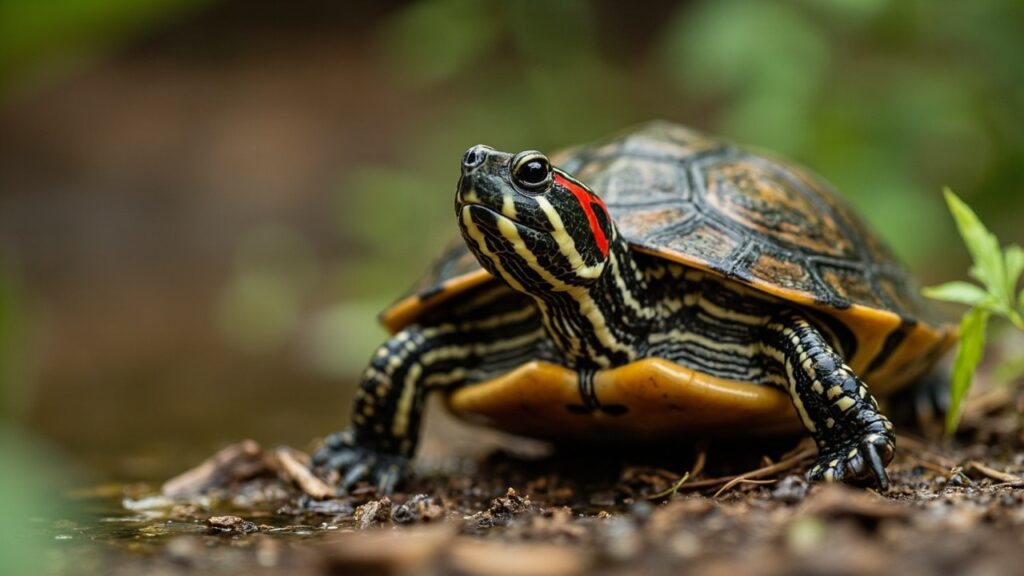
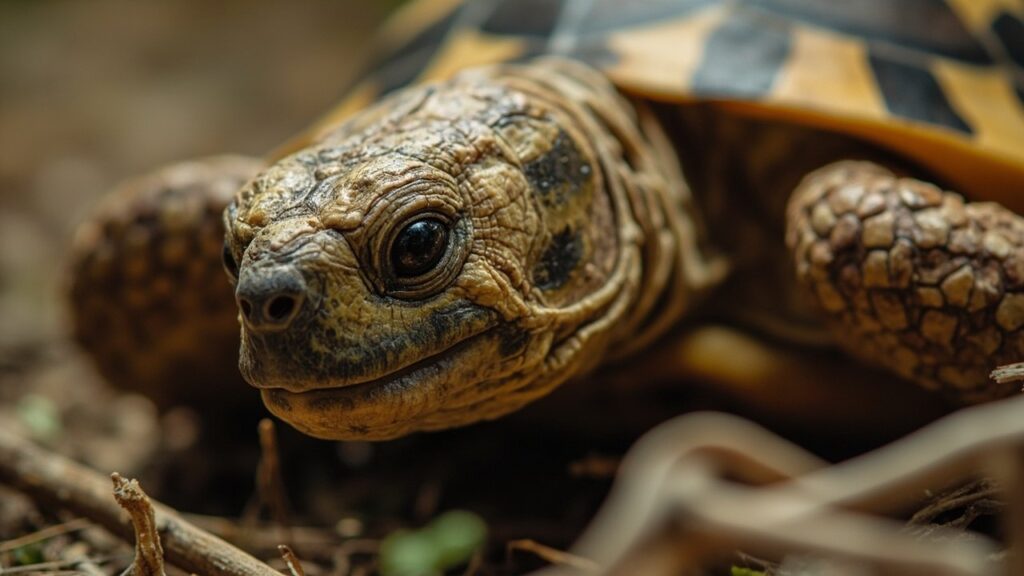
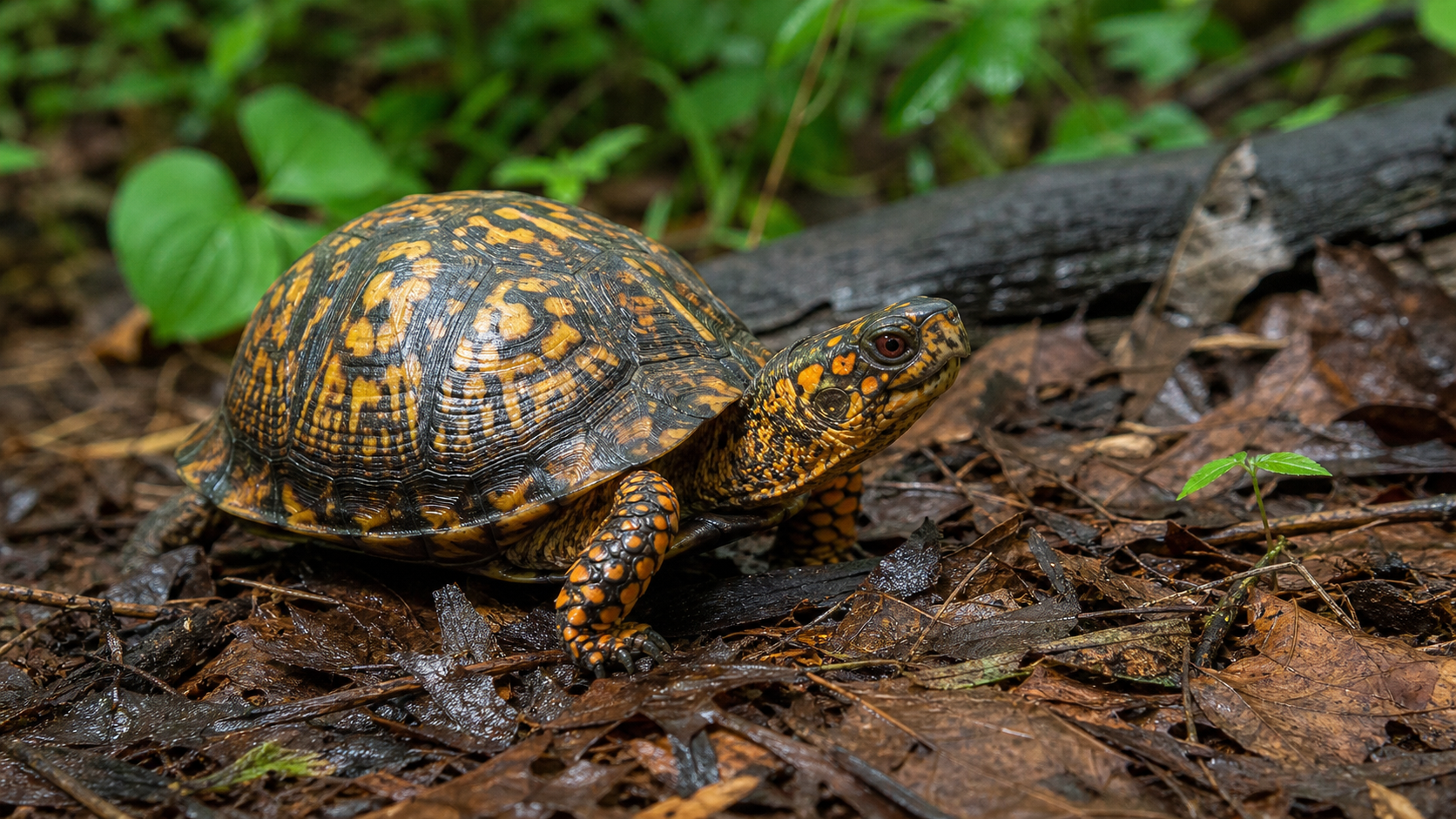
North American box turtles in the genus Terrapene are primarily terrestrial. Their hinged lower shell, called the plastron, can close around the body for protection. Species use wooded edges, grasslands, damp meadows and leaf litter, often near shallow water but not as open-water swimmers. The familiar orange or yellow markings of an eastern box turtle are variable, and colour alone is not enough to identify every box turtle.

An Omnivorous Diet Changes With Age and Place
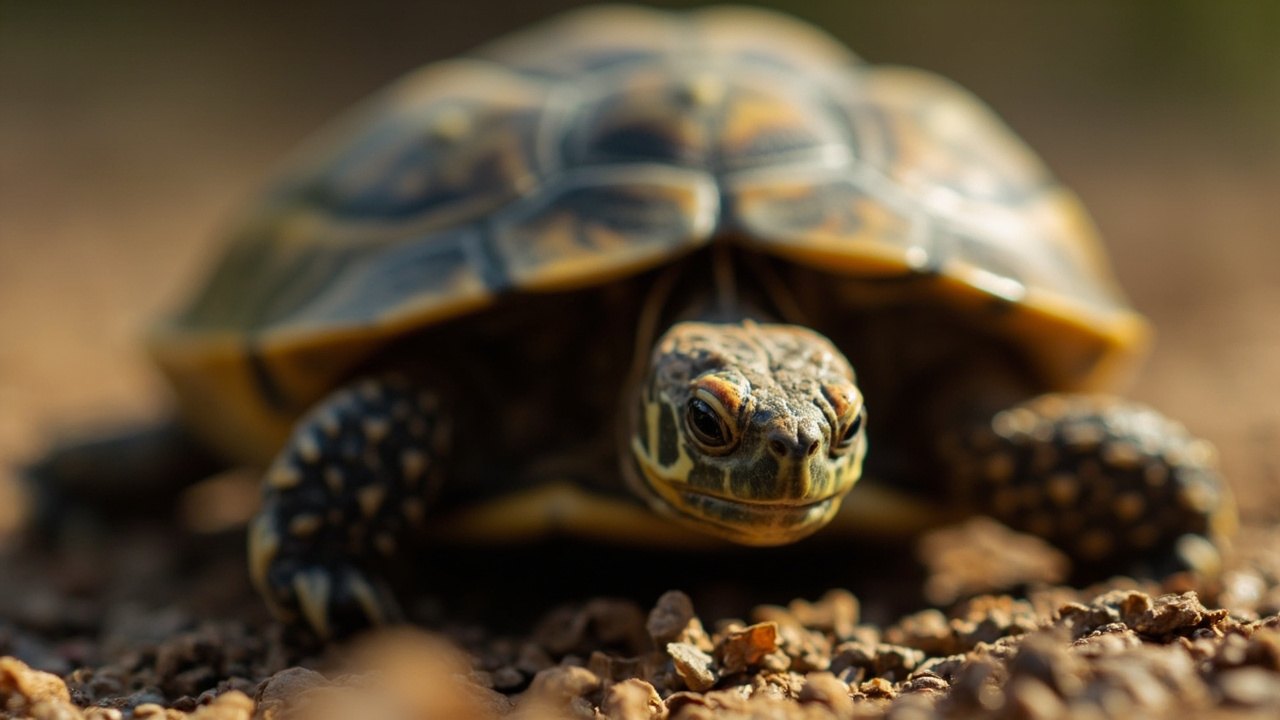
Box turtles eat a mix of plant and animal material, including fruit, fungi, invertebrates and carrion when available. Younger animals may eat proportionally more animal prey, while adults of some species consume more plant matter. Diet depends on season, habitat and species, so it should not be reduced to a single favourite food. A wild turtle should be left to forage naturally rather than fed by visitors.
Roads and Collection Create Lasting Risks
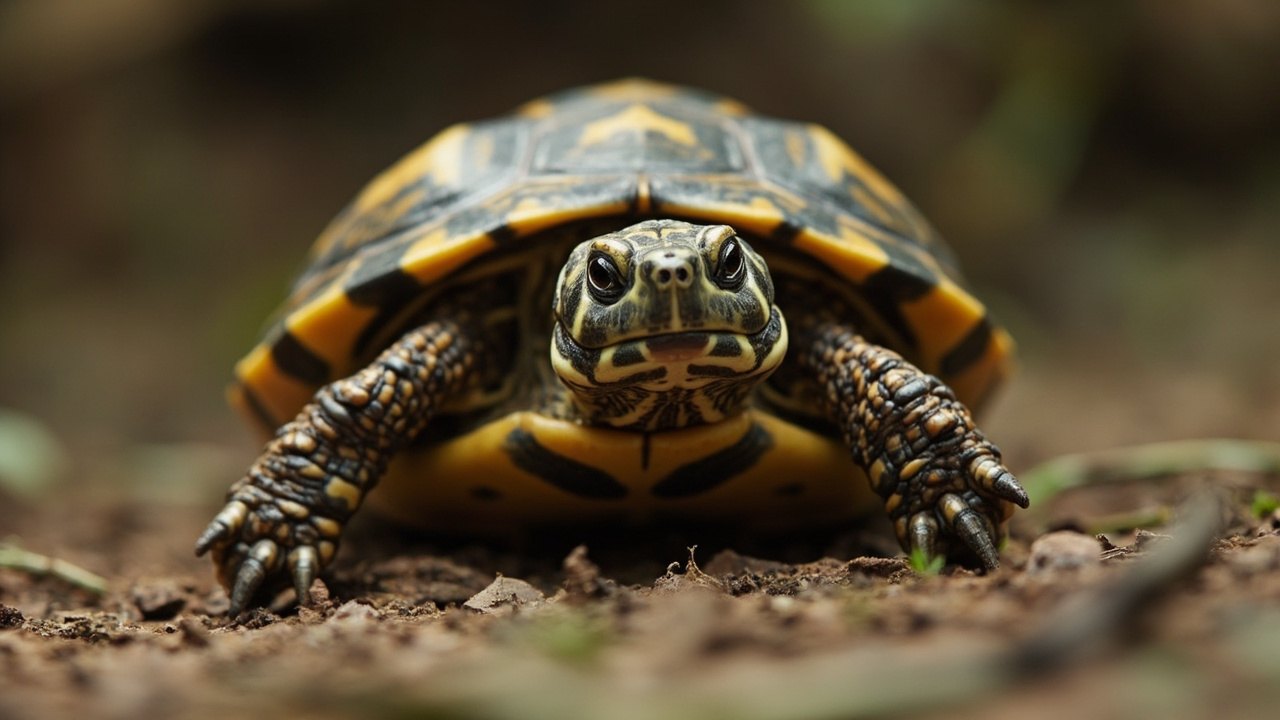
Slow movement and small home areas make box turtles vulnerable to roads, habitat fragmentation and removal for the pet trade. Taking a turtle from the wild can remove a long-lived breeding adult from a local population. If a turtle is crossing a road, help only when it is safe to do so, and move it in the direction it was already travelling. Do not relocate it to a distant park, pond or backyard, and follow local wildlife rules.
Site Fidelity Makes Relocation Harmful
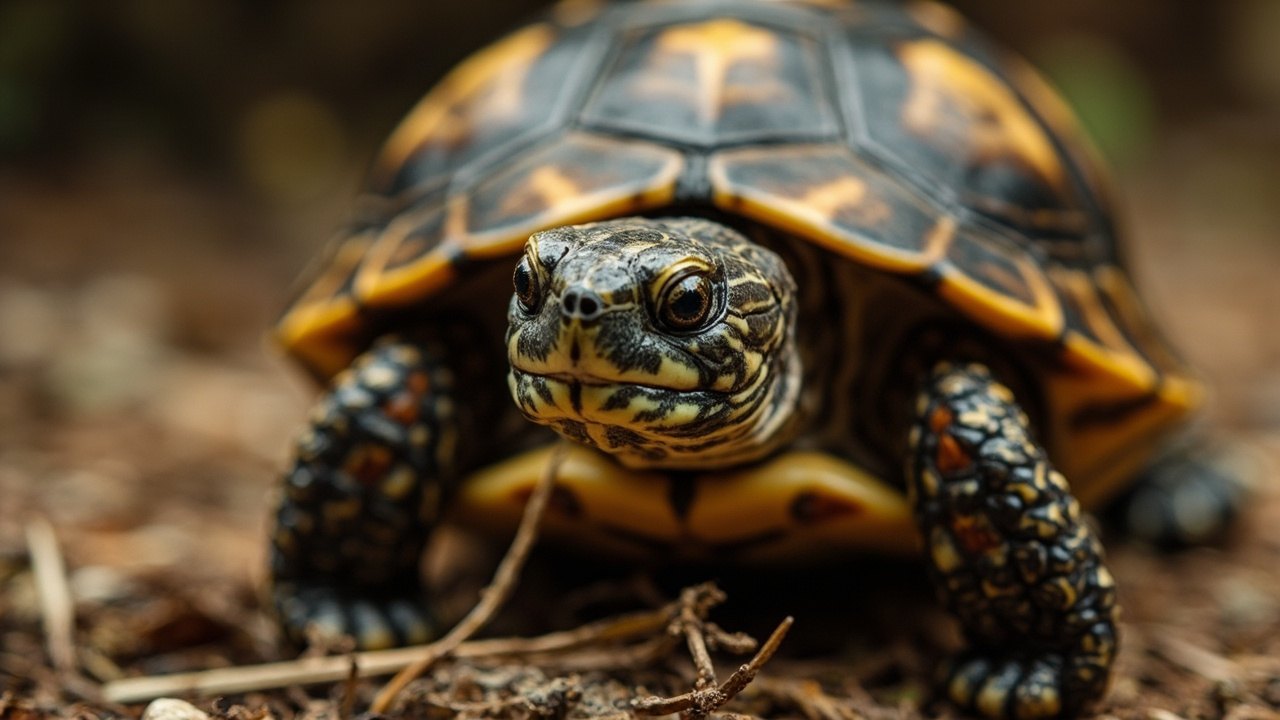
Box turtles can use familiar areas over many years. Moving one to a distant woodland or pond may seem helpful, yet it can place the animal in unfamiliar territory without known shelter, food or routes. It may also carry disease between populations. If a turtle must be moved from immediate road danger and it is safe to do so, place it in the direction it was already travelling rather than taking it away.
Leaf Litter Is Useful Habitat
Leaf litter, low plants, fallen branches and damp soil can offer cover, invertebrate prey and protection from temperature extremes. Removing every natural feature from a yard or woodland edge can make the site less useful to turtles even when the landscape still looks green. Nesting and overwintering needs also differ by species and local conditions.
Records Improve Conservation
Photographs taken without handling can support a local wildlife record when the location is shared responsibly with an appropriate conservation group. Repeated, careful observations can help show whether turtles are using a site. Collecting wild turtles for pets removes animals from those records and can weaken small local populations.
Sources and review notes
Reviewed 23 August 2026. Reptile biology is wonderfully variable. We have avoided turning one species, photograph or dramatic observation into a rule for an entire group, and we have used cautious wording where evidence or local conditions differ.
Reference starting points: The Reptile Database, The IUCN Red List of Threatened Species, and PubMed-indexed research. Conservation status, taxonomy and local laws can change, so check the linked databases and the relevant local authority for current information.
Spotted something we should revisit? Send Reptile Explorer a correction—thoughtful reader feedback is always welcome.