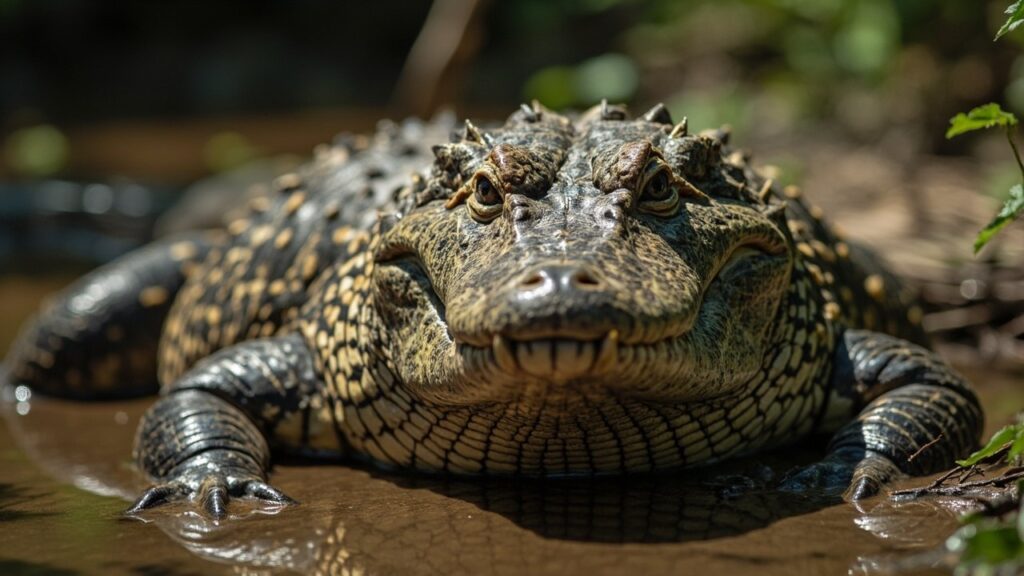
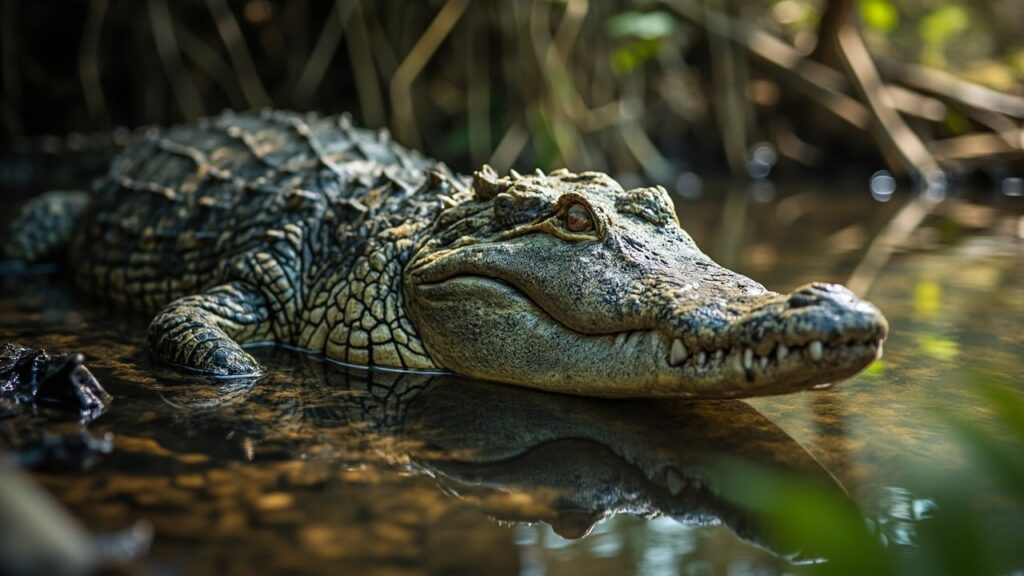
Cuvier’s dwarf caiman (Paleosuchus palpebrosus) is one of the smallest crocodilian species. It occurs across parts of northern and central South America, including Amazon and Orinoco systems, Atlantic coastal drainages and the upper Paraguay basin.
Small does not mean simple
Its armored body, shaded-water habits and broad regional distribution make it easy to oversimplify. Local behavior, display and social claims should not be presented as universal without field evidence. An IUCN assessment is not the same as an automatic statement that every population faces the same risk.
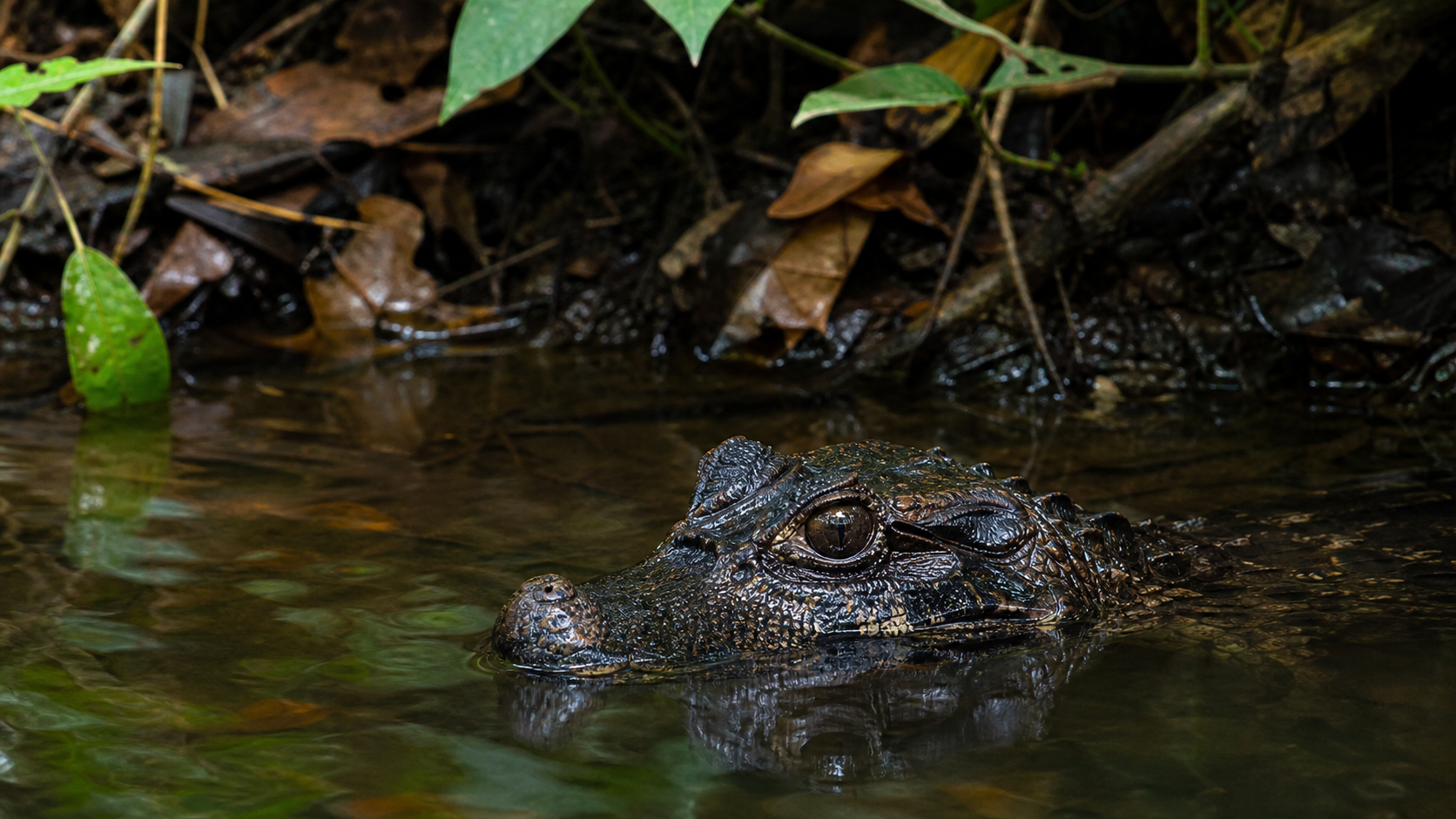
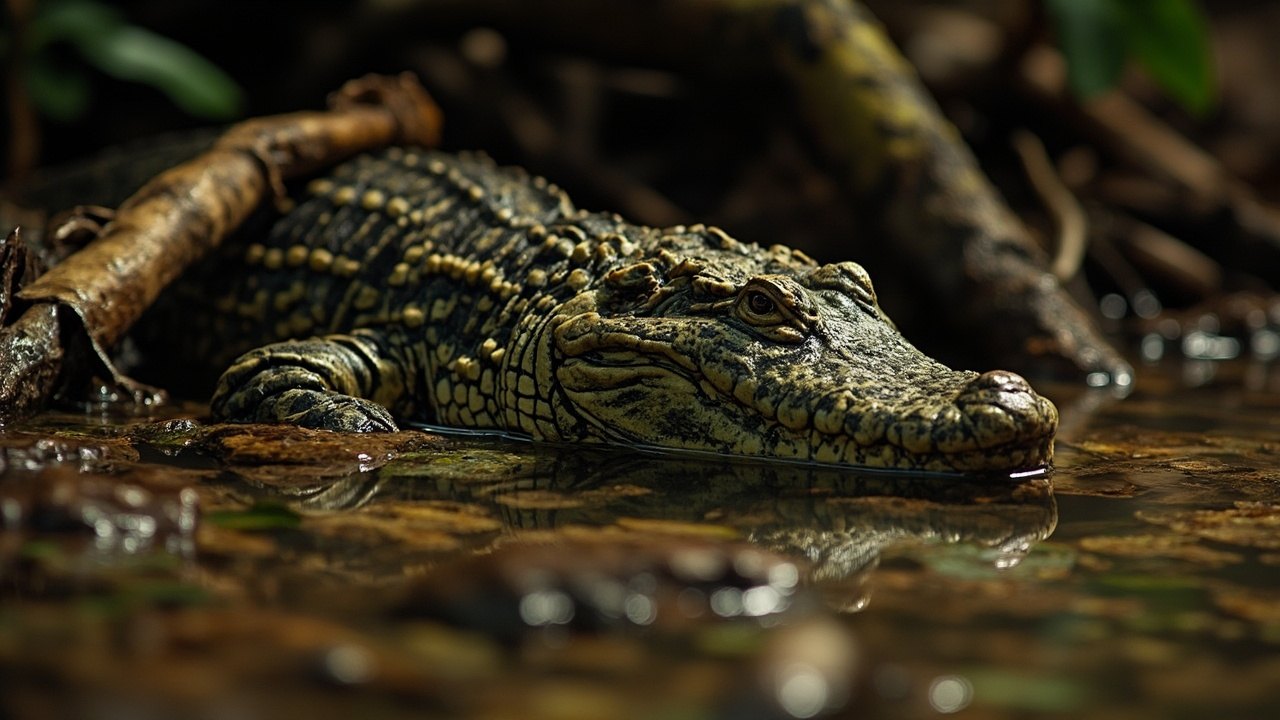
Wildlife is not a consumer product
Caimans have strong jaws, specialized needs and legal restrictions. General online enclosure dimensions, pair-housing rules and branded feeding recipes are not responsible advice for a crocodilian. Specialist institutions, permits and reptile-veterinary expertise are essential where lawful care is considered.
Protect freshwater habitat
Clean water, connected forested margins and reduced disturbance benefit many crocodilians. Never approach, feed or try to move a wild caiman.
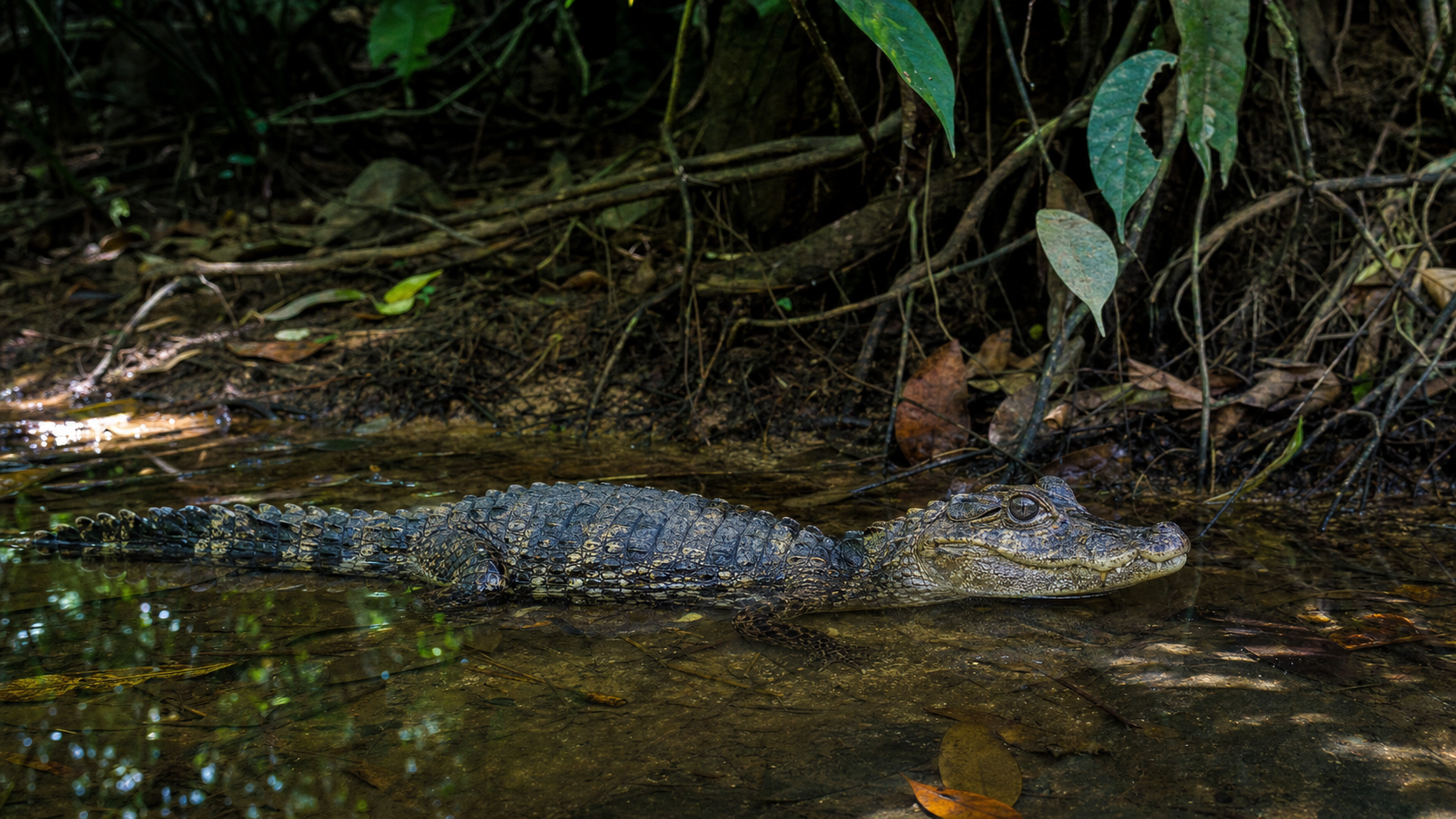
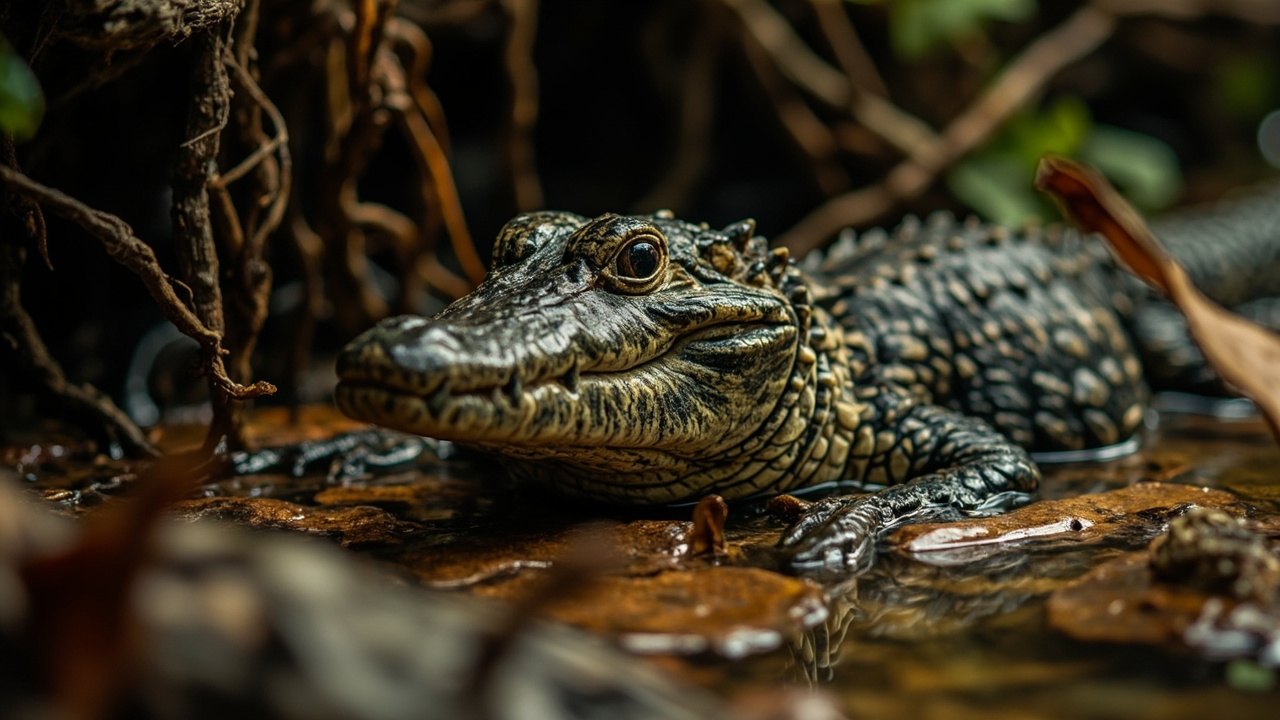
Use careful identification
South American crocodilians can be difficult to distinguish at a distance. A clear photograph taken safely is more useful than handling an animal for a closer look.
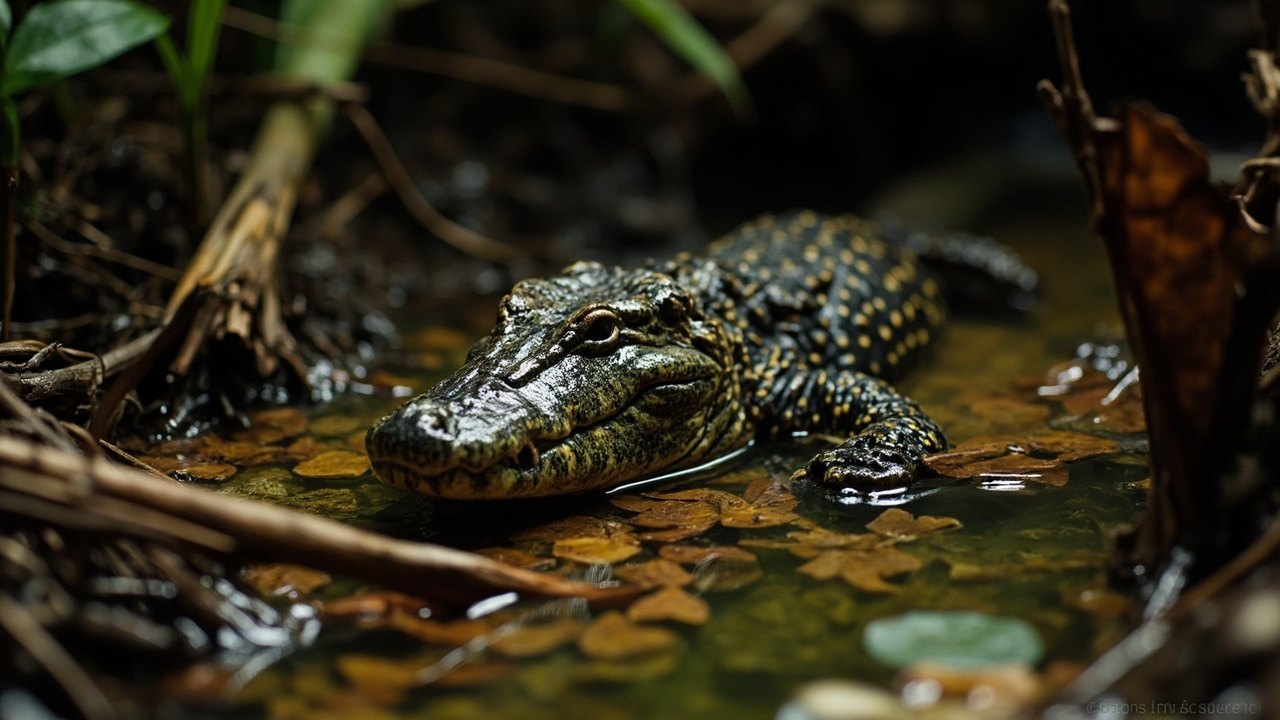
A Small Crocodilian Still Has a Broad Ecological Role
Paleosuchus palpebrosus uses freshwater habitats across a large part of South America, but a broad range does not mean that every river, pond or forest margin is interchangeable. Water depth, cover, prey, seasonal flooding and disturbance differ among sites. Records should name the drainage or region when possible rather than treating one local observation as a summary of the whole species.
Young and adult caimans can use different microhabitats and may be active at different times from the animals a visitor expects to see. A silent animal at the edge of water is still a wild crocodilian with defensive capacity. Its small size relative to other caimans is not a reason to approach or handle it.
Identification Benefits From More Than Size
South America has several crocodilian species, some of which overlap in parts of their ranges. Head shape, body pattern, location and habitat can all help an expert identification, while poor light or a distant image can hide the relevant features. A careful observation can remain unidentified when the evidence is not strong enough.
Freshwater Protection Has Local Effects
Riparian vegetation, clean water and connected wetland habitat provide cover and feeding opportunities for many species. Avoid feeding caimans, shining lights at close range or posting sensitive wildlife locations. Local conservation authorities can advise when a caiman appears near homes or public access points.
Sources and review notes
Reviewed 23 August 2026. Reptile biology is wonderfully variable. We have avoided turning one species, photograph or dramatic observation into a rule for an entire group, and we have used cautious wording where evidence or local conditions differ.
Reference starting points: The Reptile Database, The IUCN Red List of Threatened Species, and PubMed-indexed research. Conservation status, taxonomy and local laws can change, so check the linked databases and the relevant local authority for current information.
Spotted something we should revisit? Send Reptile Explorer a correction—thoughtful reader feedback is always welcome.