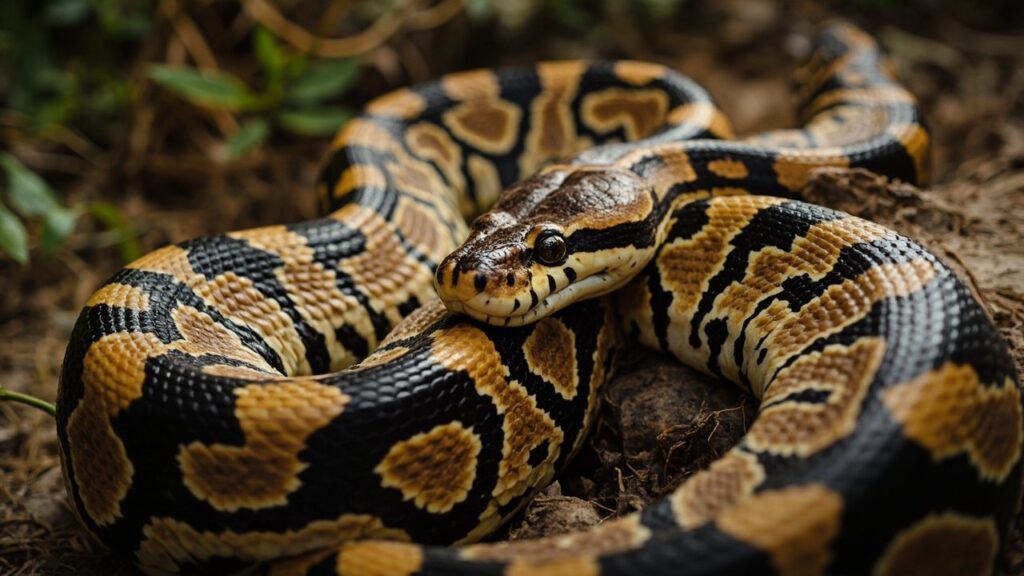
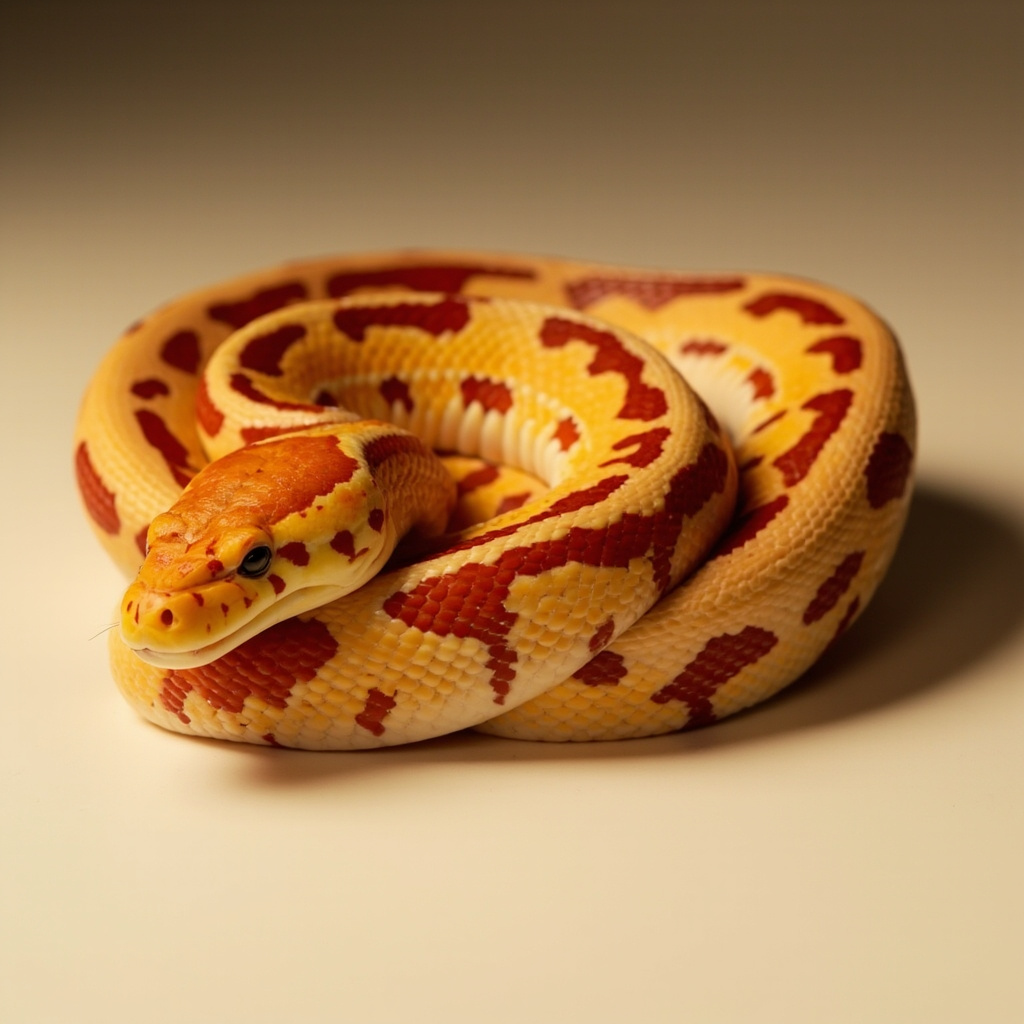
Boa constrictors are large, nonvenomous snakes known for ambush hunting and constriction. Their taxonomy and range are often oversimplified in pet-trade descriptions, so claims should distinguish Boa constrictor from related forms such as Boa imperator when location or care details matter.
How constriction works
Constriction does not simply suffocate prey. Experimental work in boas shows that pressure can rapidly impair circulation, making the process much faster than a simple lack of air. That does not make boas dangerous villains; it explains why their natural feeding behavior must be respected.
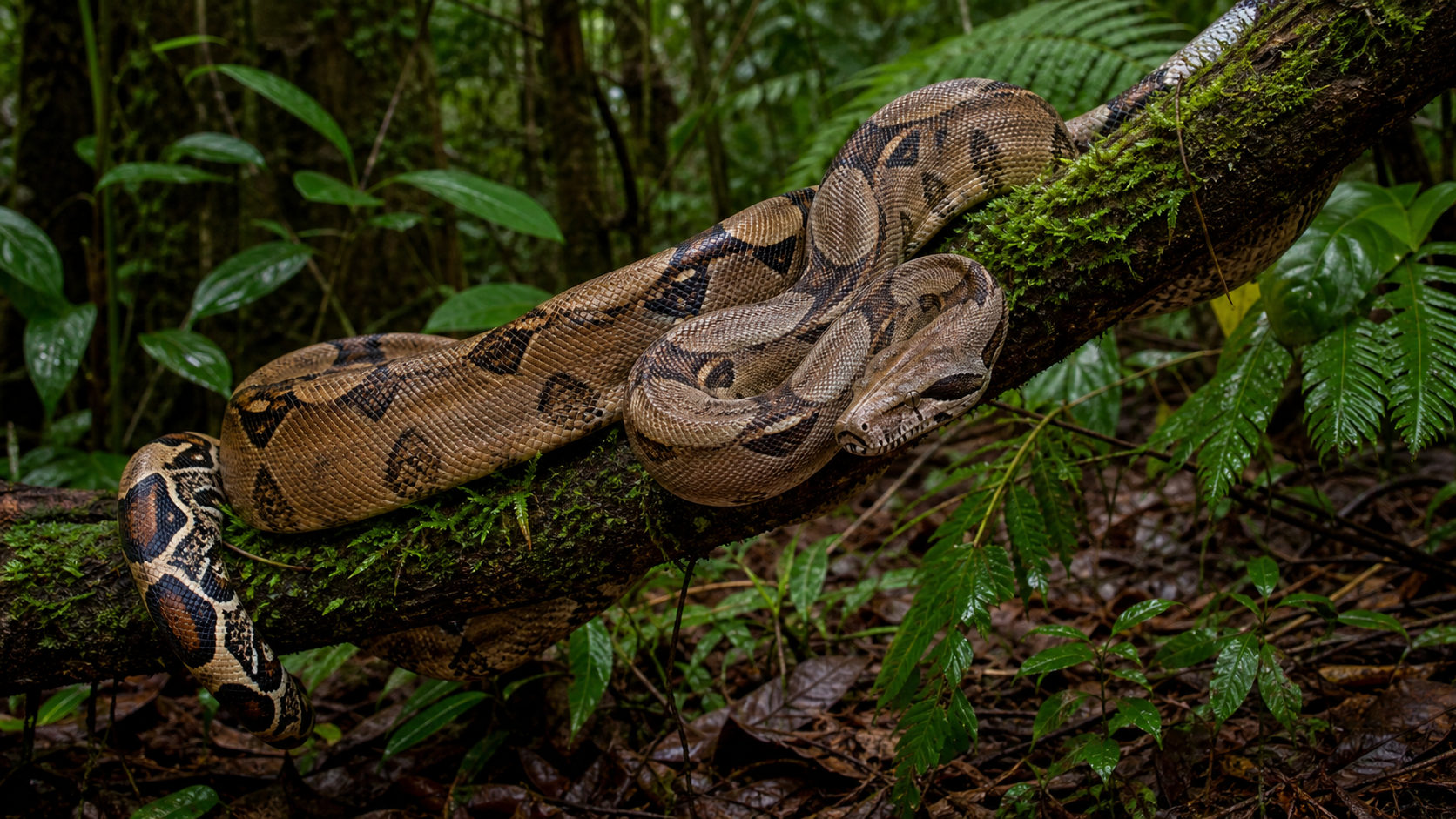
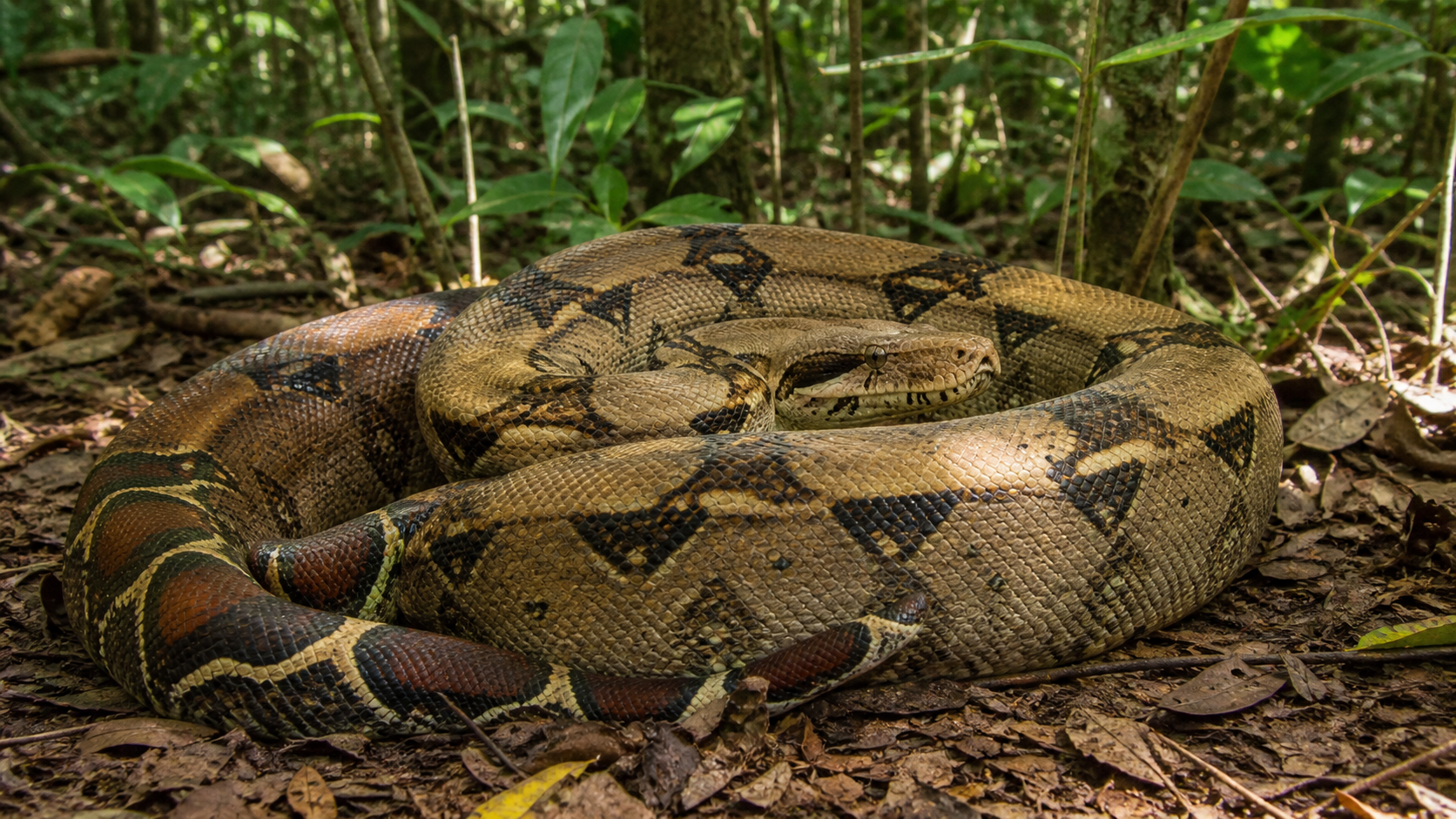
Size and behavior vary
Do not present a single maximum length, weight, breeding age, litter size or temperament as universal. Sex, locality, individual history and husbandry all matter. A snake that appears calm can still bite or constrict defensively if handled poorly.
Care and conservation
Wild animals should be observed from a distance. Captive boas need legal sourcing, secure housing and species-specific care from an experienced keeper and reptile veterinarian. Global conservation status does not erase local habitat loss or collection pressure.
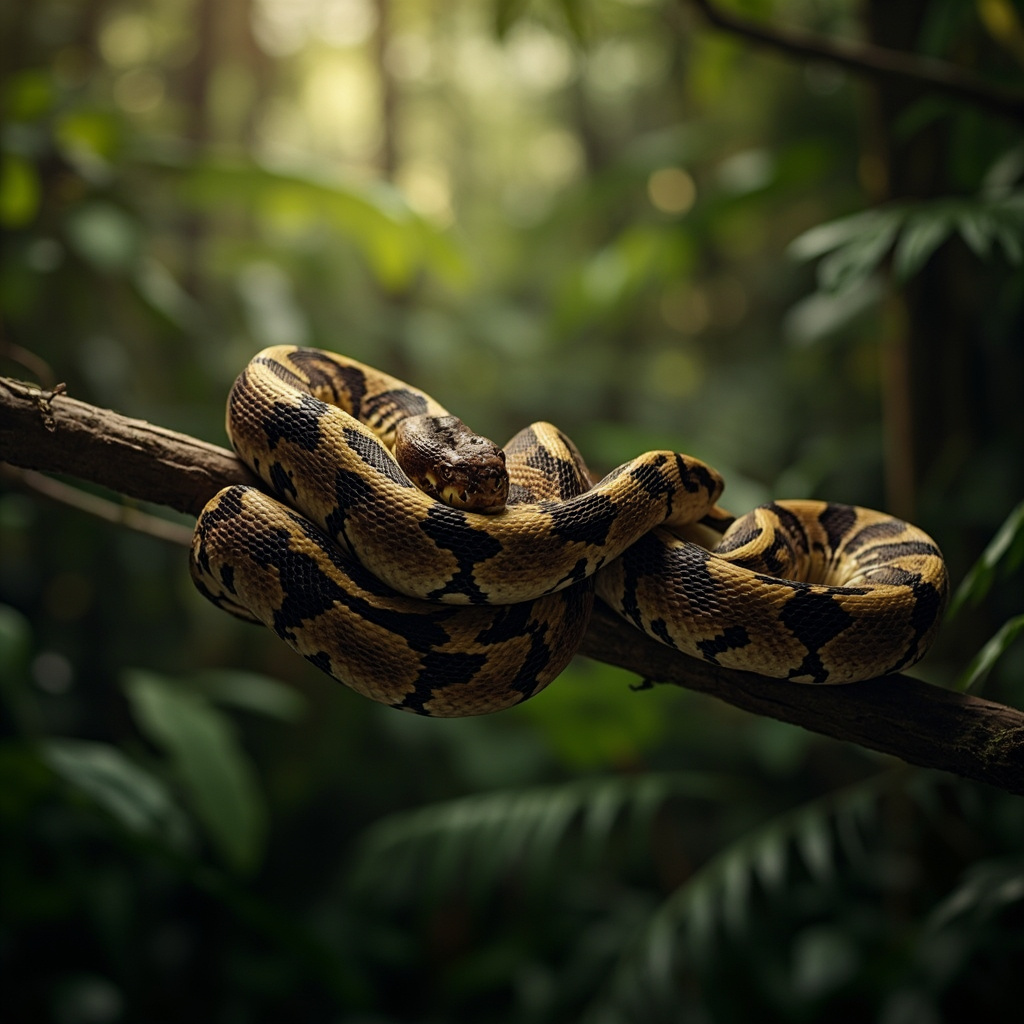
Safe interactions
Never handle a large constrictor alone, never drape one around a neck and never stage feeding or restraint for a photograph. Get qualified help for a snake that must be moved.
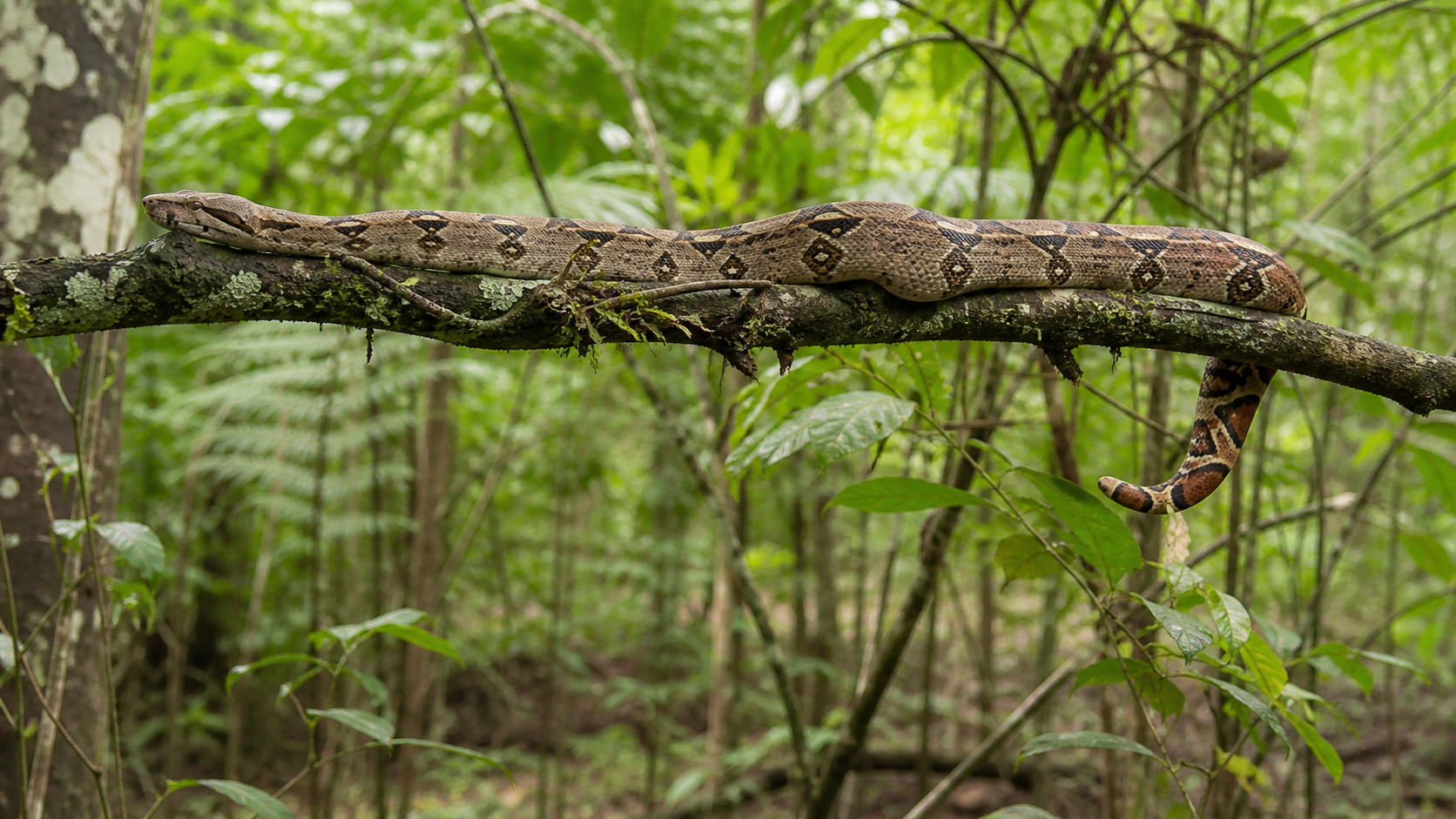
Taxonomy and Locality Need Care
The name boa constrictor is used broadly in conversation, yet care, range and conservation claims can depend on the exact taxon and locality. A responsible account keeps a field record tied to a verified location and does not turn a colour pattern or pet-trade label into proof of origin. This matters when comparing animals from different habitats or discussing lawful sourcing.
Natural History Helps Explain Housing
Boas use cover, changes in temperature and different levels of their habitat. Captive housing should give an individual secure places to rest and measured thermal choices rather than an empty enclosure built around display. Feeding, enclosure size and handling frequency should be reviewed together with body condition and veterinary advice, not adjusted from one online chart.
Large Snakes Need a Written Safety Plan
Before acquiring a large constrictor, a keeper should know who can provide experienced help, how a secure transfer container will be used and what happens during travel, an equipment failure or an emergency. Planning protects the snake and reduces the chance that a manageable situation becomes a rushed interaction.
Sources and review notes
Reviewed 23 August 2026. Reptile biology is wonderfully variable. We have avoided turning one species, photograph or dramatic observation into a rule for an entire group, and we have used cautious wording where evidence or local conditions differ.
Reference starting points: The Reptile Database, The IUCN Red List of Threatened Species, and PubMed-indexed research. Conservation status, taxonomy and local laws can change, so check the linked databases and the relevant local authority for current information.
Spotted something we should revisit? Send Reptile Explorer a correction—thoughtful reader feedback is always welcome.