What garter snakes do in a garden
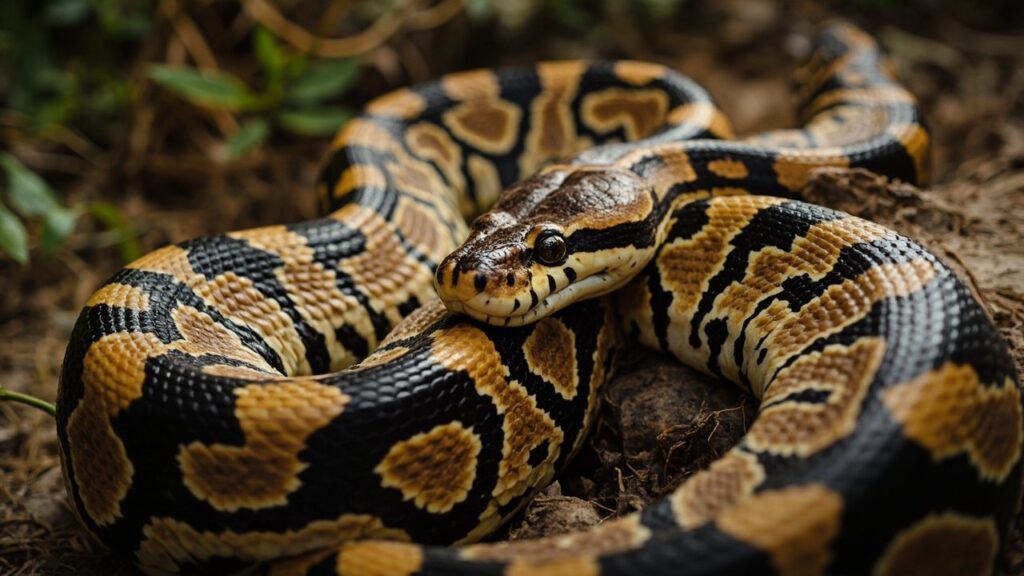
Garter snakes are native wildlife in many North American gardens, especially where cover and nearby moisture support their prey. Diet differs by species and place, but may include earthworms, amphibians, fish, slugs and small vertebrates. A garden snake is part of a food web, not a guaranteed pest-control service, so it should not be treated as a replacement for sound garden management.

Make space without trying to collect wildlife
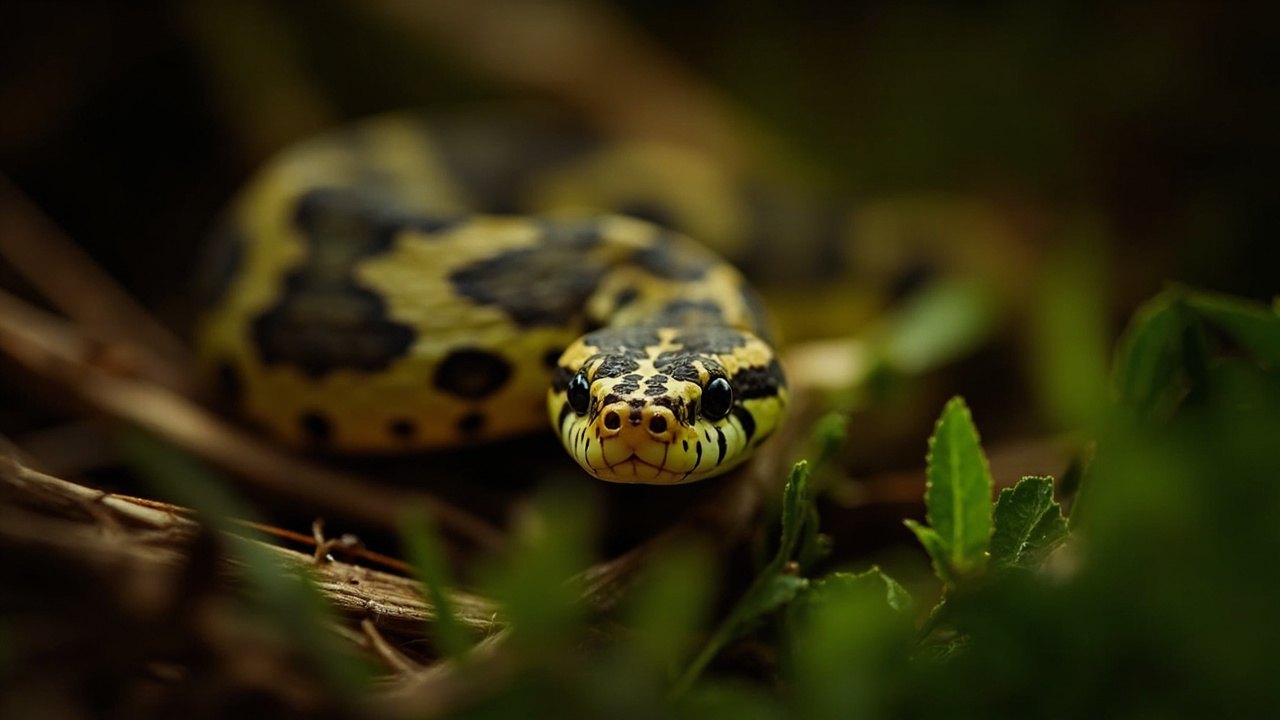
Native vegetation, leaf litter, logs and rock features can provide shelter for many small animals, including snakes. Avoid routine pesticide use where possible, follow label directions when treatment is necessary, and do not feed, trap or relocate snakes simply to “attract” them. Local wildlife rules and the needs of nearby neighbours should guide any habitat project.
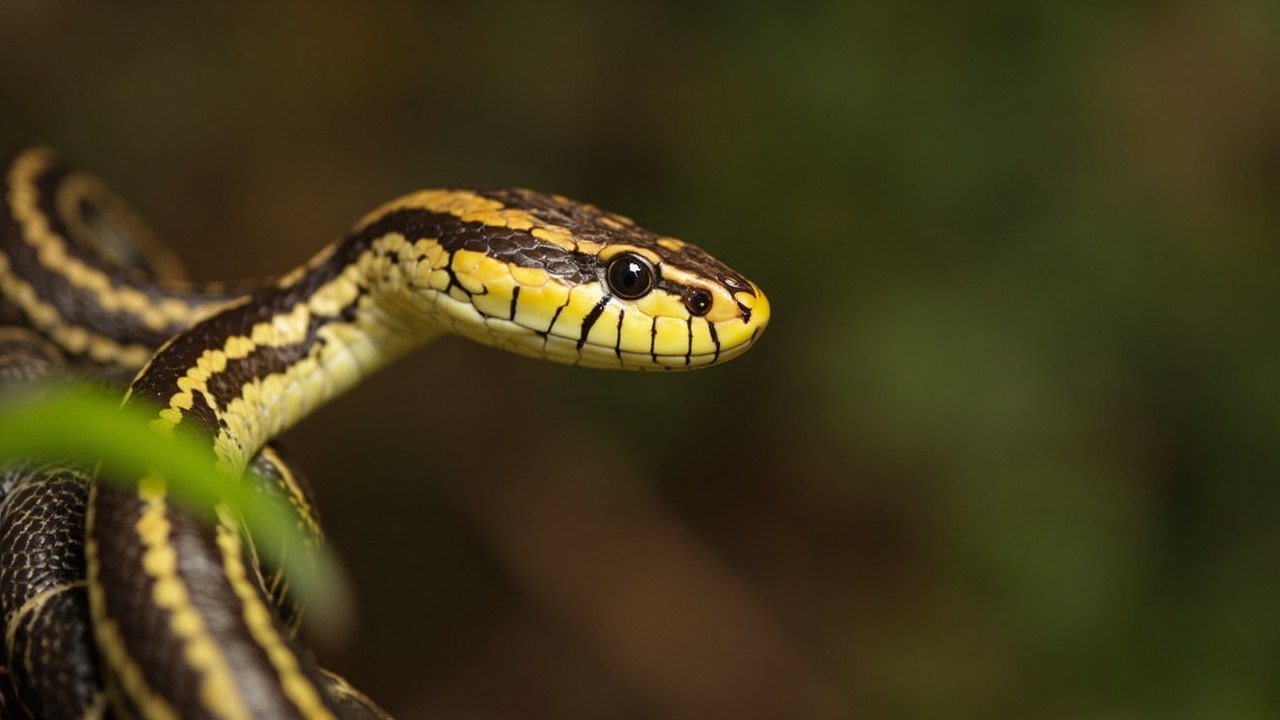
Share the space safely
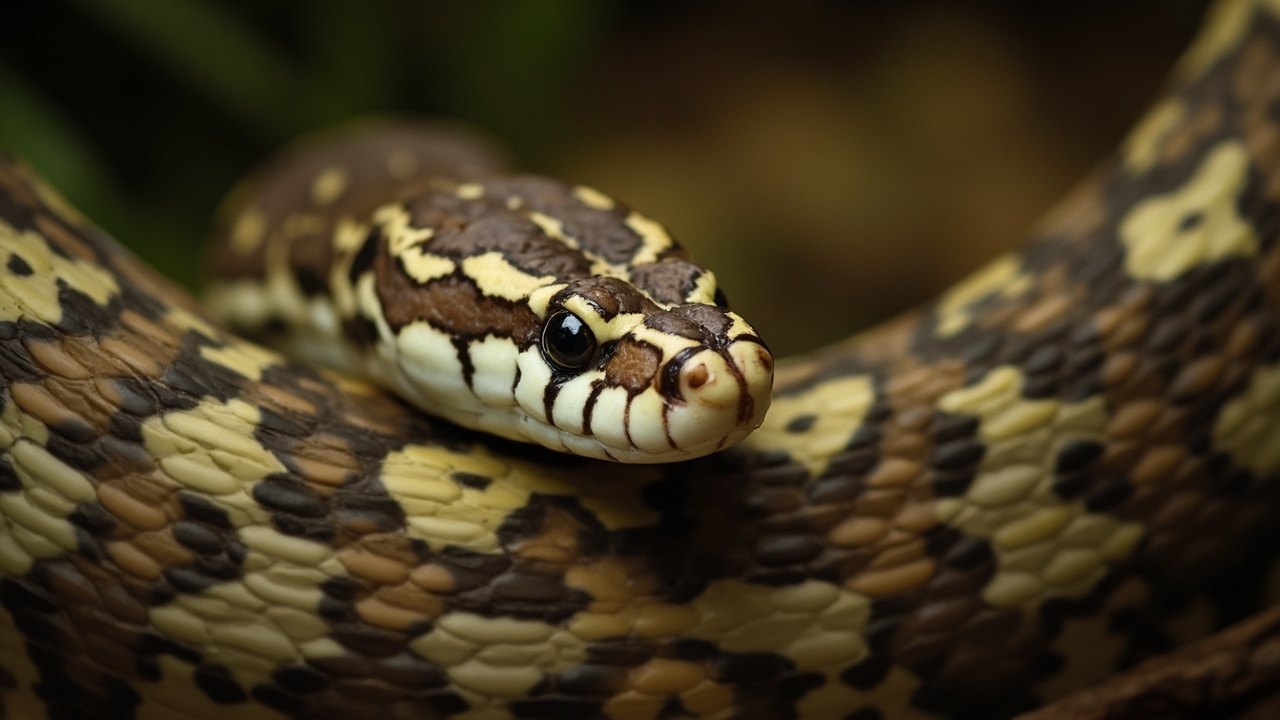
Observe from a distance and teach children and pets to leave snakes alone. Garter snakes usually avoid people, but a stressed animal may bite or release musk. If a bite occurs, wash it with soap and water and seek medical advice if there is persistent swelling, signs of infection or concern about an allergic reaction. Contact a licensed local wildlife professional for a genuine conflict.
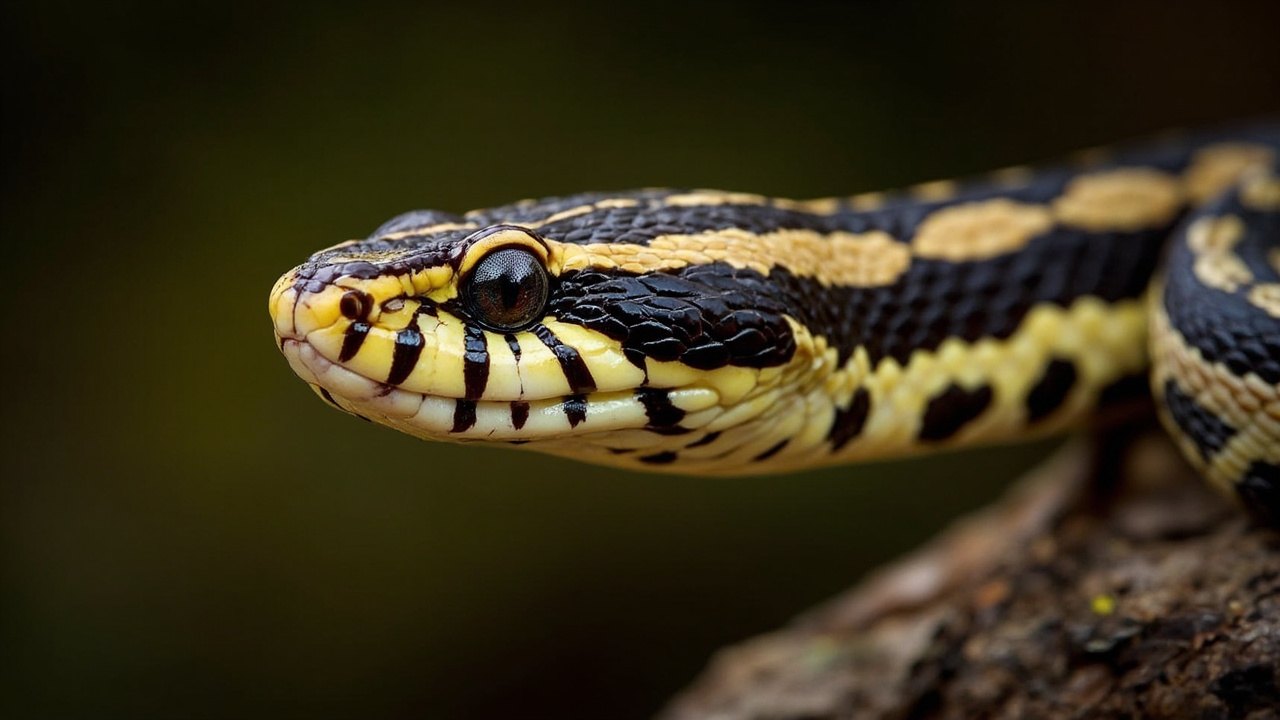
Garden Snakes Reflect Their Surroundings
Garter snakes may use gardens that provide cover and nearby prey, but the species present and their diet vary by region. A sighting can reflect a connected patch of vegetation, a water source or a seasonal movement route. It does not prove that a garden is free of pests or that every snake in the area is a garter snake.
Leaf litter, logs and native vegetation can support many small animals. These features should be maintained with an awareness of local rules, neighbours and the needs of other wildlife. Do not create a feeding station or trap snakes to make them appear for visitors.
Identification Is Best Left to Local Evidence
Several snake species can have stripes or similar colours. A photograph taken from a safe distance, together with a general location, is more useful than attempting to pick up a snake. If there is doubt about a species, keep people and pets away and ask a local wildlife professional.
Relocation Can Create New Risks
Moving a snake away from the area it knows can expose it to roads, predators and unfamiliar shelter. A genuine conflict should be handled through the relevant authority, not by releasing the animal in a park or distant property.
Sources and review notes
Reviewed 23 August 2026. This article includes an amphibian because herpetology studies reptiles and amphibians together. We say that plainly so the relationship is interesting without blurring the difference between the two groups.
Reference starting points: AmphibiaWeb, The IUCN Red List of Threatened Species, and PubMed-indexed research. Conservation status, taxonomy and local laws can change, so check the linked databases and the relevant local authority for current information.
Spotted something we should revisit? Send Reptile Explorer a correction—thoughtful reader feedback is always welcome.