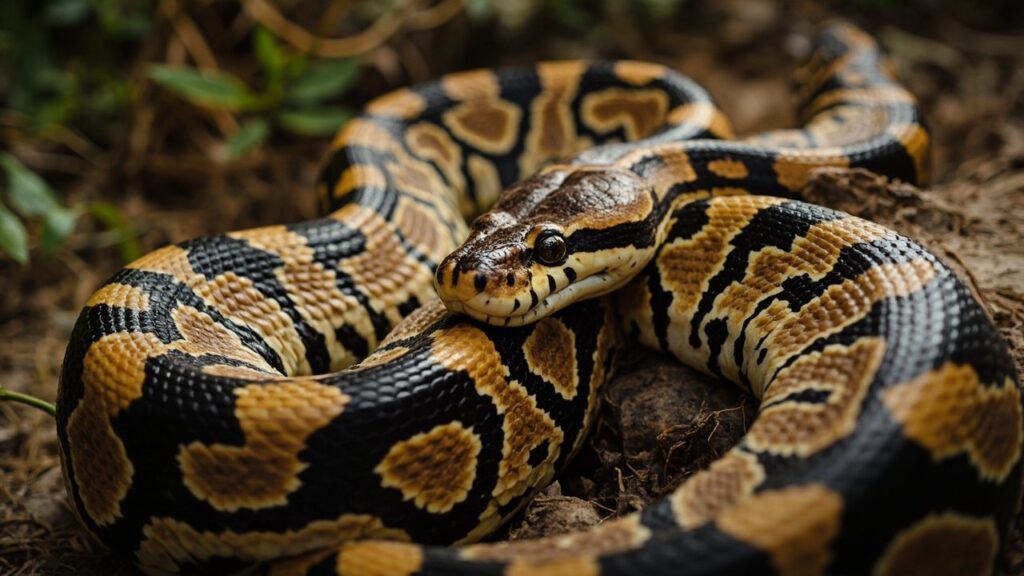
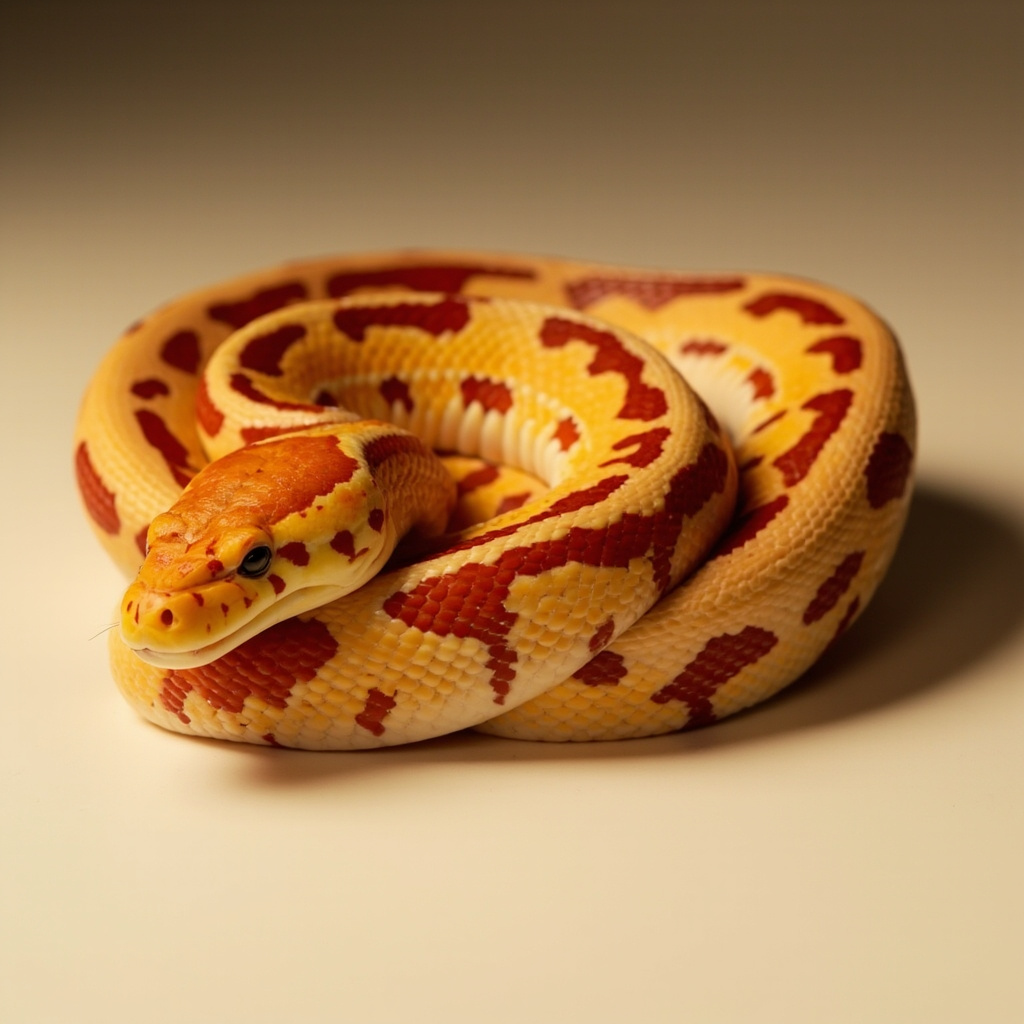
A Dramatic Defensive Display
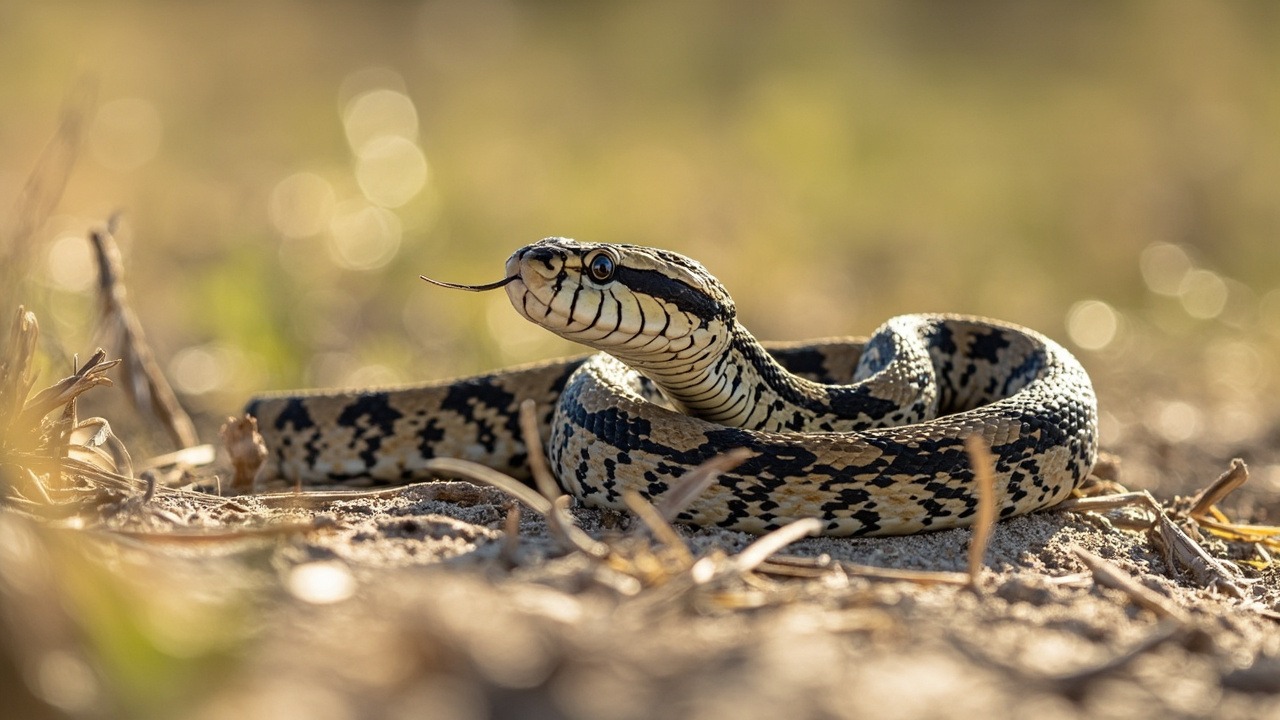
The eastern hognose snake, Heterodon platirhinos, is known for an exaggerated response to danger. It may hiss, flatten its head and neck, and make defensive lunges. These actions are best described as a bluff display rather than proof that the snake is mimicking a cobra.
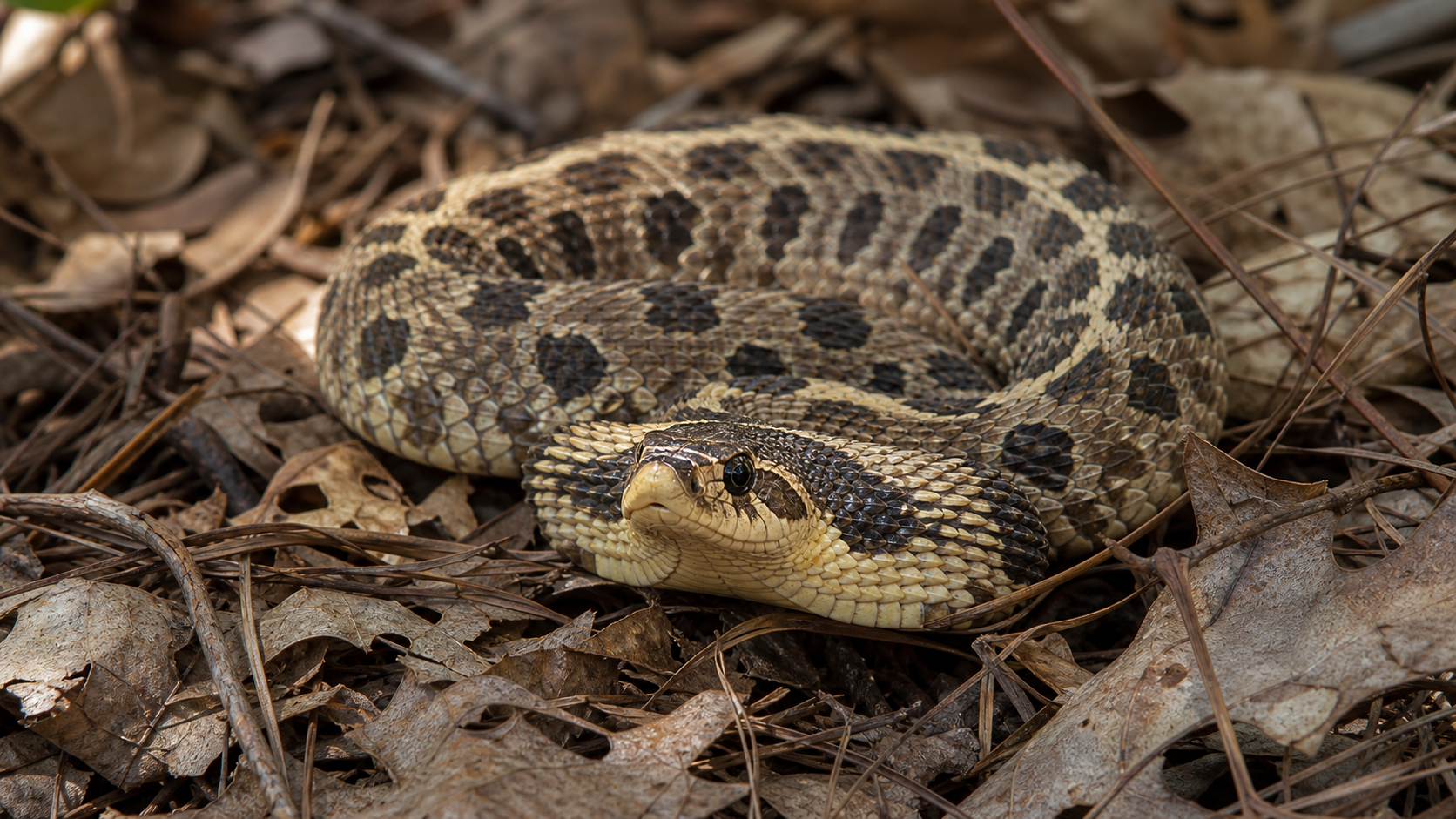
When the Bluff Does Not Work
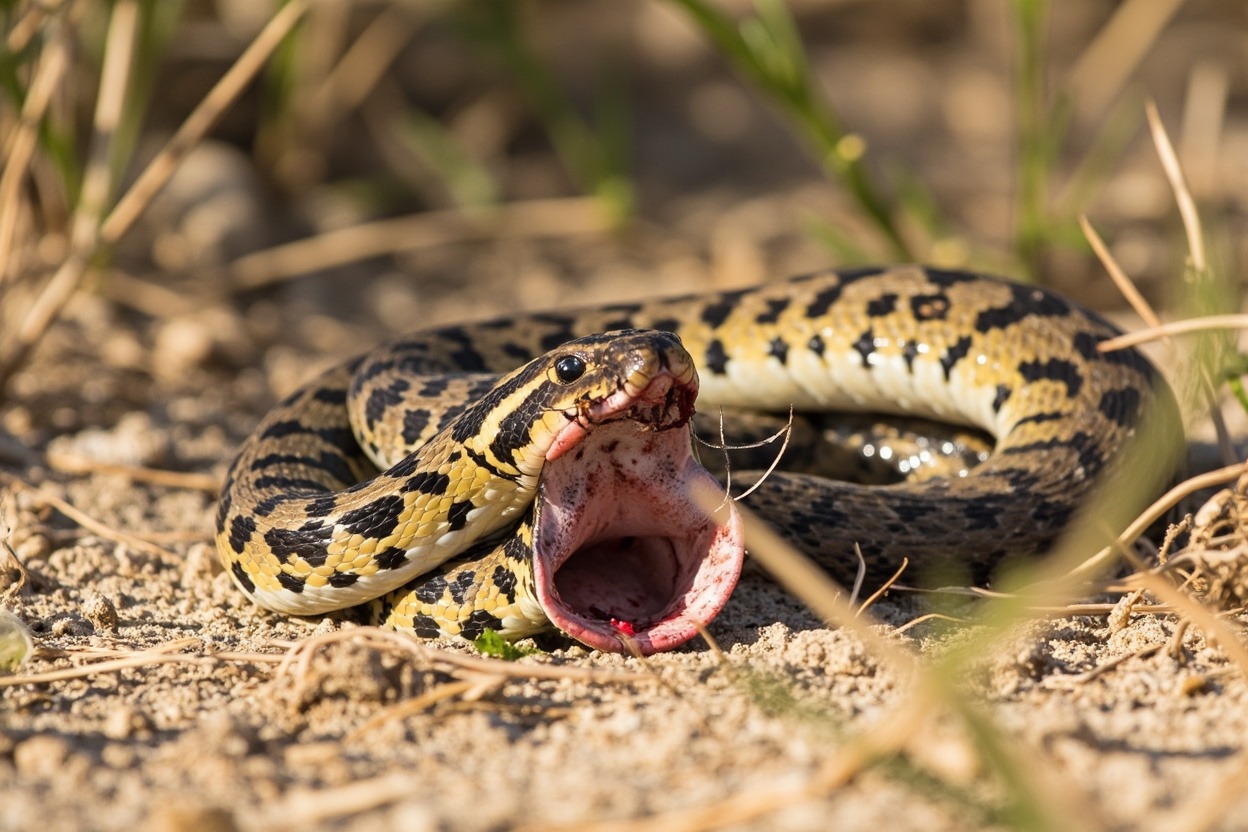
If a threat continues, an eastern hognose snake may roll onto its back, become limp, and appear dead. This behaviour is called thanatosis. It may also release musk, making the animal seem unpalatable or unsafe to a potential predator.
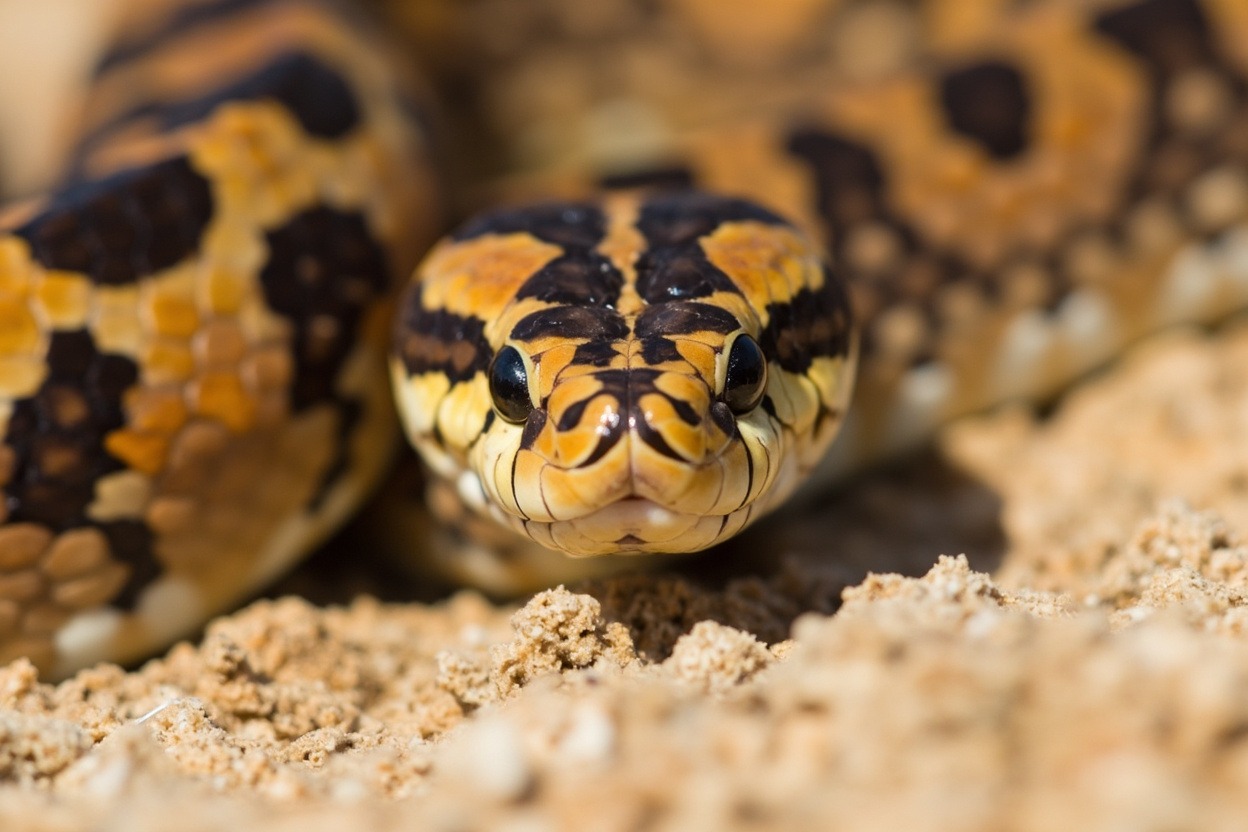
An Upturned Snout for Digging
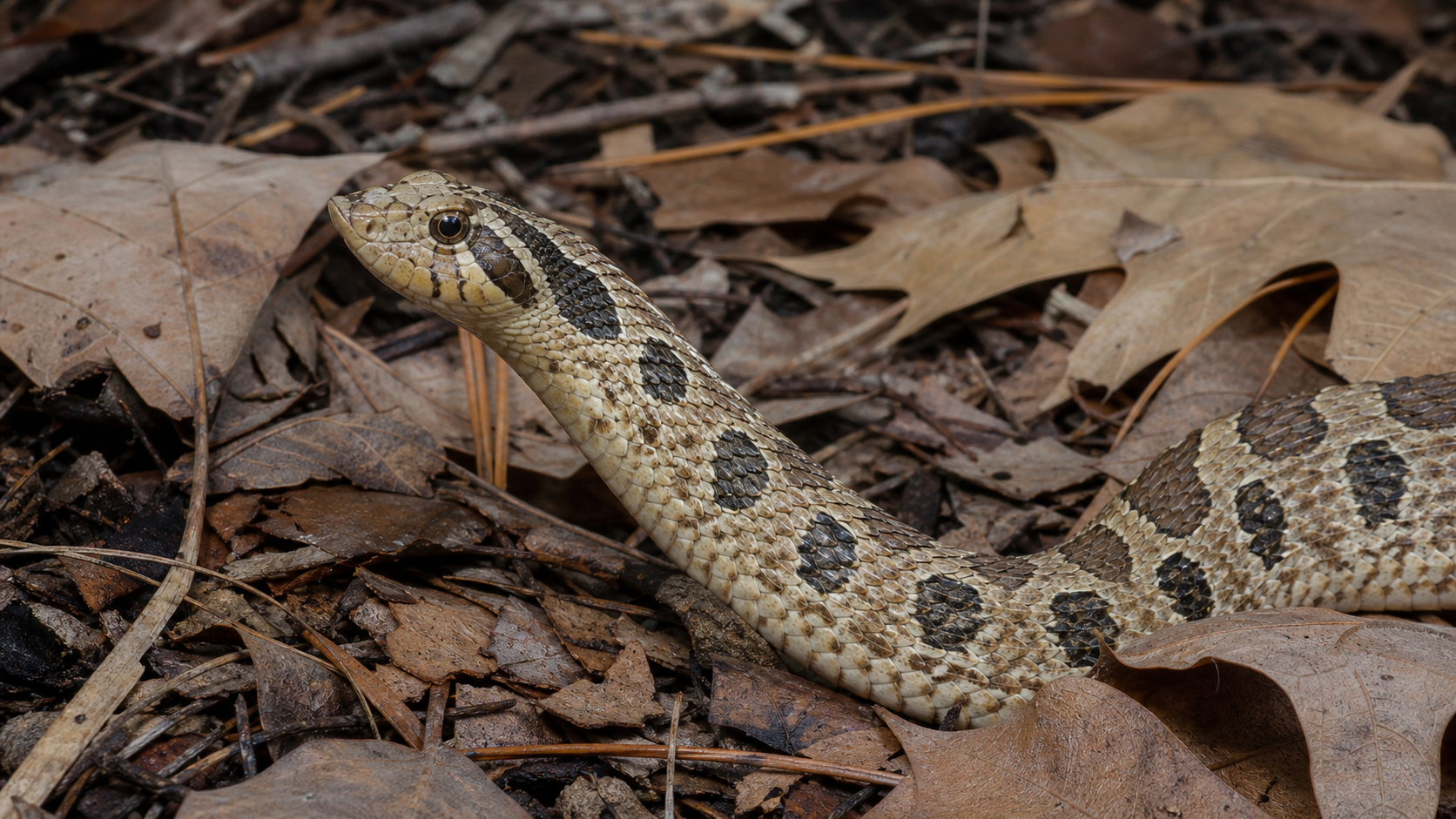
The hognose snake’s upturned snout helps it work through loose soil and leaf litter. Eastern hognose snakes are especially associated with toad prey, and their digging behaviour can help them search for food and shelter. Wild snakes should be observed without provoking a defensive display.
Defence is not an invitation to interact
An eastern hognose snake may cycle through several defensive behaviours when it feels trapped. Hissing, flattening the neck, mock strikes, rolling over, and releasing musk are intended to end an encounter. Repeated handling for photographs can make the display last longer and adds stress to the animal. The best response is to step back, allow a clear escape route, and enjoy the behaviour without trying to make it happen again.
Colour and pattern are variable in eastern hognose snakes. Some individuals are boldly marked, while others are darker or less distinct, so an upturned snout alone should not be used to identify every snake. Range, body form, pattern, habitat, and a current regional field guide provide better context. If there is doubt, treat the animal as unknown and leave it alone. This avoids both misidentification and unnecessary handling.
Loose soils support a specialized way of life
The upturned snout helps an eastern hognose snake push through loose soil, leaf litter, and sand while looking for food or shelter. Toads are well-known prey, but a local diet can include other small animals. Healthy populations therefore depend on connected ground cover, suitable prey, and places to shelter. Pesticide misuse, road traffic, and persecution can create local pressure. A calm record of a wild hognose snake is more helpful than a dramatic story about danger, because its defensive display is part of normal behaviour, not evidence that it is seeking conflict.
Sources and review notes
Reviewed 23 August 2026. Reptile biology is wonderfully variable. We have avoided turning one species, photograph or dramatic observation into a rule for an entire group, and we have used cautious wording where evidence or local conditions differ.
Reference starting points: The Reptile Database, The IUCN Red List of Threatened Species, and PubMed-indexed research. Conservation status, taxonomy and local laws can change, so check the linked databases and the relevant local authority for current information.
Spotted something we should revisit? Send Reptile Explorer a correction—thoughtful reader feedback is always welcome.