Life in a Coastal Fog Desert
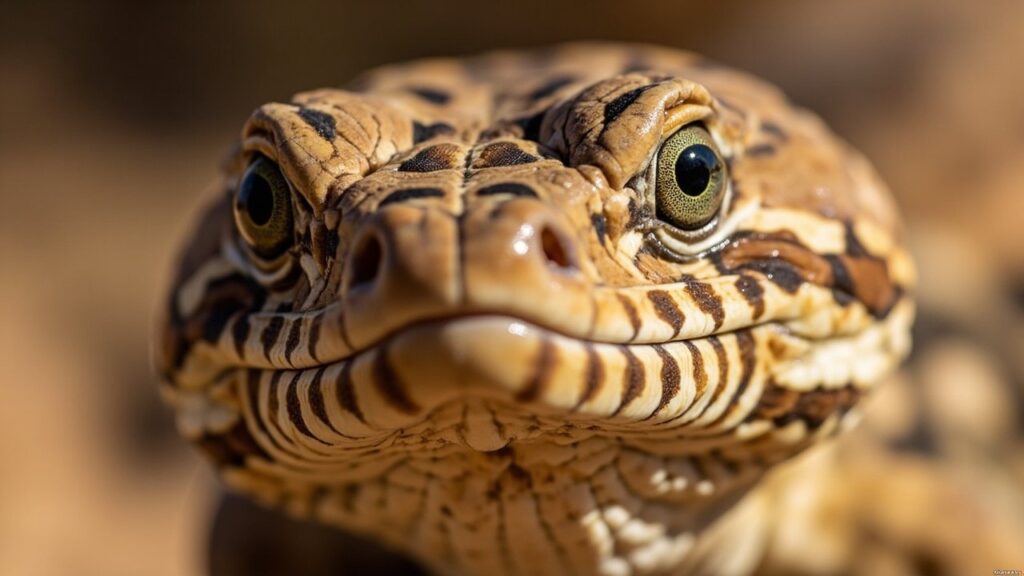
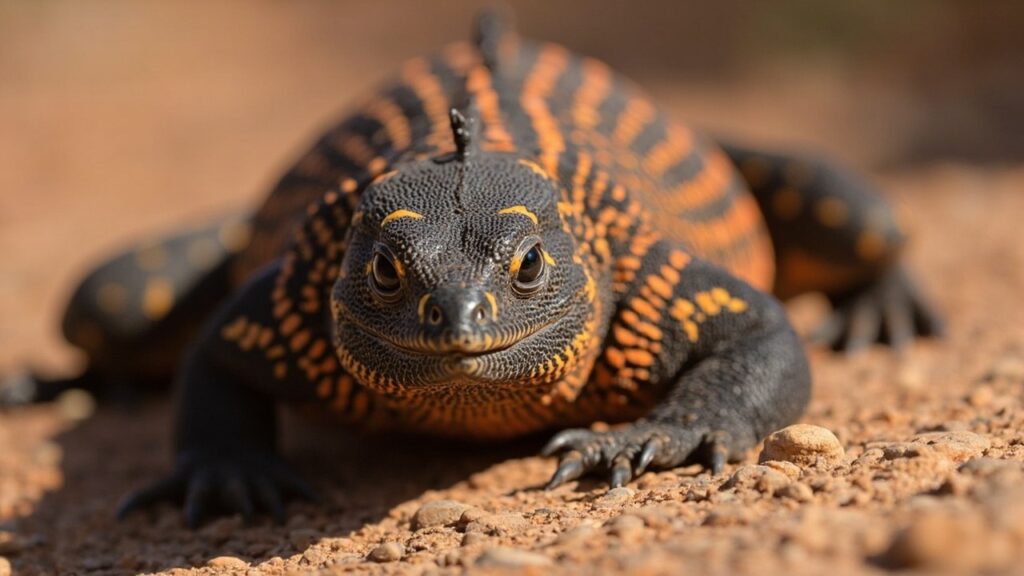
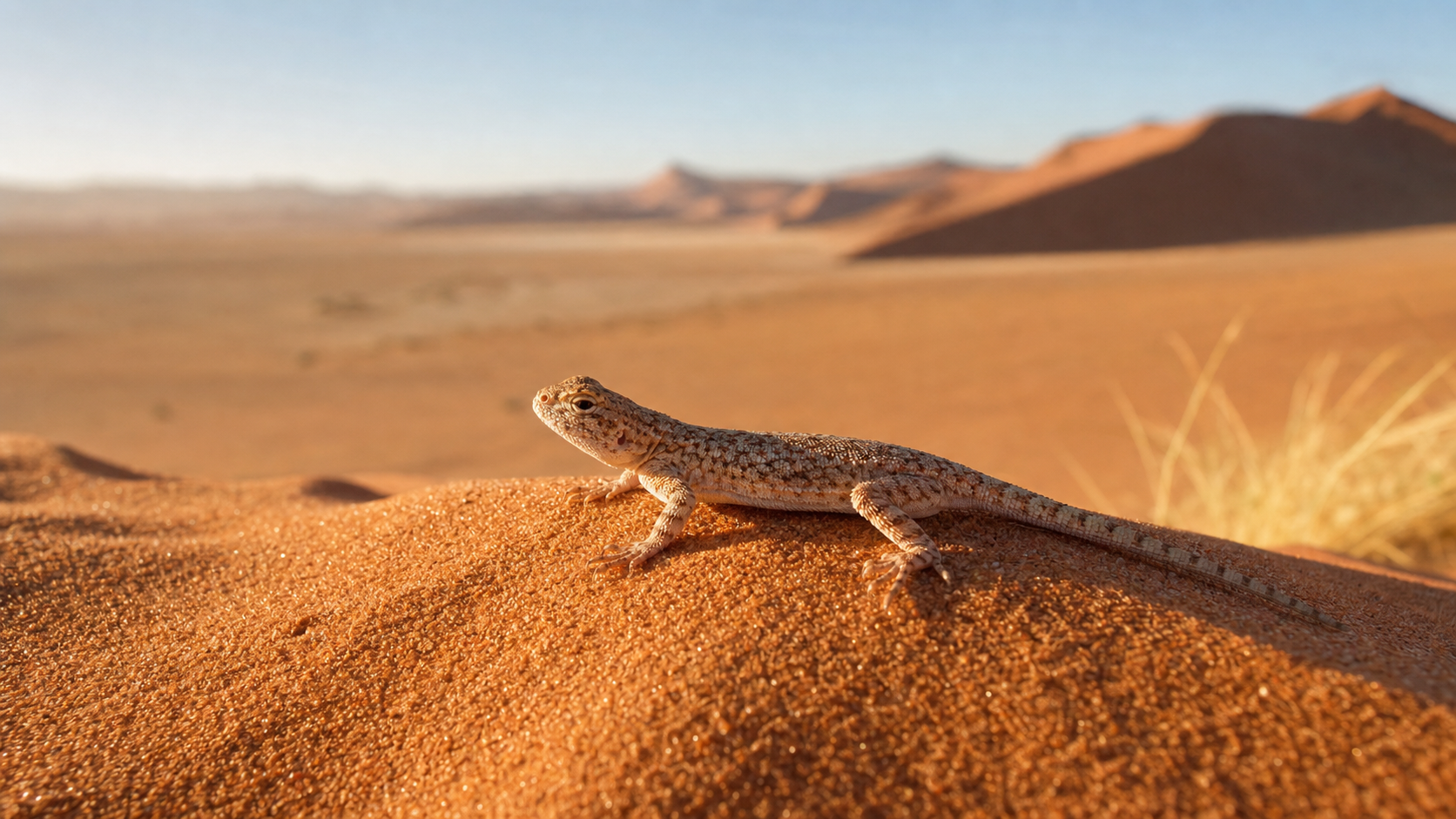
The Namib is a hyper-arid coastal desert shaped by wind, shifting sand, rocky outcrops, and recurring fog. Reptiles survive there by using narrow windows of suitable temperature and moisture, often relying on shelter and timing rather than constant activity in the open.

Microhabitats Make the Difference
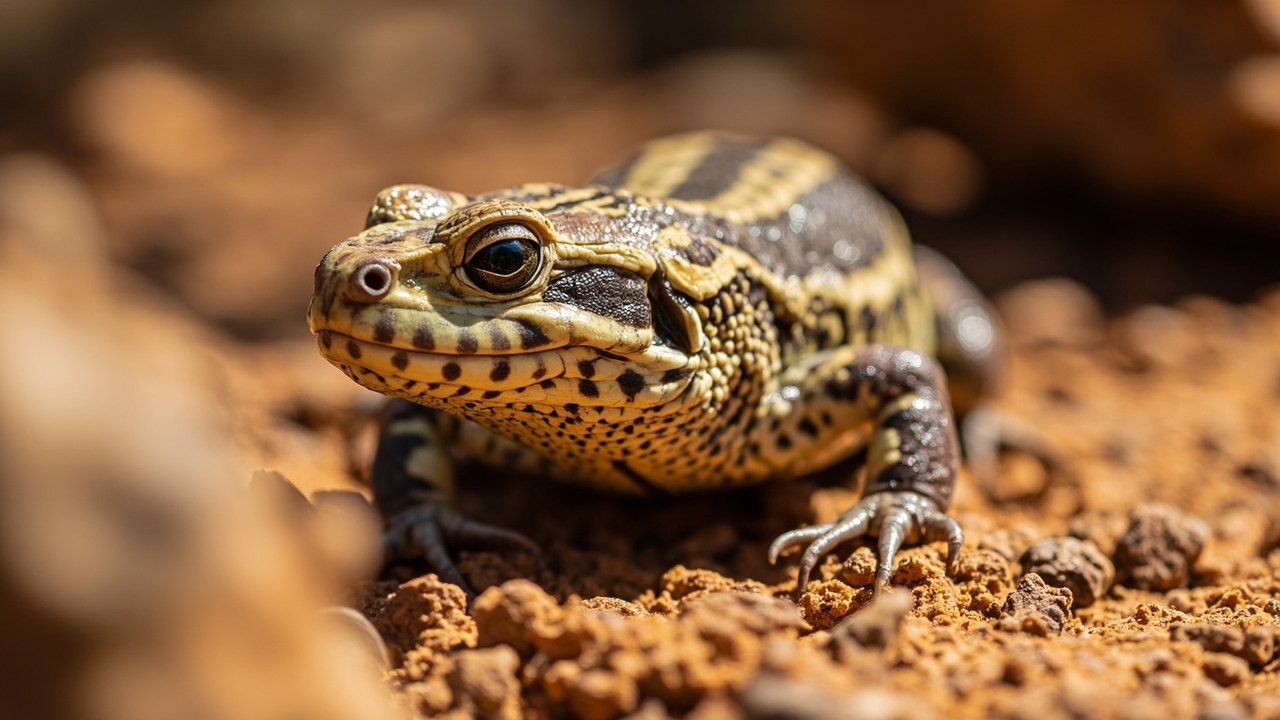
Dune slopes, gravel plains, rocky inselbergs, dry river courses, and vegetation patches create different conditions within the same desert. Lizards, geckos, snakes, and skinks occupy these microhabitats in different ways, using shade, burrows, sand, or crevices to manage heat and avoid predators.
Protecting a Specialized Fauna
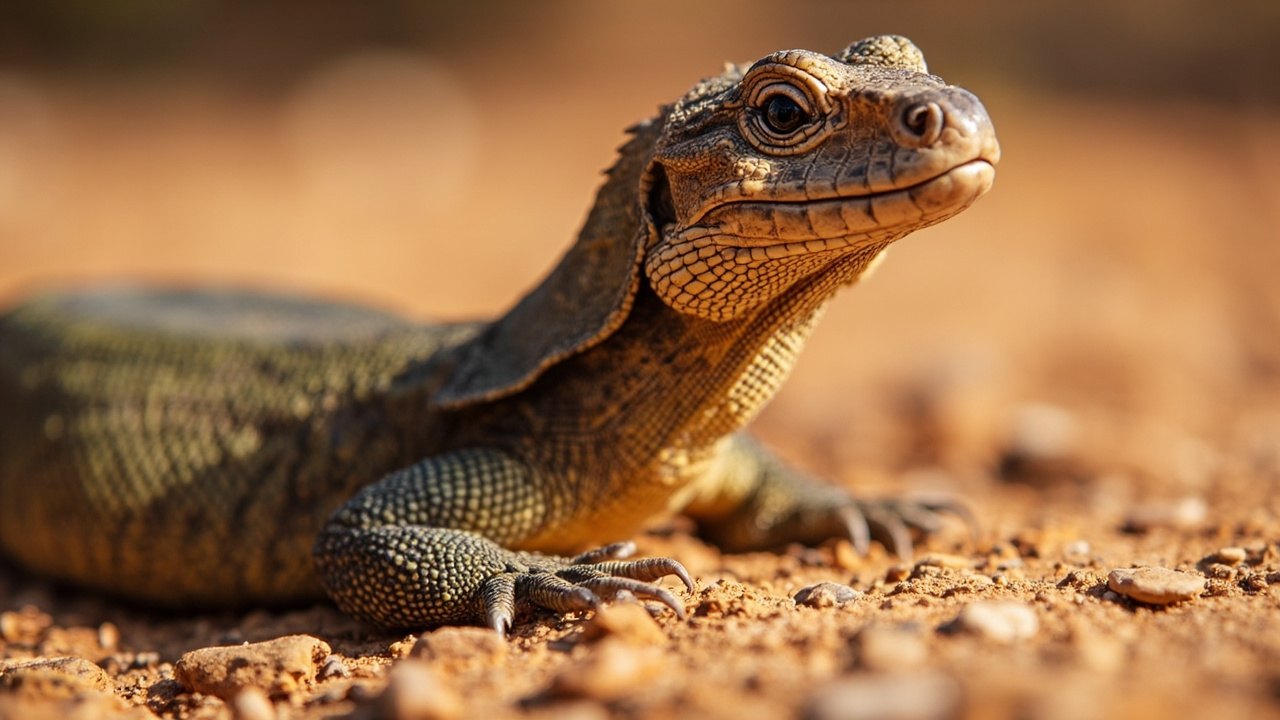
Many Namib reptiles have small ranges or highly specialized habitat needs. Off-road traffic, extraction, poorly planned development, and climate-driven changes to local conditions can damage those habitats. Conservation should protect intact desert processes as well as the animals visible on the surface.
Fog Is Part of a Larger Namib Climate Pattern
Coastal fog can add moisture to parts of the Namib, but its frequency and influence vary across the desert. Temperature, wind, sand movement, rainfall and distance from the coast also shape the conditions an animal experiences. It is misleading to treat fog as a universal water source for every reptile. Species differ in when they are active, where they shelter and how they obtain moisture from food or local environmental conditions.
Surface Type Changes the Available Refuge
Fine sand, gravel plains, rocky outcrops and dry river courses do not warm and cool in the same way. A burrowing lizard or gecko may use the temperature below the surface, while a rock-dwelling species may depend on cracks and shaded faces. Sparse vegetation can also create cover and influence prey. These differences explain why a site that appears uniformly barren from a distance can support several distinct reptile communities.
Conservation Must Protect the Places Species Actually Use
Vehicle tracks can compact or disturb sand and break fragile surface features. Extraction and construction can remove rocky refuges or alter drainage, while climate shifts may change the timing of fog and heat. Site surveys should record species, microhabitat and season before management decisions are made. Protecting dunes alone will not help a reptile whose key refuge is a gravel plain or a riverbank, and a broad desert label should not replace field evidence.
Sources and review notes
Reviewed 23 August 2026. Reptile biology is wonderfully variable. We have avoided turning one species, photograph or dramatic observation into a rule for an entire group, and we have used cautious wording where evidence or local conditions differ.
Reference starting points: The Reptile Database, The IUCN Red List of Threatened Species, and PubMed-indexed research. Conservation status, taxonomy and local laws can change, so check the linked databases and the relevant local authority for current information.
Spotted something we should revisit? Send Reptile Explorer a correction—thoughtful reader feedback is always welcome.