A Familiar Freshwater Turtle
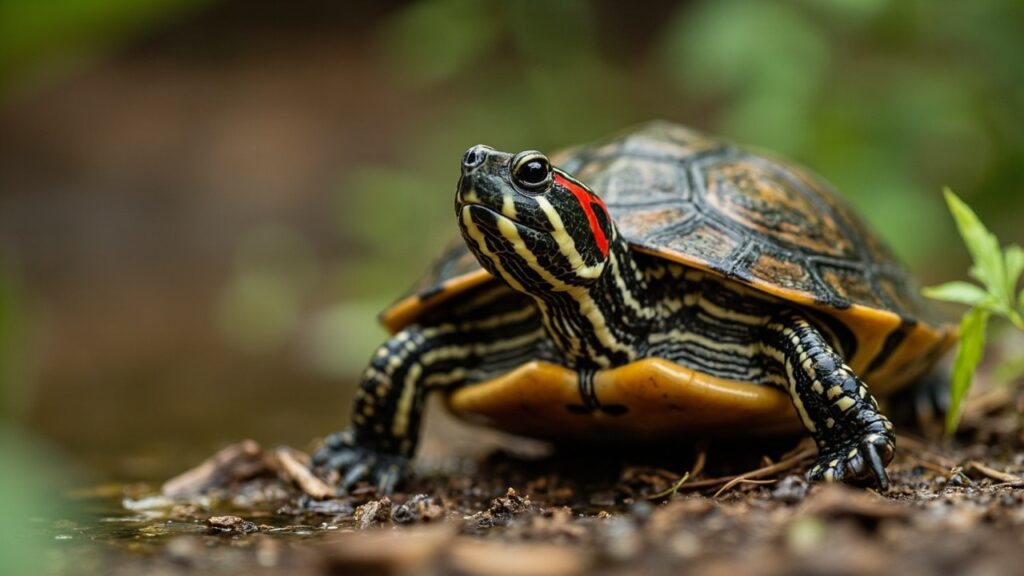
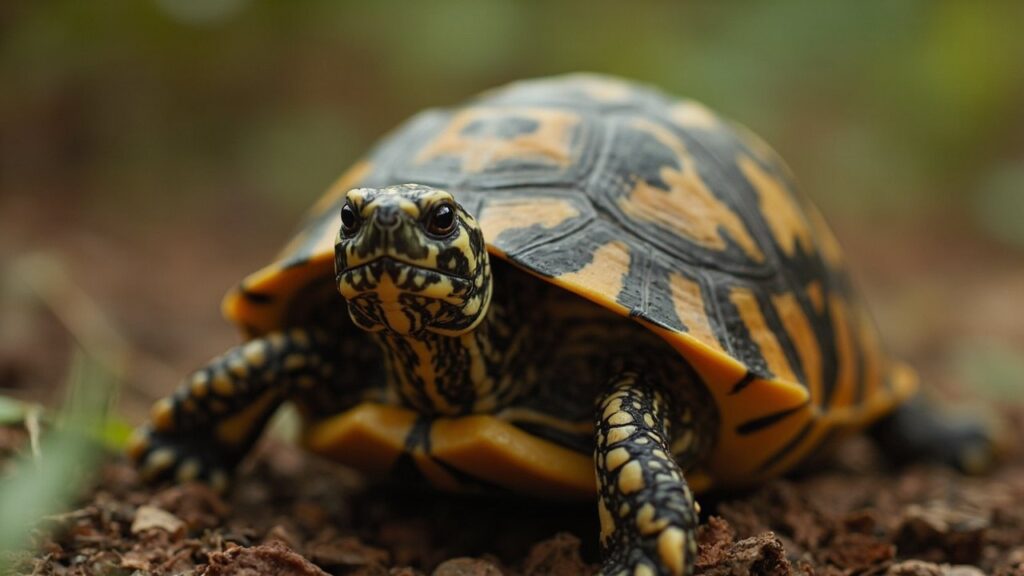
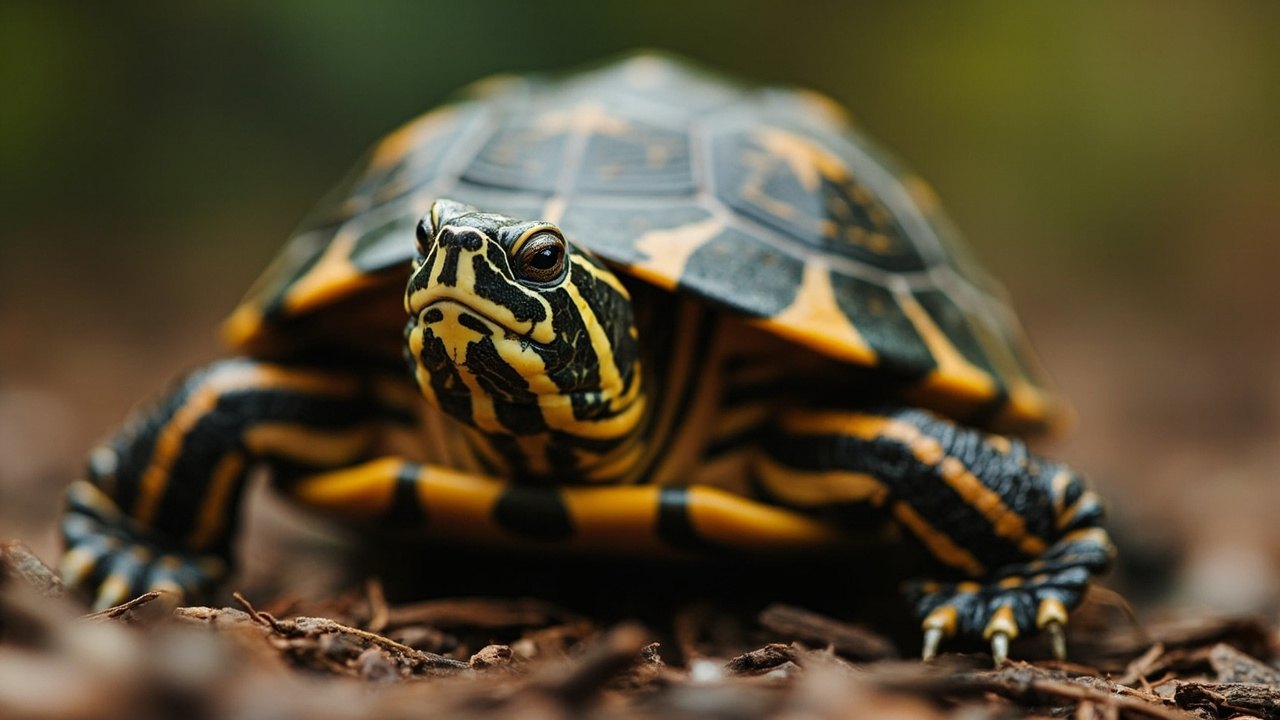
The painted turtle (Chrysemys picta) is one of North America’s most widespread freshwater turtles. Its dark shell and skin are marked with yellow and red lines that give the species its name. Individuals are often seen basking on logs or banks, then slipping quickly into the water when they detect disturbance.

Wetland Life and Seasonal Behaviour
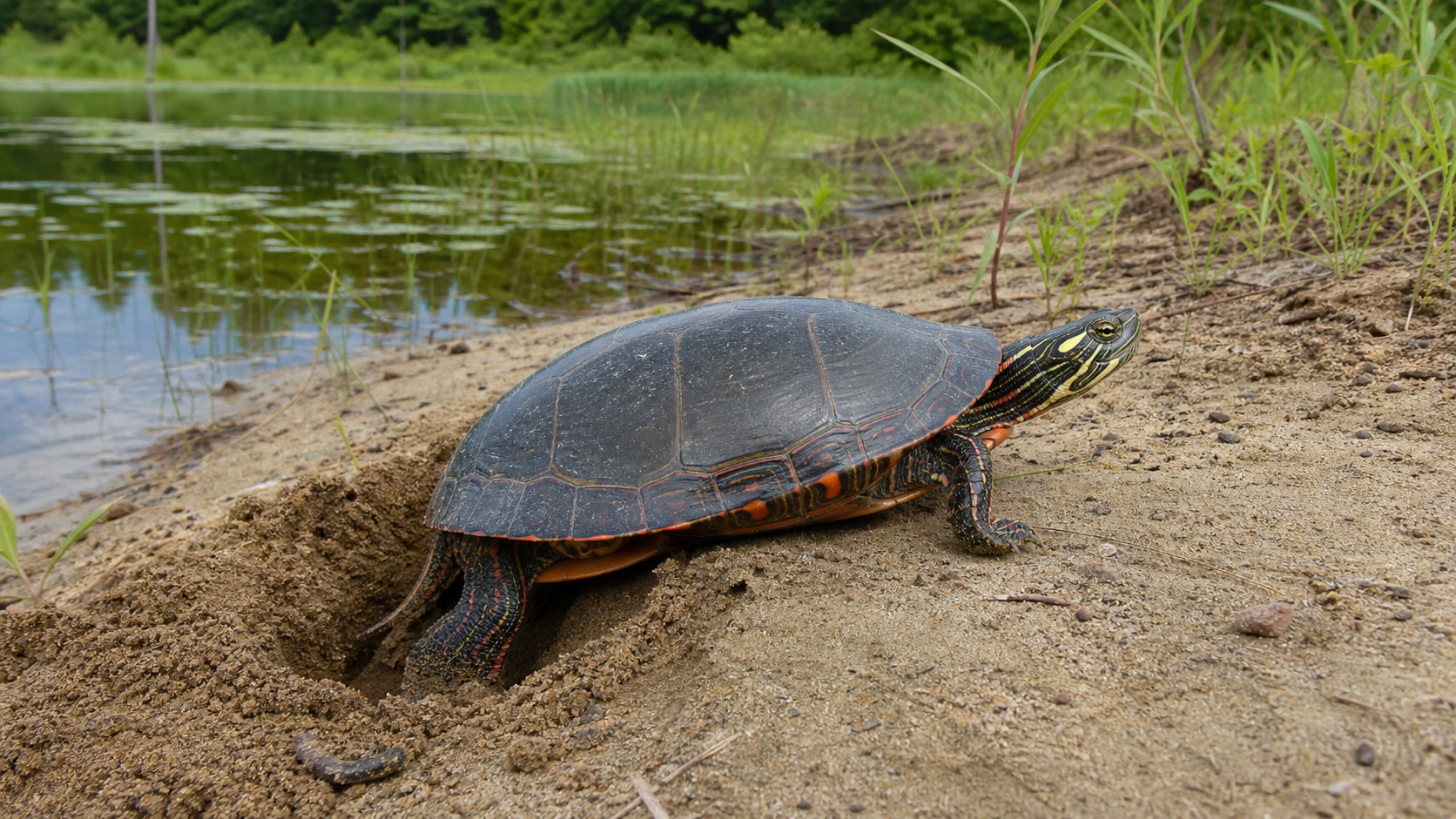
Painted turtles use ponds, marshes, slow streams and other calm waters with vegetation, soft bottoms and basking sites. Their diet changes with age and opportunity, and may include aquatic invertebrates, plant matter and carrion. Females leave the water to nest on land, making safe upland habitat just as important as the wetland itself.
Protection Starts with Habitat
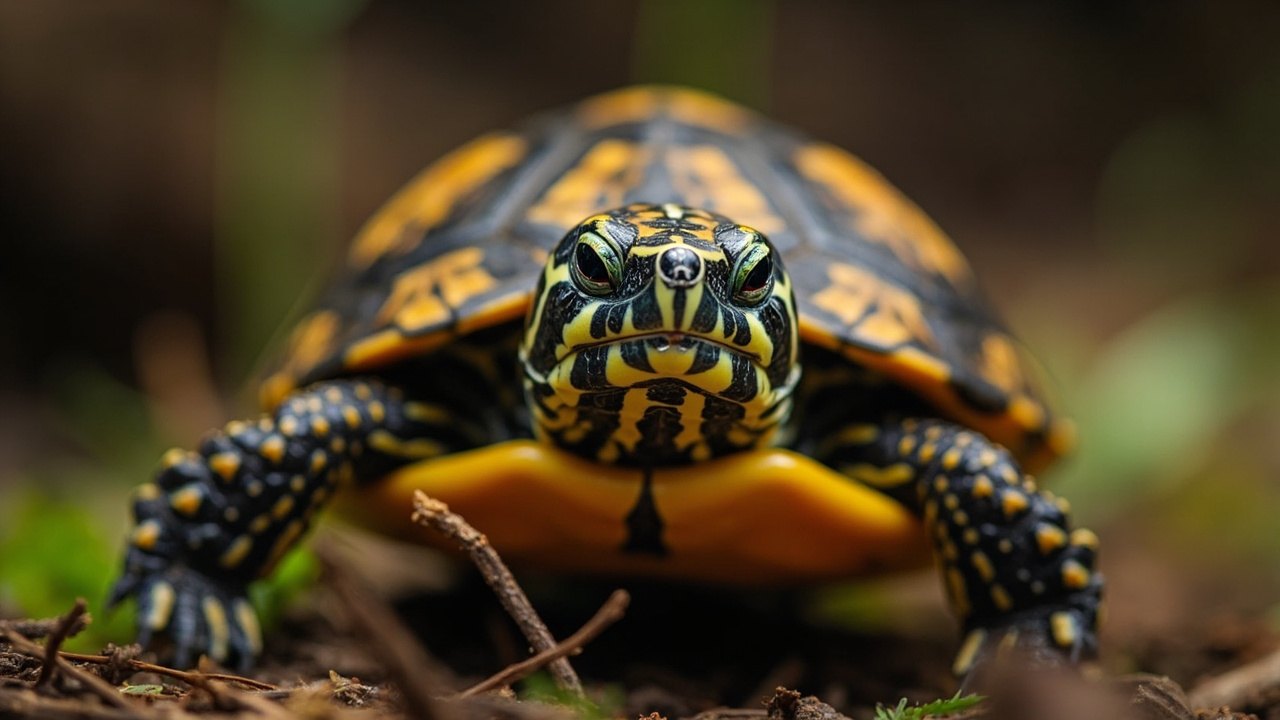
Road mortality, wetland loss, nest predation and collection pressure can affect local populations. Wild turtles should be observed rather than taken home, especially where collection is restricted by law. Captive turtles need species-appropriate lighting, water quality, space and veterinary support; a turtle’s welfare should never depend on impulse purchase or casual advice.
Freshwater and Upland Ground Form One Habitat
Painted turtles use ponds, slow rivers, marsh edges and other freshwater settings, but water alone does not meet every need. They may bask on logs or banks, travel over land and use well-drained ground for nesting. A road, retaining wall or development along the shore can interrupt those movements even when the water itself looks healthy.
Colour patterns and shell markings vary with age, population and viewing conditions. Identification is more reliable when several features are considered with location and habitat. A turtle seen crossing land is often moving between water and a nesting or refuge area, not necessarily lost or in need of a different pond.
Basking Is Part of Normal Behaviour
A basking turtle should be watched from a distance. Repeated approach can make it abandon a warm resting site, and handling can spread pathogens between wetlands. Fallen wood and natural shore structure can provide useful basking and refuge features when they are safe to retain. A clear photograph from the bank is usually enough for a record.
Do Not Release Captive Turtles
Captive turtles may carry disease and may not belong in the local population or drainage. If a pet cannot be kept, contact a qualified rescue, veterinarian or lawful rehoming organisation. Local wildlife guidance is the best source when a wild turtle needs help near traffic or development.
Sources and review notes
Reviewed 23 August 2026. Reptile biology is wonderfully variable. We have avoided turning one species, photograph or dramatic observation into a rule for an entire group, and we have used cautious wording where evidence or local conditions differ.
Reference starting points: The Reptile Database, The IUCN Red List of Threatened Species, and PubMed-indexed research. Conservation status, taxonomy and local laws can change, so check the linked databases and the relevant local authority for current information.
Spotted something we should revisit? Send Reptile Explorer a correction—thoughtful reader feedback is always welcome.