A Freshwater Turtle With a Distinctive Marking
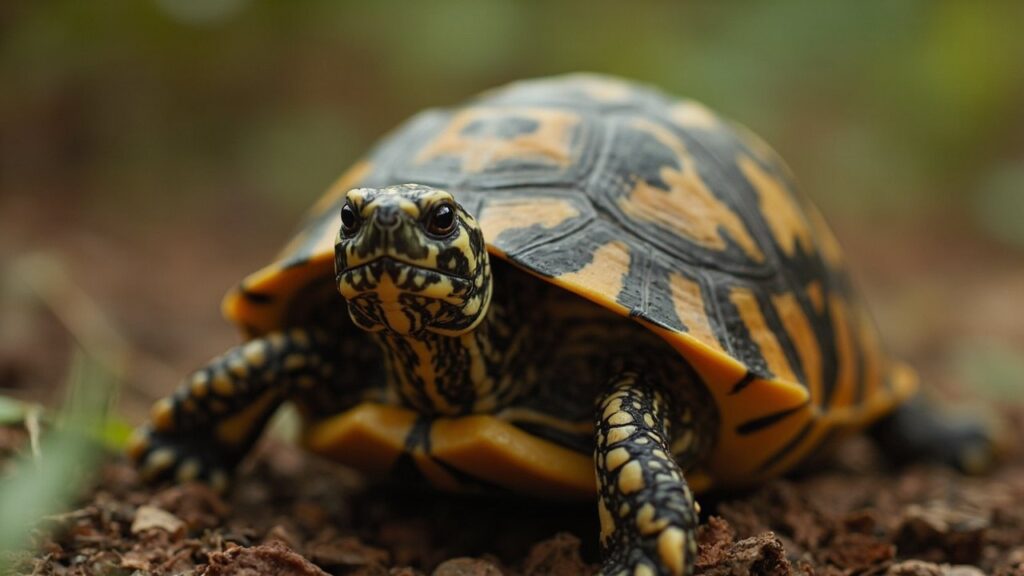
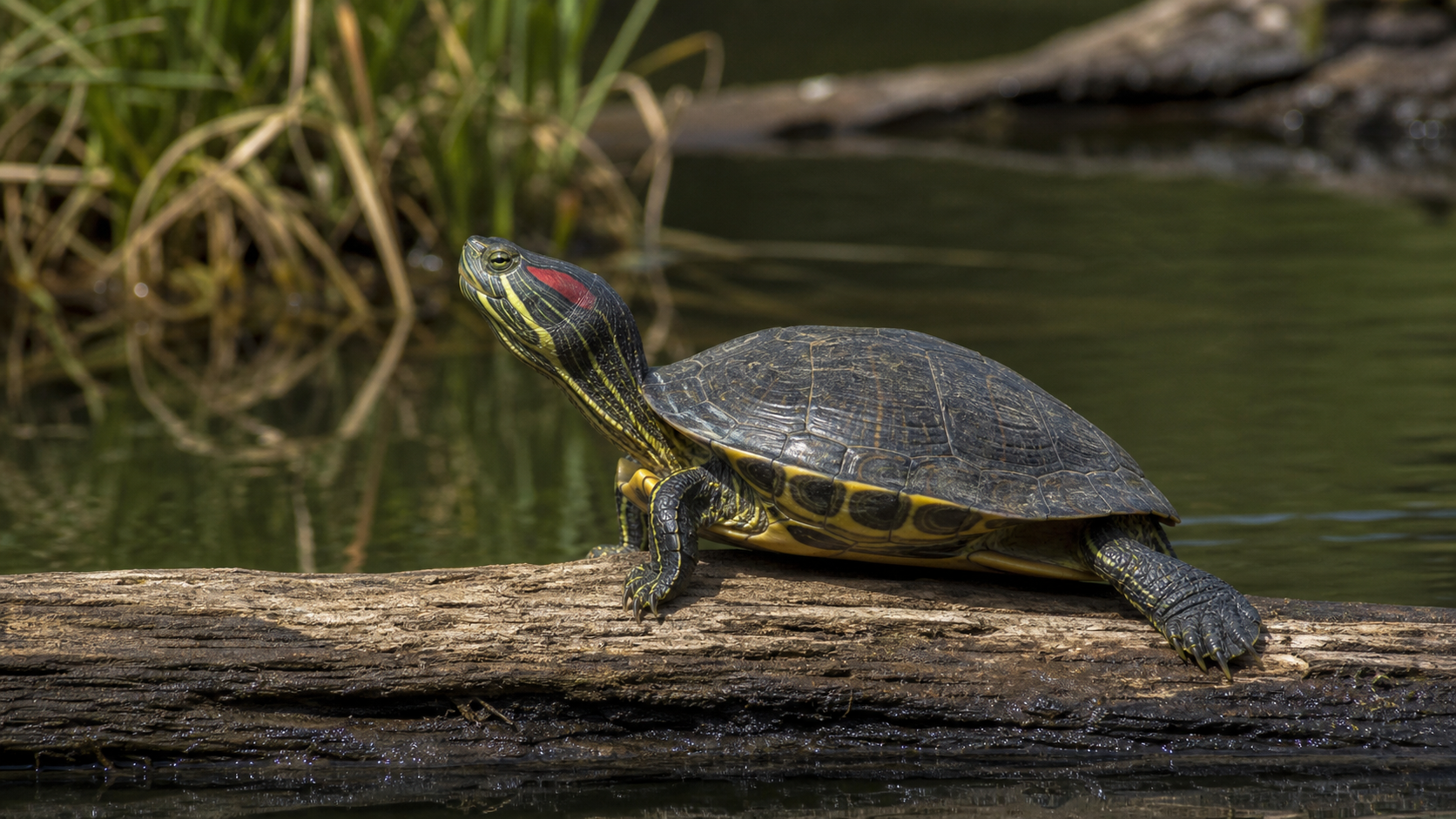
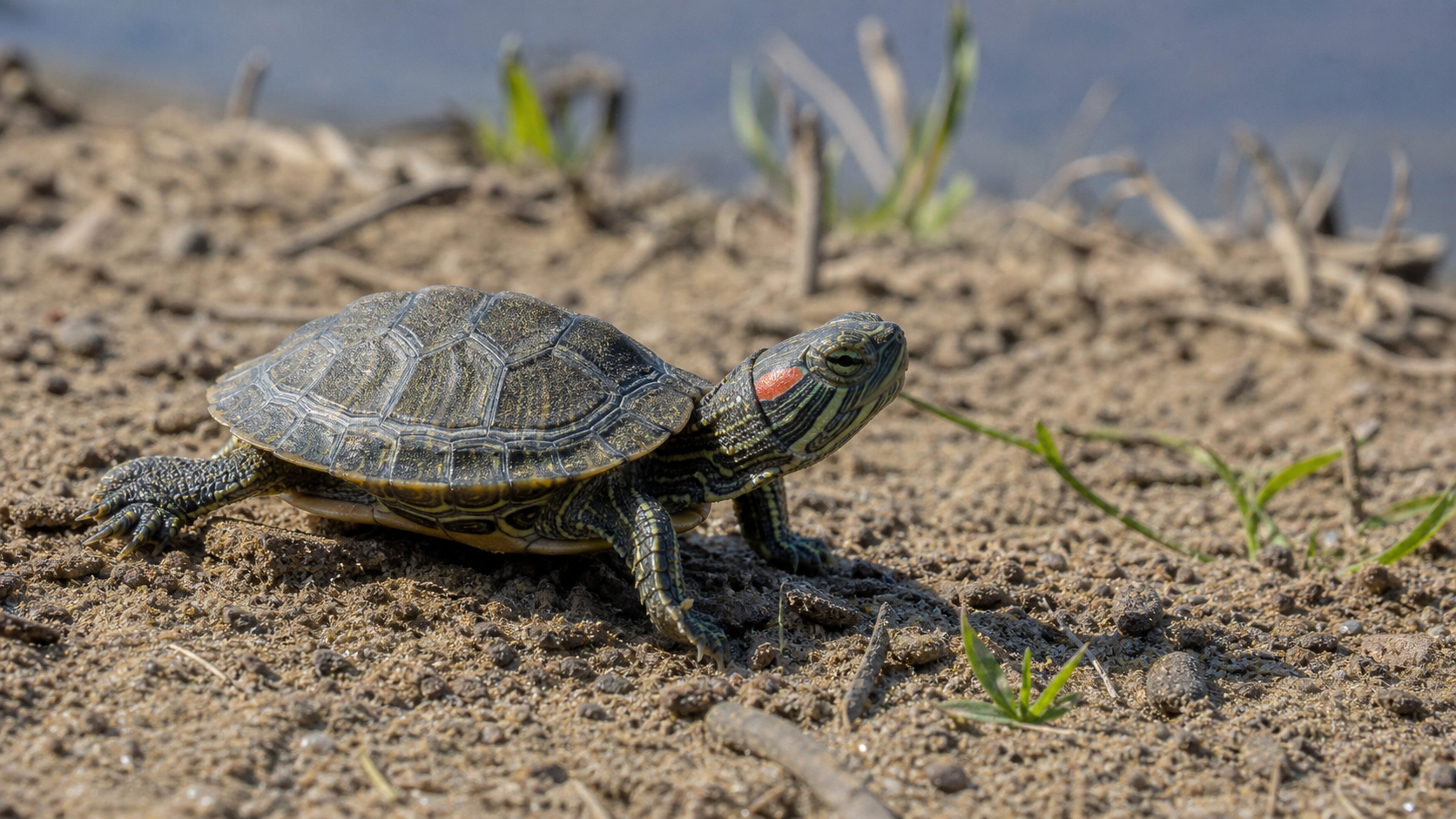
The red-eared slider (Trachemys scripta elegans) is a freshwater turtle named for the red or orange stripe behind each eye. It is native to parts of the central and southeastern United States and northeastern Mexico. Sliders use ponds, lakes, slow-moving waterways and wetlands, where they spend time both swimming and basking. Females generally grow larger than males, and adults need far more space than the small hatchlings often sold in shops.

Keeping Water and Basking Areas Functional
A slider needs an enclosure designed around clean water, filtration, a dry basking platform and a temperature range that lets the turtle choose among conditions. Its diet changes as it grows and should include an appropriate balance of formulated food and suitable plant and animal items. Water quality, nutrition and enclosure size affect health over the long term. Handwashing after contact with turtles or their habitat is also a sensible way to reduce the spread of germs such as Salmonella.
Never Release an Unwanted Turtle
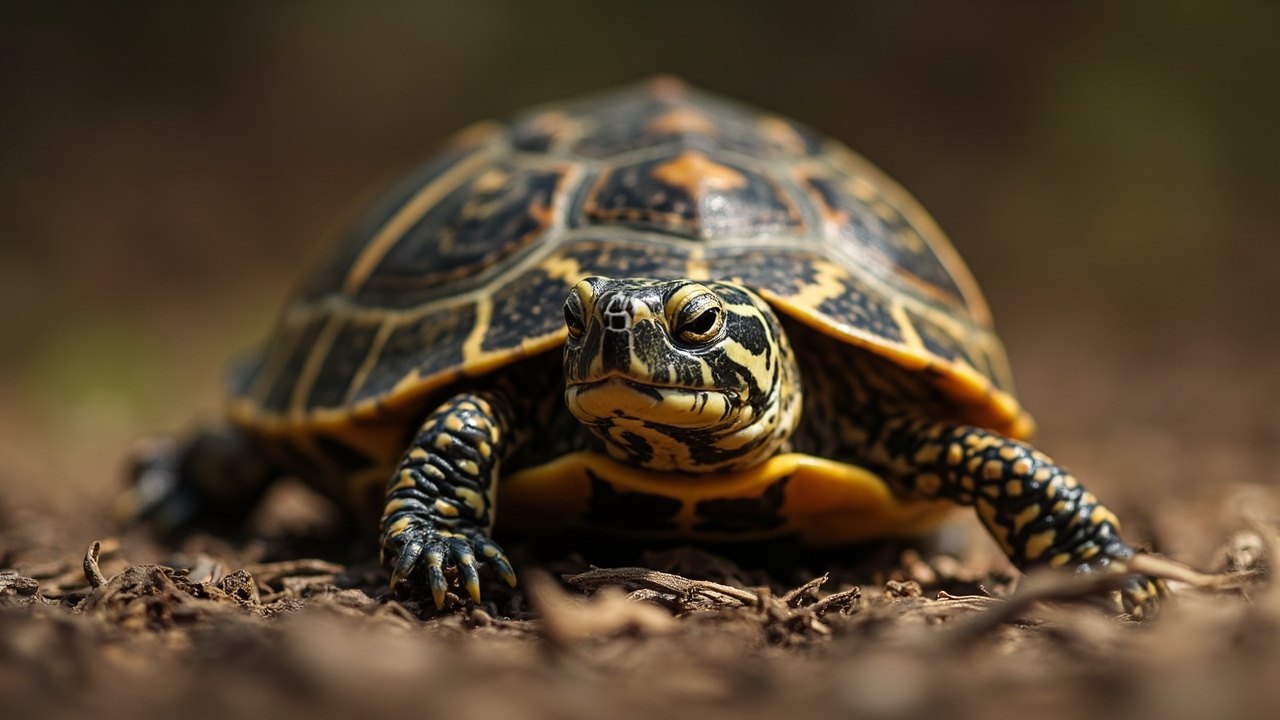
Red-eared sliders have been released far outside their native range through the pet trade. Established populations can compete with native turtles for food and basking sites, and local laws may limit ownership, sale or release. An unwanted pet should be rehomed through a lawful rescue, breeder, veterinarian or wildlife authority. Releasing it into a pond may seem kind in the moment, but it can harm native animals and leave the turtle without proper care.
Growth Changes the Space Needed
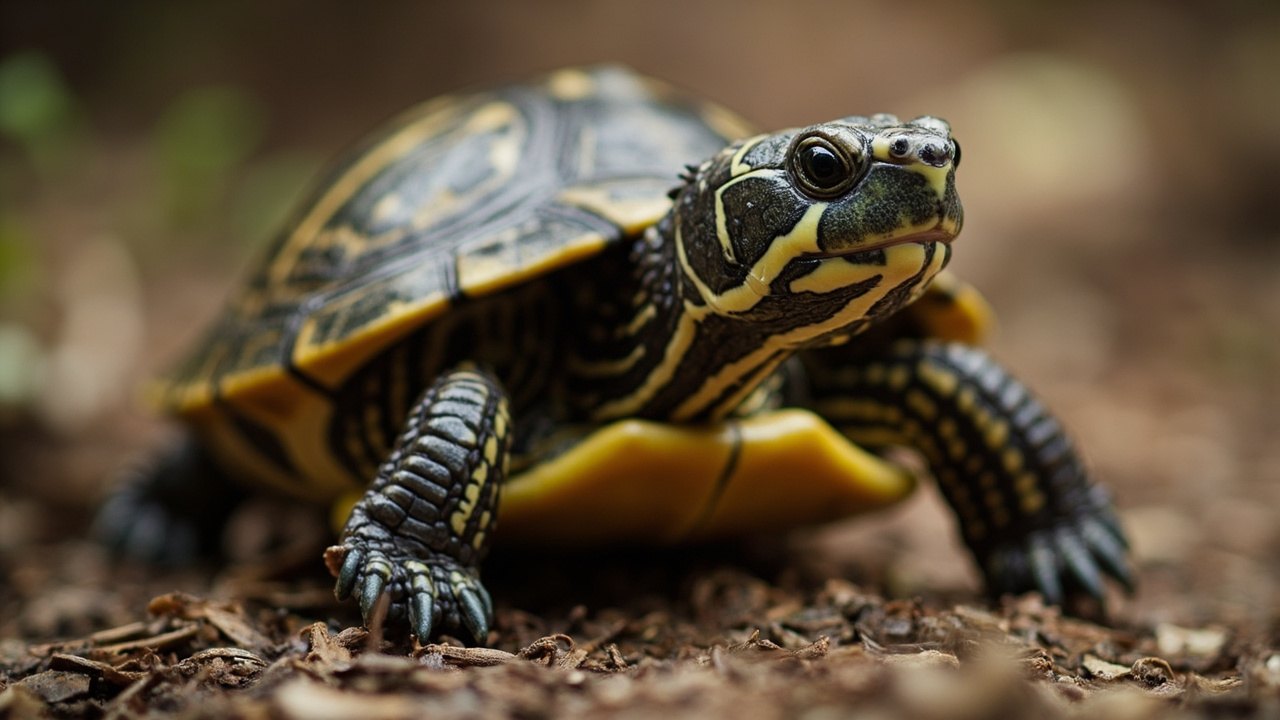
A hatchling can make a small display look adequate, yet a growing slider needs room to swim, turn, rest and leave the water completely to bask. The enclosure should be planned around adult size before purchase. Crowding can make water quality, access to heat and observation of individual health harder to manage.
Clean Water Is an Ongoing Task
Filtration removes some waste, but it does not remove the need for regular maintenance and water checks. Food should be offered in a way that does not leave excess waste to break down in the enclosure. A stable dry basking area also needs regular cleaning and a safe route up from the water. Cloudy water or a bad smell should prompt a review of care, not a cosmetic cover-up.
Plan Rehoming Before It Is Urgent
If a keeper can no longer provide appropriate space or care, start seeking lawful help early. Rehoming through a reptile rescue, veterinarian or informed local authority is safer than waiting until a release seems like the only option. Wild waterways are not disposal sites for pets.
Sources and review notes
Reviewed 23 August 2026. Reptile biology is wonderfully variable. We have avoided turning one species, photograph or dramatic observation into a rule for an entire group, and we have used cautious wording where evidence or local conditions differ.
Reference starting points: The Reptile Database, The IUCN Red List of Threatened Species, and PubMed-indexed research. Conservation status, taxonomy and local laws can change, so check the linked databases and the relevant local authority for current information.
Spotted something we should revisit? Send Reptile Explorer a correction—thoughtful reader feedback is always welcome.