
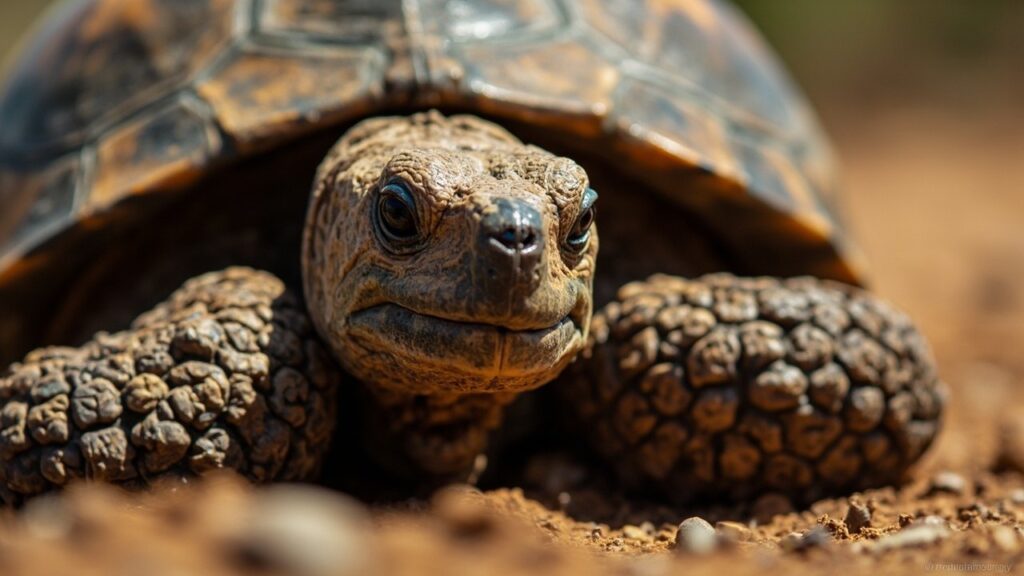
Aldabra Giant Tortoises: Ancient Endemics
Aldabra giant tortoises are native to Seychelles’ Aldabra Atoll, where grazing, trampling and seed movement influence vegetation.
Aldabra giant tortoises are native to Seychelles’ Aldabra Atoll, where grazing, trampling and seed movement influence vegetation.
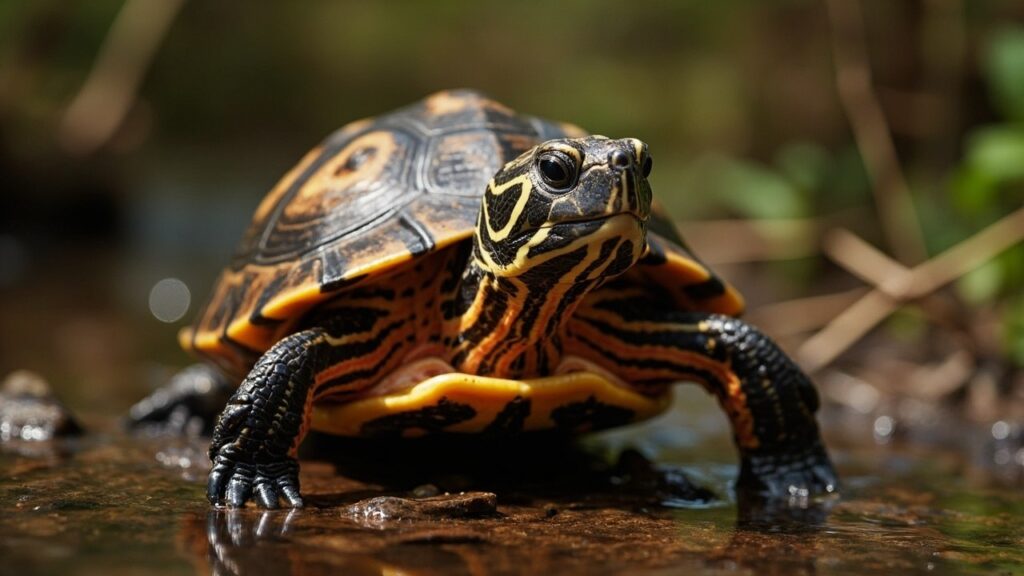
Wood turtles move between forested streams, wetlands and nearby uplands. Roads, habitat fragmentation, collection and altered stream conditions can harm local populations.
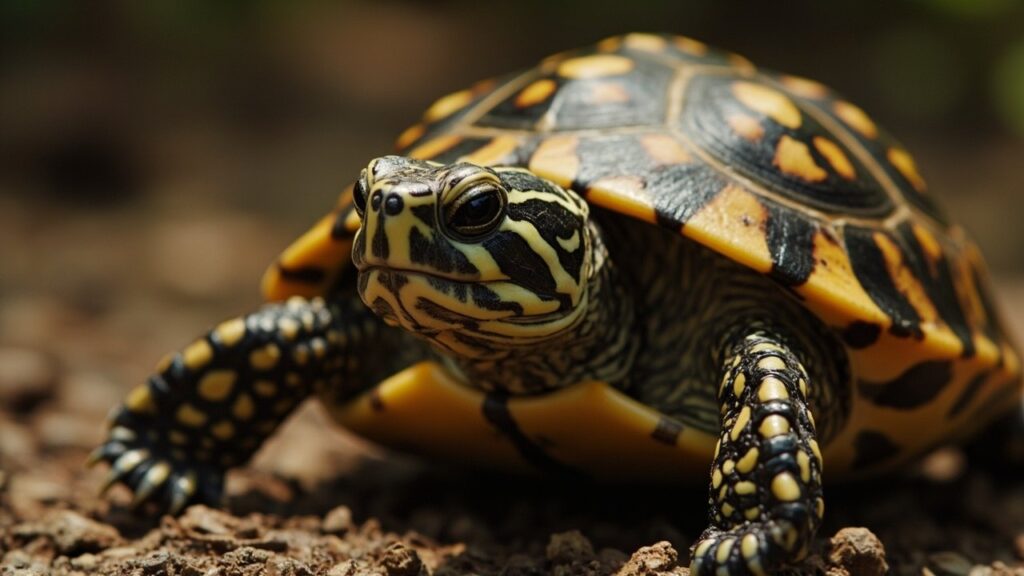
Spotted turtles use shallow wetlands and nearby uplands in eastern North America. Protecting movement routes between habitats is important.
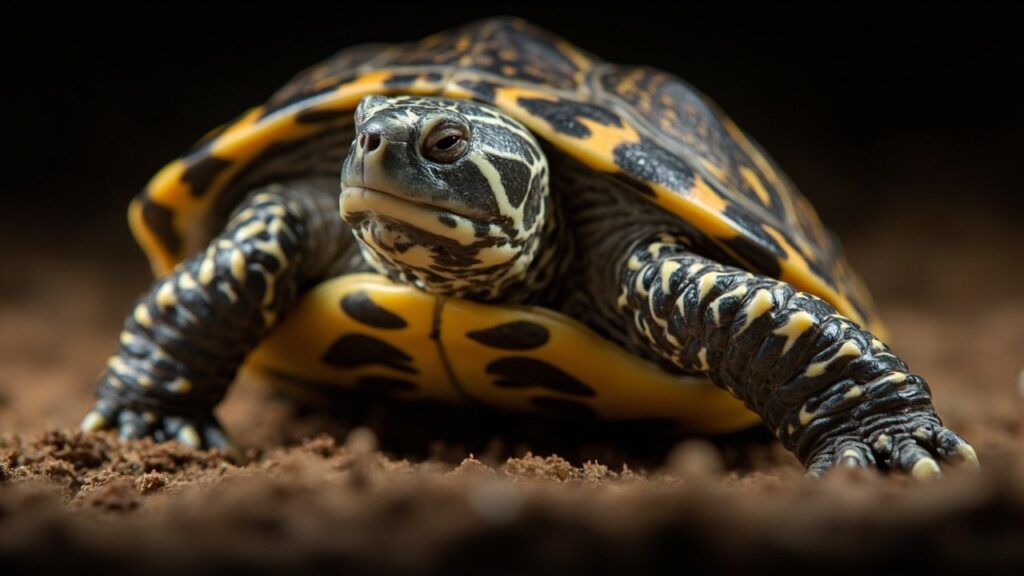
Common musk turtles are small freshwater turtles that spend much of their time in water. They may release a musky odour when threatened.
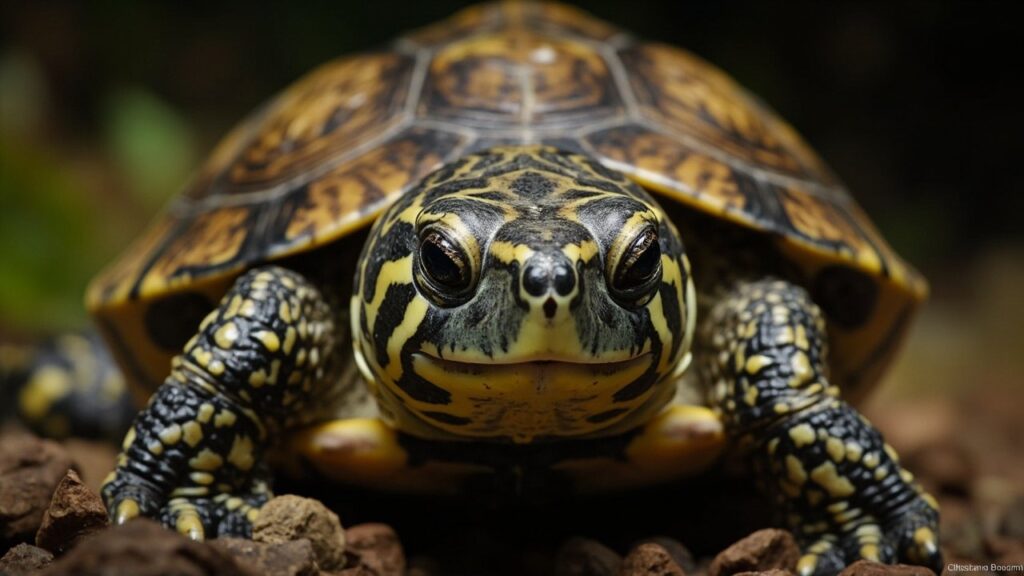
Map turtles are freshwater turtles of the genus Graptemys, with species tied to particular river systems and lakes. Clean water, natural shorelines and basking structures are central to their conservation.
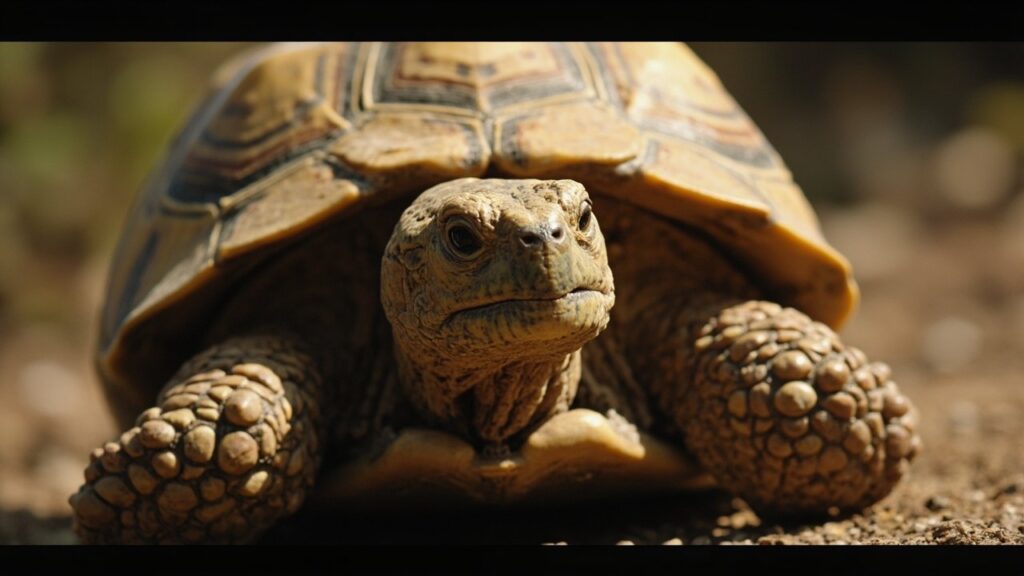
African spurred tortoises are large, long-lived animals from dry parts of the Sahel. Their size and burrowing require long-term planning.
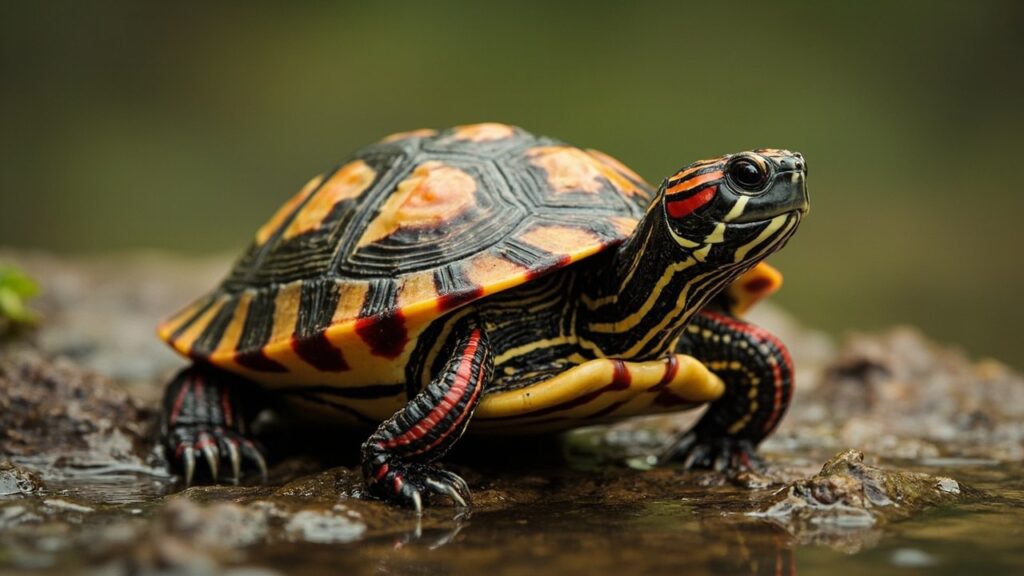
Painted turtles are widespread North American freshwater turtles that bask near ponds, lakes and slow water. Legal rules vary by region.
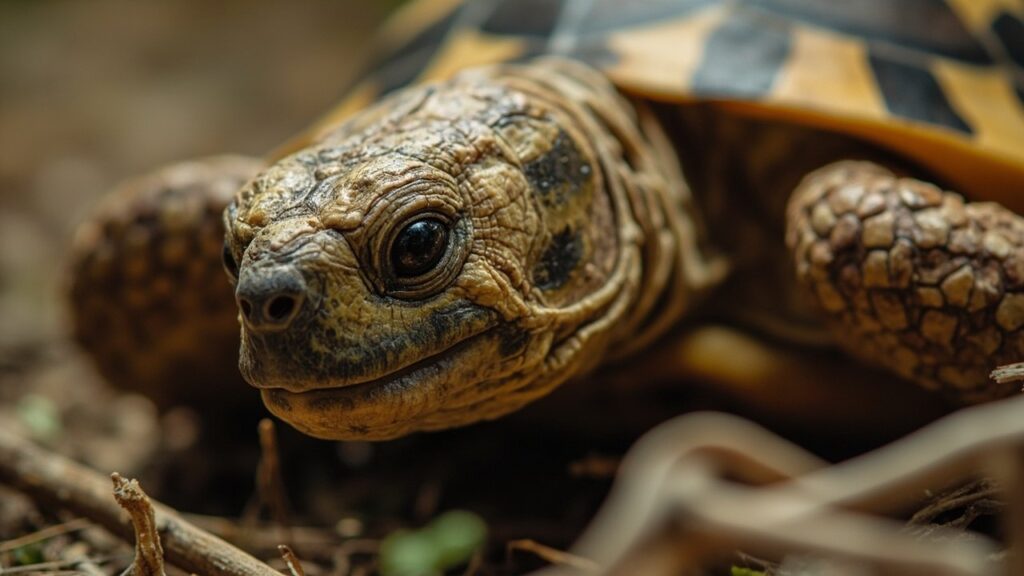
Russian tortoises come from dry Central Asian habitats and can live for decades. Responsible care requires suitable space, diet, heat and light.
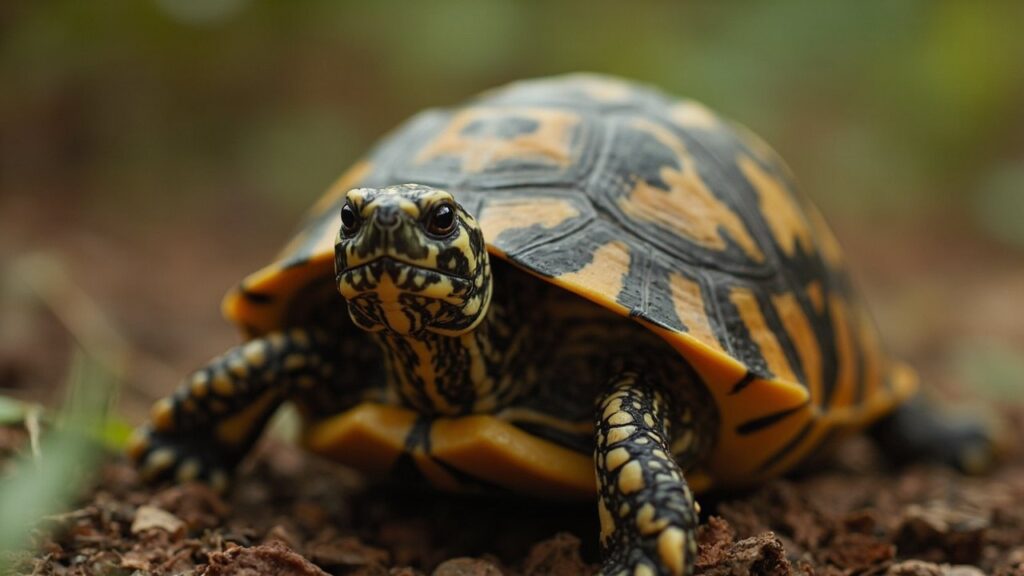
North American box turtles are mainly terrestrial turtles with hinged lower shells. Roads, habitat fragmentation and wild collection threaten populations, so wild animals should be left in their home range.
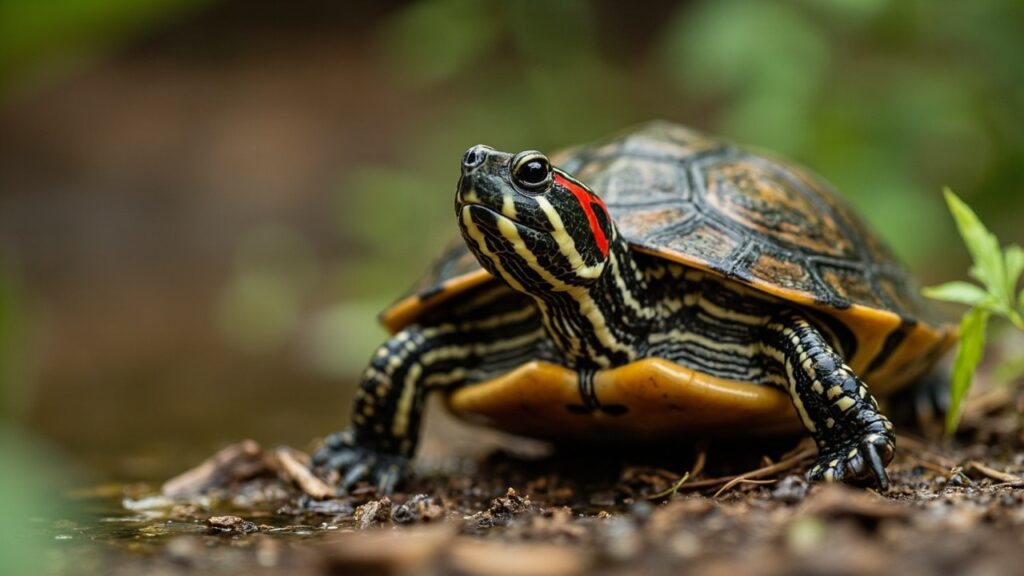
Red-eared sliders need clean, filtered water, a dry basking area, suitable temperatures and a long-term care plan. Unwanted turtles must never be released into the wild.