
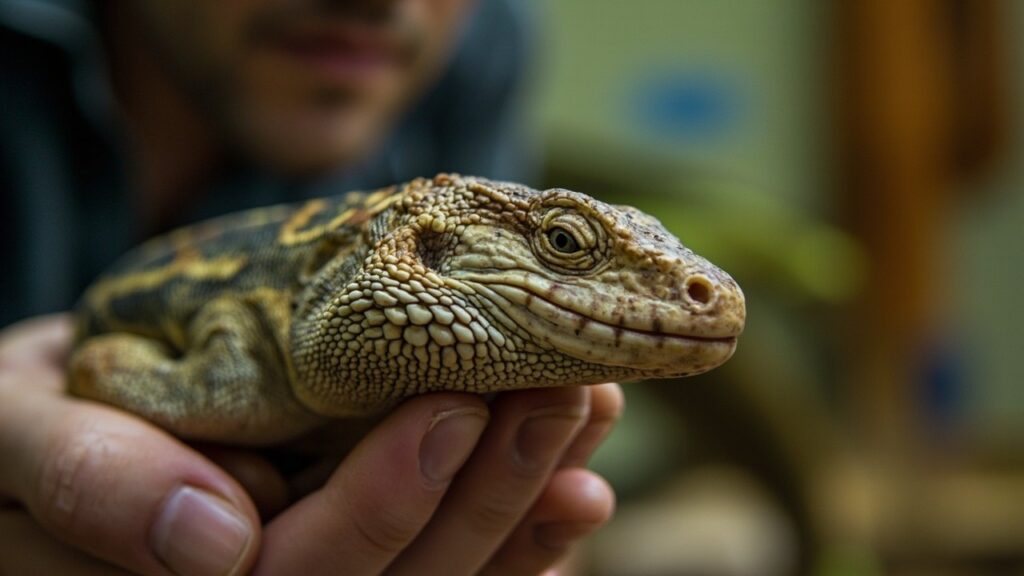
Seasonal Health Check-ups for Pet Reptiles
Routine observation and veterinary care can identify seasonal health changes early. Records of weight, appetite, shedding and enclosure conditions give useful context.
Routine observation and veterinary care can identify seasonal health changes early. Records of weight, appetite, shedding and enclosure conditions give useful context.
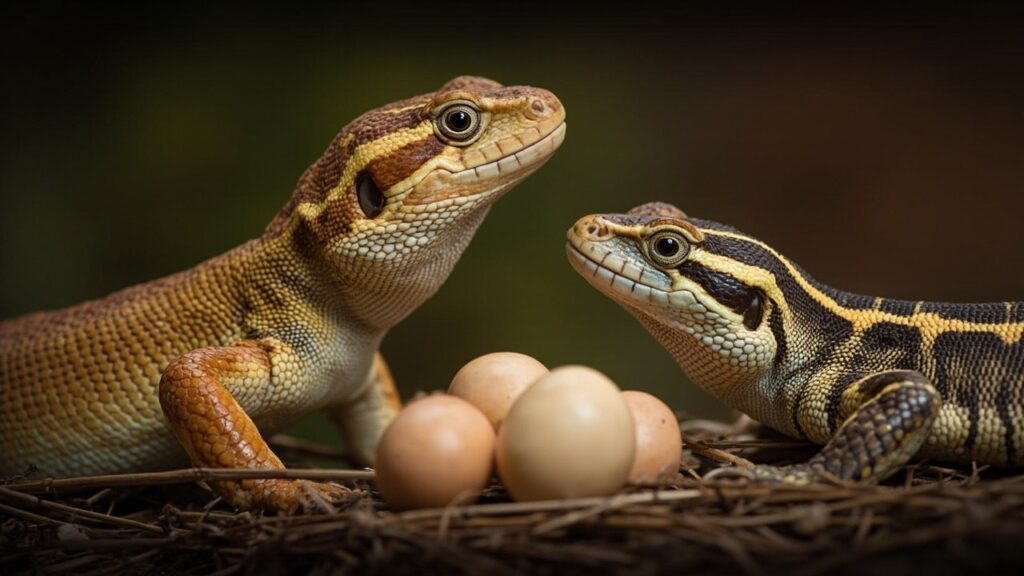
Breeding decisions should account for species, adult health, body condition, enclosure conditions, genetics, legal requirements and a responsible plan for every offspring.
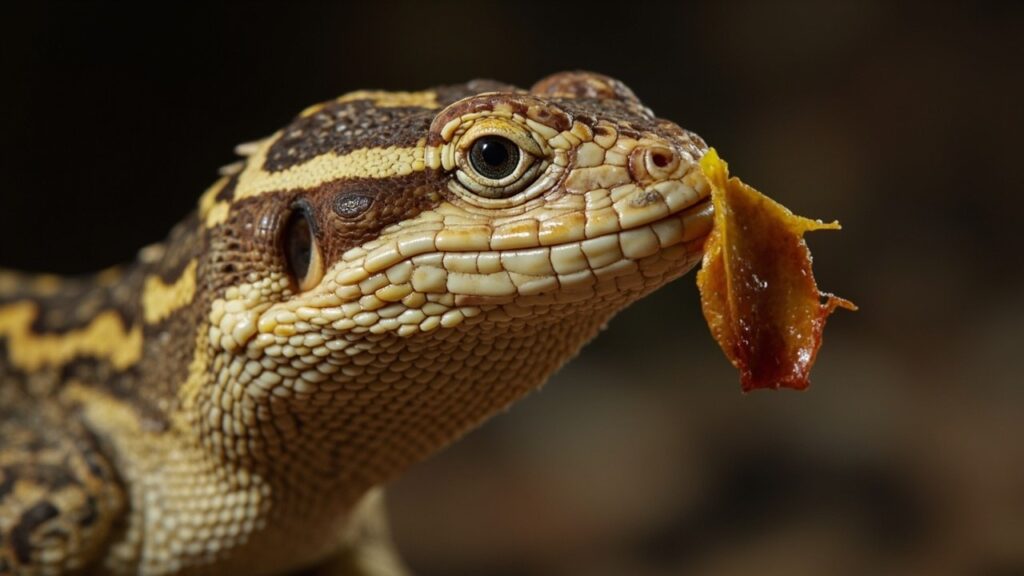
Reptile feeding patterns may change with temperature, activity and reproductive state. Captive diets should remain species-specific and be adjusted only with reliable guidance.
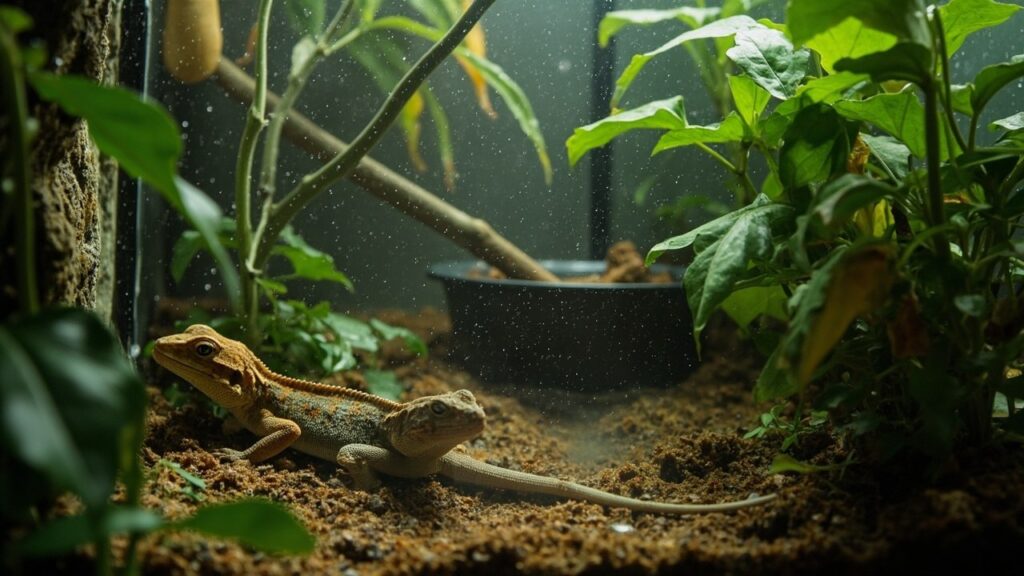
Seasonal room conditions can alter enclosure humidity. Measure conditions inside the enclosure, adjust ventilation and moisture deliberately, and maintain the range required by the species.
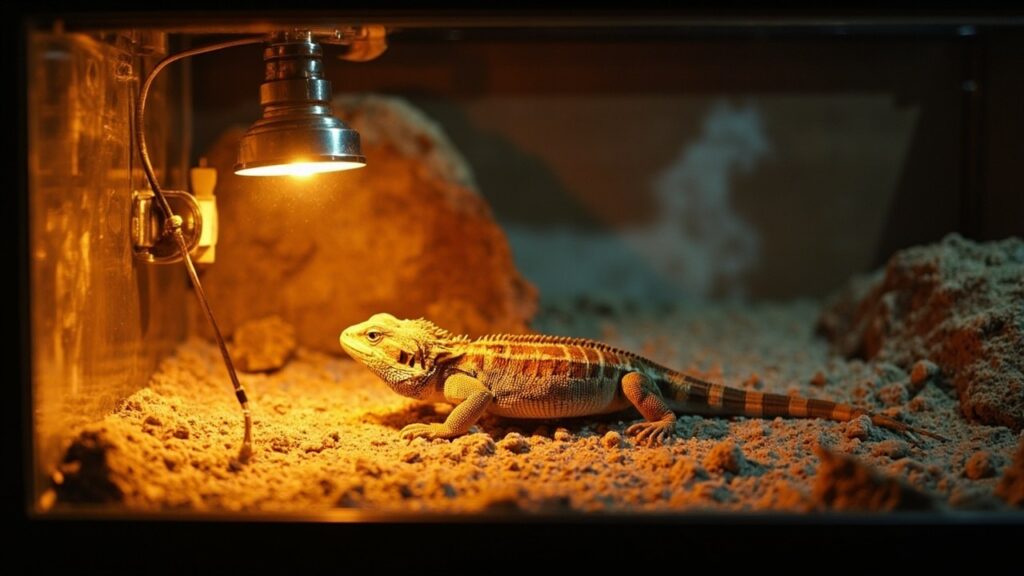
Temperature changes influence reptile activity, feeding and shelter use. Species-specific thermal gradients and reliable measurements are needed in captive care.
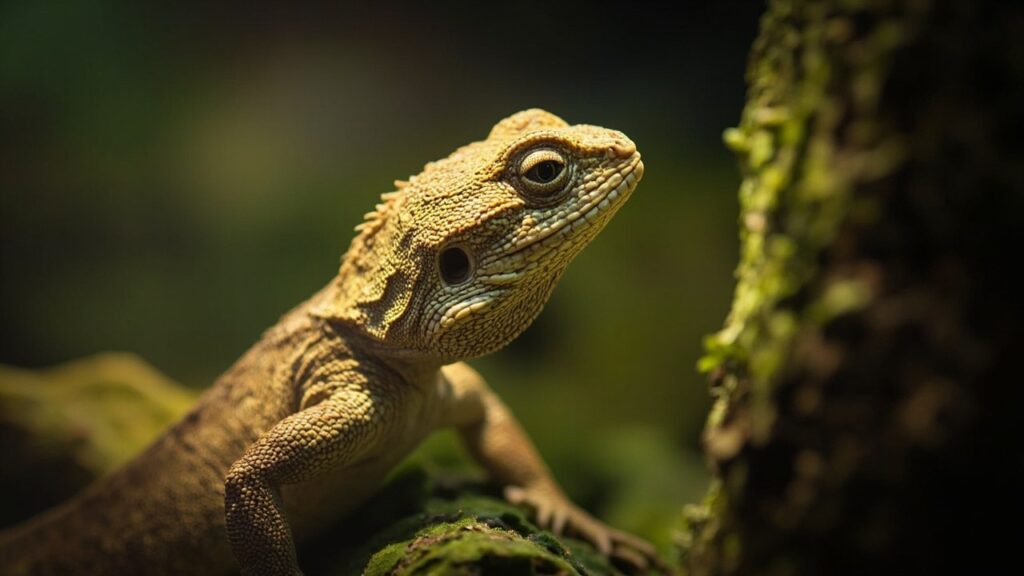
Species-appropriate light and dark cycles support reptile activity and rest. Seasonal changes should be gradual, documented and based on reliable natural-history and husbandry guidance.
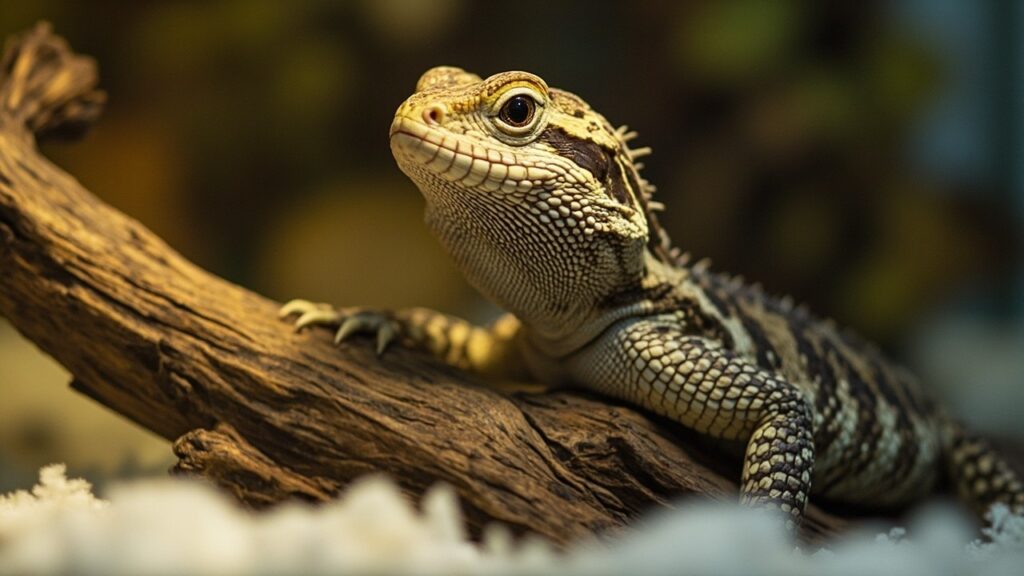
Winter care depends on the species. Monitor enclosure heat, light, humidity and behaviour without assuming that every reptile should brumate or receive the same seasonal changes.
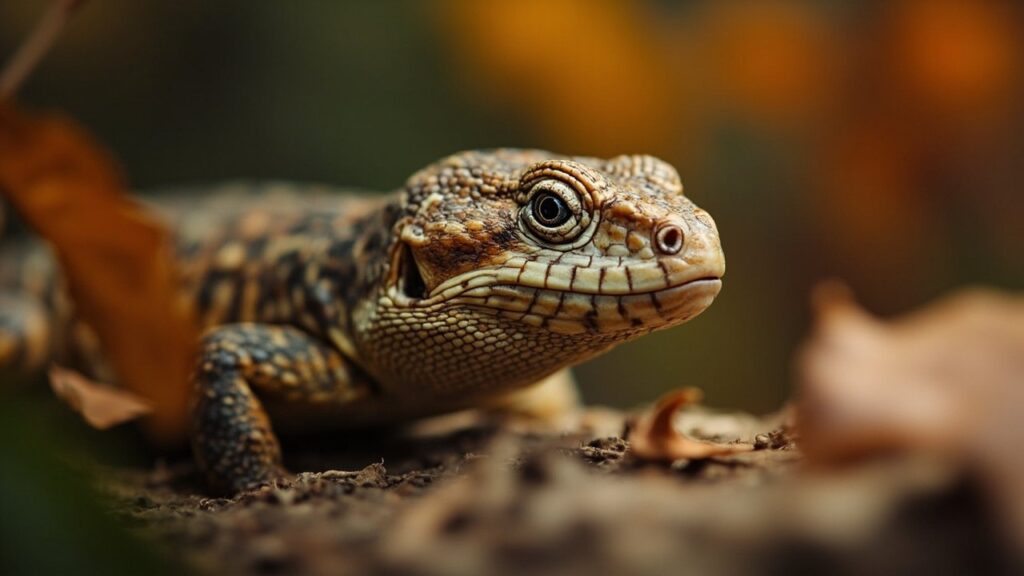
Brumation is not appropriate for every pet reptile. Species, health, body condition and veterinary guidance should be assessed before any seasonal husbandry change.
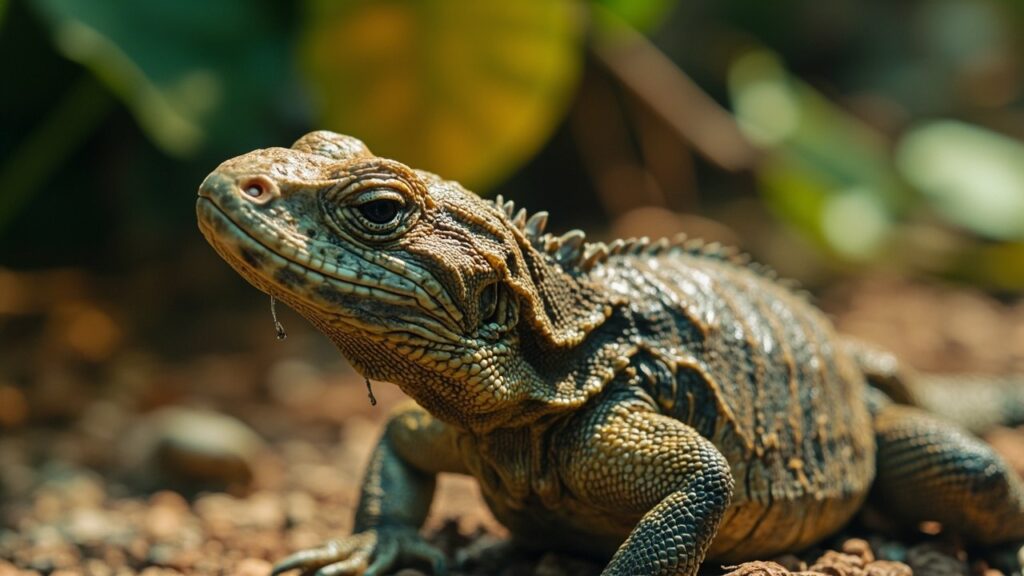
Warm weather can raise enclosure temperatures quickly. Check basking and cool areas, provide species-appropriate water and humidity, and prevent uncontrolled sun exposure.
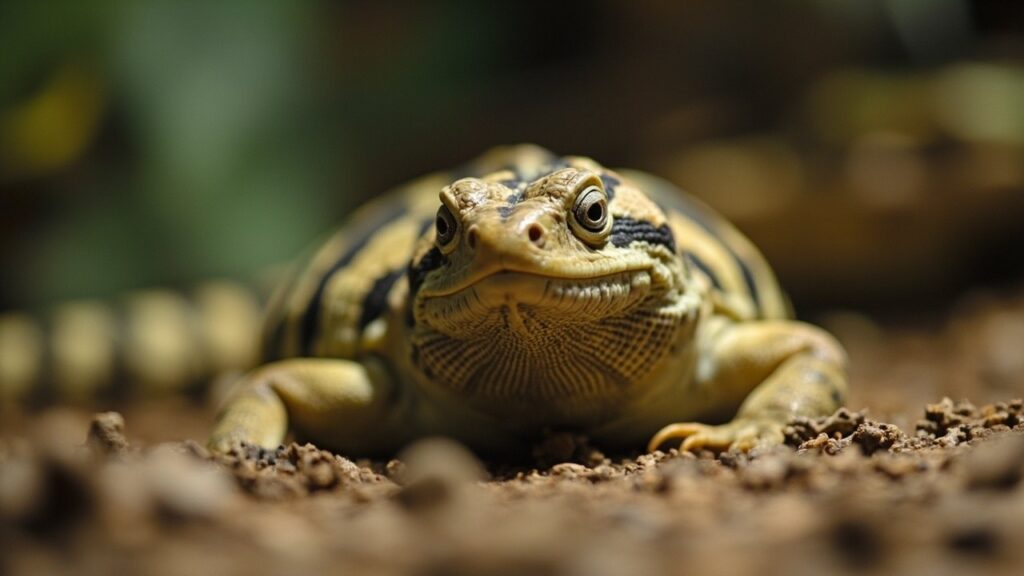
Rising temperatures and longer days can increase spring activity in some reptiles. Timing still depends on species, region and weather.