A Ground-Dwelling Gecko From Dry Regions
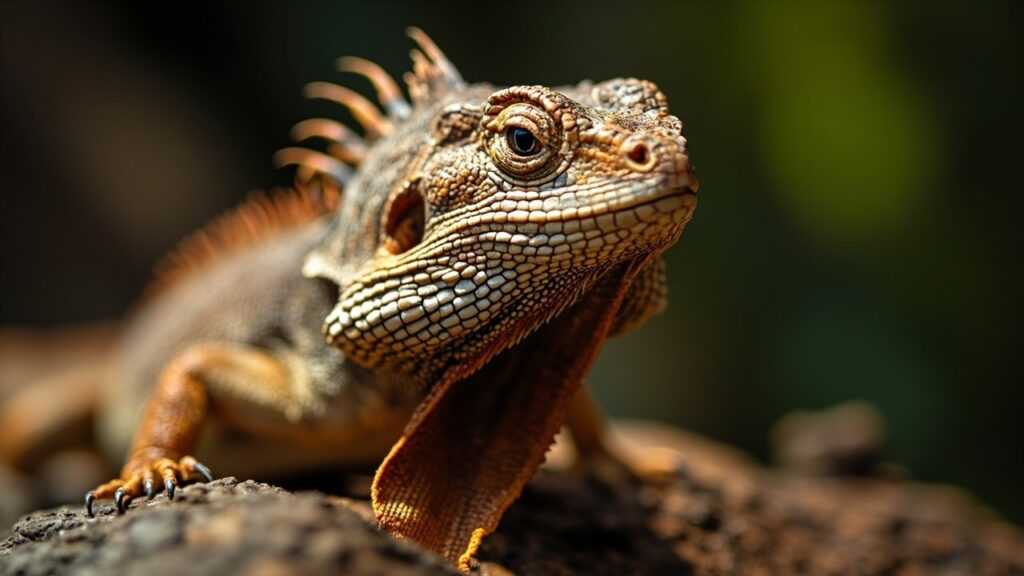
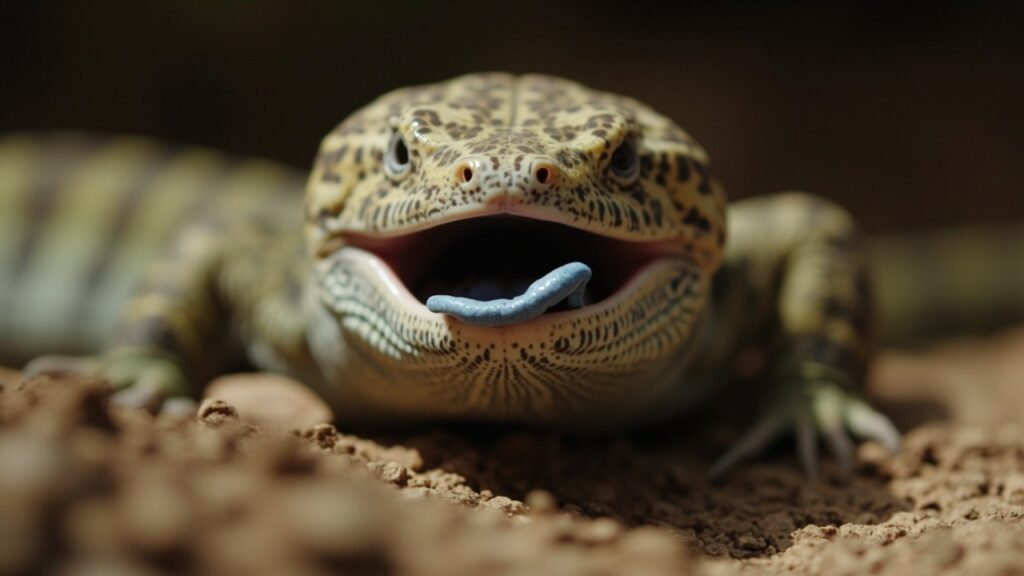
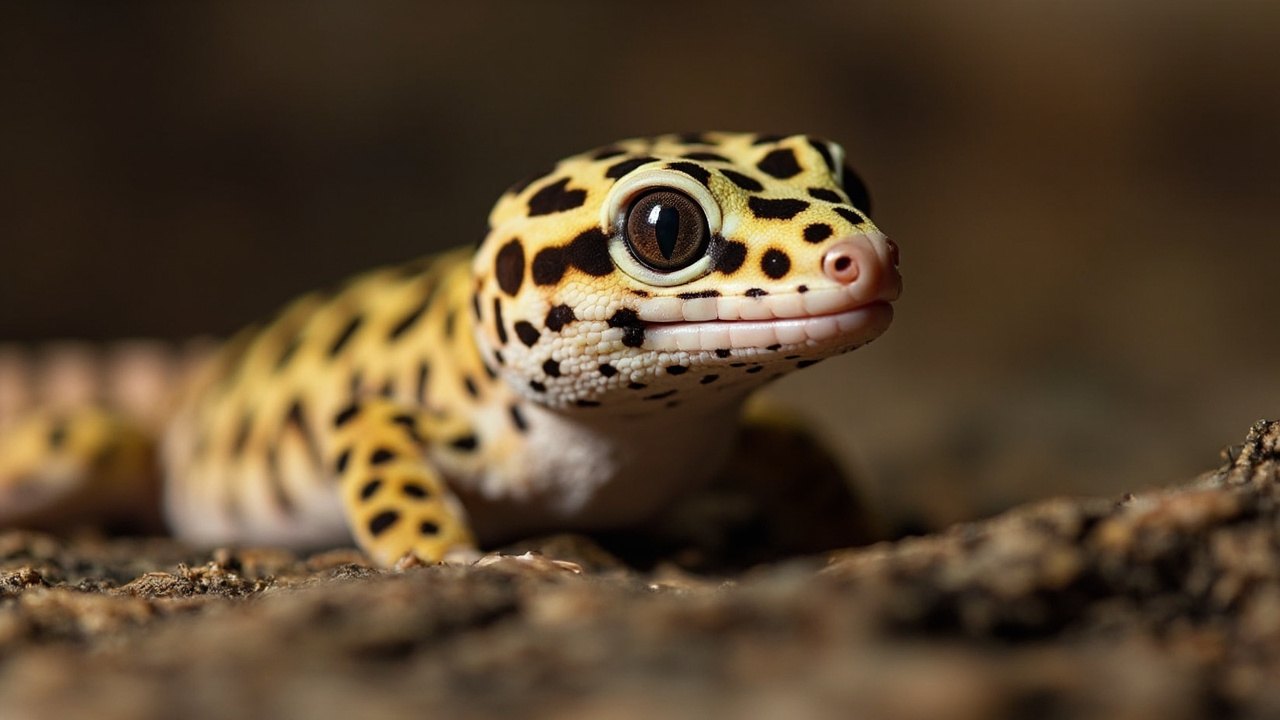
The leopard gecko (Eublepharis macularius) is native to dry and semi-desert areas of Afghanistan, Iran, Pakistan and northwestern India. Unlike many tree-climbing geckos, it is terrestrial and has movable eyelids rather than transparent eye coverings. It also lacks the adhesive toe pads used by many gecko species. Wild colouring is typically yellowish with dark spots, while captive breeding has produced many other patterns.

Solitary by Default
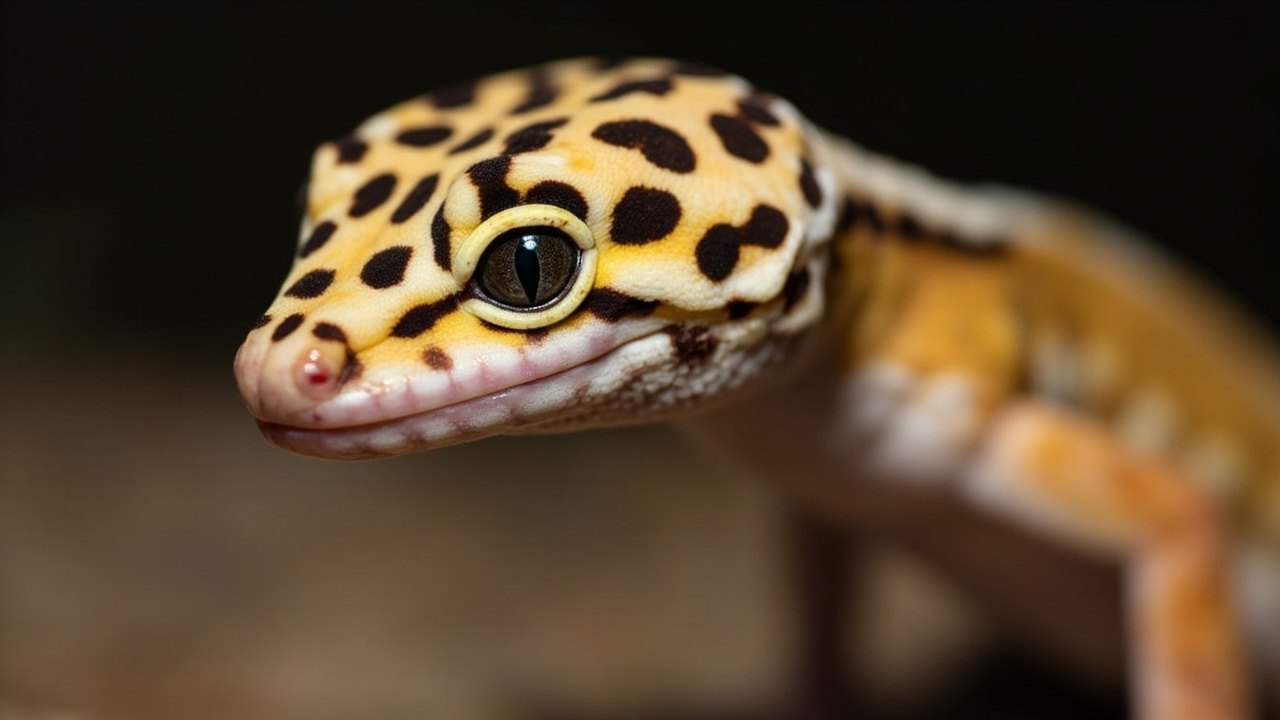
Leopard geckos do not need a cage mate to be content. Shared housing can create competition for heat, hides and food, and problems may develop before an owner sees obvious fighting. Keeping one gecko per enclosure is the safest default for pet care. A healthy setup provides secure hides, a measured warm-to-cool gradient, a suitable substrate and access to water, with adjustments based on the animal’s age and health.
Handling Should Be Optional
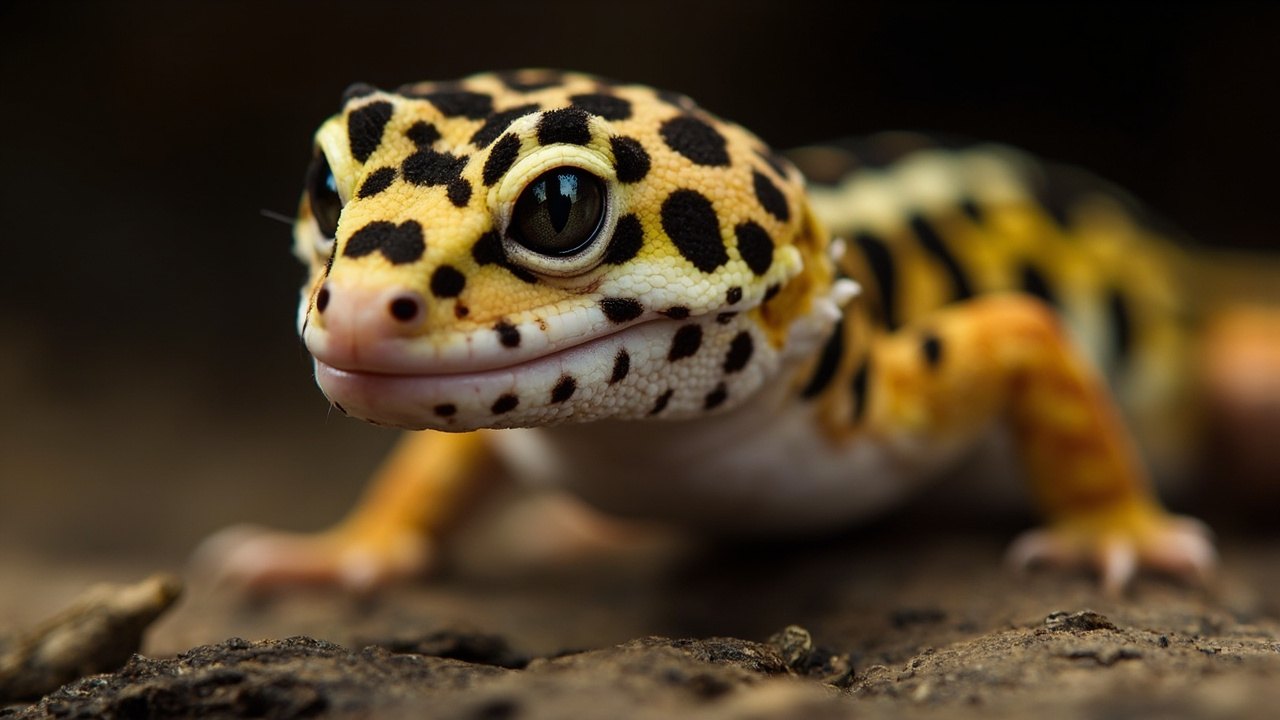
Some leopard geckos tolerate calm handling, but tolerance is not the same as a need for interaction. Let the animal approach at its own pace, support its whole body and avoid grabbing or restraining the tail. A gecko can drop its tail when frightened, and regrowth takes energy. Regular feeding, normal shedding, a steady body condition and confident use of the enclosure are more meaningful welfare signs than a willingness to sit in a hand.
Microhabitats Give a Gecko Choices
Leopard geckos use cover rather than spending every hour in the open. A sound enclosure gives an individual secure options at more than one condition, including places to rest, regulate temperature and shed. A hide only helps when the animal can use it without being exposed to a cage mate, bright light or repeated handling. Observing which spaces are used can reveal whether the arrangement is practical for that individual.
Feeding Observations Need Context
Appetite can vary with age, season, recent shedding, breeding condition and enclosure conditions. A skipped meal alone does not identify a problem, but a continuing change combined with weight loss, weakness, abnormal droppings or poor shedding deserves qualified veterinary advice. Recorded body weight and regular observations are more useful than judging health from a single feeding response.
A Tail Is Not a Handle
A leopard gecko can detach its tail when frightened. This is an escape response, not a normal part of calm interaction. Letting the animal move at its own pace, supporting its body when handling is necessary and returning it promptly to cover can reduce stress. The best care outcome is a gecko that can choose how it uses its enclosure.
Sources and review notes
Reviewed 23 August 2026. Care works best when it starts with the exact species in front of you. We checked this article against current veterinary husbandry guidance, but measured enclosure conditions and a reptile-experienced veterinarian should guide decisions for an individual animal.
Reference starting points: Merck Veterinary Manual: reptile management and husbandry, CDC: healthy handling around reptiles and amphibians, and The Reptile Database. Conservation status, taxonomy and local laws can change, so check the linked databases and the relevant local authority for current information.
Spotted something we should revisit? Send Reptile Explorer a correction—thoughtful reader feedback is always welcome.