A Specialist Crocodilian
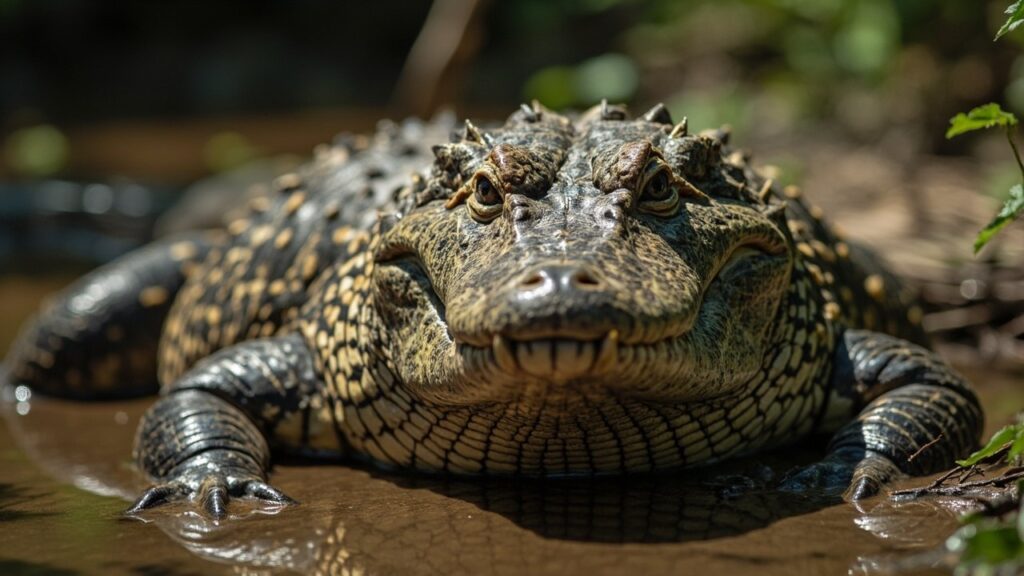
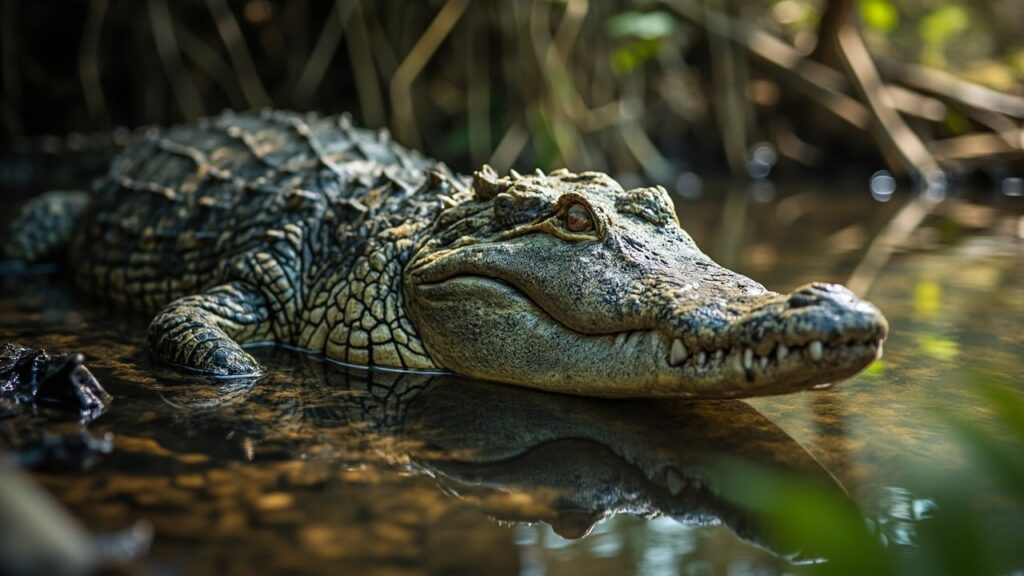
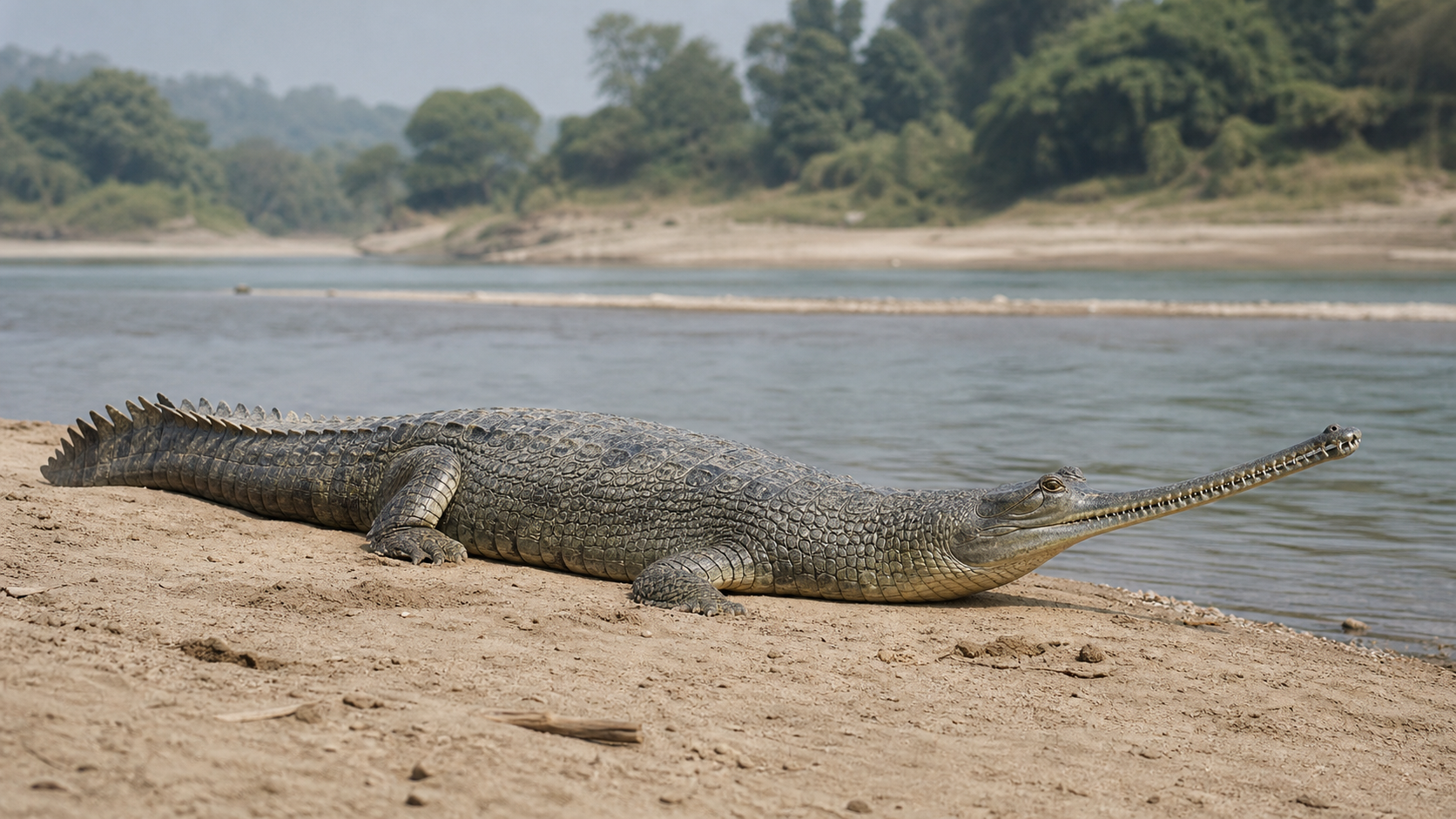
The gharial (Gavialis gangeticus) is a highly specialised crocodilian of South Asian rivers. Its long, narrow jaws are adapted for catching fish, while adult males develop the distinctive bulbous ghara at the tip of the snout. Young animals also take smaller aquatic prey, but the species is best understood as a river specialist rather than a general-purpose predator.

What a Gharial Needs
Gharials depend on broad, connected river systems with deep water, suitable fish populations, quiet basking sites and seasonally exposed sandbanks for nesting. Their remaining range is fragmented, with important populations concentrated in river sections in India and Nepal. Dams, altered flows, sand extraction, fishing gear, prey depletion and disturbance can each reduce the quality of that habitat.
Conservation Depends on Rivers
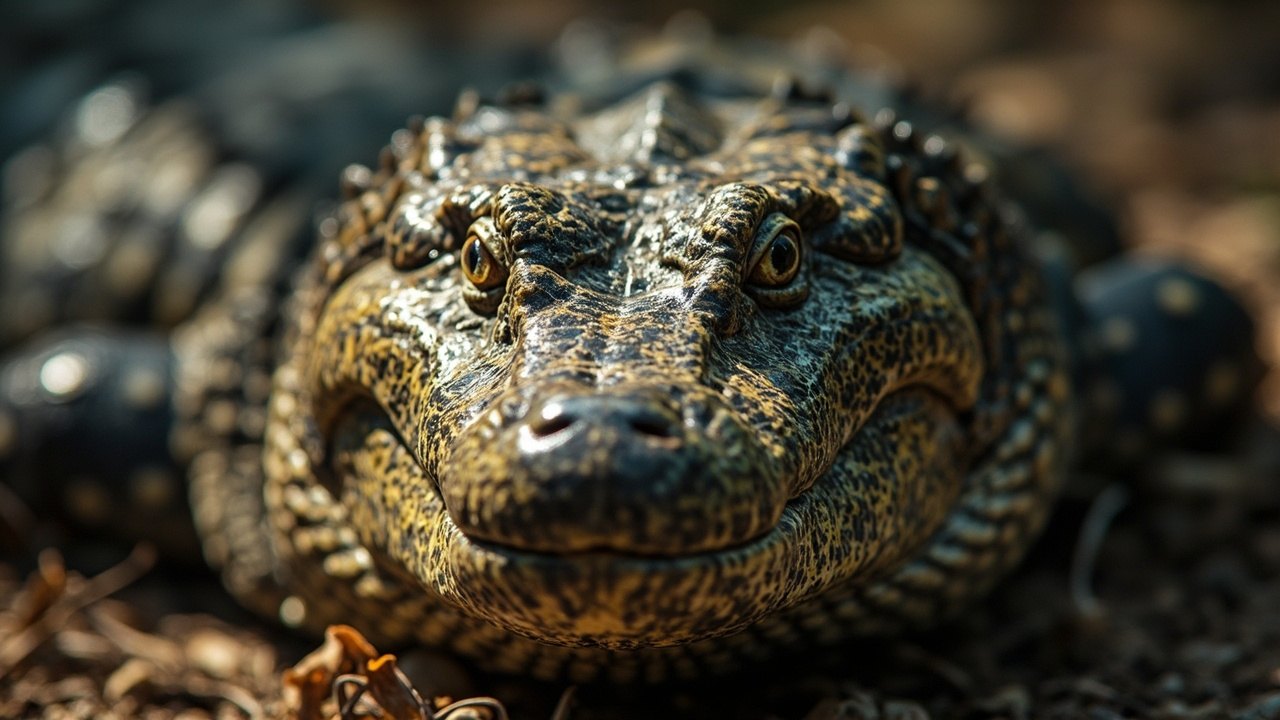
Protecting gharials means protecting functioning rivers. Effective work combines safer fishing practices, protection of nesting banks, management of river flows, monitoring of released animals and local participation. Captive breeding can support recovery, but it cannot replace the clean, connected river habitat needed for self-sustaining wild populations.
A River Specialist With Specific Requirements
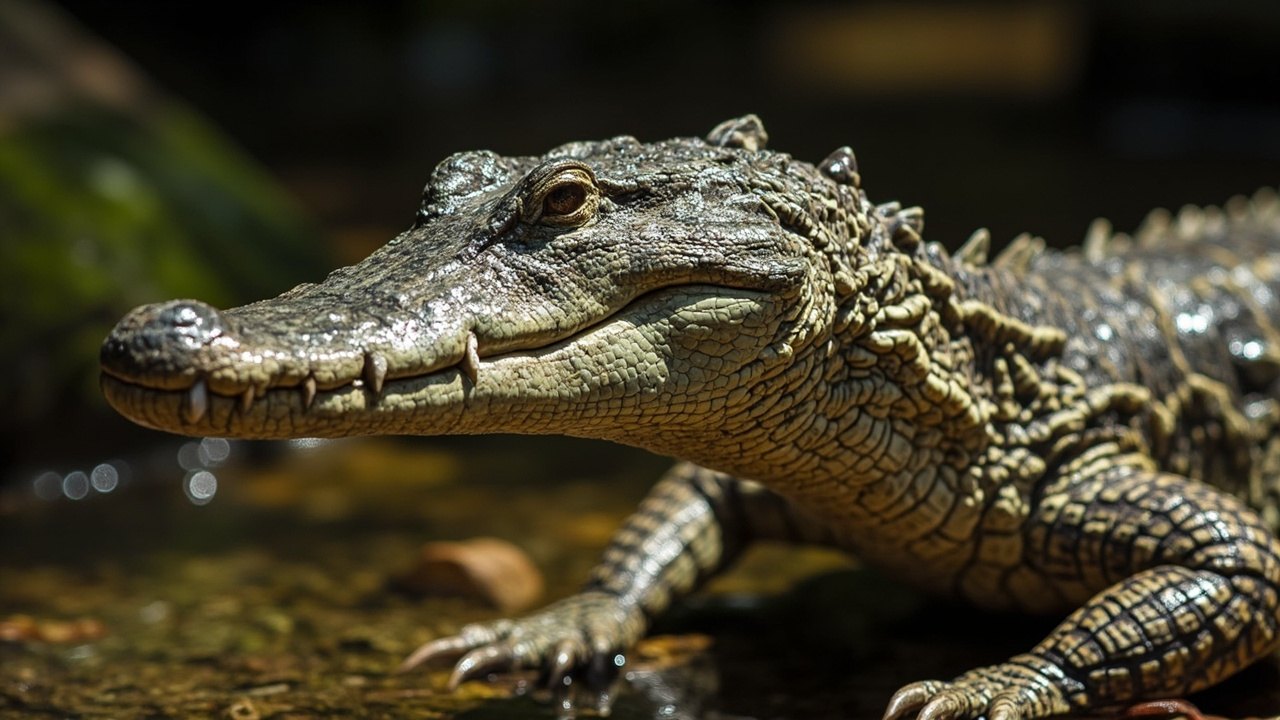
The gharial, Gavialis gangeticus, has a long narrow snout suited to catching fish. Its conservation depends on more than the presence of a river. Flow, deep water, sandbanks, nesting areas, prey, low disturbance and connection between river reaches all affect whether a site can support a population. A modified channel can still contain water while lacking the conditions needed for breeding or safe movement.
Gharials should not be described as harmless because their snout is narrow. Any large wild crocodilian deserves distance, and nesting or basking animals should not be approached. Local rules and wildlife authorities are the right source for safety information around river habitat.
Recovery Needs Several Measures of Success
Head counts are useful, but they do not show the whole picture. Monitoring should also consider age structure, nesting activity, hatchling survival, habitat quality and the threats faced by adults. Releases from conservation programmes require follow-up because the animals still need functioning river habitat after they enter the wild.
Protect Whole River Reaches
Sand extraction, fishing pressure, dams, pollution and disturbance at riverbanks can affect different life stages. Effective protection links species monitoring with river management and local communities rather than treating a single protected sandbank as the entire solution.
Sources and review notes
Reviewed 23 August 2026. Reptile biology is wonderfully variable. We have avoided turning one species, photograph or dramatic observation into a rule for an entire group, and we have used cautious wording where evidence or local conditions differ.
Reference starting points: The Reptile Database, The IUCN Red List of Threatened Species, and PubMed-indexed research. Conservation status, taxonomy and local laws can change, so check the linked databases and the relevant local authority for current information.
Spotted something we should revisit? Send Reptile Explorer a correction—thoughtful reader feedback is always welcome.