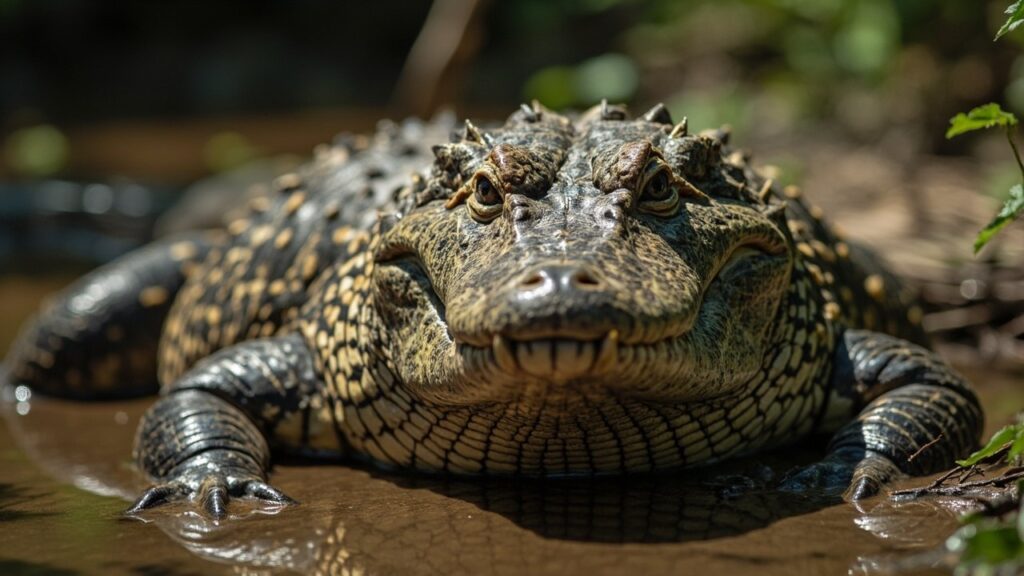
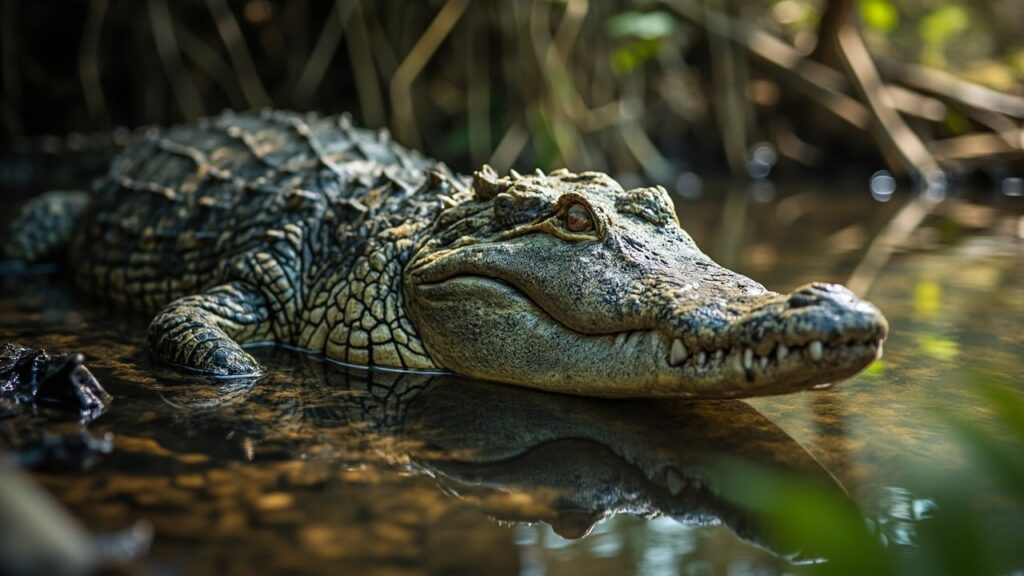
A small crocodile of African forests and wetlands
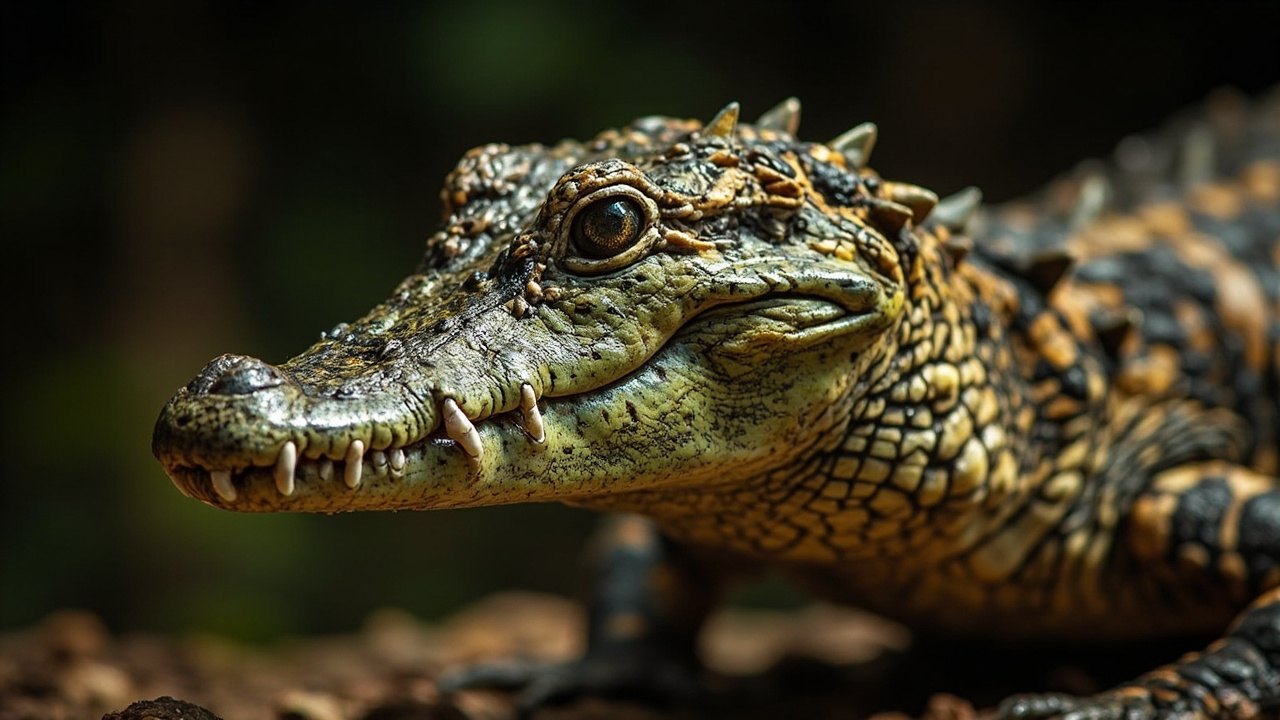
Dwarf crocodiles belong to the African genus Osteolaemus, not to the South American caiman groups. They occur in parts of West and Central Africa, where they use forested swamps, streams, flooded forest and other sheltered freshwater habitats. They are usually secretive and are most often active at night.
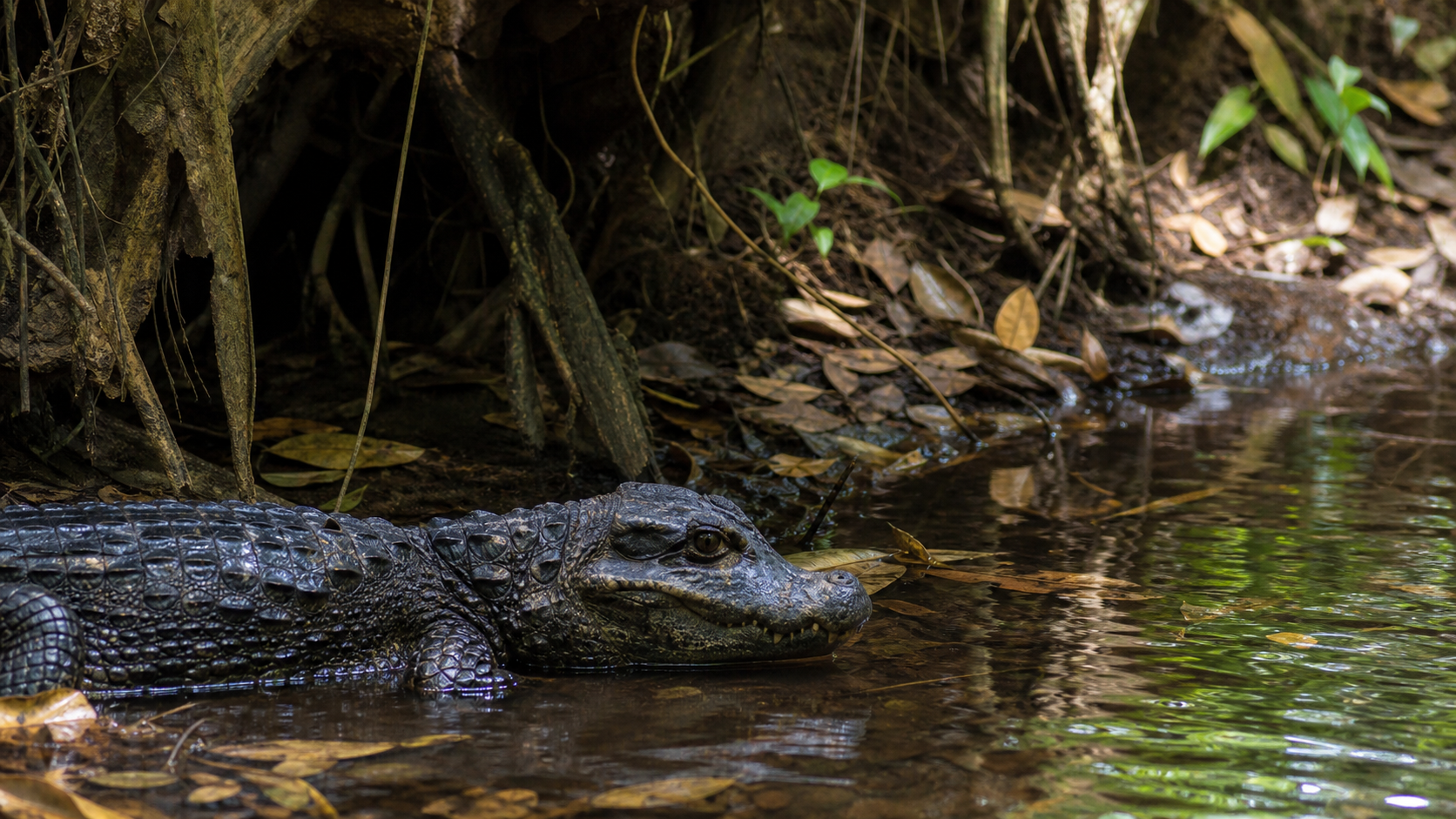
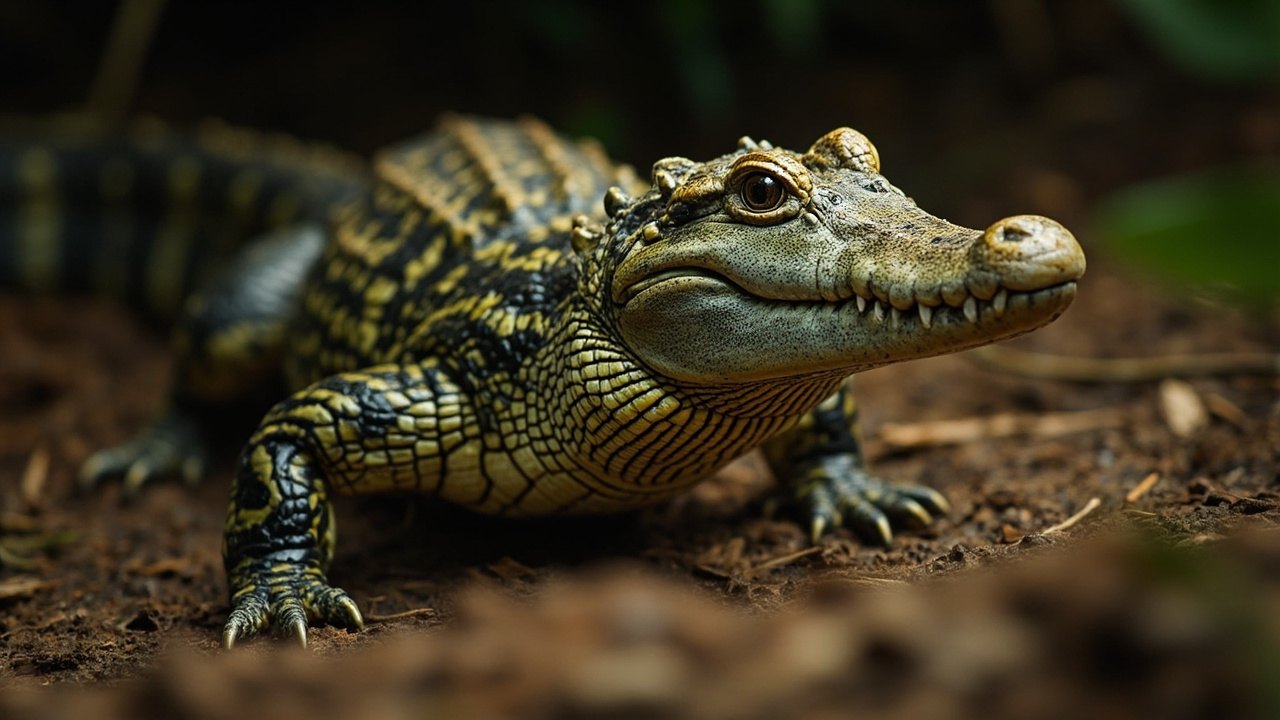
Built for a hidden life
Compared with larger crocodilians, dwarf crocodiles are relatively small, heavily armoured and difficult to survey. They eat a range of available prey, including aquatic animals and terrestrial invertebrates or vertebrates depending on size and place. Their ecological role cannot be reduced to a single prey list or a claim that they are “gentle.”
Conservation depends on habitat and local knowledge
Forest loss, wetland disturbance, hunting and trade can affect populations, while poor detectability makes status assessment difficult. Conservation work benefits from protecting wetlands, supporting local monitoring and reducing unsustainable take. Captive breeding is not a substitute for secure habitat and should only be part of a wider, evidence-based conservation strategy.
Forested Waters Provide More Than Cover
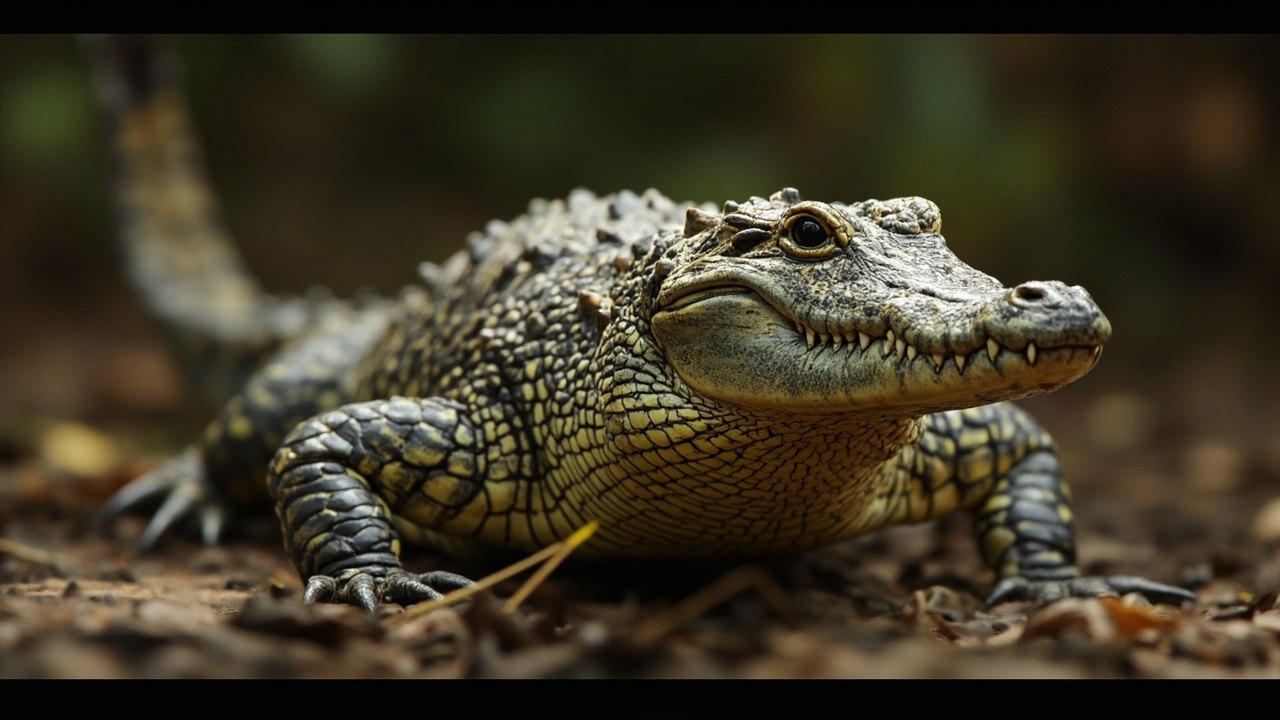
Dwarf crocodiles are associated with forest streams, swamps, pools and other sheltered water in parts of West and Central Africa. Fallen wood, vegetated banks, water depth and the seasonal connection between water bodies can influence where an animal rests, feeds and moves. A small crocodilian is still a wild predator, so a close encounter is neither safe nor useful for identification.
Survey work can be difficult because these animals may be nocturnal, secretive and active in dense cover. A lack of sightings during a brief visit is not evidence that a wetland is empty. Repeated surveys that record habitat conditions, season and observation method are more reliable than a broad estimate based on one watercourse.
Names and Records Require Care
Dwarf crocodile classification and distribution have been studied closely, and regional populations should not be treated as interchangeable. Conservation records need a defensible identification, locality, habitat description and date. Where a record is uncertain, it should remain provisional rather than being converted into a precise range claim.
Habitat Protection and Safety Go Together
Forest loss, hunting, pollution and disturbed waterways can affect dwarf crocodiles and their prey. Protection works best when it considers connected forest and freshwater habitat alongside the knowledge and safety of people who use the area. Wildlife should be reported through the appropriate local programme, not handled or relocated by visitors.
Sources and review notes
Reviewed 23 August 2026. Reptile biology is wonderfully variable. We have avoided turning one species, photograph or dramatic observation into a rule for an entire group, and we have used cautious wording where evidence or local conditions differ.
Reference starting points: The Reptile Database, The IUCN Red List of Threatened Species, and PubMed-indexed research. Conservation status, taxonomy and local laws can change, so check the linked databases and the relevant local authority for current information.
Spotted something we should revisit? Send Reptile Explorer a correction—thoughtful reader feedback is always welcome.