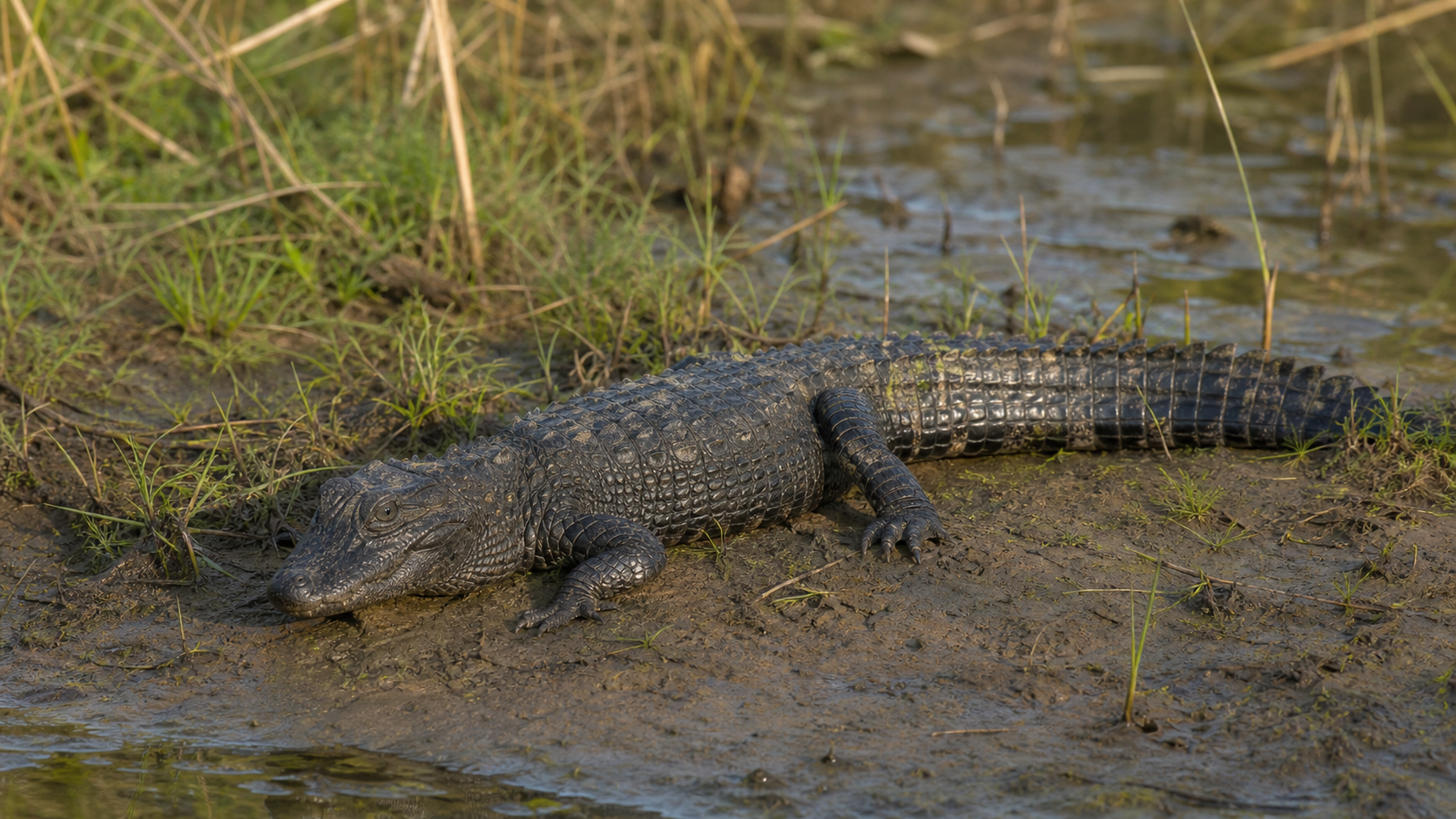
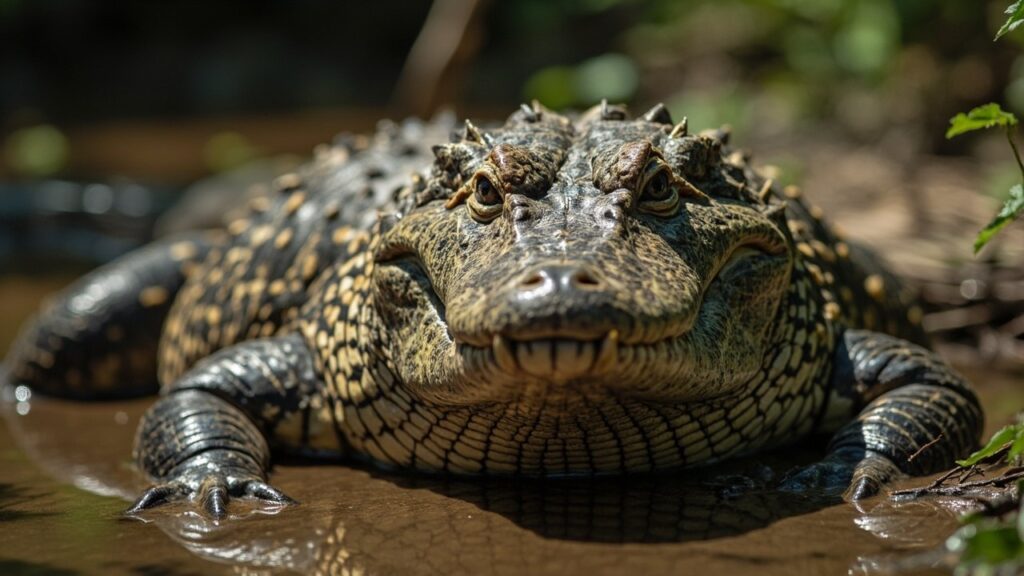
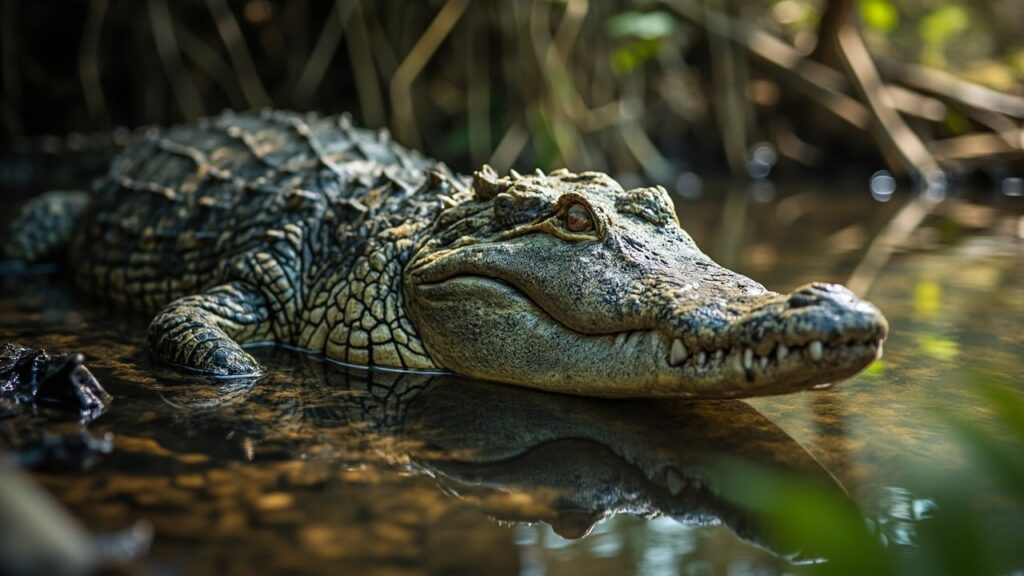
Chinese Alligators Endangered Endemics

Chinese alligators, critically endangered and unique to China, now inhabit a mere fraction of their former range in Anhui province. Their historical ranges along the Yangtze River have disappeared due to wetland destruction, agricultural expansion, and urban development. From a wild population of around 1,000 in the 1970s, they dwindled to fewer than 130 by the early 2000s, but have seen a gradual recovery thanks to captive breeding programs. Despite approximately 15,000 alligators in captivity, only around 300 remain in the wild, facing extremely high extinction risks from habitat loss and poaching. Conservationists are racing against time to save this unique species.

Key Takeaways

Chinese alligators are on the brink of extinction, with a mere 200-300 individuals remaining in the wild. Their habitat is confined to a small area in Anhui province, China. The main threats to their survival include habitat destruction, poaching, and negative public perception. Conservation efforts are underway, with thousands of alligators bred in captivity and some successfully reintroduced into the wild. International cooperation and educational outreach are vital for the species' survival.

Habitat and Distribution

Youtube video

Occupying a restricted range in the counties of Anhui province, the Chinese alligator's habitat has drastically shrunk from its historical range across the lower Yangtze River basin. The main culprit behind this drastic reduction in habitat area is the extensive destruction of wetlands and marshes, primarily due to agricultural expansion, urban development, and water management projects.

Fossil records indicate that Chinese alligators once flourished along the vast stretches of the Yangtze River, with individuals reaching lengths of up to 2 meters. Today, their restricted habitat is a mere shadow of its former expanse. To address this crisis, the Anhui National Nature Reserve for Chinese Alligator was established in 1982, covering a significant protected area. This reserve plays a vital role in conserving the remaining wild population and restoring their natural habitat.

As the only member of the Alligatoridae family outside the Americas, the Chinese alligator holds unique ecological and evolutionary significance. Concerted conservation efforts are vital to ensure the ongoing survival of this critically endangered species.

Population Trends

growing population changes

The dramatic decline of Chinese alligators is a pressing concern. By the early 2000s, their wild numbers had plummeted to fewer than 130 individuals. Fortunately, dedicated conservation strategies, including captive breeding, have helped stabilize the population. By the late 2010s, the numbers had gradually risen to approximately 300 wild individuals.

Captive breeding programs have played a vital role in the conservation effort, with thousands of Chinese alligators sheltered at the National Chinese Alligator Natural Reserve. This intervention is crucial, Given the species' classification as Critically Endangered on the IUCN Red List. While conservation efforts have helped stabilize the population, more needs to be done to protect and restore their habitats.

The focus must remain on bolstering wild populations and ensuring their habitats are safeguarded and restored. Without sustained and enhanced conservation measures, the Chinese alligator remains at high risk of extinction.

Threats to Survival

existential risks and vulnerabilities

When considering the threats to the survival of Chinese alligators, I can't ignore the devastating impact of habitat destruction caused by dam construction and agricultural conversion, which has fragmented their already limited range. Furthermore, poaching for meat and traditional medicine, combined with the negative public perception of these alligators, exacerbates their decline. With only an estimated 200-300 individuals remaining in the wild, these pressures put the species at a critically high risk of extinction.

Habitat Destruction Impact

Habitat destruction has ravaged the Chinese alligator's native range in the Yangtze River basin, pushing it to the brink of extinction. Human activities have systematically degraded their environment, leading to fragmentation. One major contributor is the conversion of marshlands into agricultural land. These wetland habitats are vital for the alligators, and their loss has forced the population into smaller, isolated areas.

Dam construction has significantly altered the Yangtze River ecosystem. These structures disrupt the natural flow and flooding cycles, reducing the availability of suitable habitats for the alligators. As human settlements expand into these regions, the problem worsens. The cumulative impact of these activities has led to:

  1. Wetland habitat loss: Crucial for the alligators' survival.
  2. Population fragmentation: Isolated groups are more vulnerable to extinction.
  3. Freshwater environment degradation: Pollution and overfishing diminish water quality and food sources.

These factors collectively threaten the Chinese alligator's future. To address this, we need effective conservation strategies focused on habitat restoration and protection, ensuring these ancient reptiles can thrive once again in the Yangtze River basin.

Poaching and Illegal Trade

Poaching and illegal trade have pushed Chinese alligators to the brink of extinction, driven primarily by the demand for their meat, skin, and use in traditional medicine. Historical poaching has devastated their numbers, leaving the species on the verge of disappearing.

The illegal trade in Chinese alligator parts, particularly for traditional medicinal uses, remains highly lucrative and challenging to control. Despite law enforcement efforts, the high demand and profitability of the illegal trade persist. This ongoing threat highlights the need for improved monitoring and stricter enforcement measures to protect these endangered reptiles.

Raising awareness of the dire conservation status of Chinese alligators and promoting alternative practices within traditional medicine can help reduce consumer demand for their products. By taking decisive action, we can ensure the survival of Chinese alligators in the wild.

Conservation Efforts

protecting natural environments and resources

I've focused on the multifaceted conservation efforts aimed at saving the Chinese alligator. The Anhui Research Center's breeding programs have made significant strides in increasing captive populations. Habitat restoration projects are underway to reintroduce these alligators into suitable environments. Moreover, rigorous anti-poaching measures are in place to safeguard these critically endangered reptiles from illegal hunting and trade.

Habitat Restoration Initiatives

Since 1982, the Anhui National Nature Reserve for Chinese Alligator has played a vital role in preserving the unique habitats crucial for the species' survival. Conservation efforts in the Yangtze River basin focus on reviving wetlands and marshlands previously lost to development and agriculture.

The Chinese alligator, a keystone species, greatly benefits from these restoration projects. The following measures have been crucial:

  1. Reintroduction Programs: Conservation organizations have successfully released captive-bred alligators into protected areas.
  2. Regulations: Implementing strict regulations to limit human activities like dam construction and land conversion has reduced habitat degradation.
  3. Public Education: Campaigns aim to raise awareness and reduce persecution, altering the perception of the Chinese alligator as a threat.

These combined efforts are vital for creating a sustainable environment where the Chinese alligator can thrive. The Nature Reserve not only protects the species but also fosters a balanced ecosystem, ensuring long-term conservation success. Our commitment to habitat restoration demonstrates our dedication to preserving this endangered endemic species for future generations.

Breeding Program Successes

The Anhui Research Center for Chinese Alligator Reproduction has made significant strides in its captive breeding program, playing a vital role in preventing the species' extinction. Through meticulous captive breeding efforts, the center has successfully reintroduced individuals into the wild.

A crucial aspect of their success lies in their Understanding temperature-dependent sex determination. The program carefully manages incubation conditions to help ensure a balanced sex ratio, which is vital for a sustainable breeding population.

The center's work demonstrates how focused captive breeding can bolster endangered species populations. By prioritizing genetic diversity and habitat suitability, the Anhui Research Center has transformed the fate of the Chinese alligator, steering it away from the brink of extinction and towards a more secure future.

Anti-Poaching Strategies Implemented

Implementing anti-poaching strategies, the Anhui Research Center for Chinese Alligator Reproduction has taken proactive measures to monitor and protect the remaining wild alligator populations. By fitting released alligators with satellite tracking devices, we can closely monitor their movements and quickly detect any poaching activities. This technological approach is crucial for real-time surveillance and deterrence of illegal hunting practices.

We've also worked to engage local communities through educational programs, highlighting the importance of conserving the critically endangered Chinese alligator. These programs encourage community involvement and vigilance, ensuring that local stakeholders are active participants in conservation efforts.

The Chinese government has enacted strict laws prohibiting the hunting, trading, and possession of Chinese alligators, with severe penalties for violations. These regulatory measures are vital to the species' survival.

Our anti-poaching strategy includes:

  1. Satellite Tracking: Monitoring alligator movements in real-time to detect and prevent poaching.
  2. Community Engagement: Educational programs to raise awareness and involve local populations in conservation efforts.
  3. Legal Protections: Strict laws and heavy penalties to deter illegal activities.

Through collaborative efforts between government agencies, conservation organizations, and local stakeholders, we aim to safeguard the Chinese alligator, protecting its rights and ensuring its survival.

Captive Breeding Programs

conserving endangered species through captivity

Captive breeding programs at the Anhui Research Center for Chinese Alligator Reproduction have been crucial in the fight against the extinction of this critically endangered species. The Center's conservation efforts are unmatched. Through captive breeding, they've contributed significantly to the species' recovery.

The long-term sustainability of these breeding programs is highlighted by the significant lifespan contributions of captive-bred individuals, which are vital for maintaining a viable breeding population. To ensure the survival and balanced sex ratio of hatchlings, the Center carefully controls incubation temperatures, a critical factor in reptilian development.

Moreover, the export of captive-bred Chinese alligators to zoos and conservation centers worldwide promotes international cooperation and raises global awareness about the species' plight. This collaborative approach not only aids in conservation but also empowers communities to take action. To learn more about broader reptile conservation efforts, explore our reptile reintroduction projects. The Anhui Research Center's initiatives demonstrate the impact of dedicated conservation efforts in preserving our planet's biodiversity.

Global Awareness Initiatives

initiatives promoting global consciousness and understanding

Raising global awareness about the plight of Chinese alligators relies on strategic international cooperation and the export of captive-bred individuals to zoos and conservation centers worldwide. Since the 1950s, Chinese alligators have been exported to various institutions to highlight their critically endangered status. For a deeper look at how alligators and crocodiles compare, see our guide to alligator vs. crocodile differences. The National Chinese Alligator Natural Reserve has been pivotal, allowing limited exports since the 1980s.

Recently, four Chinese alligators were sent to Shizuoka, Japan in 2022—the first exports since 2006 due to certificate issues. This move underscores the importance of sustaining international partnerships. Many zoos are eager to receive these remarkable creatures, amplifying global attention and support for their conservation.

The International Union for Conservation of Nature (IUCN) lists Chinese alligators as critically endangered. To address this, global awareness initiatives focus on three key areas:

  1. Strategic Exports: Sending captive-bred alligators to international partners helps raise global awareness.
  2. Collaborative Conservation: Partnerships with zoos and conservation centers enhance collective efforts.
  3. Educational Outreach: Informing the public about the species' plight through educational programs is crucial.

These initiatives are vital for fostering a deeper understanding and commitment to preventing the extinction of this unique, endemic species.

Frequently Asked Questions

Why Are Chinese Alligators Endangered?

Chinese alligators are endangered primarily due to the destruction of their habitats for agricultural and urban development purposes. Overhunting for their meat and supposed medicinal properties has also significantly contributed to their decline. Furthermore, their fragmented population has exacerbated the issue.

How Many Chinese Alligators Are Left?

When I look at the wild population of Chinese alligators, the number appears precarious, hovering around 200-300. However, there's a glimmer of hope, as the National Chinese Alligator Natural Reserve is home to thousands of captive individuals, which will aid in their reintroduction.

What Is Being Done to Save the Chinese Alligator?

To save the Chinese alligator, I'm actively involved in restoring habitats in the Yangtze River basin. I'm also working to regulate the traditional medicine trade and leading public education campaigns. Breeding the alligators in captivity and reintroducing them into the wild, along with international cooperation, are crucial steps in preserving this species.

Are Chinese Alligators Related to American Alligators?

While researching conservation, I stumbled upon an interesting fact: Chinese alligators are indeed related to American alligators. It turns out that they are the only two living species in the genus Alligator, making them distant evolutionary cousins. Despite their distinct species status, they have unique anatomical differences and occupy entirely separate geographical ranges.

Scroll to Top