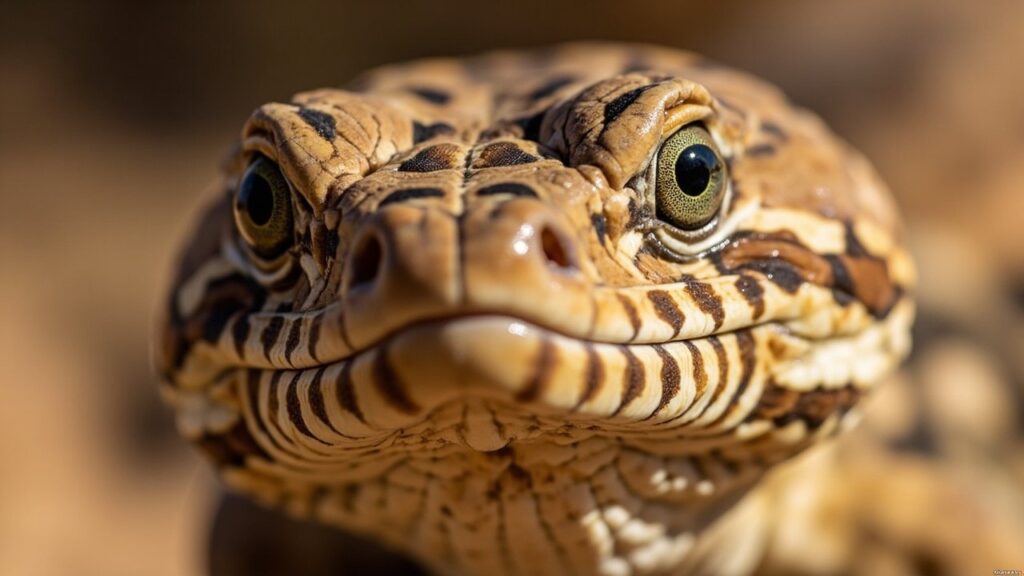
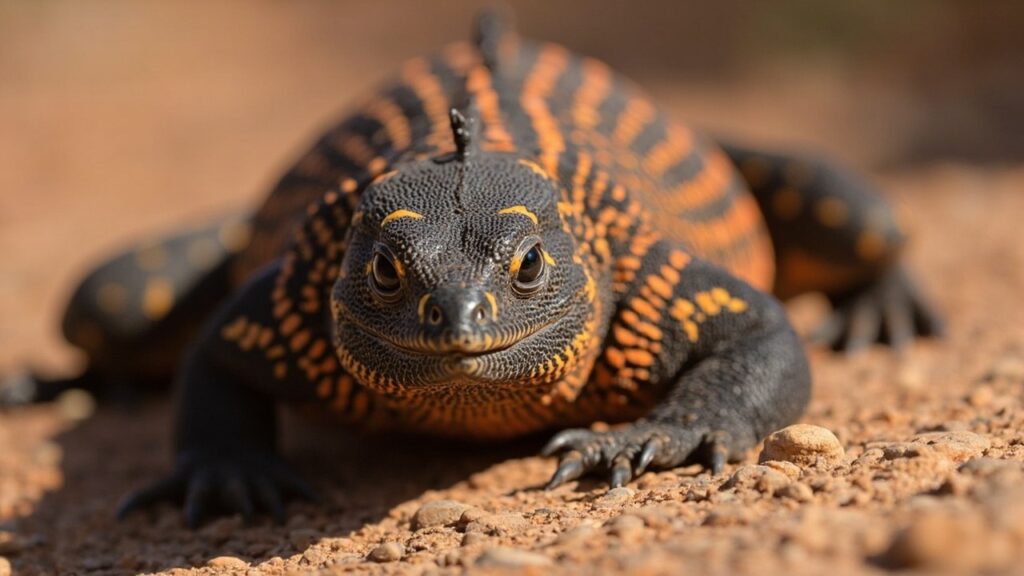
A Mosaic of Desert Habitats
Arizona’s reptile diversity reflects a varied landscape that includes the Sonoran, Mojave and Chihuahuan deserts, grasslands, riparian corridors and higher-elevation “sky island” habitats. A Gila monster, a rattlesnake and a lizard do not all use the same conditions, even when they occur within the same state.
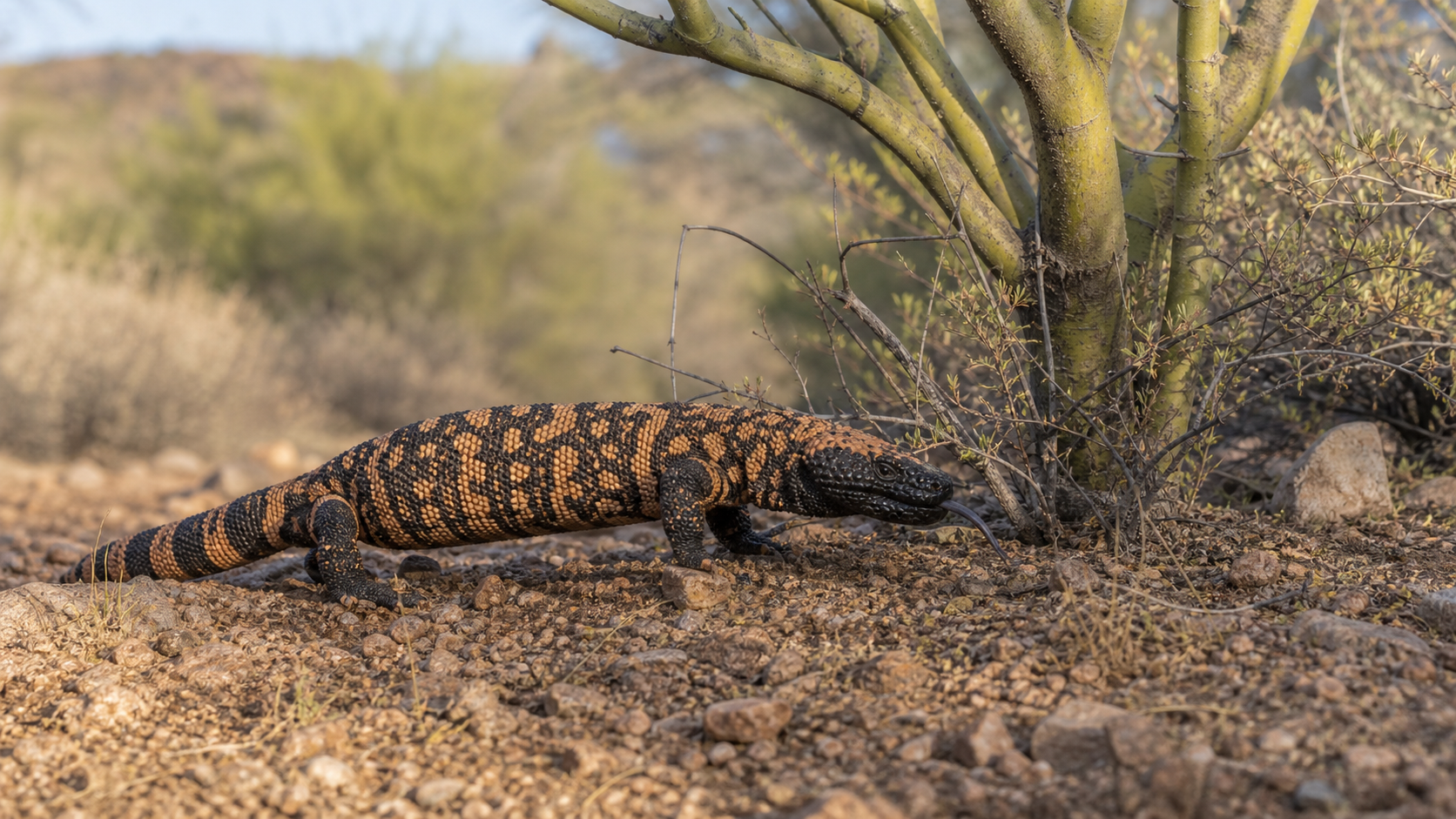
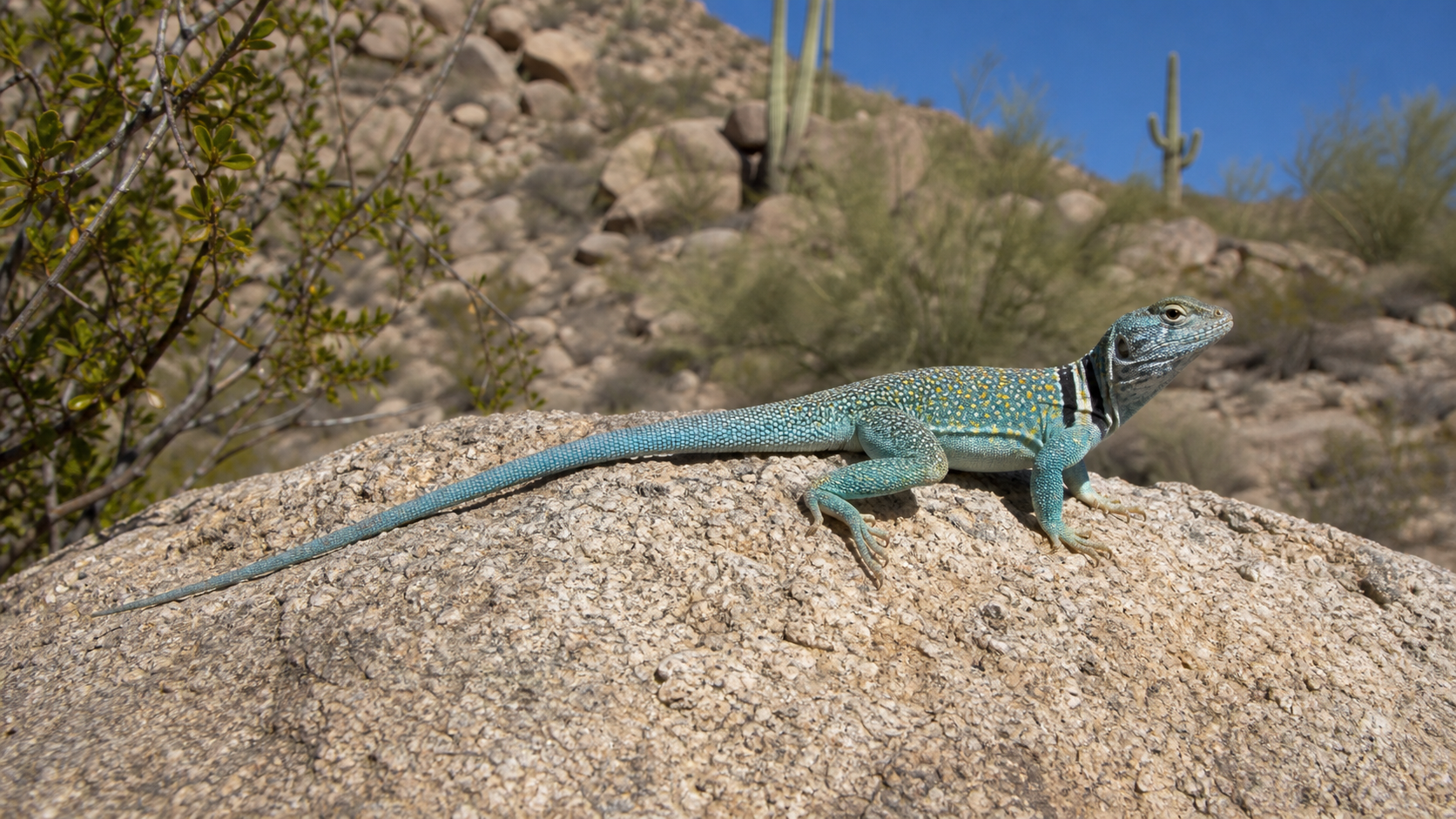
Behaviour Helps Manage Heat
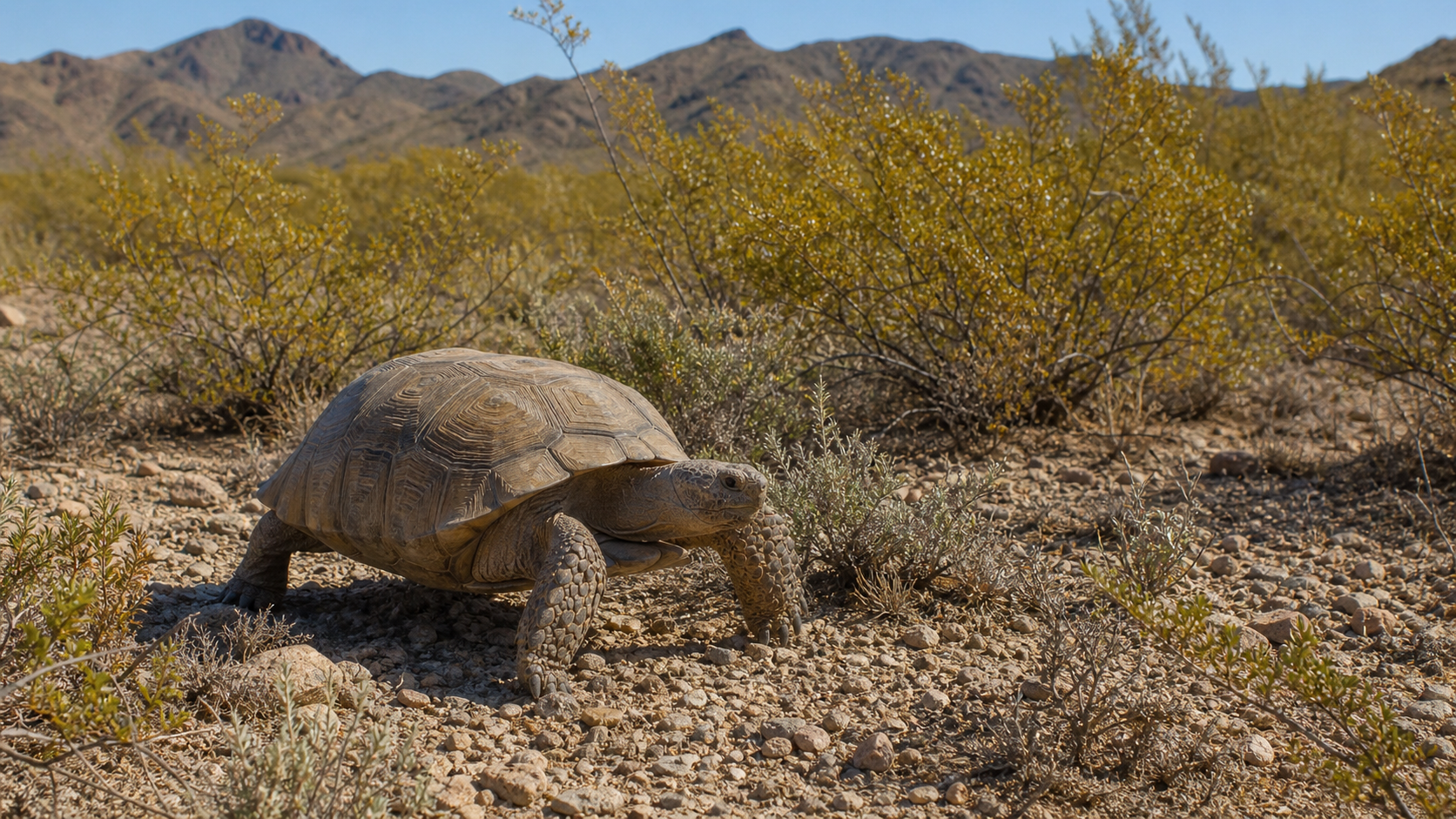
Many desert reptiles regulate their exposure by moving among sun, shade, rock crevices and burrows. Activity can shift with season, rainfall and time of day, allowing animals to avoid the most stressful conditions while still feeding, breeding and finding shelter. These choices rely on access to intact microhabitats, not on unlimited tolerance for heat or drought.
Resilience Has Limits
Roads, habitat conversion, altered water availability, rising temperatures and illegal collection can isolate or harm desert reptile populations. Visitors can help by staying on established routes, leaving rocks and burrows undisturbed, and never collecting wildlife. Seeing a reptile in the desert is a reason to observe carefully, not to interfere.
Desert Names Describe Broad Regions, Not One Reptile Community
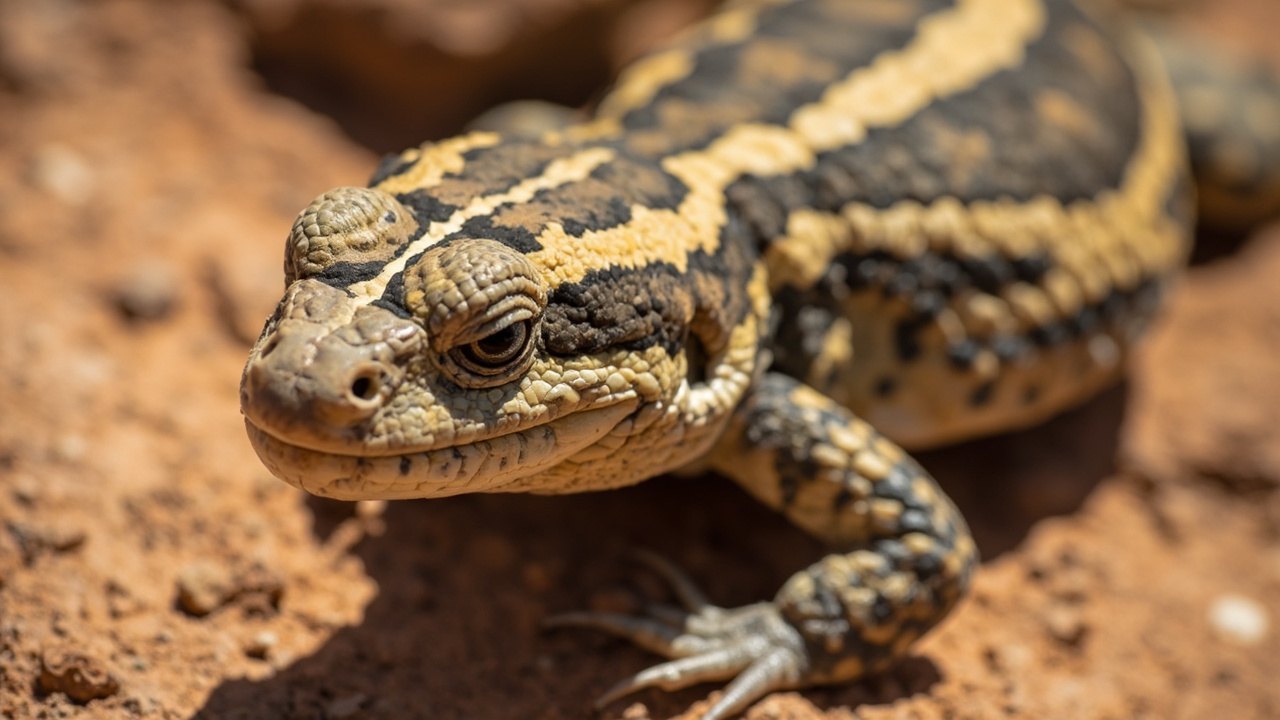
Arizona includes portions of the Sonoran, Mojave and Chihuahuan deserts, as well as grasslands, river corridors and isolated mountain ranges. Elevation, rock type, seasonal rain and vegetation can change conditions over a short distance. A species found in a saguaro desert wash may not occur on a higher grassland slope, and a reptile that uses a riparian corridor has different needs from one that shelters in open gravel.
For that reason, a field record is strongest when it identifies the animal, place, date and microhabitat. A broad label such as “Arizona desert reptile” is useful for an introduction, but it cannot replace range maps, local survey work and careful identification.
Activity Depends on Conditions at Ground Level
Air temperature is only one part of a reptile’s environment. Sand, rock, shade, burrows, vegetation and wind can make nearby spots much warmer or cooler. Many reptiles change activity time after rain or during seasonal transitions. These choices do not mean that an animal can tolerate any heat or drought. They depend on access to usable refuge, food and water conditions.
Observation Can Protect Sensitive Habitat
Wildlife should be left where it is found. Avoid turning rocks, blocking a burrow, posting a precise location for a sensitive species or collecting an animal. A clear photograph taken from a distance, with a general habitat note, can be more useful to a local natural-history project than a close encounter. Where a snake or venomous lizard presents an immediate safety concern, contact the relevant local wildlife authority rather than attempting to move it.
Sources and review notes
Reviewed 23 August 2026. Reptile biology is wonderfully variable. We have avoided turning one species, photograph or dramatic observation into a rule for an entire group, and we have used cautious wording where evidence or local conditions differ.
Reference starting points: The Reptile Database, The IUCN Red List of Threatened Species, and PubMed-indexed research. Conservation status, taxonomy and local laws can change, so check the linked databases and the relevant local authority for current information.
Spotted something we should revisit? Send Reptile Explorer a correction—thoughtful reader feedback is always welcome.