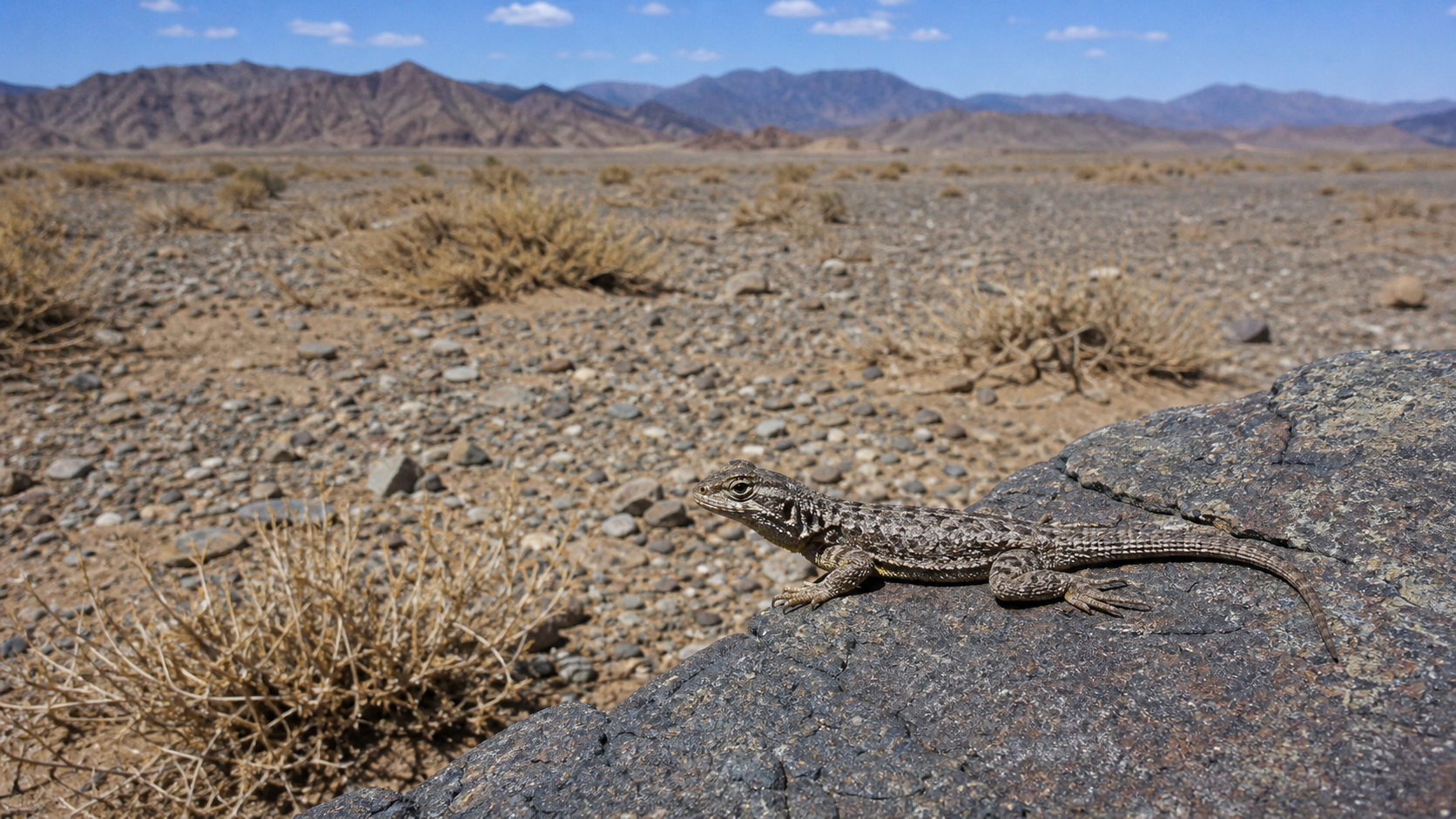
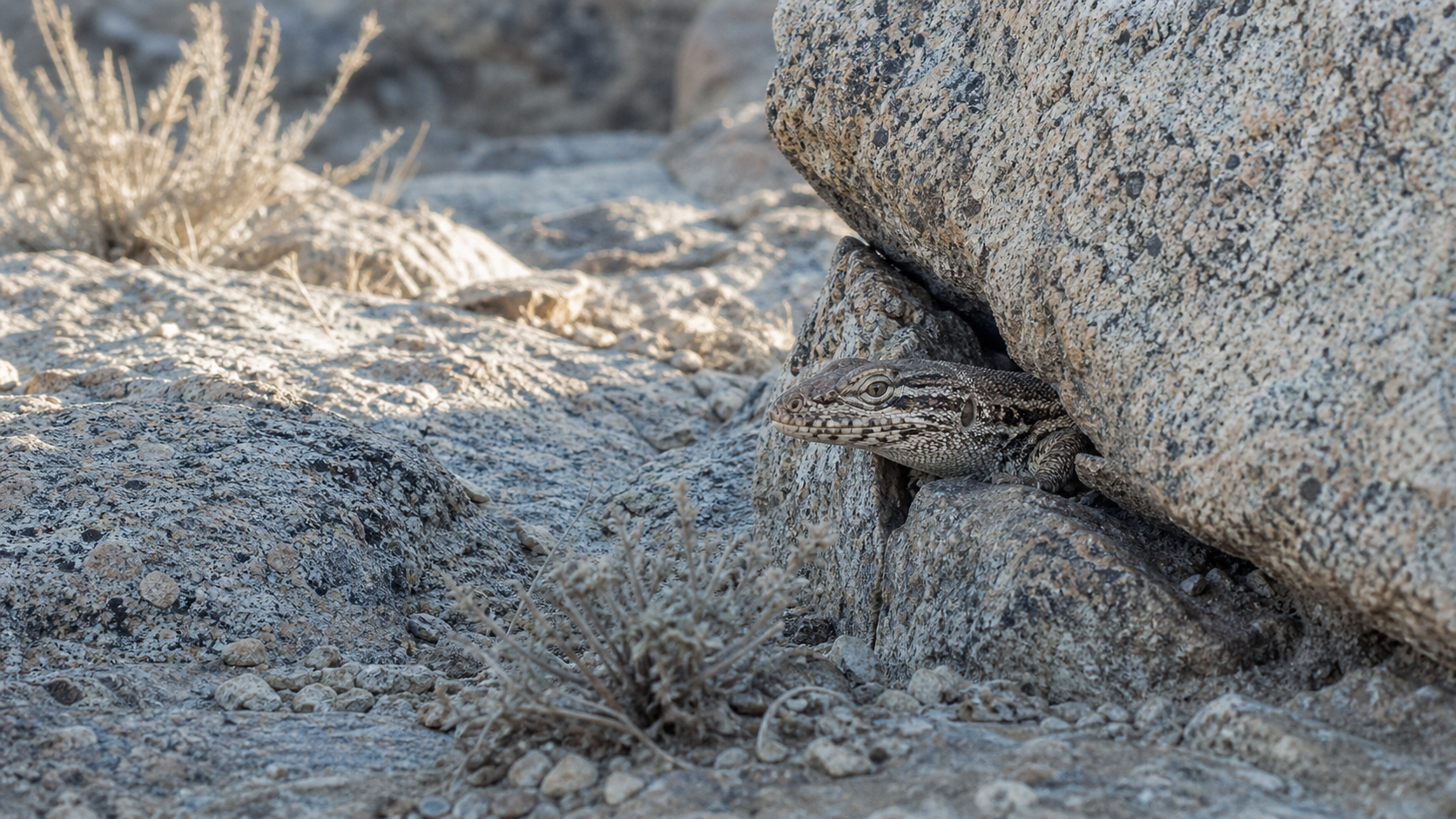
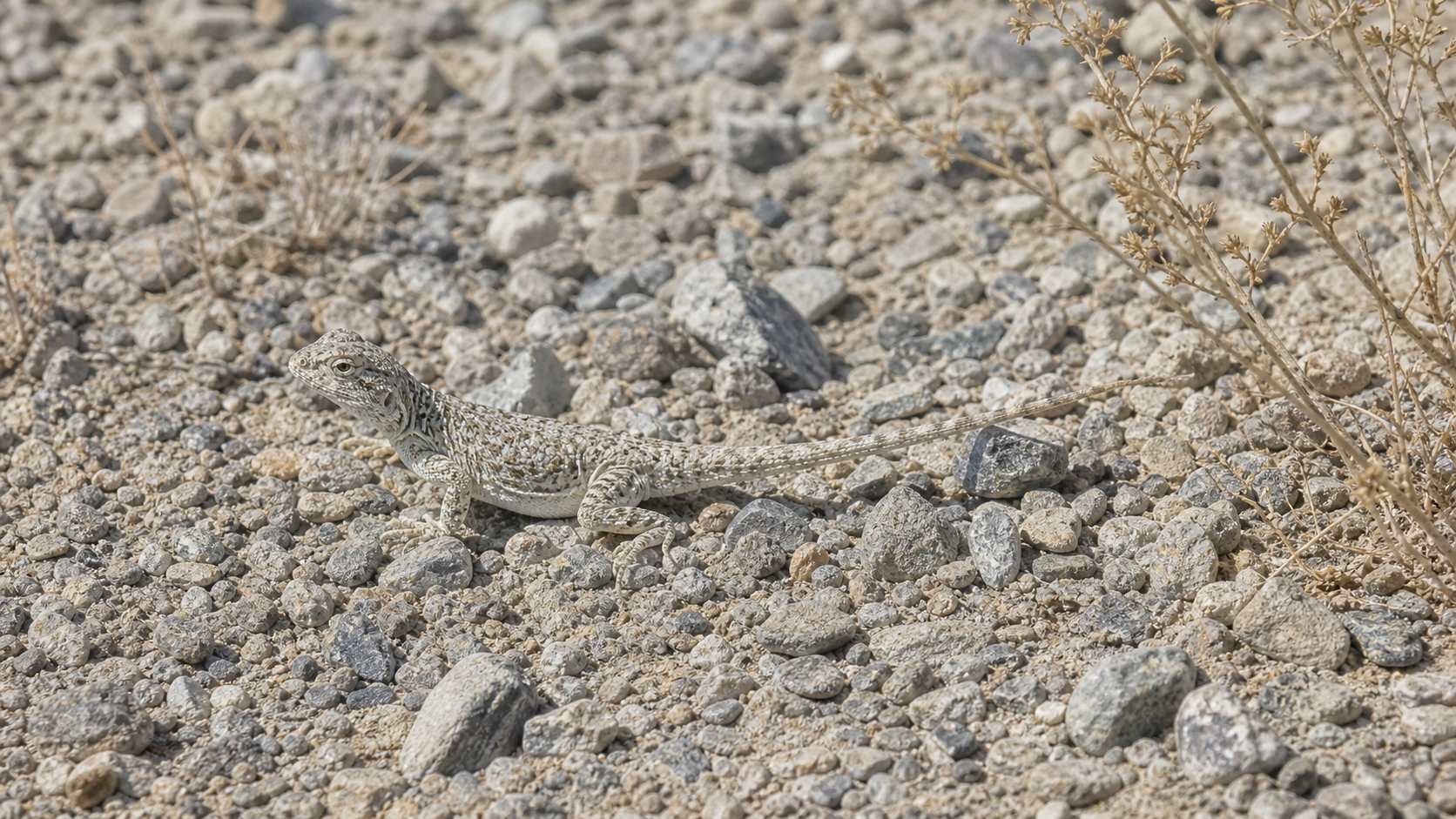
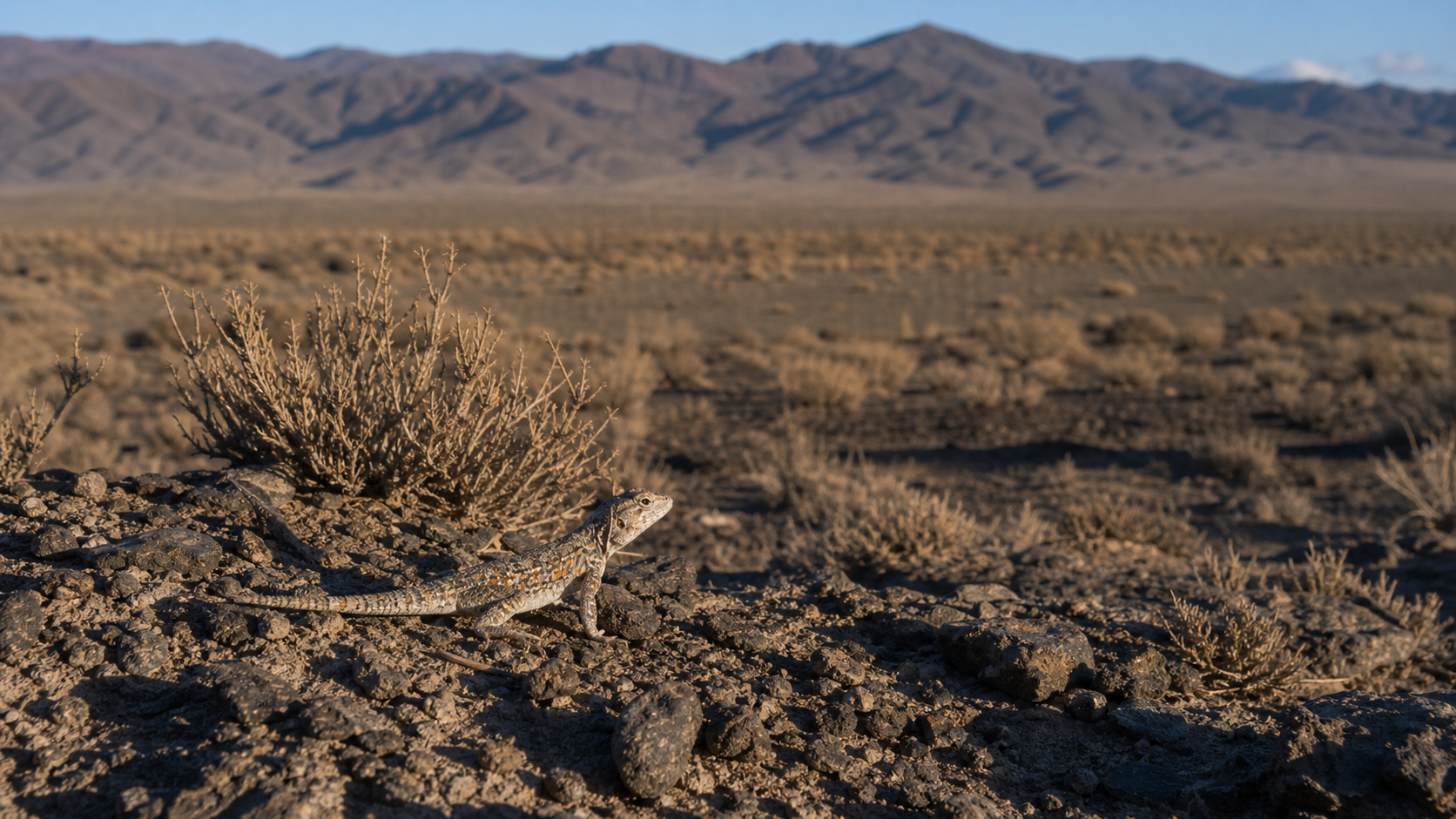
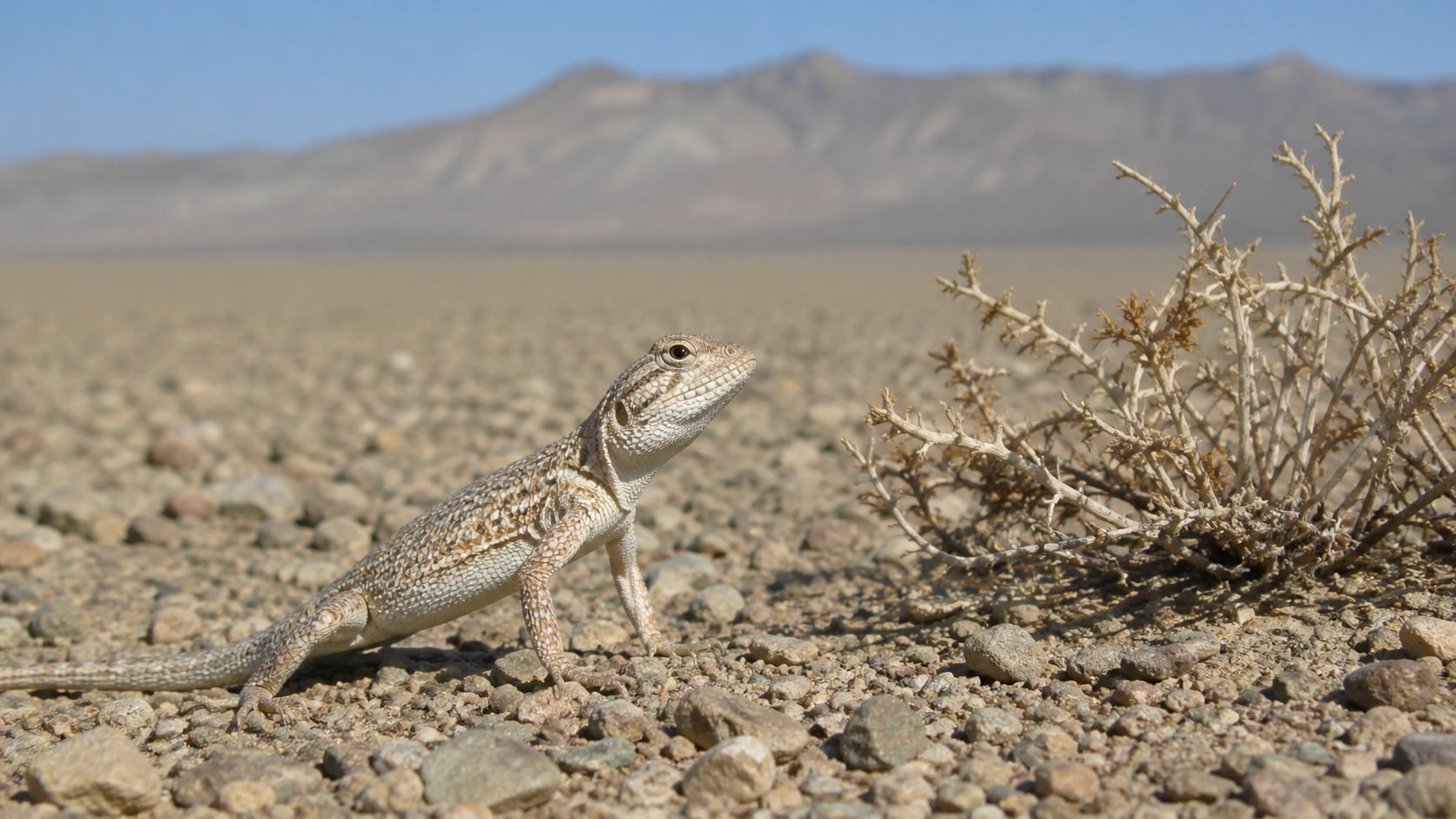
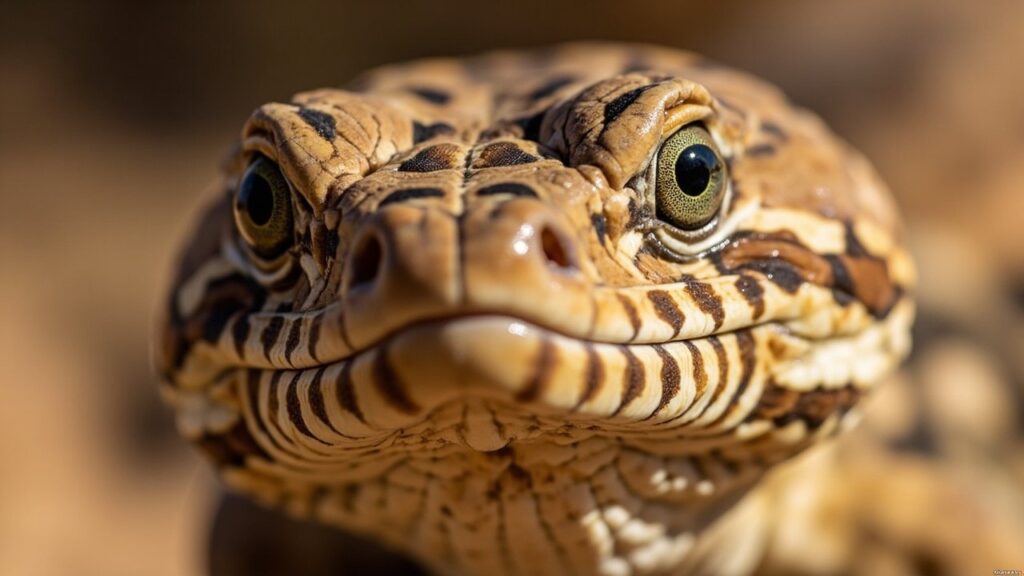
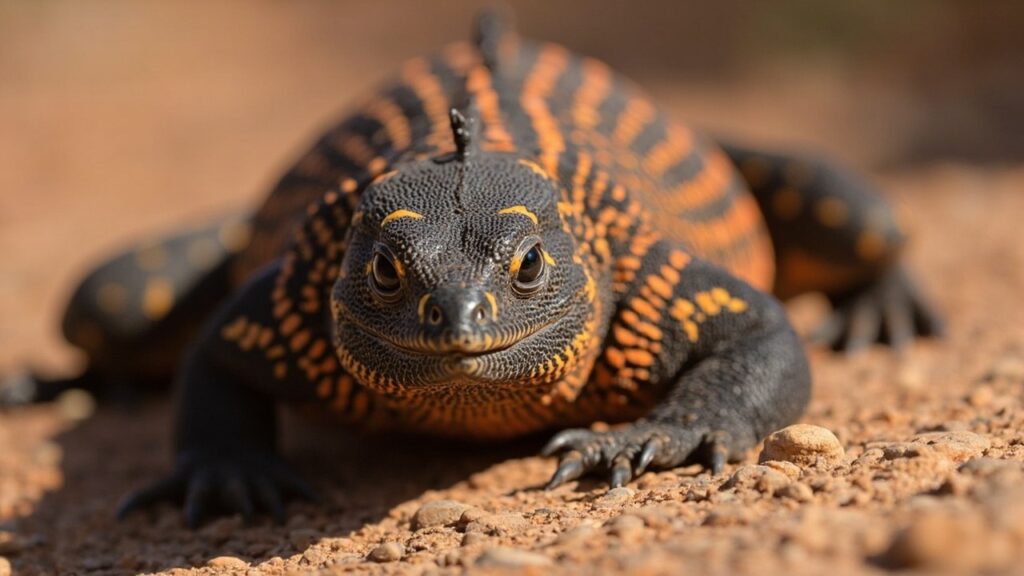
I'm fascinated by the remarkable adaptations of Gobi Desert reptiles, which have made them masters of survival. The Gobi sand lizard's flattened body allows it to move stealthily, while the Gobi racerunner can reach impressive speeds to evade predators. Gobi geckos have developed specialized toe pads for climbing, and Gobi agamas have spiny skin to protect themselves from the harsh sun. These reptiles conserve water through efficient kidneys and minimize their activity during peak heat. The Gobi agama even stores fat in its tail to survive food shortages. There's still much to learn about these incredible reptiles and their remarkable ability to thrive in the harsh Gobi environment.
Key Takeaways
Gobi reptiles have developed unique adaptations to survive the extreme temperatures of their habitat. Their thick, spiny skin and burrowing abilities help them endure the harsh conditions.
To conserve water, Gobi reptiles have efficient kidneys, store water in their bladders, and minimize water loss through their scaly skin.
The Gobi racerunner's impressive speed helps it evade predators and avoid the heat.
Gobi agama lizards store fat in their tails, allowing them to survive during periods of food scarcity.
Gobi sand lizards use camouflage and stealth to effectively evade predators.
Unique Adaptations of Gobi Reptiles
In the Gobi Desert, reptiles have developed remarkable adaptations to survive the harsh environment. The Gobi sand lizards, for instance, have flattened bodies that enable them to slide effortlessly between rocks and vegetation, evading predators with stealthy precision. Their slender bodies are built for speed and agility, gliding through the desert landscape to escape danger.
The Gobi racerunner is another marvel, capable of reaching impressive speeds, allowing them to outrun threats in the scorching desert heat. The Mongolia racerunner (Eremias argus) is native to the region, found across Mongolia, China, Korea, and Russia. Imagine the rush of moving at such speeds across the hot sand, every muscle working in tandem to ensure survival.
Gobi geckos possess specialized toe pads that enable them to climb steep, rocky outcrops with ease. They navigate their rugged terrain in search of insects and spiders, their agility a testament to their adaptability. Meanwhile, Gobi agamas sport thick, spiny skin, a perfect shield against the harsh desert sun. The genus Phrynocephalus includes 36 species of toadhead agamas native to Central Asian arid environments, including the Gobi.
Lastly, Gobi ratsnakes have mastered the art of burrowing underground. This adaptation provides a refuge from the oppressive daytime heat and offers ample hunting opportunities for small rodents.
Water Conservation Techniques

I've always been fascinated by the incredible water conservation techniques used by Gobi reptiles. These remarkable creatures have adapted to survive in one of the harshest environments on Earth, where water is scarce. From absorbing moisture through their skin to seeking shade during the hottest part of the day, they've developed clever ways to conserve every precious drop.
Efficient Water Storage
In the harsh Gobi Desert, reptiles have developed remarkable water conservation techniques to survive. These adaptations showcase nature's ingenuity in extreme environments.
To minimize water loss, their specialized scales act as tiny armor plates, shielding their bodies from the relentless desert heat. Many Gobi reptiles can absorb water directly through their skin, a rare and efficient method of hydration. Some species store water in their bladders for extended periods, using it sparingly as needed. Their kidneys are also incredibly efficient at reabsorbing water from waste, ensuring minimal loss.
These adaptations highlight the reptiles' resilience and underscore their remarkable ability to thrive in an unforgiving environment. By mastering these strategies, Gobi reptiles not only survive but flourish, embodying the spirit of independence and adaptability in one of the harshest environments on Earth.
Minimal Hydration Needs
Desert reptiles have developed remarkable water conservation techniques, allowing them to survive in the arid Gobi landscape with minimal hydration.
In the harsh Gobi environment, reptiles must maximize every drop of water they encounter. Their physiological adaptations are remarkable. Their kidneys are highly effective at reabsorbing water, producing highly concentrated urine to minimize water loss. Their scaly skin reduces evaporation. These adaptations are crucial for their survival in one of the planet's most unforgiving climates.
Understanding these creatures' minimal hydration needs provides insight into their resilience. They thrive in environments where life seems impossible, exemplifying the spirit of freedom. These water conservation techniques are a testament to their evolutionary ingenuity.
Behavioral Adaptations
In addition to their remarkable physiological adaptations, reptiles in the Gobi desert have developed extraordinary behavioral adaptations to conserve water and enhance their survival in this harsh environment. Each species has evolved unique strategies to minimize water loss and maximize their chances of survival.
These remarkable behaviors demonstrate the ingenuity of desert life in conserving water and thriving against the odds.
Temperature Regulation Strategies

Desert reptiles have mastered the art of temperature regulation, employing a dual approach to survive the harsh conditions of their arid habitats. They burrow underground to escape blistering surface heat and bask on sun-warmed rocks to soak up essential solar radiation.
These adaptations highlight the incredible resilience and resourcefulness of desert reptiles. They've evolved to thrive in environments where survival seems impossible. From thermoregulation through behavioral adaptations to physiological marvels, these creatures embody a remarkable balance with their unforgiving environments. This balance is a testament to nature's relentless drive for survival and the freedom found in life's pursuit of equilibrium.
Predator Evasion Tactics

In the harsh desert landscape, survival depends on more than just enduring the elements. Creatures must also evade the many predators lurking in the shadows. To stay alive, desert dwellers have developed remarkable strategies to avoid predators. Let's delve into the fascinating ways they thrive in these harsh conditions.
- Gobi Sand Lizards: These Central Asian desert natives sport flattened bodies and camouflage coloration that allows them to blend into their rugged surroundings to avoid predators.
- Gobi Racerunners, such as the Sidewinder: These agile lizards rely on impressive speed to outrun threats, capitalizing on the cool dawn and dusk hours when desert predators are less active.
- Gobi Geckos: Using their specialized climbing toe pads, these lizards can retreat to vertical surfaces and rock crevices that are inaccessible to ground-dwelling predators.
- Gobi Agamas, including steppe agamas and Central Asian toadhead agamas: Their spiny skin and ability to flatten against surfaces help them evade predators while basking in safe locations.
These tactics showcase the incredible adaptability of Gobi reptiles.
Notable Gobi Reptile Species

As we delve into the remarkable adaptations of desert reptiles, the Gobi Desert offers a fascinating array of species that have evolved unique traits to thrive in one of the harshest environments on Earth. The Gobi racerunner, such as the Mongolia racerunner (Eremias argus), can reach impressive speeds, allowing it to swiftly evade predators and escape the desert's intense heat. This incredible agility is a testament to the importance of speed in survival.
The Gobi agama, a small, spiny-bodied lizard, stores fat in its tail, providing an essential energy reserve during periods of food scarcity, a common challenge in such an arid landscape. This adaptation is like carrying a personal food supply wherever it goes.
Gobi geckos, with their specialized climbing toe pads, are well-adapted to the rocky terrain of the Gobi, navigating steep surfaces to find insects and escape predators.
Survival Challenges in the Gobi

Surviving in the Gobi Desert requires remarkable adaptations to cope with its extreme temperature fluctuations and scarce water sources. During the day, temperatures can soar to scorching highs, while nights plunge to freezing lows. Reptiles here have developed fascinating strategies to endure these harsh conditions.
To thrive in such an unforgiving environment, Gobi reptiles need to employ several key strategies:
- Conserve Water: With water sources scarce, Gobi reptiles maximize hydration by absorbing moisture through their skin and producing highly concentrated urine.
- Regulate Body Temperature: Burrowing underground during the hottest midday hours and basking on sun-warmed rocks during cooler periods allows reptiles to maintain optimal body temperature without overheating.
- Optimize Energy Usage: Energy conservation is crucial. Reptiles minimize movement during the hottest parts of the day, emerging only during cooler periods to forage and hunt.
- Adapt Foraging Habits: Many Gobi reptiles are crepuscular or nocturnal foragers, reducing exposure to extreme daytime heat while still meeting their nutritional needs.
These adaptations highlight the incredible resilience of Gobi reptiles, showcasing their ability to conquer one of Earth's most challenging habitats.
Frequently Asked Questions
What Do Desert Animals Need to Survive?
Desert animals have evolved unique adaptations to survive in extreme environments. Gobi reptiles conserve water through efficient kidneys and scaly skin that minimizes evaporation.
How Many Desert Animals Are There?
When it comes to desert animals, the numbers are staggering. From hundreds to thousands, these creatures have evolved remarkable adaptations to survive in harsh environments, showcasing remarkable resilience.
Which Animals Live in the Desert?
I find the Gobi desert teeming with reptile life – flat-tailed geckos navigate rocky terrain, Mongolia racerunners sprint across sandy substrates, toadhead agamas blend into gravel plains, and Gobi geckos scale cliff faces in search of prey.
What Do Desert Animals Eat?
Desert animals have unique diets that help them survive in the harsh environment. Gobi geckos prey on insects and spiders, while Gobi agamas feed on small invertebrates. Each species has evolved to thrive in its own way, demonstrating remarkable adaptability in the desert's extreme conditions.