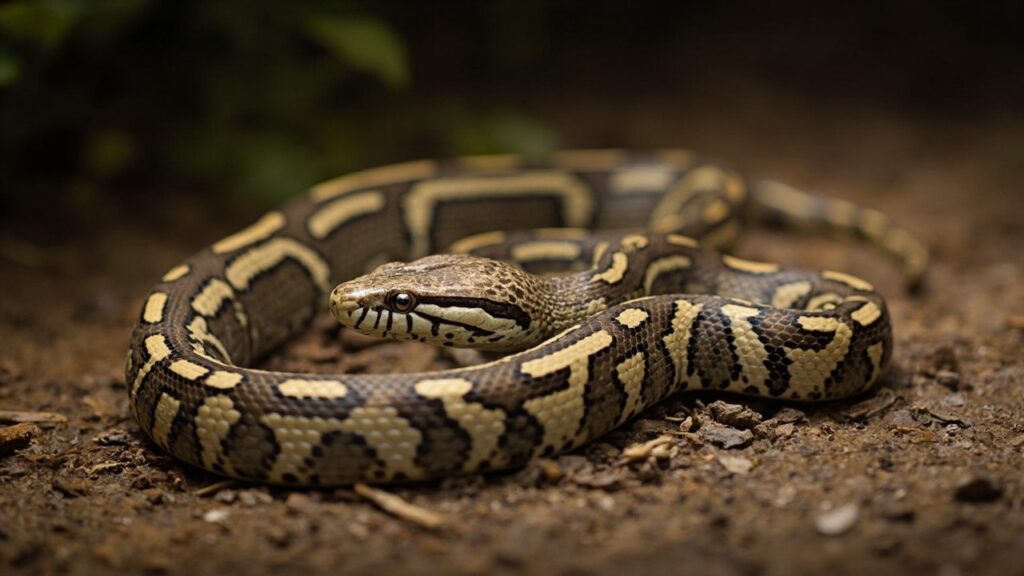
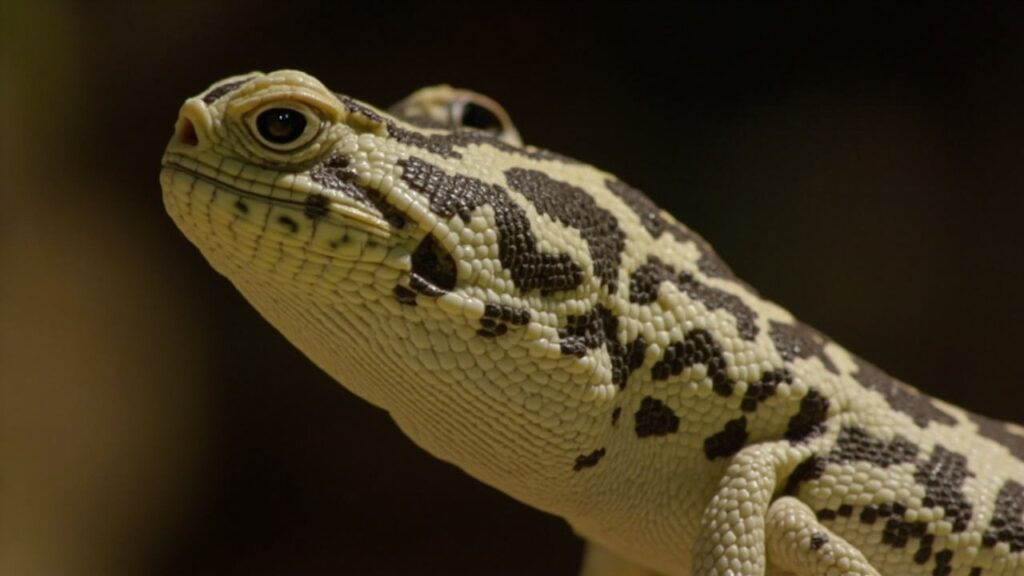
Reptiles are not “all instinct,” but it is also unhelpful to rank them against people, dogs, or other familiar animals. Their cognition varies among species and reflects the challenges of their own lives: finding food, navigating a habitat, recognizing cues, avoiding danger, and responding to change.

What research can show
Studies and carefully managed animal-care programs have documented learning, memory, navigation, and behavioural flexibility in a range of reptiles. A reptile may learn an association or solve a task without that proving it has the same motivations or social life as a mammal.
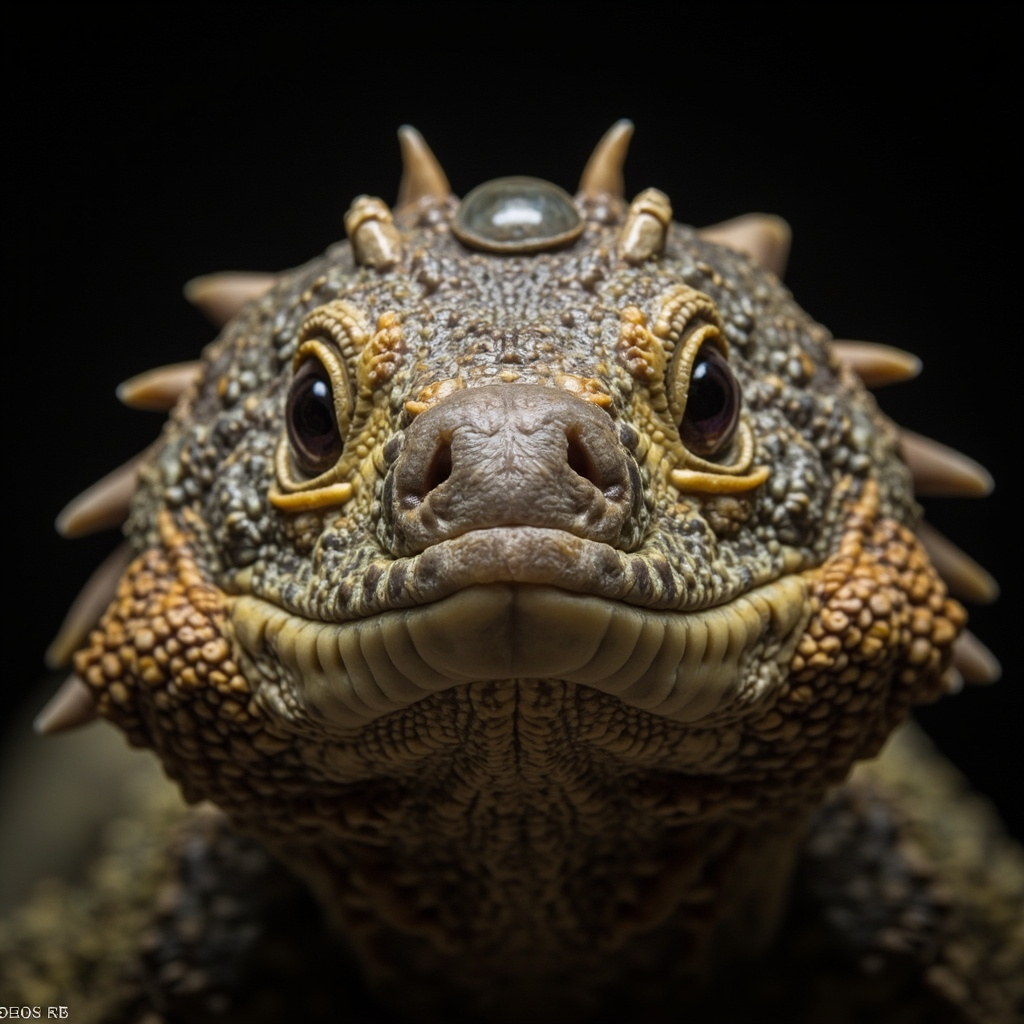
Context matters
One impressive individual or one laboratory task cannot describe every reptile. Species differ greatly in sensory abilities, ecology, and opportunity to learn. Good research compares behaviour carefully and avoids turning a single observation into a claim about an entire class of animals.
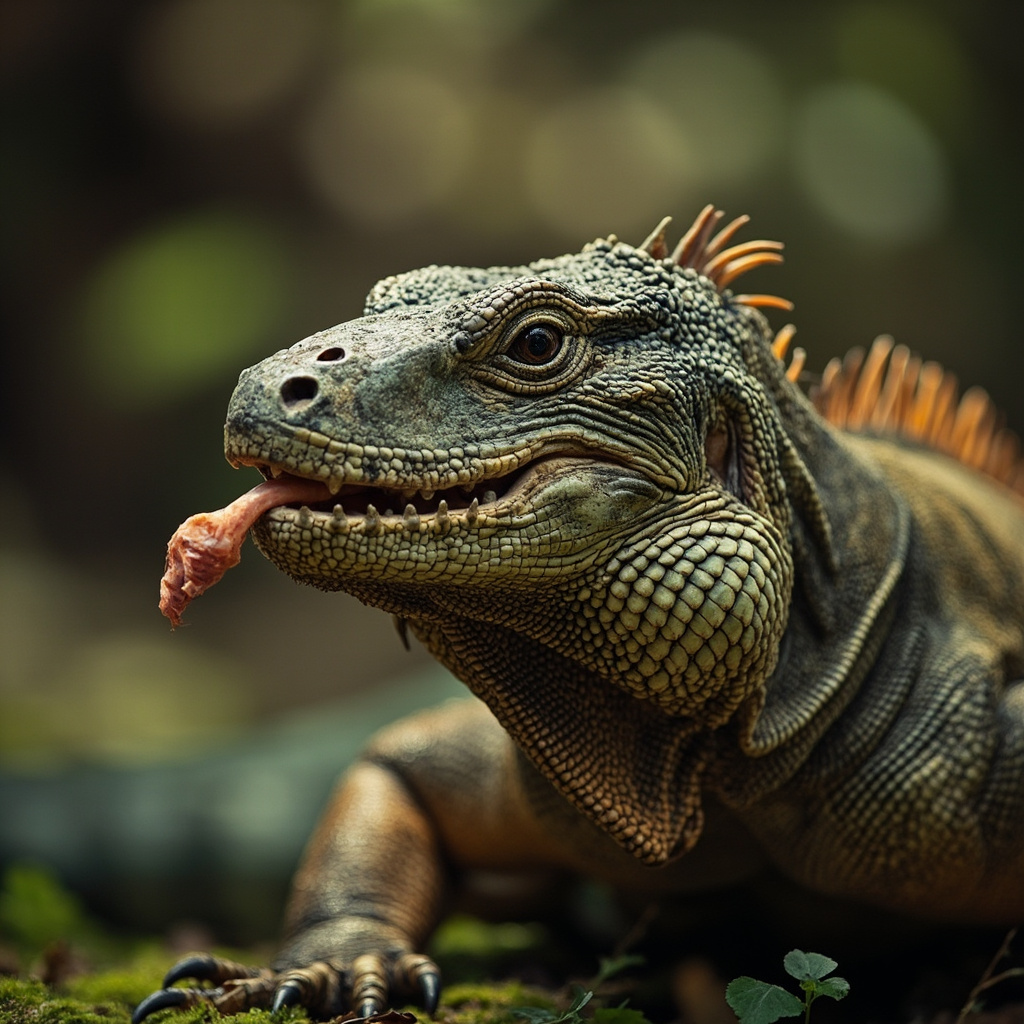
A fair conclusion
Reptiles are capable animals adapted to their environments. Respectful observation, appropriate enrichment in professional care, and species-specific husbandry tell us more than outdated labels such as “dumb” or “cold-blooded.”
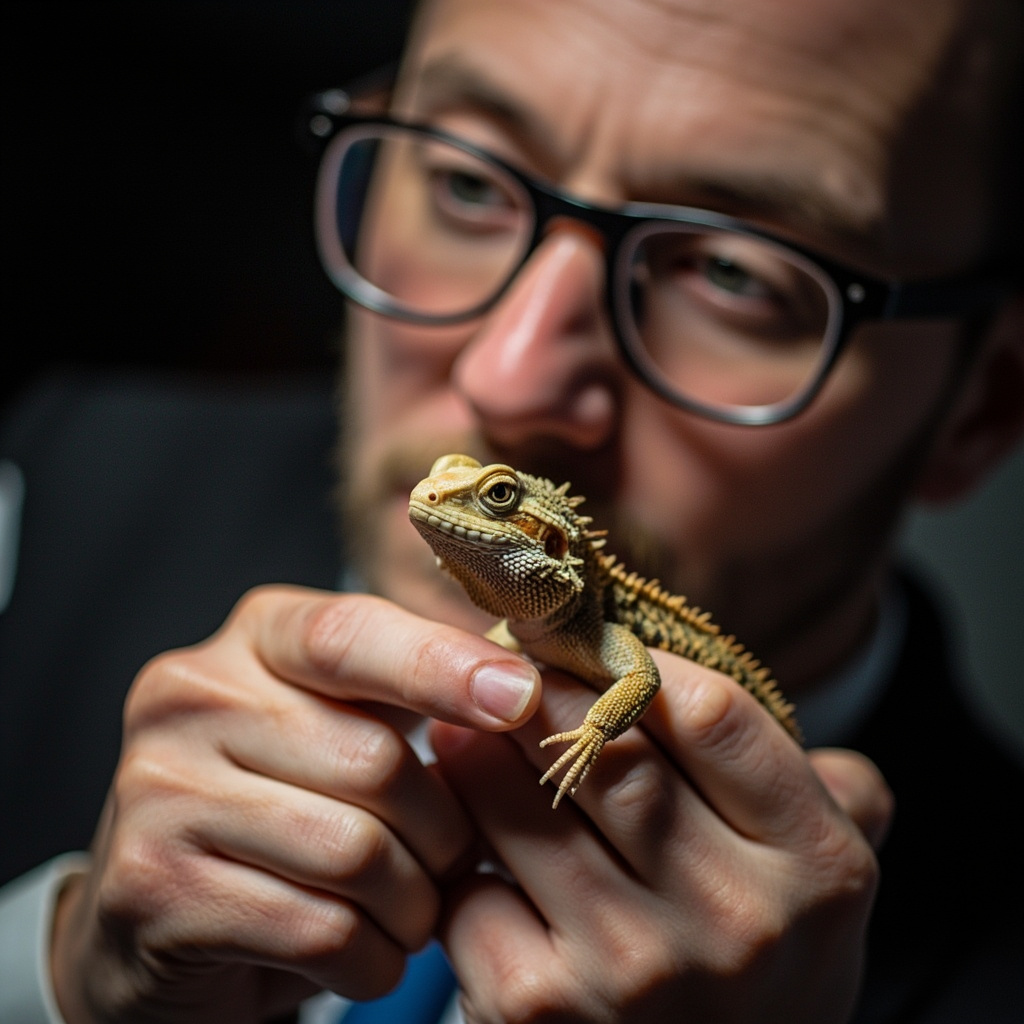
Intelligence Is Not One Score
Research on non-avian reptiles examines separate abilities such as habituation, conditioning, spatial memory, foraging decisions, visual discrimination, response to change and learning from other animals. Success in one task does not rank a species above or below another in every situation. A turtle that learns a maze, a lizard that distinguishes visual cues, and a snake that follows chemical information are using abilities shaped by different ecological demands.
Experimental Design Changes the Result
Temperature, motivation, prior experience, sensory cues, reward type and the time available to respond can all affect a reptile’s performance in a study. A task designed around human expectations may miss abilities that matter to the animal in its natural setting. Good research describes those limits and compares individuals carefully, rather than turning one striking result into a sweeping claim about an entire class of animals.
Learning Can Improve Care Without Humanising the Animal
In professional care, predictable routines and voluntary participation can help reduce stress during feeding, weighing, transport or veterinary procedures. That does not require treating a reptile’s response as proof of human-like affection or intention. Species-appropriate space, cover, temperature choices and careful observation remain the foundation of welfare. Learning research adds useful evidence when it is applied with the animal’s own sensory world in mind.
Sources and review notes
Reviewed 23 August 2026. Reptile biology is wonderfully variable. We have avoided turning one species, photograph or dramatic observation into a rule for an entire group, and we have used cautious wording where evidence or local conditions differ.
Reference starting points: The Reptile Database, The IUCN Red List of Threatened Species, and PubMed-indexed research. Conservation status, taxonomy and local laws can change, so check the linked databases and the relevant local authority for current information.
Spotted something we should revisit? Send Reptile Explorer a correction—thoughtful reader feedback is always welcome.