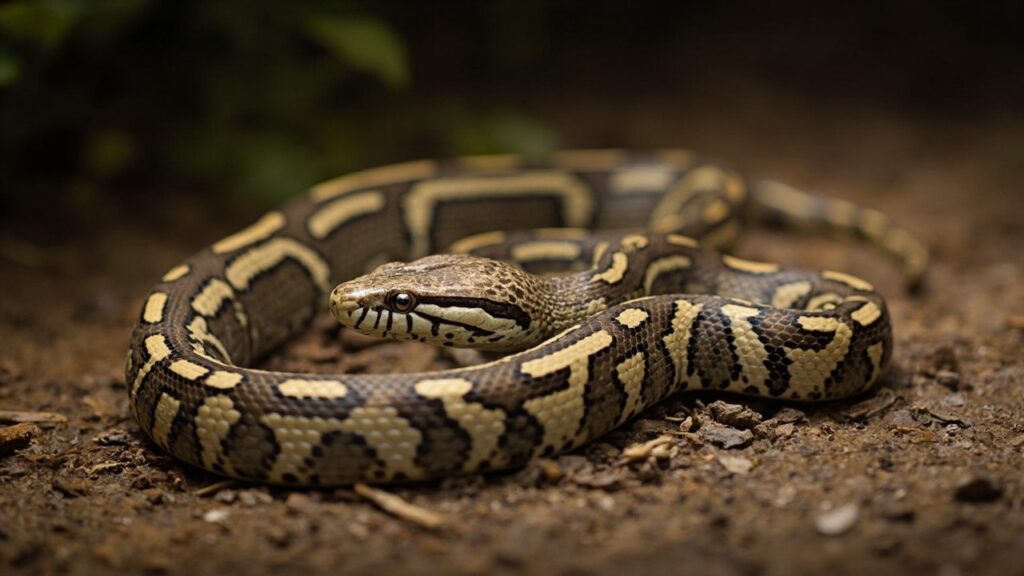
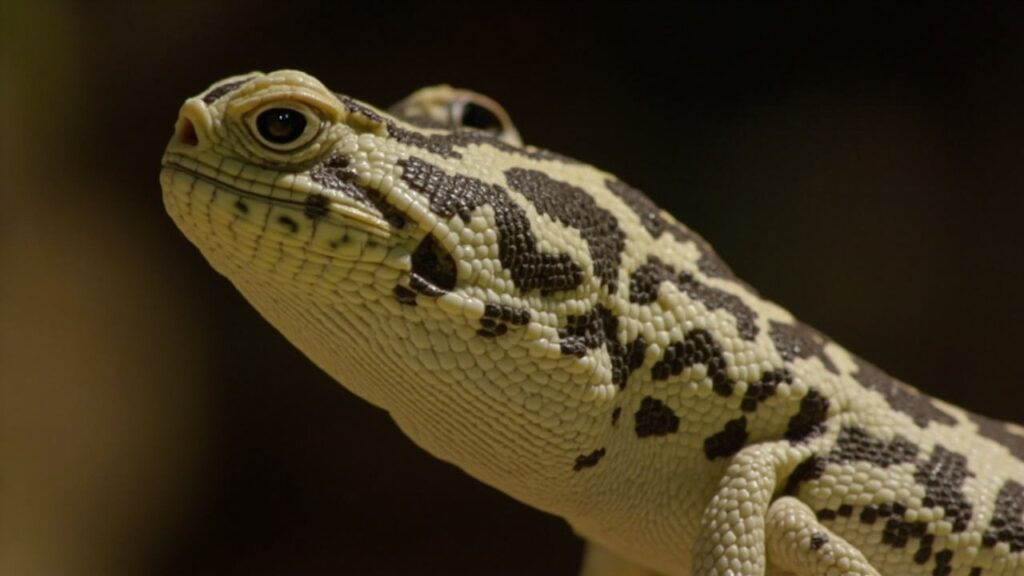
Green colour does not tell you whether a snake is harmless or dangerous. It is a useful camouflage colour in many habitats, but it is not a reliable identification feature. A safe response to any unfamiliar snake is to observe from a distance and identify it through a local expert or trusted regional guide.

Why colour can mislead
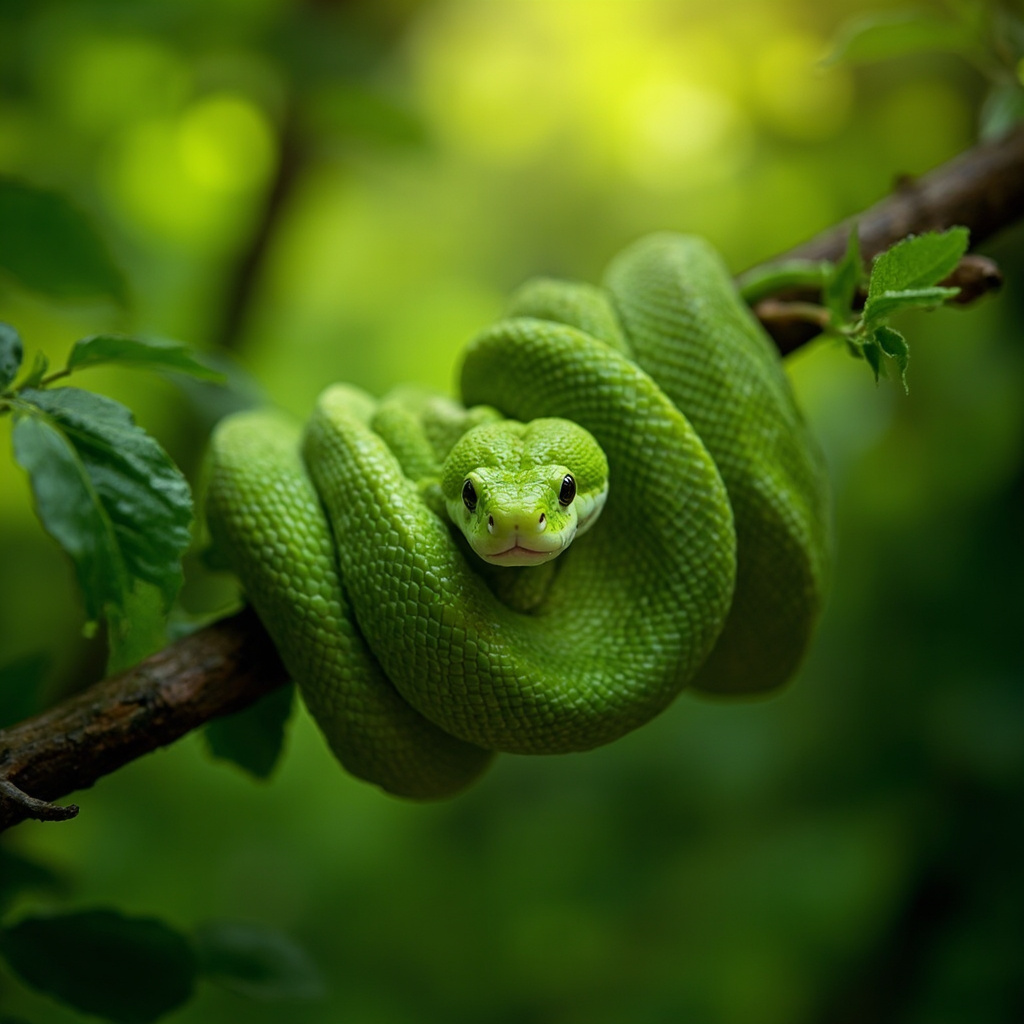
North American rough and smooth green snakes are nonvenomous, but green-coloured snakes in other parts of the world can be medically significant. Even within one region, lighting, age, and pattern can make colour a poor clue. Head shape and social-media photos are also unreliable shortcuts.
What to do instead
Keep a respectful distance, do not try to move or pick up the animal, and note the location from a safe place. If identification is needed, use a regional wildlife authority, a reputable local herpetological organization, or a qualified wildlife professional. This protects both people and the snake.
A better way to frame the myth
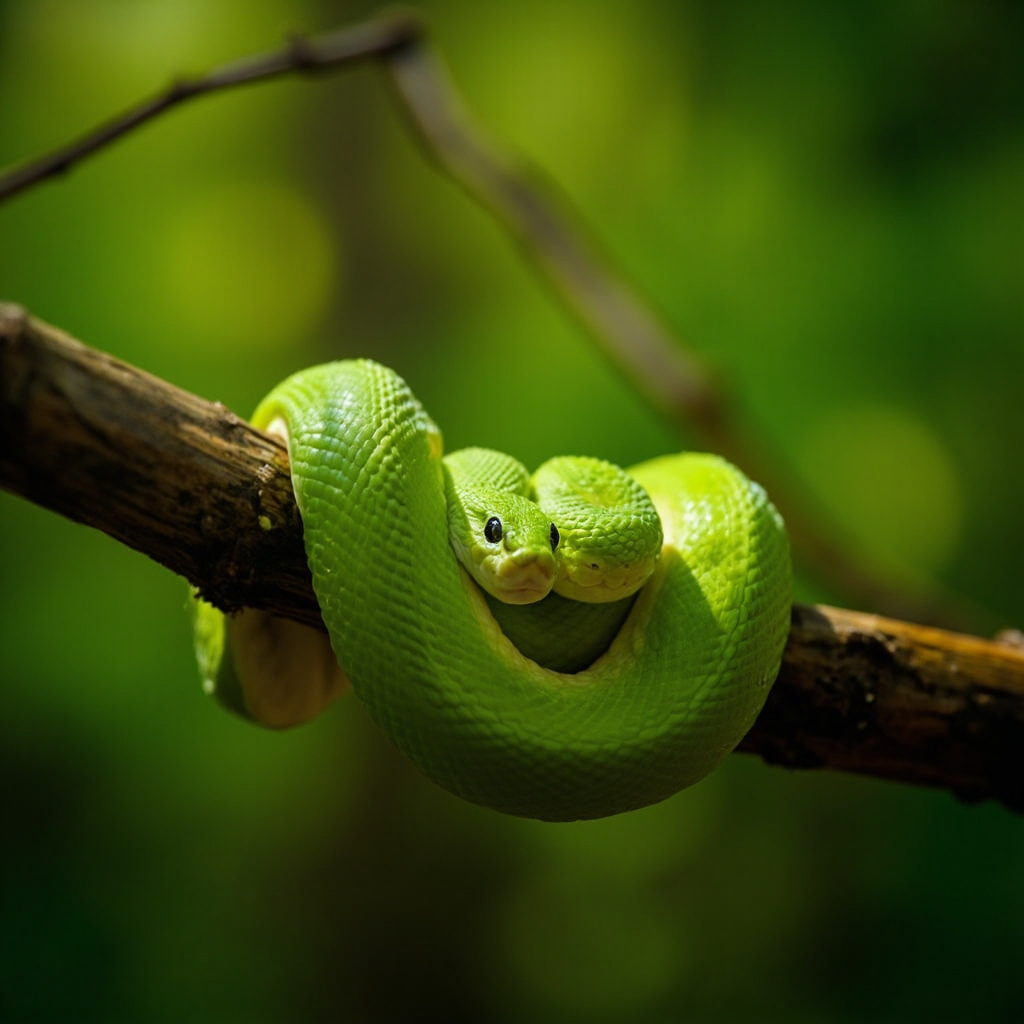
Green snakes are neither universally harmless nor universally dangerous. The species, its location, and the situation matter far more than colour.
Colour Is Not a Safety Test
Green colour occurs in many unrelated snakes around the world. It cannot identify a species, confirm whether an animal is venomous or show how it will respond to an approach. Lighting, age, a recent shed and the surrounding vegetation can also change how a snake appears in a photograph. A colour-based rule is less useful than keeping distance and using regional identification guidance.
Many snakes that appear green are non-venomous, while others may require careful avoidance. The correct response to an unfamiliar snake is the same in either case: leave it space, do not try to catch it and keep children and pets away.
Use Location and Features Together
Range, body form, scale pattern, behaviour and habitat can help a qualified observer narrow an identification. A single photograph may be insufficient, especially if the head or tail is hidden. If a snake is near a home or path, a local wildlife authority or trained responder can advise without putting people or the animal at risk.
Do Not Turn a Sighting Into a Close Encounter
Prodding a snake for a better image can cause injury or a defensive bite. Observe from a safe distance and let it move away. A general location and an unobtrusive photo can be useful for a citizen-science record without encouraging risky handling.
Sources and review notes
Reviewed 23 August 2026. Reptile biology is wonderfully variable. We have avoided turning one species, photograph or dramatic observation into a rule for an entire group, and we have used cautious wording where evidence or local conditions differ.
Reference starting points: The Reptile Database, The IUCN Red List of Threatened Species, and PubMed-indexed research. Conservation status, taxonomy and local laws can change, so check the linked databases and the relevant local authority for current information.
Spotted something we should revisit? Send Reptile Explorer a correction—thoughtful reader feedback is always welcome.