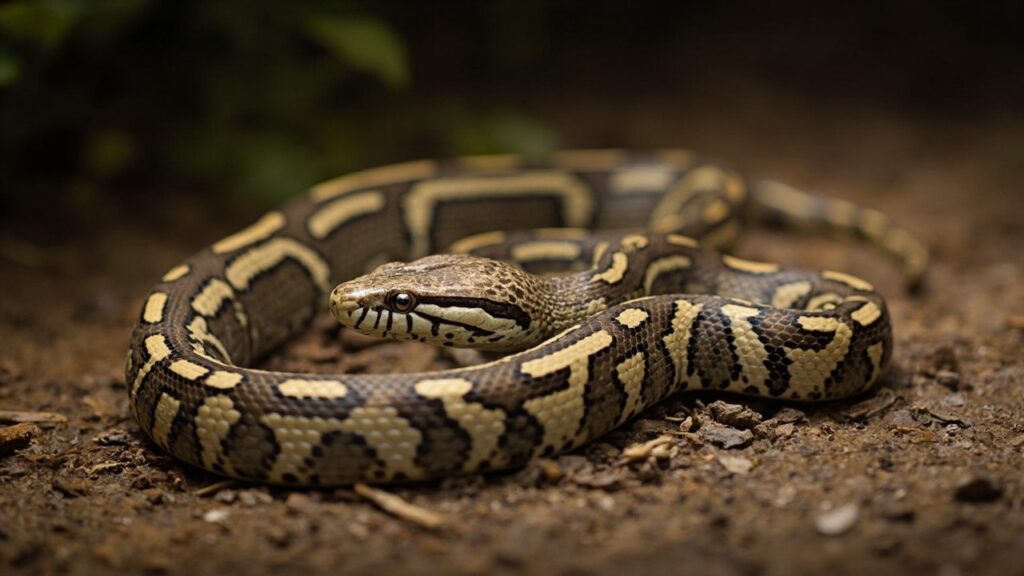
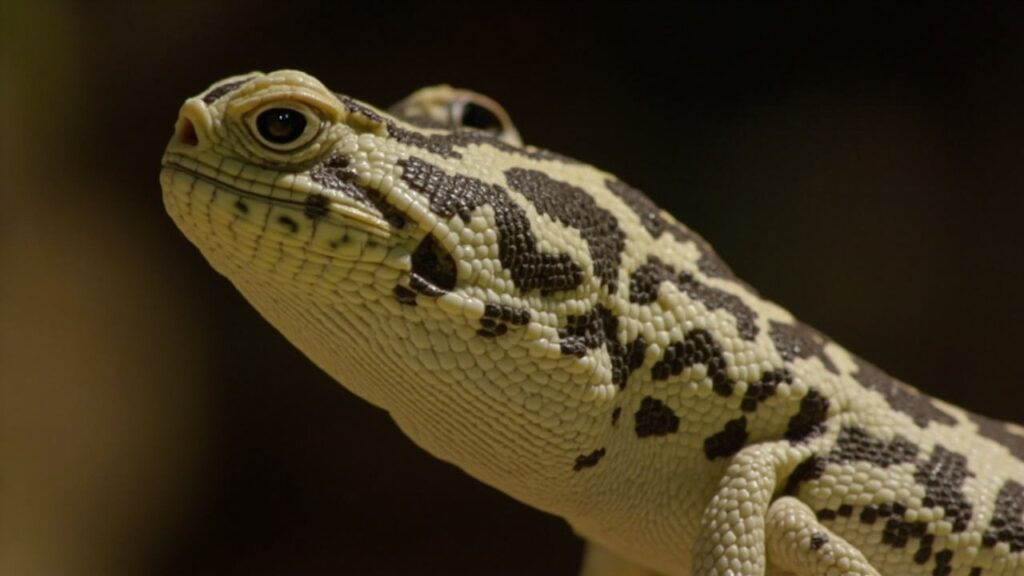
A snake’s tongue does not sting. It does not puncture skin, inject venom, or act like a tiny fang. The familiar flicking motion is a way of collecting chemical information from the air and nearby surfaces.

How the tongue works
When a snake flicks its forked tongue, microscopic particles cling to the moist surface. The tongue then touches the vomeronasal organ, also called Jacobson’s organ, in the roof of the mouth. That organ helps the snake interpret chemical cues connected with prey, predators, potential mates, and its surroundings.
Why is it forked?
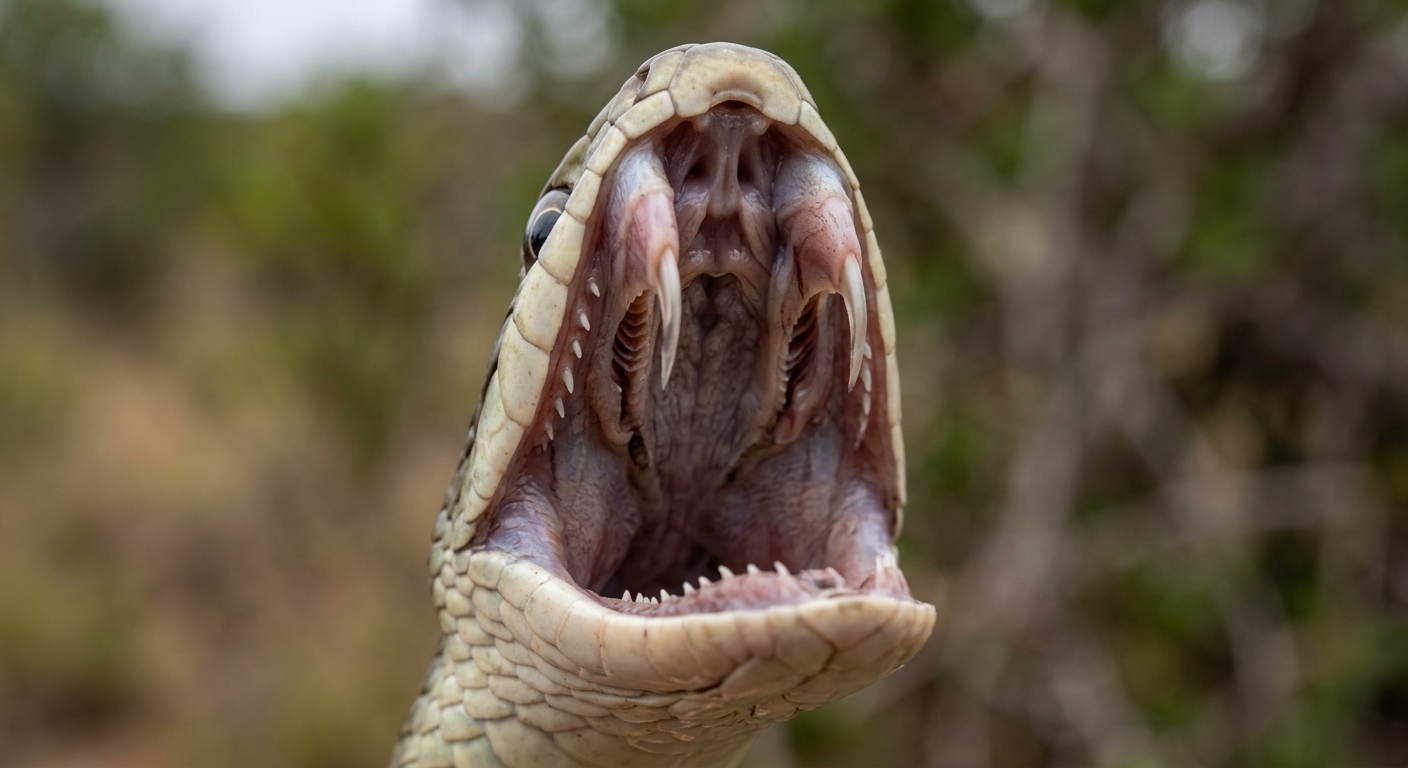
The two tips can sample slightly different concentrations of a scent. Comparing those signals helps a snake follow a trail or orient toward its source. Snakes also use their nostrils, and some groups have additional heat-sensing organs; the tongue is one part of a broader sensory system.
Safety still matters
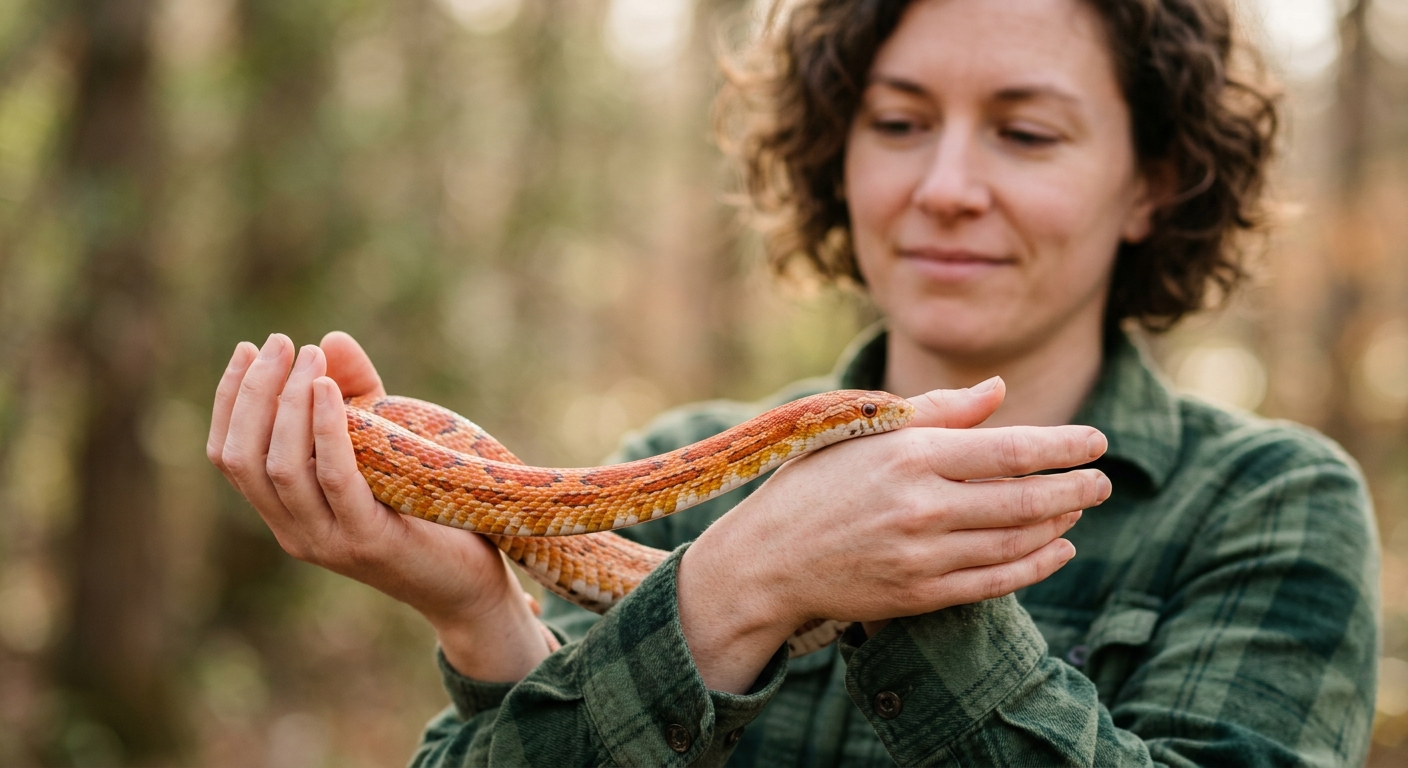
“The tongue does not sting” is not the same as “a snake cannot bite.” Venomous snakes deliver venom through specialized teeth, not through the tongue. Never handle an unidentified snake; give it space and contact local wildlife professionals if it is in a place where people or pets could be at risk.
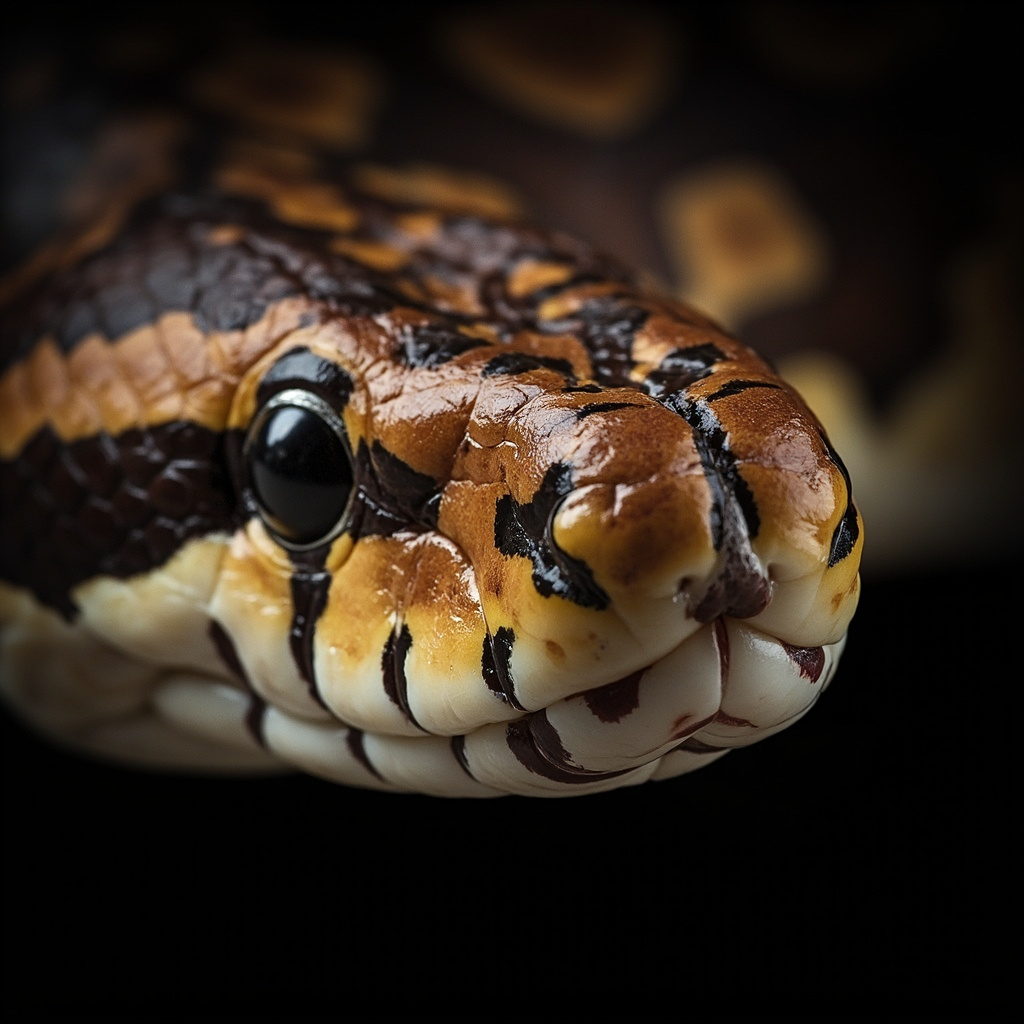
A Tongue Flick Is Sampling, Not Attacking
When a snake flicks its tongue, it collects chemical particles from air, ground and nearby objects. The forked tips can sample slightly different concentrations, which helps the snake compare direction. The tongue then transfers the particles to the vomeronasal organ in the mouth. It does not cut skin, inject a substance or deliver venom.
Tongue flicking can occur while an animal is exploring, following a trail or assessing a changed environment. It should not be read as a simple sign of hunger, anger or friendliness. Posture, distance, habitat and the exact species provide more context than the tongue motion alone.
Venom Delivery Uses Different Structures
Venomous snakes deliver venom through specialised teeth connected to venom glands. The presence, position and effectiveness of those teeth differ among species. A nonvenomous snake can still bite defensively, so identifying a tongue flick correctly does not remove the need for caution around an unfamiliar snake.
Keep Identification at a Safe Distance
Do not catch or manipulate a snake to look at its mouth. A clear image taken from a safe place, together with a general location, can help a local expert identify it. If a snake is in a high-risk location, contact the relevant wildlife authority.
Sources and review notes
Reviewed 23 August 2026. Reptile biology is wonderfully variable. We have avoided turning one species, photograph or dramatic observation into a rule for an entire group, and we have used cautious wording where evidence or local conditions differ.
Reference starting points: The Reptile Database, The IUCN Red List of Threatened Species, and PubMed-indexed research. Conservation status, taxonomy and local laws can change, so check the linked databases and the relevant local authority for current information.
Spotted something we should revisit? Send Reptile Explorer a correction—thoughtful reader feedback is always welcome.