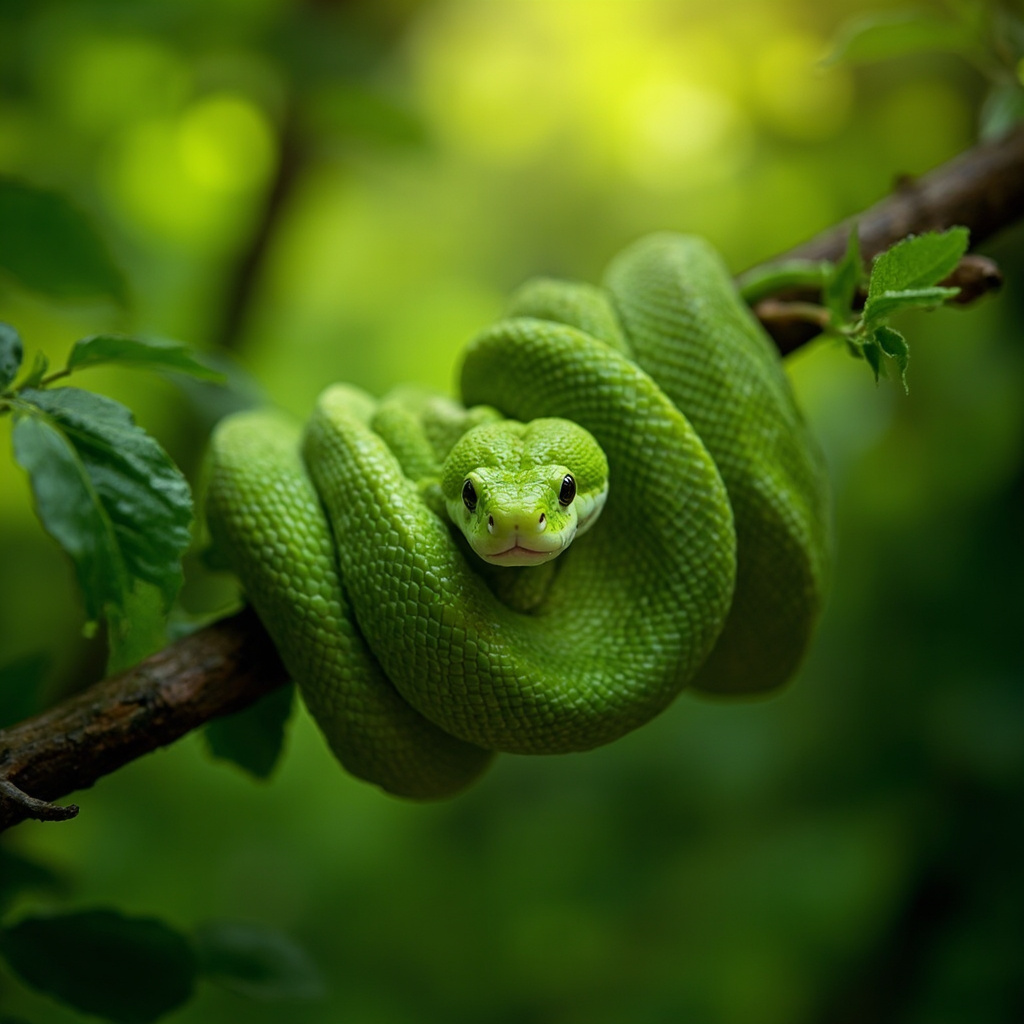
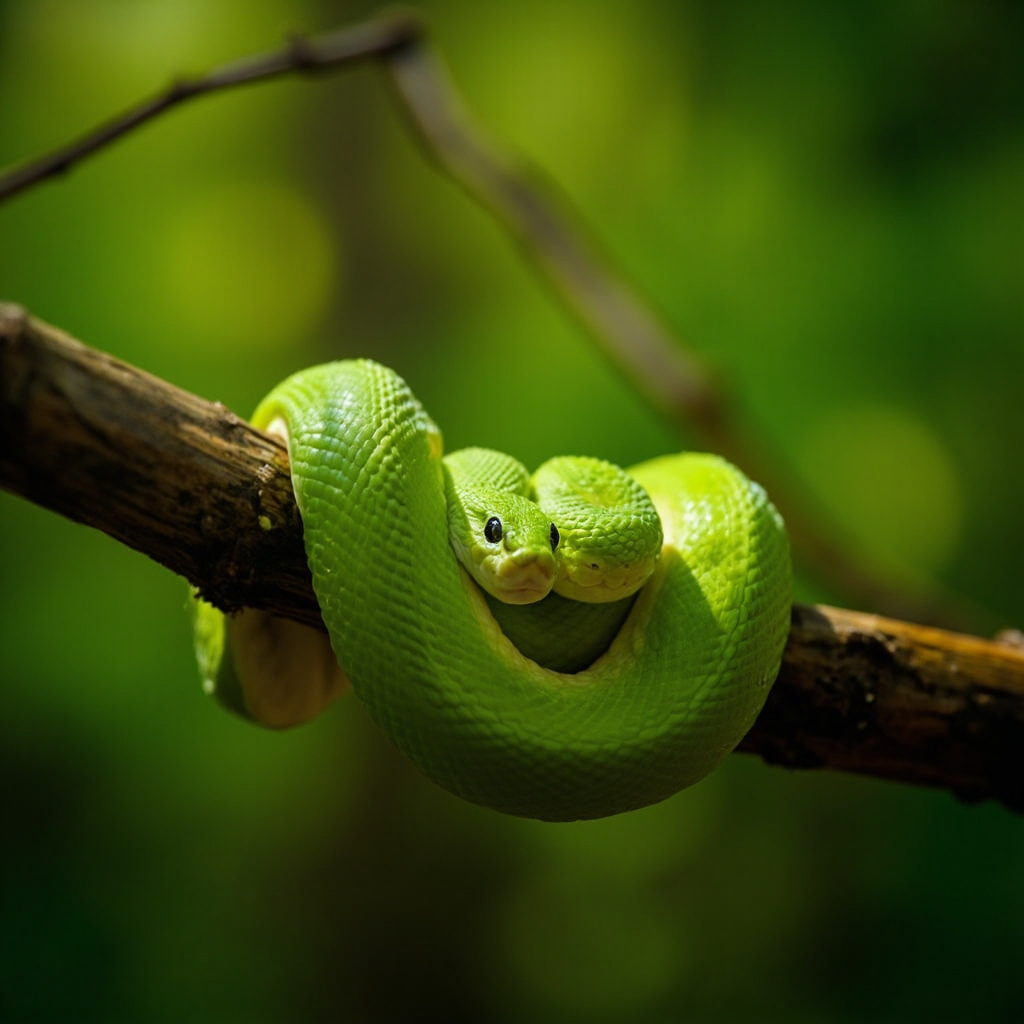
After looking into the green snake danger myth, it turns out most of it's based on misunderstandings rather than hard facts. The Green Vine Snake's defense moves, especially striking at the face, probably sparked the tale about it snatching eyes. But here's the thing: its venom isn't actually harmful to humans. It might cause some mild symptoms, but that's about it.
People often mistake its defensive strikes for aggressive attacks, which has unfairly painted it as dangerous. When the snake strikes a pose or shows off hidden patterns, it's just trying to scare off potential threats. There's no solid scientific proof that it poses any real danger to humans.
For those who want to know more, learning about the snake's behavior and some basic safety tips can help put these myths to rest. It's all about understanding these creatures better, rather than buying into unfounded fears.
Origin of the Myth
The tale of the Green Vine Snake's eye-snatching abilities likely stems from its defensive behavior. When threatened, these snakes strike at the head and face, a natural response to scare off predators. This action, combined with the snake's long snout and unique eyes, probably fueled wild stories about its capabilities—including the persistent myth that it can pluck out human eyes—as captured in the Sinhala name Ahaetulla (from the words meaning “eye plucker”).
In Sri Lanka, where Ahaetulla nasuta is endemic, this story has become part of local lore. A 2020 taxonomic revision split the former broad range into several species; related species are found in parts of India, but the Green Vine Snake most often referenced in myths is the Sri Lankan form. Many folks believe these serpents can yank out eyeballs, leading to fear and unfair treatment of the species. However, scientists have found no proof to back this claim. In fact, the Green Vine Snake's venom isn't even dangerous to humans.
Snake experts have thoroughly disproven this myth. They stress how important it is to understand the snake's natural behavior and role in the environment. These snakes, with their amazing ability to blend in and their tree-dwelling lifestyle, play a crucial part in their ecosystems. Misunderstanding them only makes it harder for us to live alongside nature's marvels in a responsible way.
Green Vine Snake Behavior

Let's take a closer look at how the Green Vine Snake acts in its natural surroundings. This crafty reptile is a master of disguise, blending in perfectly with leaves, bushes, and tree branches. Its green color makes it nearly impossible to spot, allowing it to hide from predators by simply staying still among the vegetation. The snake moves at a snail's pace, relying heavily on its ability to remain hidden.
When faced with danger, the Green Vine Snake puts on quite a show. It reveals hidden black and white patterns on its scales, stretching out to make these markings visible. The snake also curls up half of its front body, creating the illusion of being larger and more threatening. By opening its mouth wide, it adds to this display, sending a clear warning to potential attackers.
| Action | What it does | Why it does it |
|---|---|---|
| Camouflage | Blends with leaves, bushes, and branches | Avoids being seen by predators |
| Slow Movement | Moves carefully and deliberately | Helps it stay hidden |
| Threat Display | Shows black and white patterns, curls up front body, opens mouth wide | Scares off predators and warns of danger |
| Venom | Not dangerous to humans | Self-defense, not for attack |
Despite its scary-looking display, the Green Vine Snake isn't typically aggressive. Its venom isn't harmful to humans, which means encounters with this snake are usually harmless.
Misinterpretation of Strikes

People often misunderstand the Green Vine Snake's defensive strikes, thinking they're aggressive attacks. This misinterpretation usually stems from a lack of knowledge about the snake's behavior—and it's a pattern seen across many snake species in debunking common snake myths.
The Green Vine Snake, known for its slim body and bright green color, mainly relies on blending in with its surroundings to avoid danger. When it feels trapped or threatened, it might strike as a last resort, not out of aggression. Contrary to what many believe, All Snakes Venomous Myth Debunked — most snakes, including this one, pose little to no danger to humans.
From what I've seen, these strikes are mostly for show – a way to scare off potential threats. The snake strikes quickly, rarely intending to make contact. It's just trying to send a message: back off. This snake isn't looking for trouble; it's just trying to stay alive. (And by the way, Can Snakes Hear True or False — another widely misunderstood aspect of snake biology.)
It's important to understand this behavior if you come across these snakes in nature. Misunderstandings can lead to unnecessary fear and potentially harmful actions against these harmless creatures. By recognizing that their strikes are defensive, not aggressive, we can coexist more peacefully with this interesting snake species. It's a reminder that sometimes, what looks like danger is just a misunderstood request for space and safety.
Scientific Evidence

The Green Vine Snake's reputation often exceeds its actual threat. Research shows its venom is mildly toxic to humans, causing only mild, short-lived symptoms in humans, such as swelling, pain, and numbness. Despite this, myths about its danger persist.
Facts about this snake challenge common misconceptions:
- Venom: Studies confirm it's only mildly toxic to humans, posing no serious health risks.
- Physical features: Its long snout and unique eyes fuel unfounded stories about eye-plucking abilities.
- Habits: Tree-dwelling and well-camouflaged, it's shy rather than aggressive.
The scientific name Ahaetulla nasuta (corrected from the common misspelling “Aheatulla”) and its Sinhala etymology meaning “eye plucker” have led to misunderstandings. Research shows the snake can't fly or launch targeted attacks on humans. Its movements are typical for a species living in trees.
Safety Tips

When working with a Green Vine Snake, safety should be your top priority. Always use protective gear like gloves and eye protection to guard against potential bites and scratches. These snakes can strike from a distance of up to one-third their body length, so maintain a safe distance.
Native to tropical areas, Green Vine Snakes need specific conditions in captivity. Their enclosure should be well-ventilated, secure, and maintain proper heat and humidity levels. This setup helps reduce stress and aggressive behavior, making interactions safer.
Avoid startling the snake with quick movements, loud sounds, or vibrations. These can trigger defensive reactions, including striking or venom release. If you're bitten, stay calm and get medical help right away. While their venom isn't highly toxic, it can cause discomfort, swelling, and other symptoms.
Frequently Asked Questions
What Is the Superstition About Snakes?
Snakes often get a bad rap in folklore and popular culture. Many people believe they're harbingers of misfortune or symbols of wickedness. But that's not the whole story. In various cultures around the world, snakes are also seen as powerful symbols of change and restoration. It's worth noting that most of these ideas about snakes don't hold up under scientific scrutiny. Researchers have found that snakes, like other animals, play important roles in their ecosystems and aren't inherently good or bad. They're simply creatures trying to survive, just like the rest of us. So next time you hear someone talking about snake superstitions, you might want to take it with a grain of salt.
Can a Green Snake Hurt You?
I stumbled upon a Green Vine Snake during a hike once. These snakes have a mild venom, but their bite usually causes only brief discomfort. It's similar to getting stung by a bee – unpleasant, but not life-threatening. So, you can enjoy your outdoor adventures without worrying too much about these slithery critters.
What Are the Evil Snakes in Mythology?
Myths from around the world often feature snakes as villainous characters. In Norse legends, the Midgard Serpent stands out as a formidable foe. The Bible's Garden of Eden story casts a serpent as the tempter. Hindu tales speak of Kaliya, a fearsome snake deity. Greek mythology gives us Medusa, whose hair writhed with venomous snakes. Some African traditions link pythons to dark magic. These reptilian antagonists slither through stories, embodying danger and deceit across cultures.
Do Green Mambas Chase Humans?
Picture a silent, green phantom gliding through the treetops. That's the eastern green mamba for you. Research shows these snakes don't go after people. They're secretive creatures, spending their days tucked away in leafy hideouts, only using their venom as a last resort when they feel threatened.