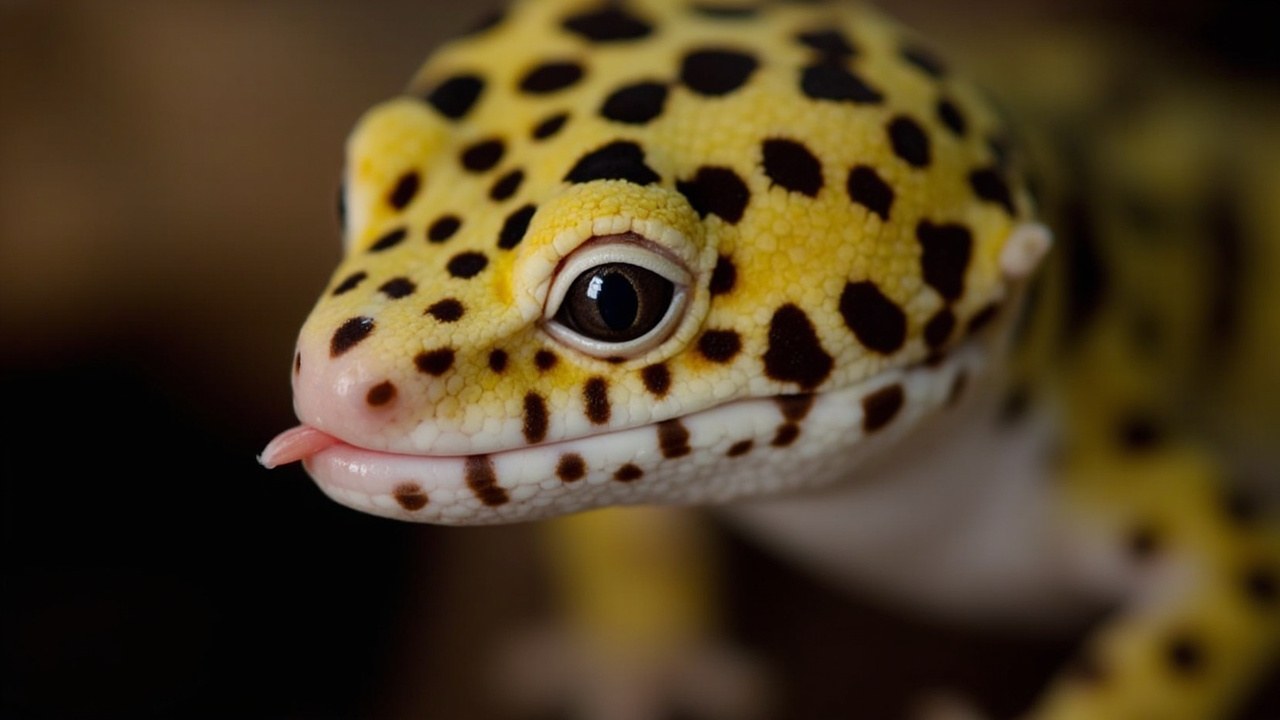
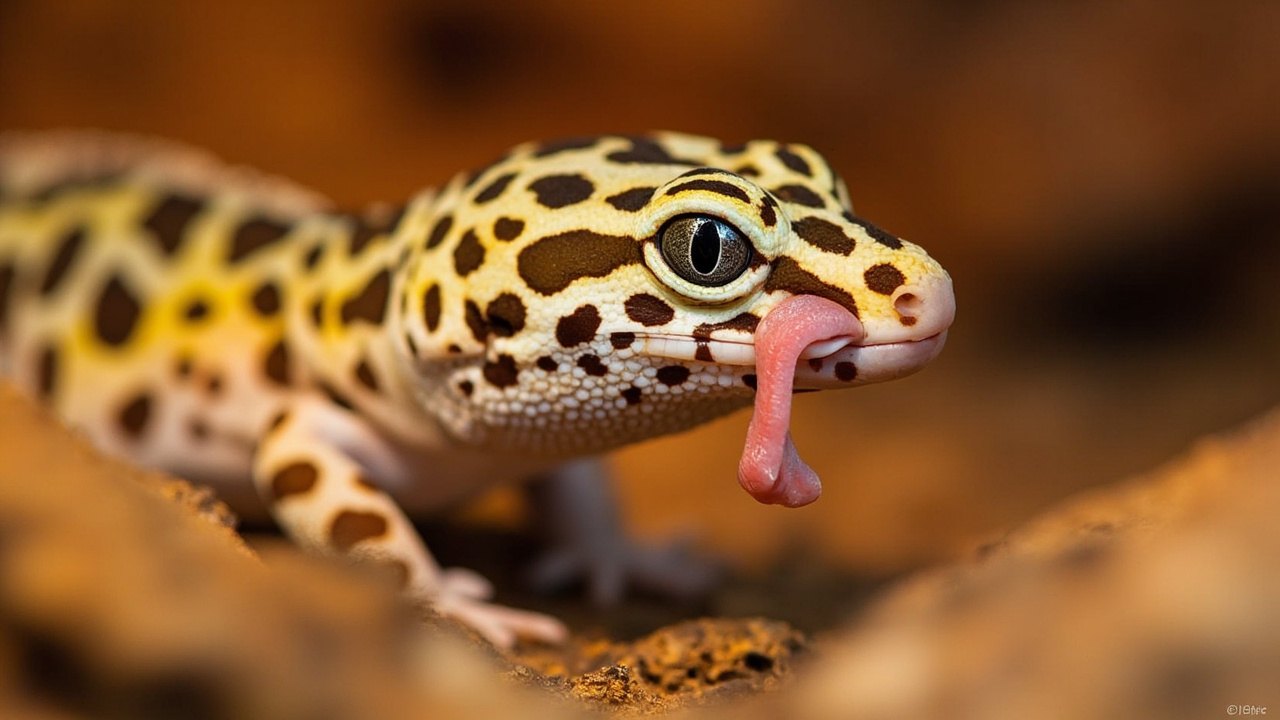
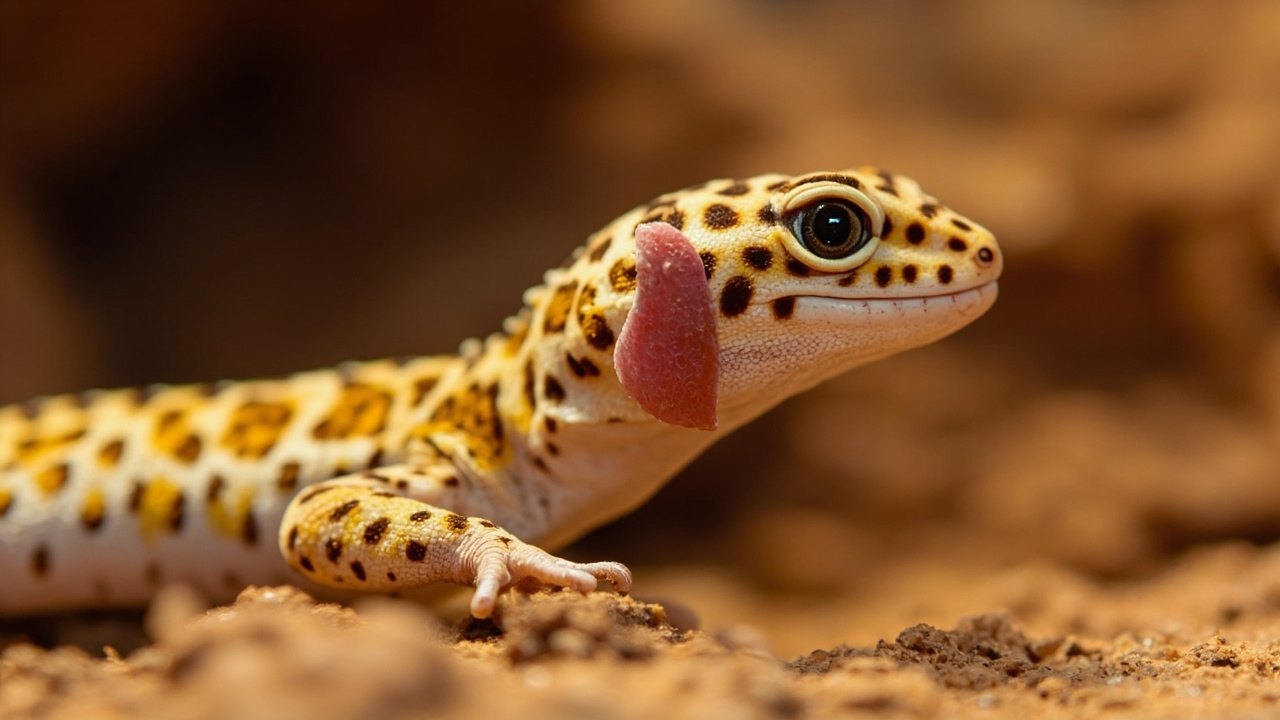
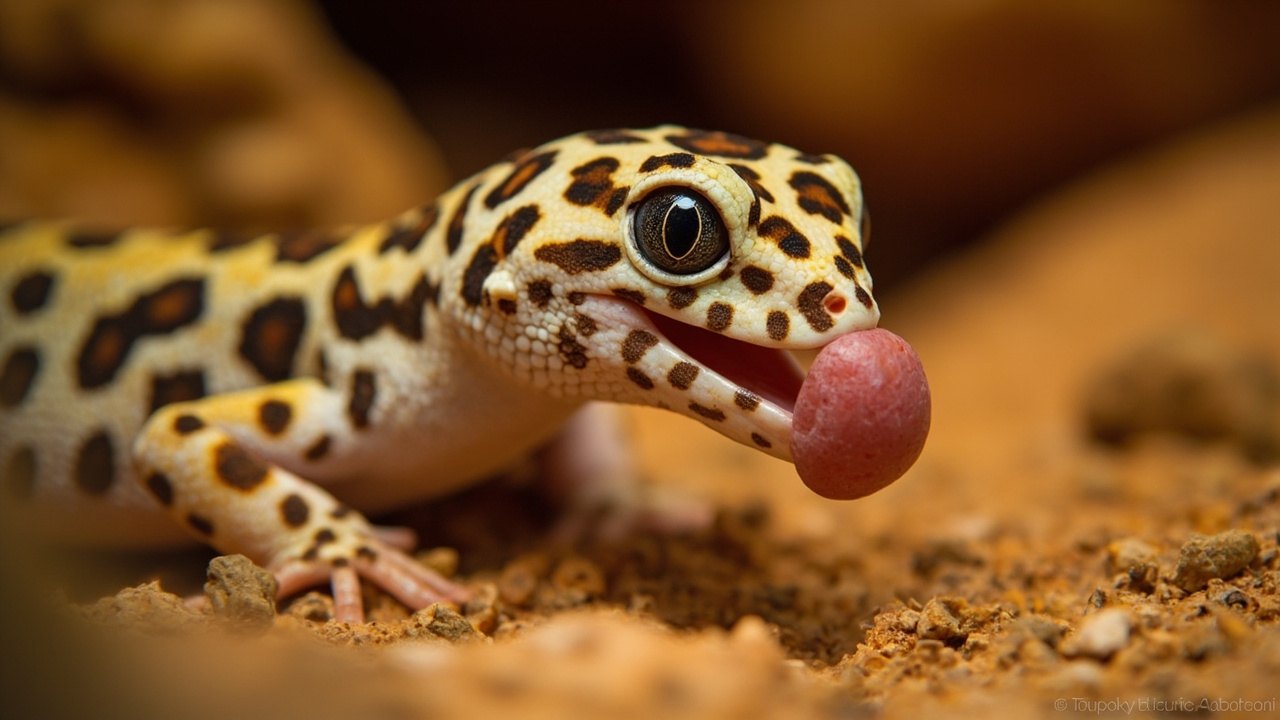
Leopard geckos have movable eyelids and may lick around the eyes as part of normal grooming. Their tongues help clear small amounts of debris and moisture from the eye area. This is different from geckos that have a fixed transparent spectacle over the eye.
Normal grooming versus a problem
Brief, occasional eye licking can be normal. Persistent rubbing, repeated eye closure, swelling, discharge, cloudiness, poor appetite or a change in behaviour can signal a problem. Those signs cannot be diagnosed from a photograph or a generic care article.
Shedding and enclosure conditions
Leopard geckos can retain shed around the eyelids and toes when husbandry is not suitable or when an animal is unwell. Appropriate humidity, clean water, correct nutrition and a clean enclosure help reduce preventable problems. Do not pull shed from an eye or use drops, saline or supplements without veterinary direction.
Veterinary care is the safe choice
Eye disease can have many causes, including injury, retained shed, infection and nutritional or husbandry issues. A reptile veterinarian can examine the eye safely and recommend treatment. Home remedies can delay care or harm delicate tissue.
Gentle handling matters
Leopard geckos should be handled calmly and supported under the body. Avoid grabbing the tail, pressing around the head or forcing an eyelid open. Good observation and early professional advice are more useful than trying to turn normal grooming into a medical diagnosis.
Compare What You See
Briefly watching from outside the enclosure can show whether grooming is occasional and whether both eyes are open, clear and similar in appearance. It is more helpful to note a pattern over several days than to interrupt the gecko each time it licks its eye. Photographs taken without flash or restraint can give a veterinarian useful context if an appointment is needed.
Humidity Is Only One Factor
A moist hide can support normal shedding for a leopard gecko, but it does not explain every eye concern. Dirty substrate, irritation, injury, diet, lighting and illness can also be relevant. Avoid raising moisture across the entire enclosure as a quick response to an eye issue. Conditions should remain appropriate for the species while a persistent problem is assessed.
Protect the Eye During Care
Never pry an eyelid open or attempt to remove material from the eye with a tool or cotton swab. Small injuries can worsen quickly when delicate tissue is handled. If discharge, swelling, cloudiness or repeated closure continues, arrange prompt assessment with a reptile-qualified veterinarian.
Sources and review notes
Reviewed 23 August 2026. Care works best when it starts with the exact species in front of you. We checked this article against current veterinary husbandry guidance, but measured enclosure conditions and a reptile-experienced veterinarian should guide decisions for an individual animal.
Reference starting points: Merck Veterinary Manual: reptile management and husbandry, CDC: healthy handling around reptiles and amphibians, and The Reptile Database. Conservation status, taxonomy and local laws can change, so check the linked databases and the relevant local authority for current information.
Spotted something we should revisit? Send Reptile Explorer a correction—thoughtful reader feedback is always welcome.