Rediscovered in Dry Forest
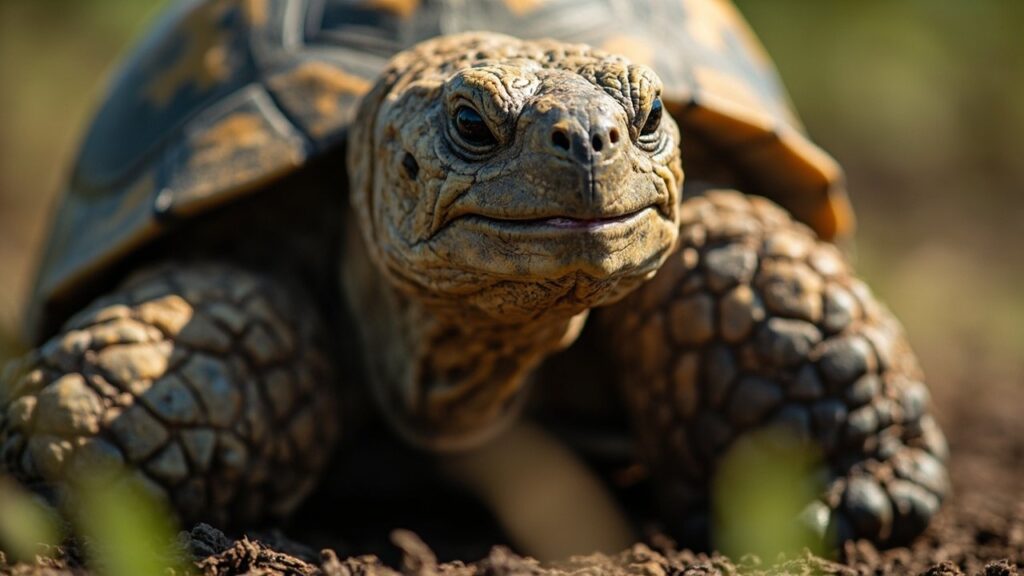
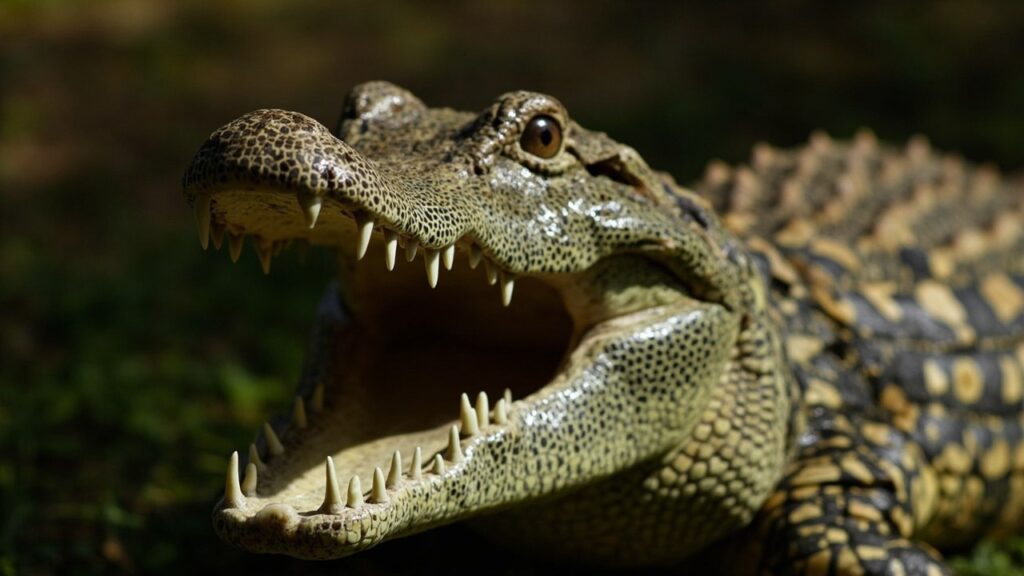
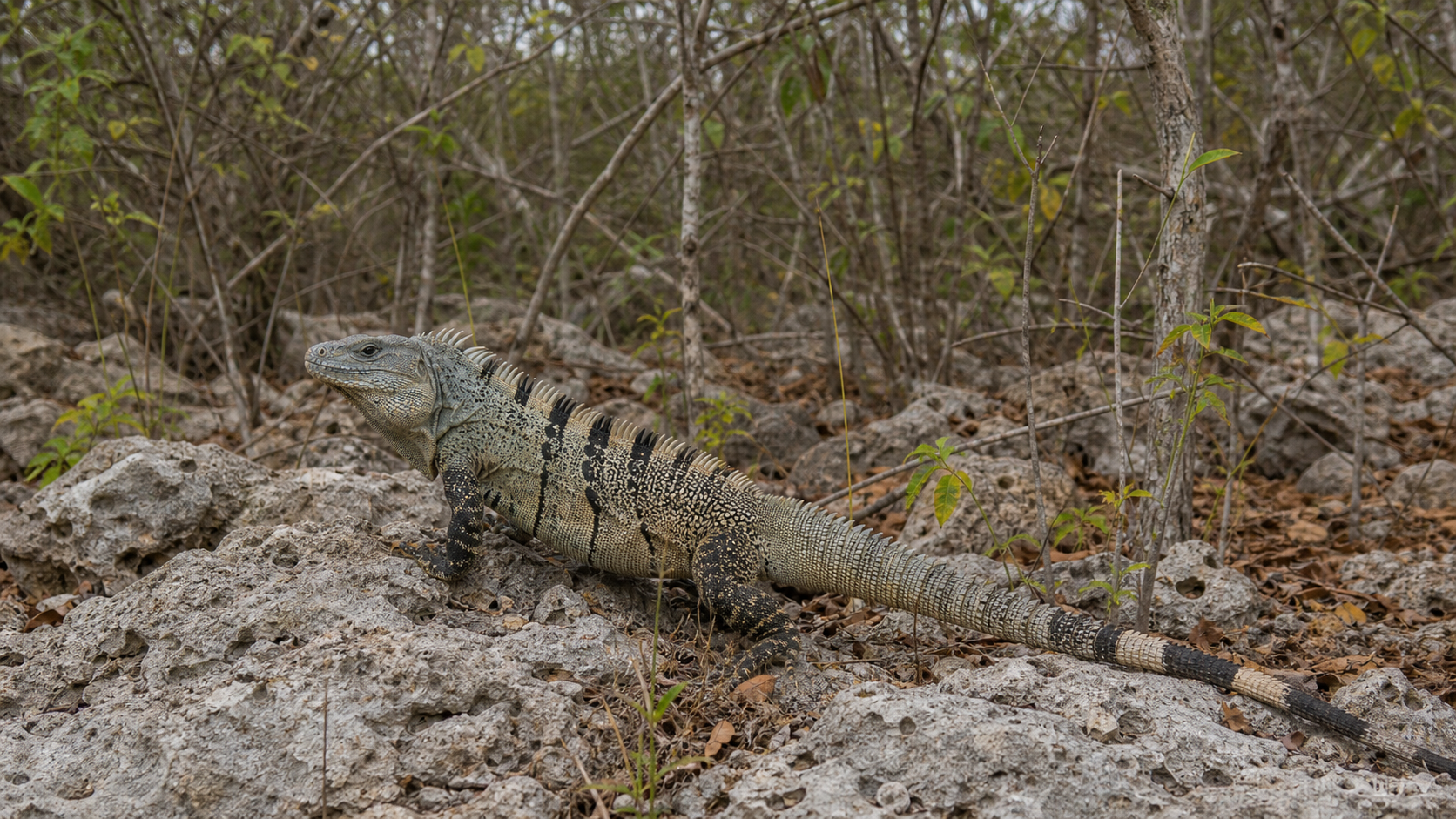
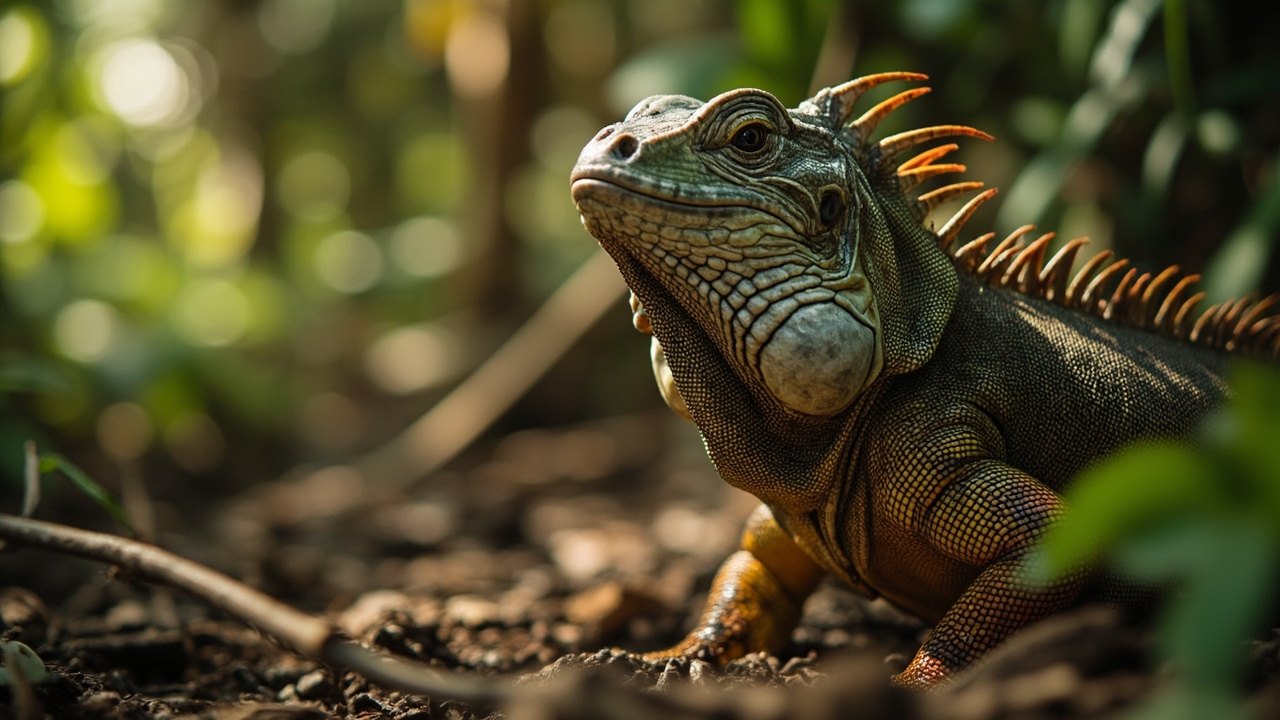
The Jamaican iguana (Cyclura collei) was believed extinct for decades before a living animal confirmed its survival in the Hellshire Hills in 1990. It remains critically endangered and is restricted to a small area of dry forest in southern Jamaica. That narrow range makes the species especially sensitive to habitat damage, invasive predators and disturbance of nesting areas.

Headstarting Gives Young a Better Start
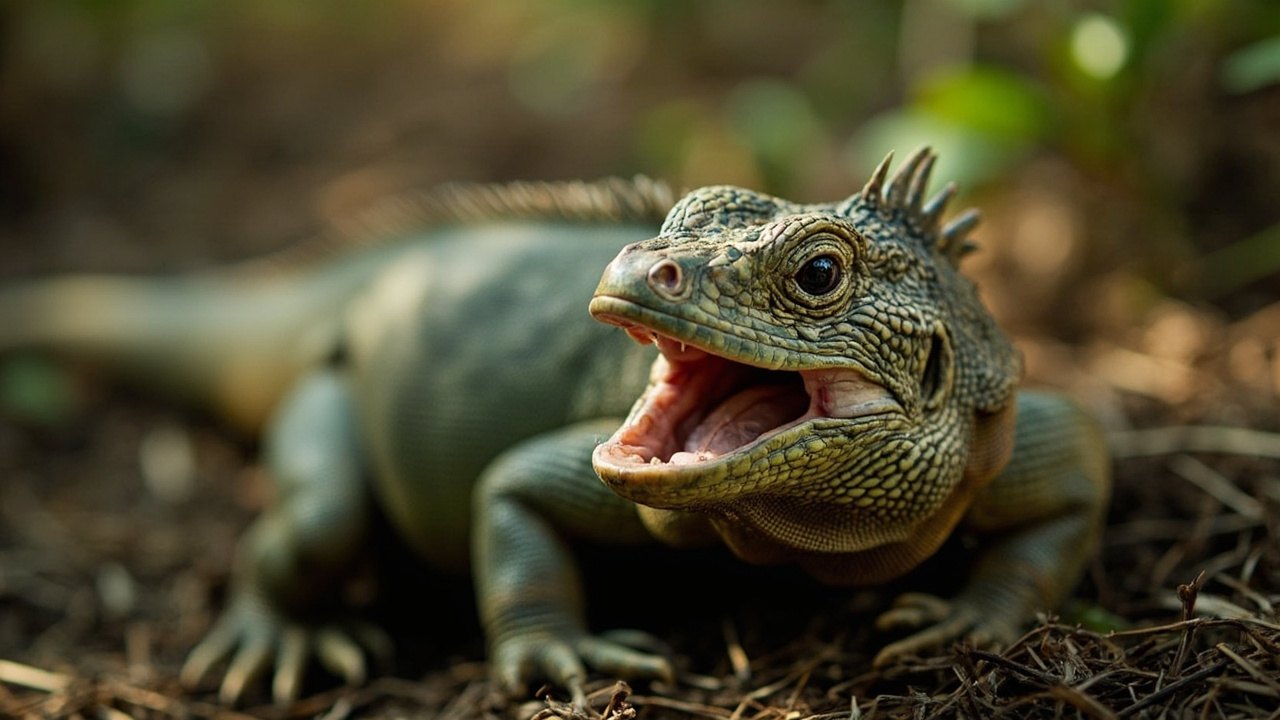
The recovery programme monitors nests and raises selected hatchlings at Hope Zoo until they are large enough to face lower predation risk after release. This headstart approach is paired with field monitoring, predator control and protection of nesting habitat. Hope Zoo reports that its programme has released hundreds of iguanas, but the value of each release depends on survival and breeding in protected wild habitat.
Protection Cannot Stop at the Zoo Gate
Introduced mongooses, dogs, cats and pigs remain threats, while charcoal cutting and development can damage the Hellshire Hills. Recovery relies on Jamaican agencies, local communities, researchers and conservation organisations working together over many years. The iguana’s return is meaningful progress, but it is not a reason to relax habitat protection or predator management.
Headstarting Works Alongside Field Protection
Headstarting can give selected hatchlings a period of care before release, but it does not remove the pressures that made a wild population vulnerable. Released iguanas still need dry-forest cover, suitable food, protected nesting areas and low risk from introduced predators. Monitoring survival and later reproduction shows whether the programme is strengthening the wild population.
The Hellshire Hills contain a small and sensitive area of habitat. Charcoal cutting, development, dogs, cats, pigs and mongooses can affect iguanas directly or change the places they use for food and shelter. Conservation action must account for these pressures together rather than treating a release as the end of recovery.
Local Stewardship Has Lasting Value
Jamaican agencies, field teams, communities and conservation groups can share knowledge about habitat changes, predator sightings and nest security. Clear reporting and long-term support help action continue after a public announcement or a single release event.
Protect Sensitive Wildlife Information
Rare reptiles can be harmed when exact nesting or refuge locations are circulated. Visitors should follow access rules, avoid handling wildlife and support established local conservation work rather than seeking close photographs.
Sources and review notes
Reviewed 23 August 2026. Conservation is rarely a one-step success story. We have kept the language specific about evidence, limits and local context, because a programme that helps one population may not transfer neatly to another.
Reference starting points: The IUCN Red List of Threatened Species, IUCN conservation-translocation guidelines, and the current CITES Appendices. Conservation status, taxonomy and local laws can change, so check the linked databases and the relevant local authority for current information.
Spotted something we should revisit? Send Reptile Explorer a correction—thoughtful reader feedback is always welcome.