Shedding renews the outer skin layer
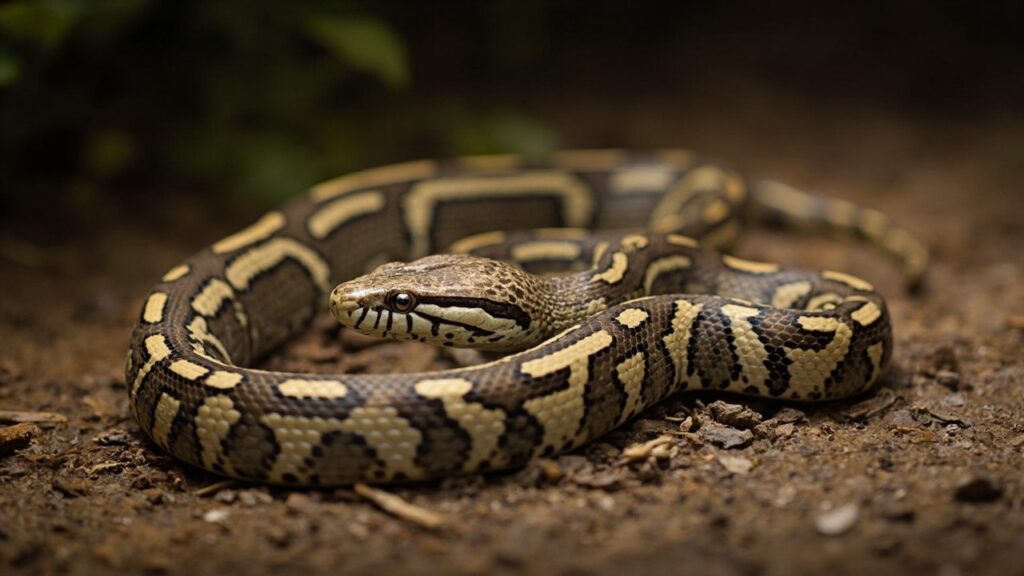
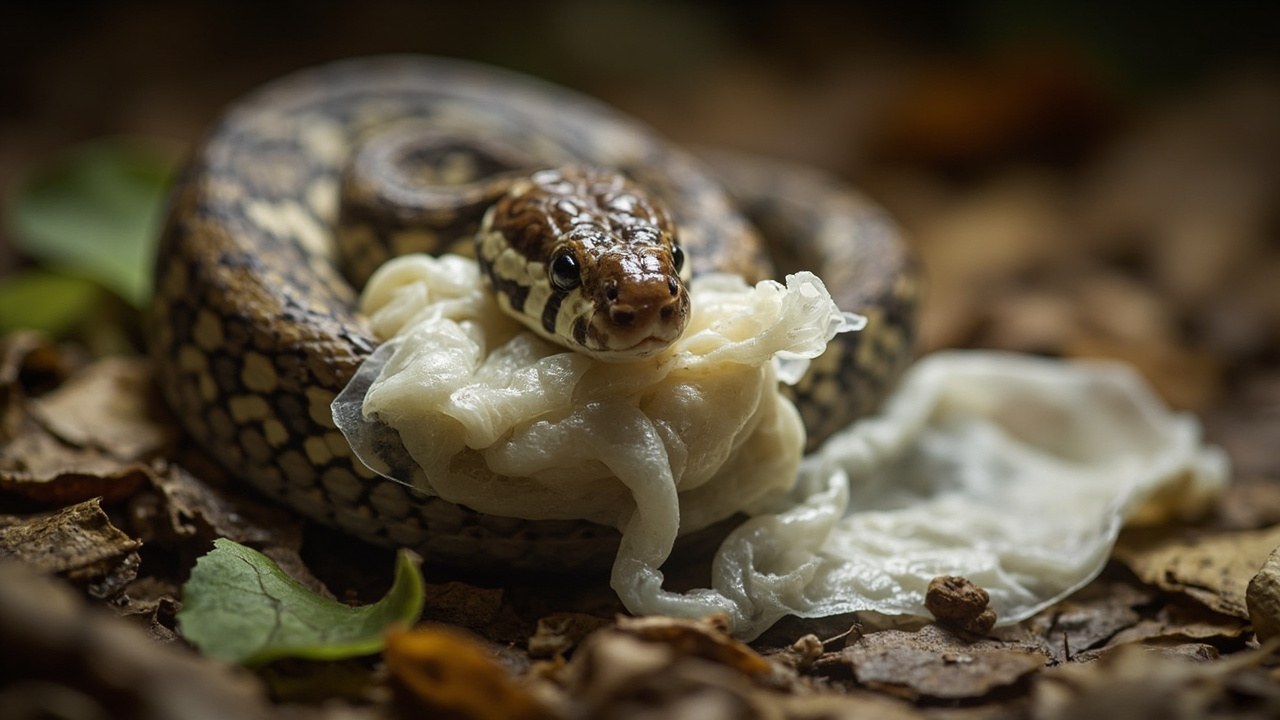
Reptiles periodically replace the outer layers of their skin through a process called ecdysis. New epidermal layers form beneath the old surface, then the old layer separates and is shed. Growth, normal wear, and skin maintenance all contribute to the cycle. Shedding frequency varies with species, age, growth rate, health, temperature, and humidity.

Different reptiles shed in different patterns
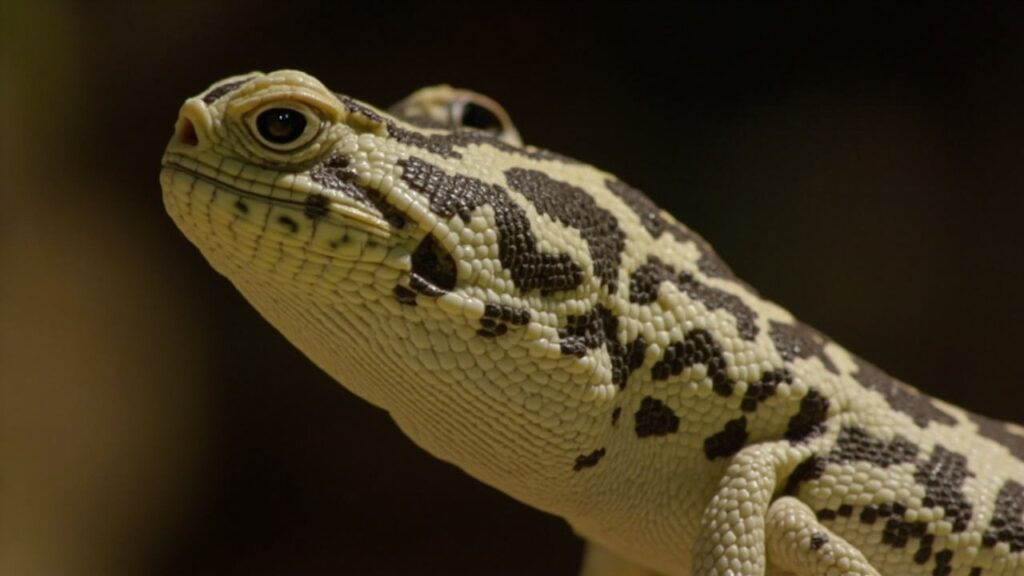
Snakes often shed in a single, inside-out tube, while many lizards shed in patches or fragments. Turtles may shed individual scutes from the shell over time, and crocodilians lose small pieces of outer skin rather than one large sheet. These patterns are normal for their groups. A complete snake shed is not a measure of health by itself, but repeated problems deserve attention.
Do not pull stuck shed
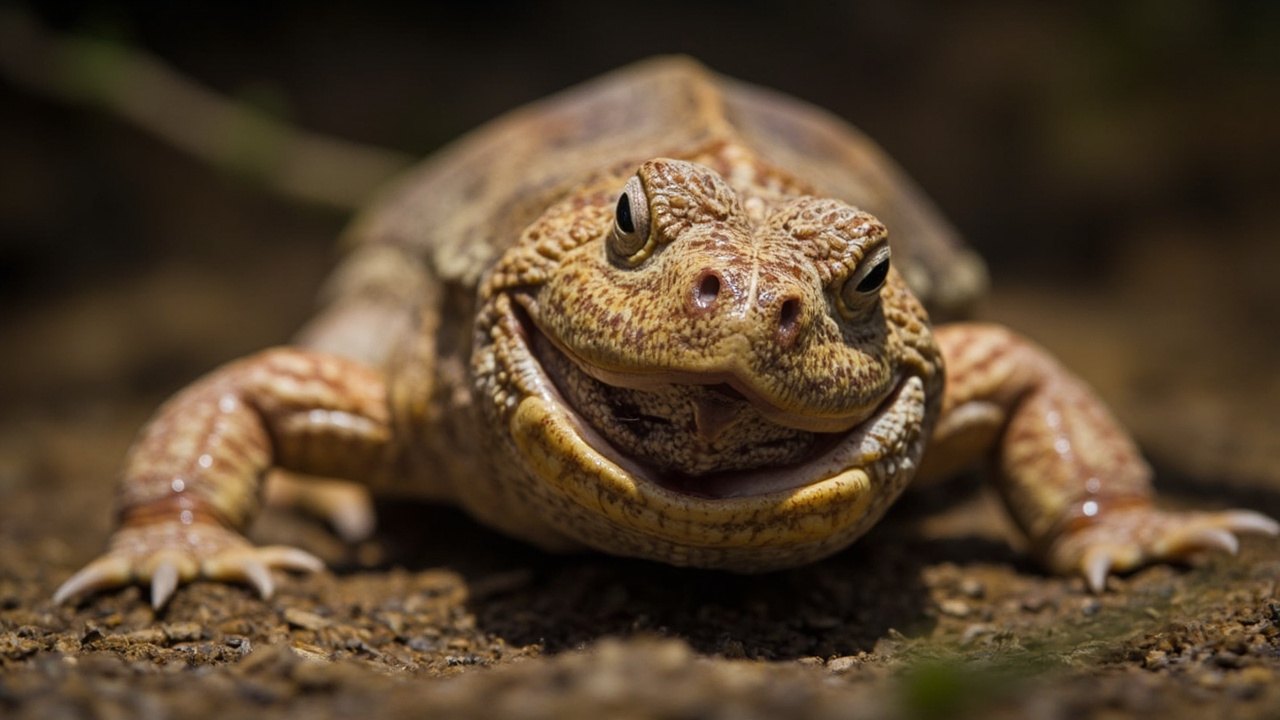
Improper temperature, humidity, hydration, nutrition, injury, parasites, and illness can contribute to abnormal shedding. Pulling attached skin can damage delicate tissue, especially around toes, tail tips, and eyes. Check the enclosure conditions against reputable care guidance for the species, and consult a reptile-experienced veterinarian when retained shed, swelling, wounds, or repeated shedding problems occur.
Shedding Starts Before Skin Comes Away
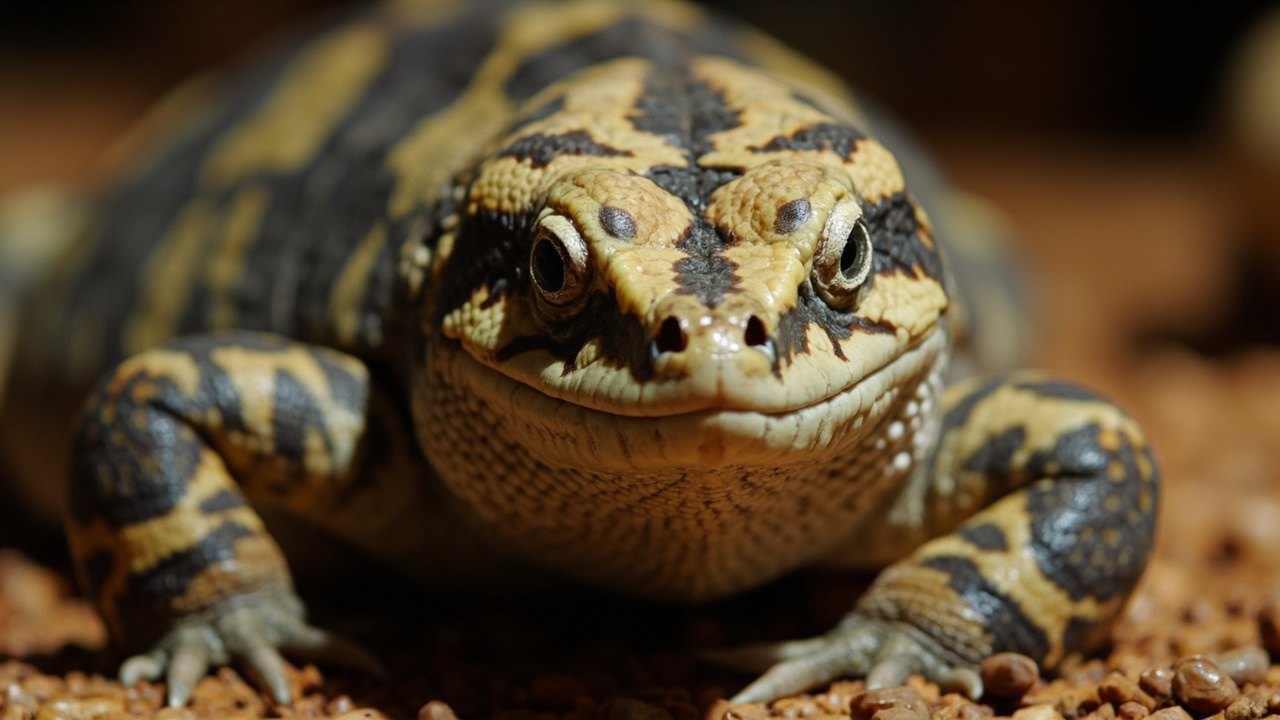
During ecdysis, a new outer layer forms below the old one and a separation zone develops between them. The reptile may look dull or spend more time in cover before any skin is visible on a surface. This preparation varies with species, age, health and conditions. It is not a cue to increase handling or to try to speed the process by pulling at loose pieces.
Snakes often leave a connected shed because the old layer turns inside out as the animal moves forward. Many lizards lose skin in separate areas, and turtles may lose individual scutes. These patterns are normal for their groups, so a comparison with a different reptile can be misleading.
Separate Normal Variation From a Repeated Problem
One uneven shed does not identify a cause. Dehydration, unsuitable temperature or humidity, injury, parasites and illness can contribute, but the details matter. Check the actual enclosure measurements, access to water, surfaces and hides against reliable guidance for the exact species. Do not assume that soaking or misting is safe for every animal.
Eyes, Toes and Tail Tips Need Professional Care
Force can damage delicate skin around the eyes, digits and tail. If retained shed recurs, the animal has wounds or swelling, or the eyes remain covered, a reptile-qualified veterinarian should assess it. Photos and a dated record of enclosure conditions can help identify a pattern without repeated handling.
Sources and review notes
Reviewed 23 August 2026. Reptile biology is wonderfully variable. We have avoided turning one species, photograph or dramatic observation into a rule for an entire group, and we have used cautious wording where evidence or local conditions differ.
Reference starting points: The Reptile Database, The IUCN Red List of Threatened Species, and PubMed-indexed research. Conservation status, taxonomy and local laws can change, so check the linked databases and the relevant local authority for current information.
Spotted something we should revisit? Send Reptile Explorer a correction—thoughtful reader feedback is always welcome.