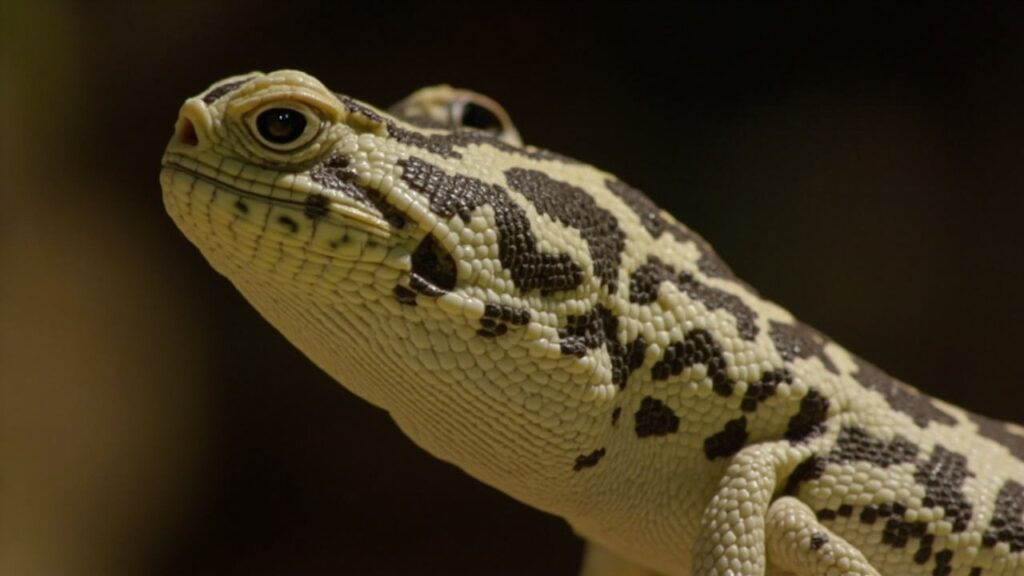
Healthy-looking reptiles can carry germs
Reptiles can carry Salmonella in their digestive tract without appearing ill. Germs can spread through direct contact and through enclosure surfaces, tank water, food dishes, waste, equipment or feeder items. Good husbandry supports animal welfare, but it does not make a reptile free of Salmonella.

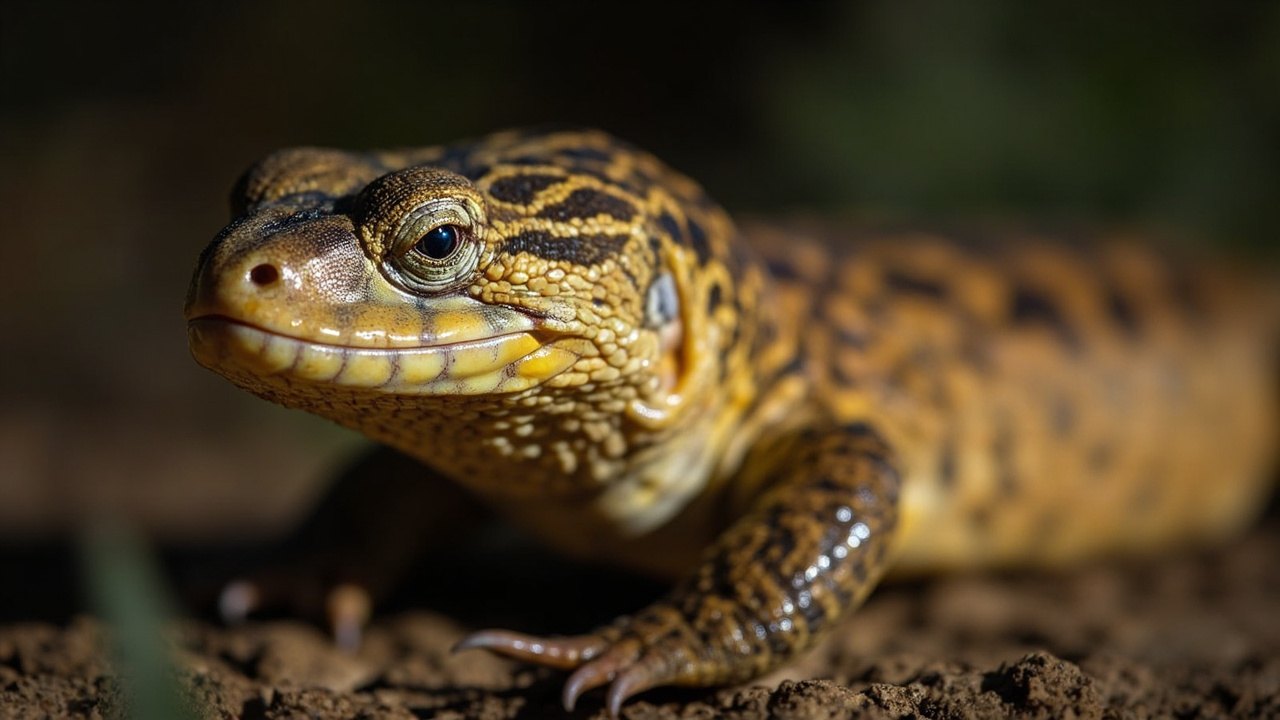
Everyday hygiene reduces exposure
Wash hands with soap and running water after handling a reptile, its food, waste, enclosure or equipment. Keep reptiles and their supplies out of kitchens and other areas where food is prepared, served or eaten. Clean enclosure items in a dedicated area, then disinfect the area as appropriate. Do not allow reptiles to roam through food-preparation spaces.
Children under five should not touch reptiles, amphibians, their food, equipment or habitats. For older children, an adult should supervise contact and make sure hands are washed immediately afterward.
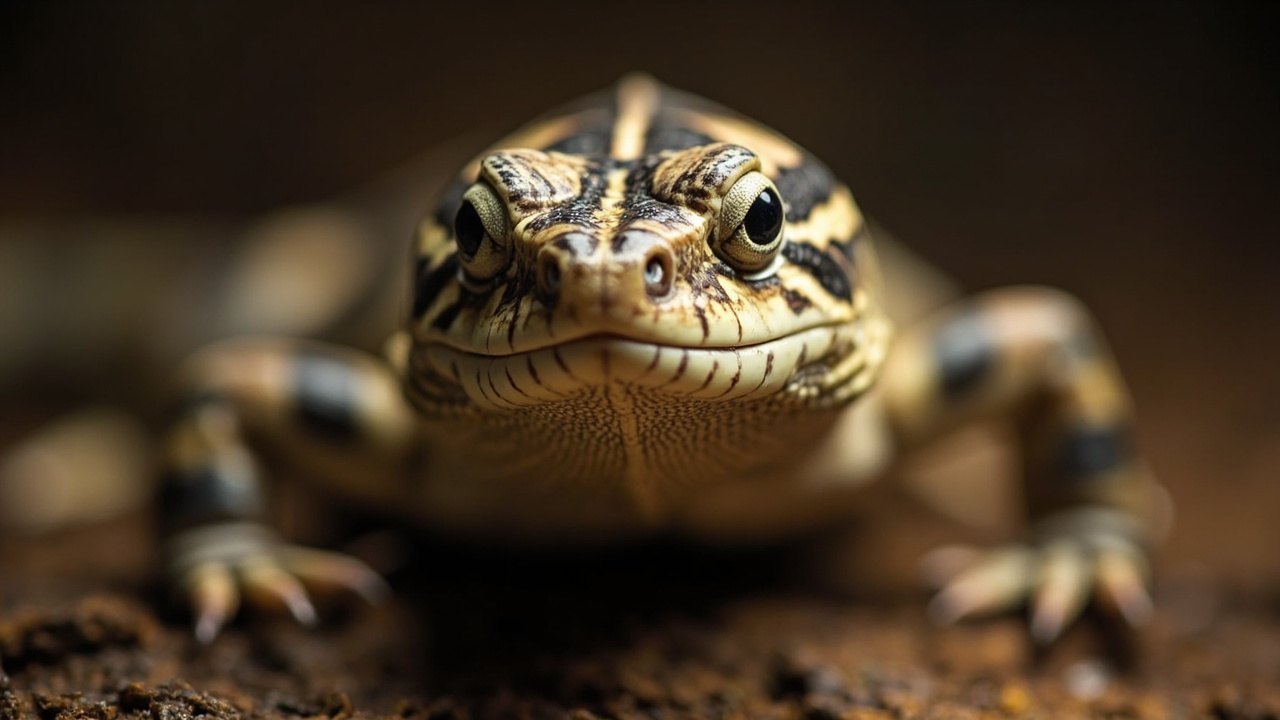
Match the pet to the household
Public-health agencies do not recommend reptiles for households with children under five, adults aged 65 or older, or people with weakened immune systems. People who are pregnant should also discuss reptile contact and enclosure cleaning with a health professional. Household members at higher risk should avoid touching the animal and its environment.
Anyone who develops diarrhoea, fever or abdominal pain after possible exposure should seek medical advice and mention the reptile contact.
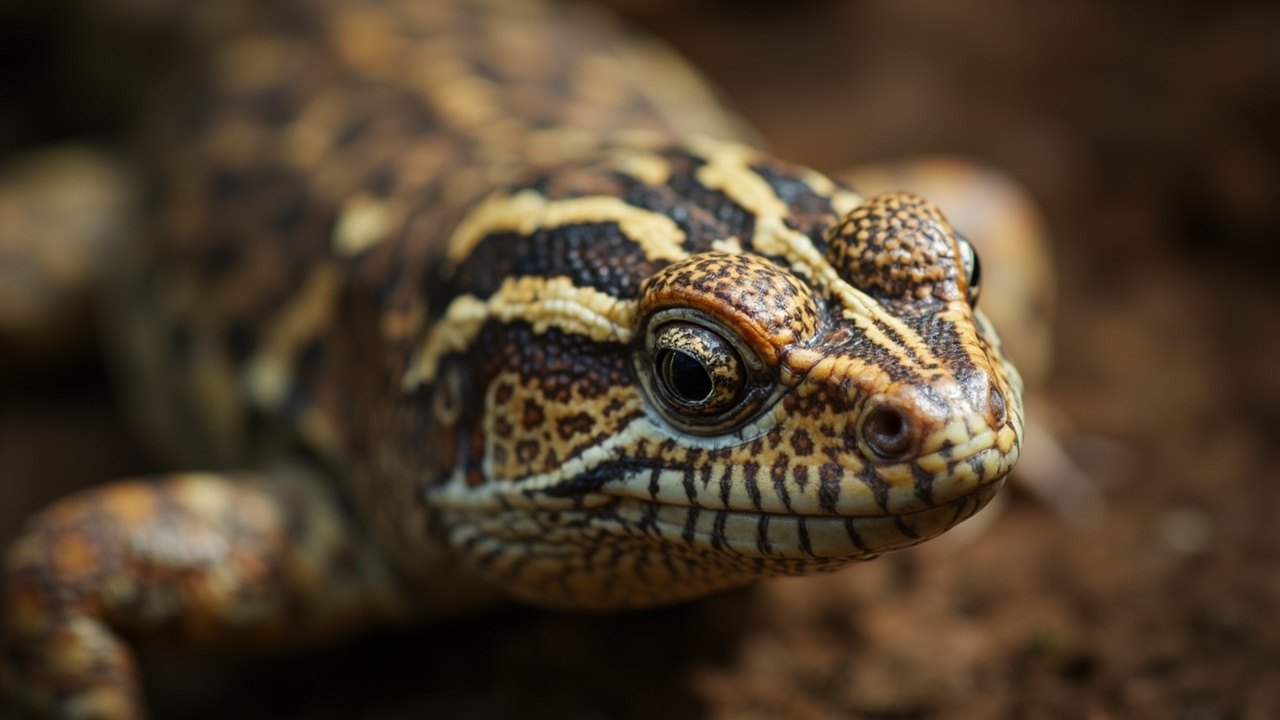
Cleaning Routines Need Clear Boundaries
An enclosure should be cleaned with equipment that is not used for dishes, food preparation or children’s toys. A dedicated tub or container can keep waste, substrate and water bowls separate from household items. After cleaning, wash hands with soap and running water and clean the work surface before it is used for another purpose. Hand sanitizer can be useful when a sink is unavailable, but it should not replace proper washing when hands are visibly soiled.
Healthy Handling Is Still Handling
A reptile that looks clean and active can still carry germs. The same care is needed after touching a thermostat, phone, door handle or other object used while working in the enclosure. Children should be taught to ask an adult before handling an animal and to keep fingers away from their face until their hands are washed. These habits reduce cross-contamination without treating the reptile as dirty or dangerous.
Illness Needs Medical Advice
Diarrhoea, fever, stomach pain or other concerning symptoms should be discussed with a health professional, especially for a person in a higher-risk group. Mentioning recent reptile or enclosure contact gives the clinician useful context. Do not attempt to test, medicate or remove a pet because of a suspected human infection without advice from an appropriate professional.
Sources and review notes
Reviewed 23 August 2026. Care works best when it starts with the exact species in front of you. We checked this article against current veterinary husbandry guidance, but measured enclosure conditions and a reptile-experienced veterinarian should guide decisions for an individual animal.
Reference starting points: Merck Veterinary Manual: reptile management and husbandry, CDC: healthy handling around reptiles and amphibians, and The Reptile Database. Conservation status, taxonomy and local laws can change, so check the linked databases and the relevant local authority for current information.
Spotted something we should revisit? Send Reptile Explorer a correction—thoughtful reader feedback is always welcome.