Fastest Is Harder Than It Sounds
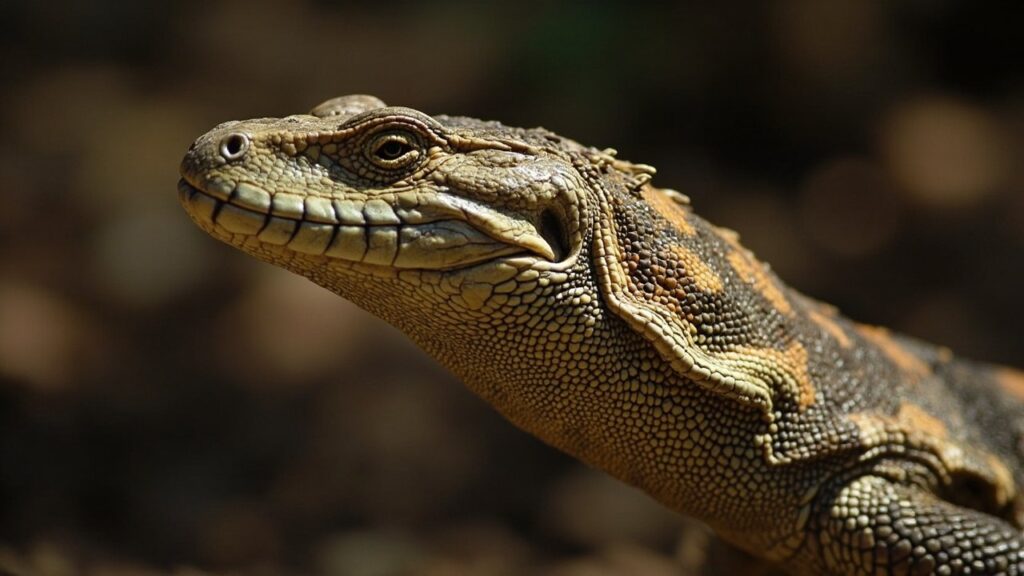
There is no dependable single ranking for the fastest reptile. Reported speeds often mix short bursts, sustained travel, swimming and estimates made under different conditions. A rapid escape across sand cannot be compared directly with a sea turtle moving through water or a crocodilian making a short rush from the shoreline. Exact figures should be treated carefully unless the measuring method is clear.
Speed Fits the Job
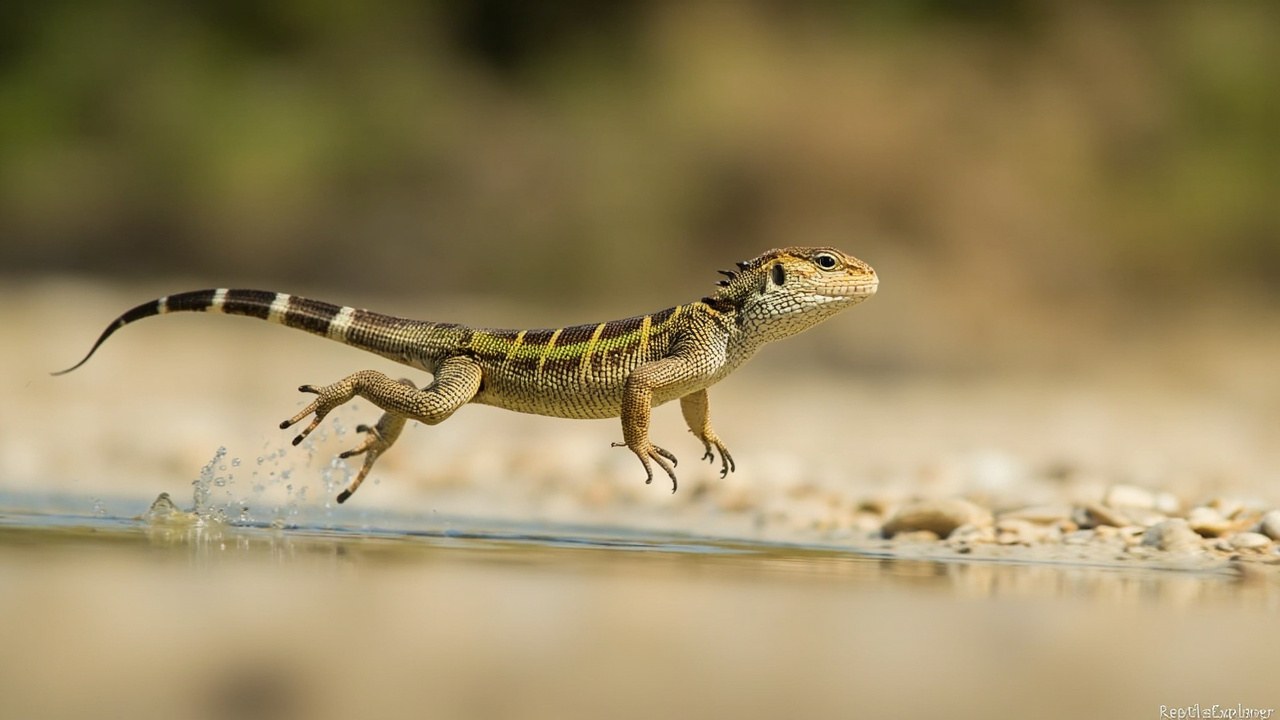
Many lizards accelerate quickly to reach cover, while snakes use different forms of locomotion suited to ground texture and body shape. Crocodilians can make powerful short movements on land and in water, and sea turtles are built for efficient travel in the ocean rather than terrestrial sprinting. The useful question is often how a species moves in its own habitat, not whether it wins a cross-species race.
Quick Does Not Mean Safe to Approach
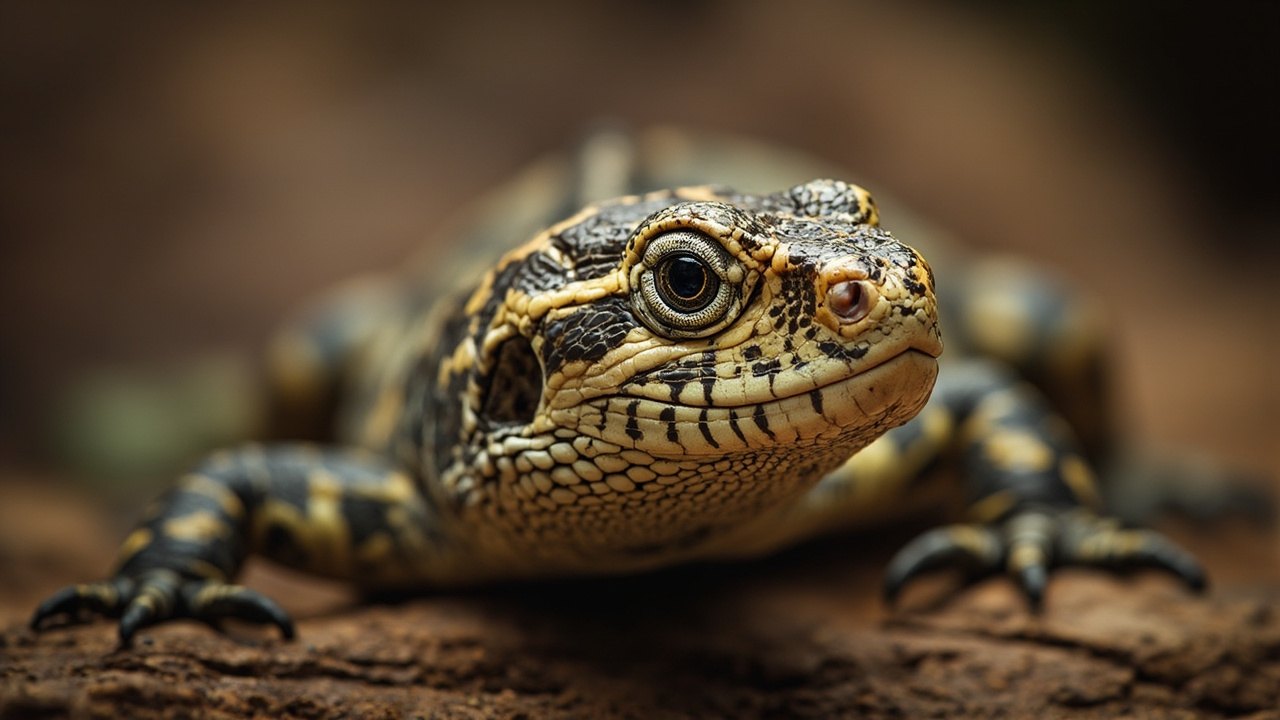
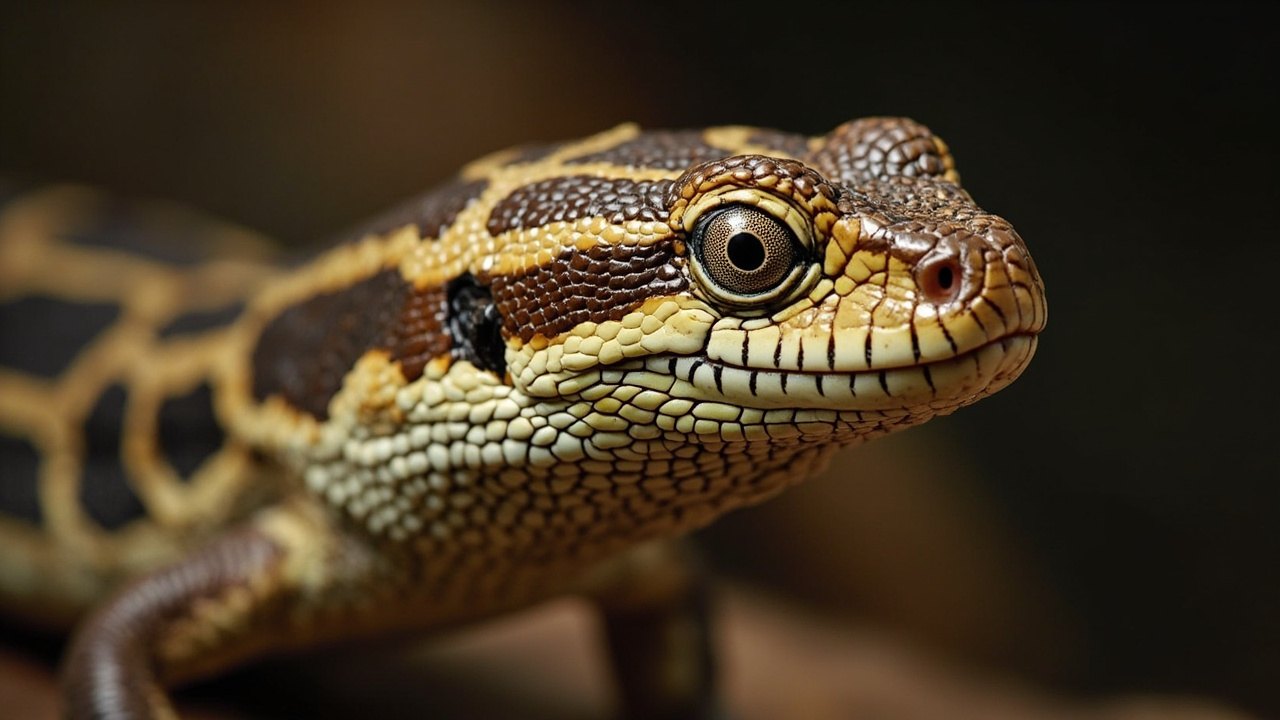
Fast movement is usually an escape or hunting response. Give wildlife room to move away and avoid blocking paths to shelter or water. A reptile that appears slow may still bite, strike or flee suddenly when cornered. Respectful viewing from a distance produces better observations and reduces stress for the animal.
Speed Figures Need a Method
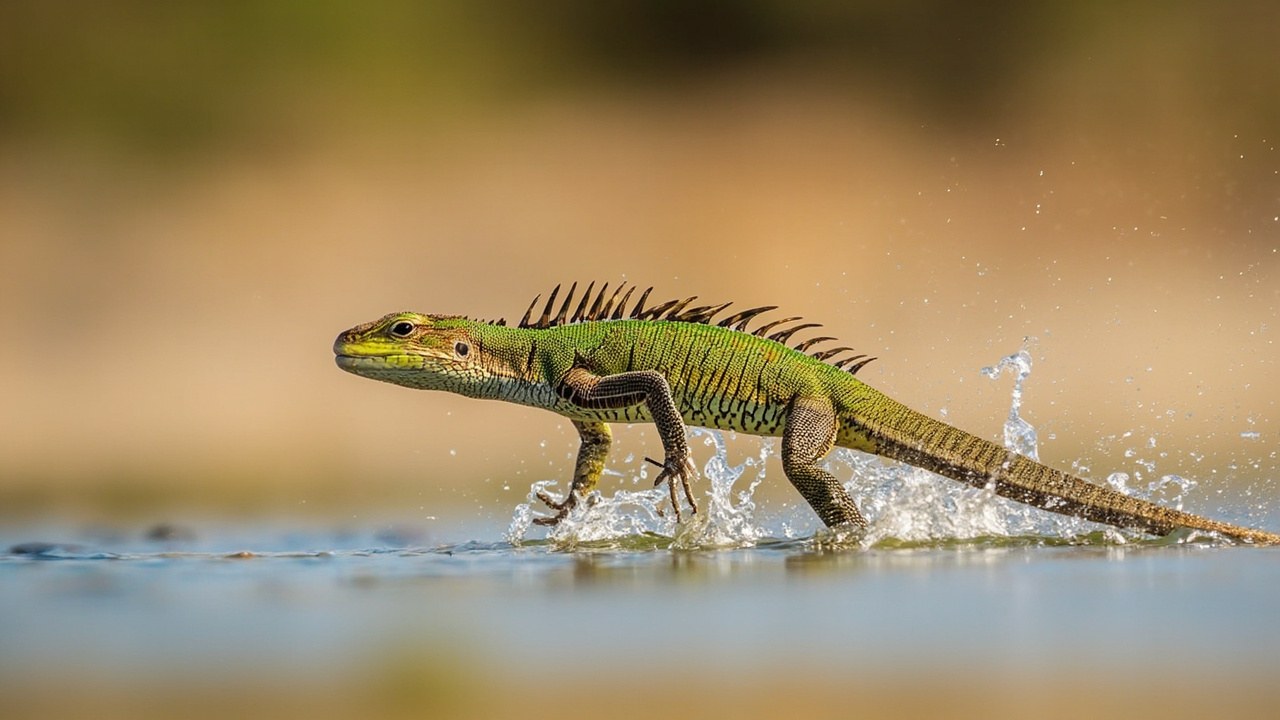
A useful speed claim states the species, distance, surface, temperature and whether the figure was directly measured. A brief sprint from a startled lizard is not comparable with sustained swimming by a sea turtle or a crocodilian moving through water. Body size, slope and motivation can change a result even within one species.
Acceleration, manoeuvrability and endurance can matter more than the highest measured speed. A lizard may need to reach a crevice quickly, a snake may need traction on loose ground and a turtle may need efficient travel through water. These movements make sense in their own habitat rather than in a cross-species race.
Fast Movement Often Signals Disturbance
A sudden dash, strike or swim away can be an escape response. Blocking an animal’s path, chasing it or trying to make it run for a recording increases stress and can place it near roads, predators or unsafe water. Watch from a distance and leave a route to cover.
Slow Does Not Mean Harmless
Many reptiles can bite or defend themselves when cornered. Treat every unfamiliar animal with respect instead of judging risk from how quickly it appeared to move.
Sources and review notes
Reviewed 23 August 2026. Reptile biology is wonderfully variable. We have avoided turning one species, photograph or dramatic observation into a rule for an entire group, and we have used cautious wording where evidence or local conditions differ.
Reference starting points: The Reptile Database, The IUCN Red List of Threatened Species, and PubMed-indexed research. Conservation status, taxonomy and local laws can change, so check the linked databases and the relevant local authority for current information.
Spotted something we should revisit? Send Reptile Explorer a correction—thoughtful reader feedback is always welcome.