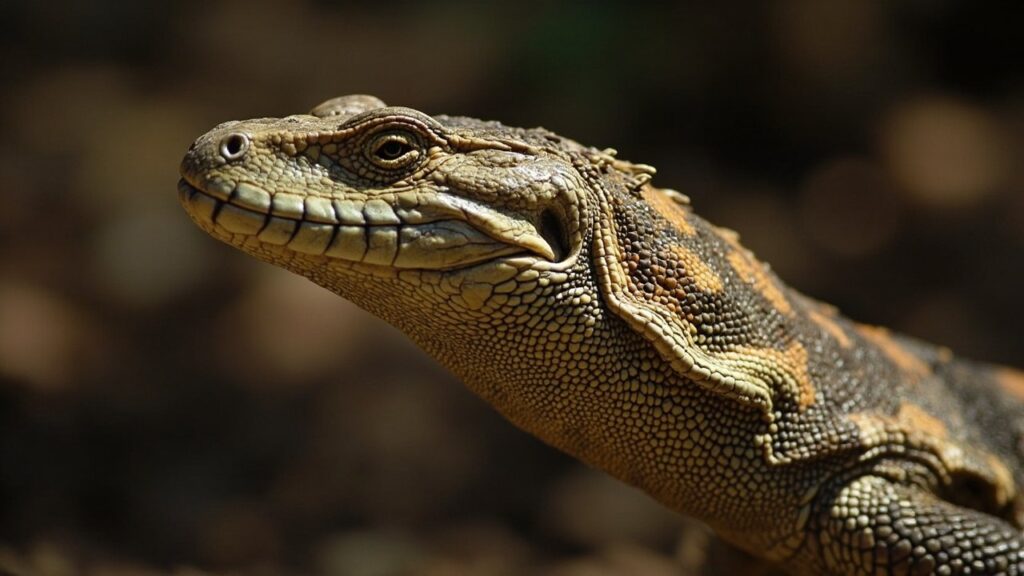
Venom is not a contest
Venom helps some snakes and lizards subdue prey or defend themselves. Laboratory measurements of venom effects do not create a simple global ranking of danger to people. Risk depends on the species, location, amount delivered, bite circumstances, the victim’s size and health, and how quickly appropriate medical care is available. Many venomous reptiles avoid people when given space.
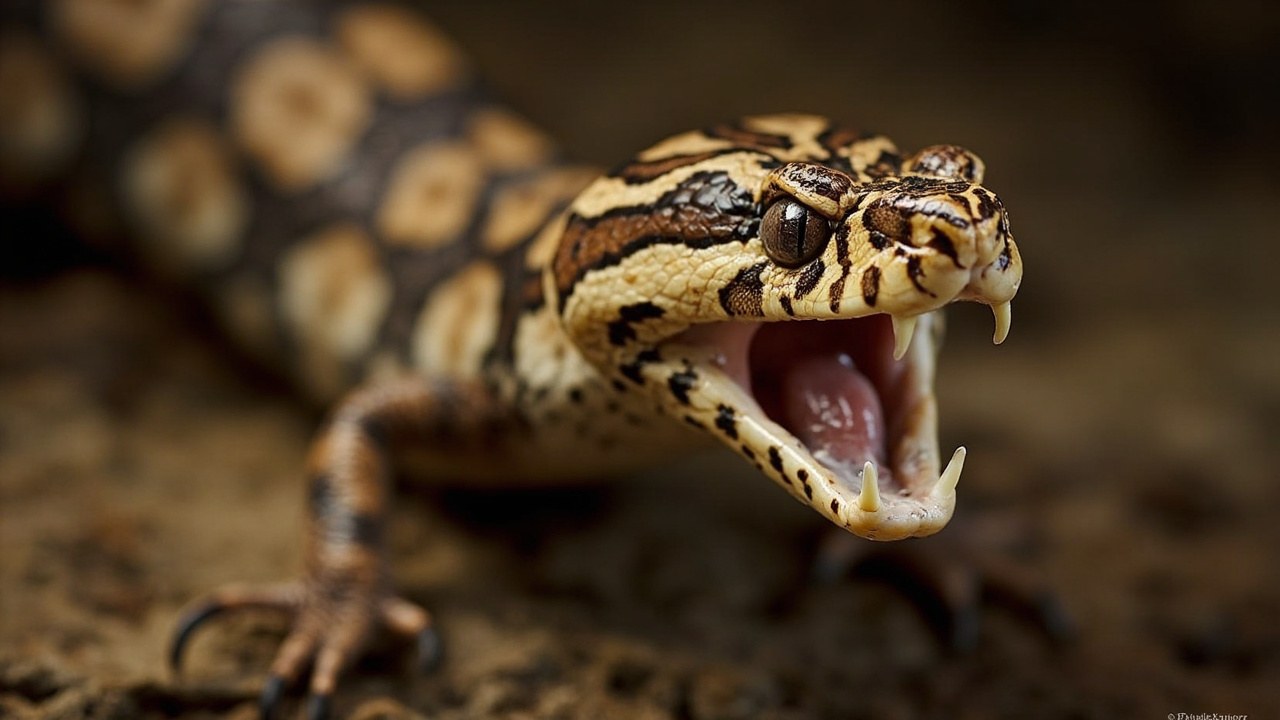
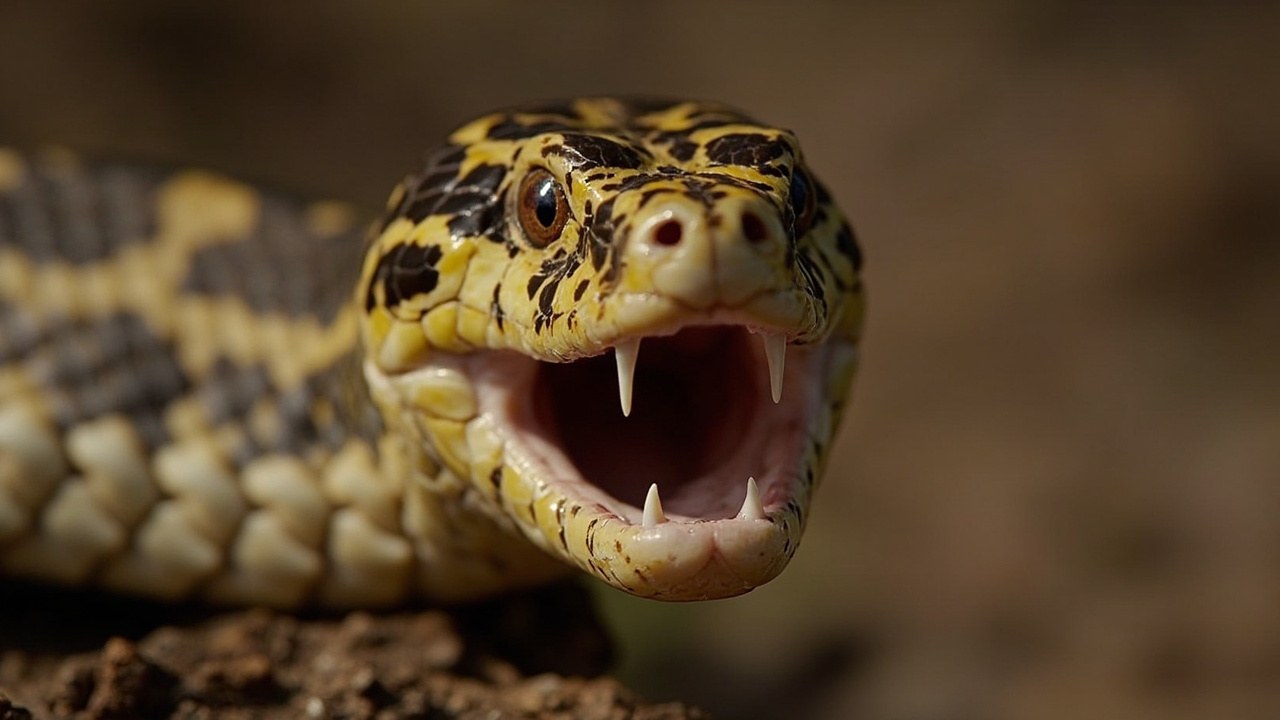
Respect reduces the chance of a bite
Do not handle, corner, kill, or try to identify an unfamiliar snake at close range. In areas where venomous snakes occur, wear suitable footwear, use a light after dark, and keep yards and paths clear of dense debris that creates hiding places. Local wildlife agencies or trained responders can help with a genuine encounter near a home.
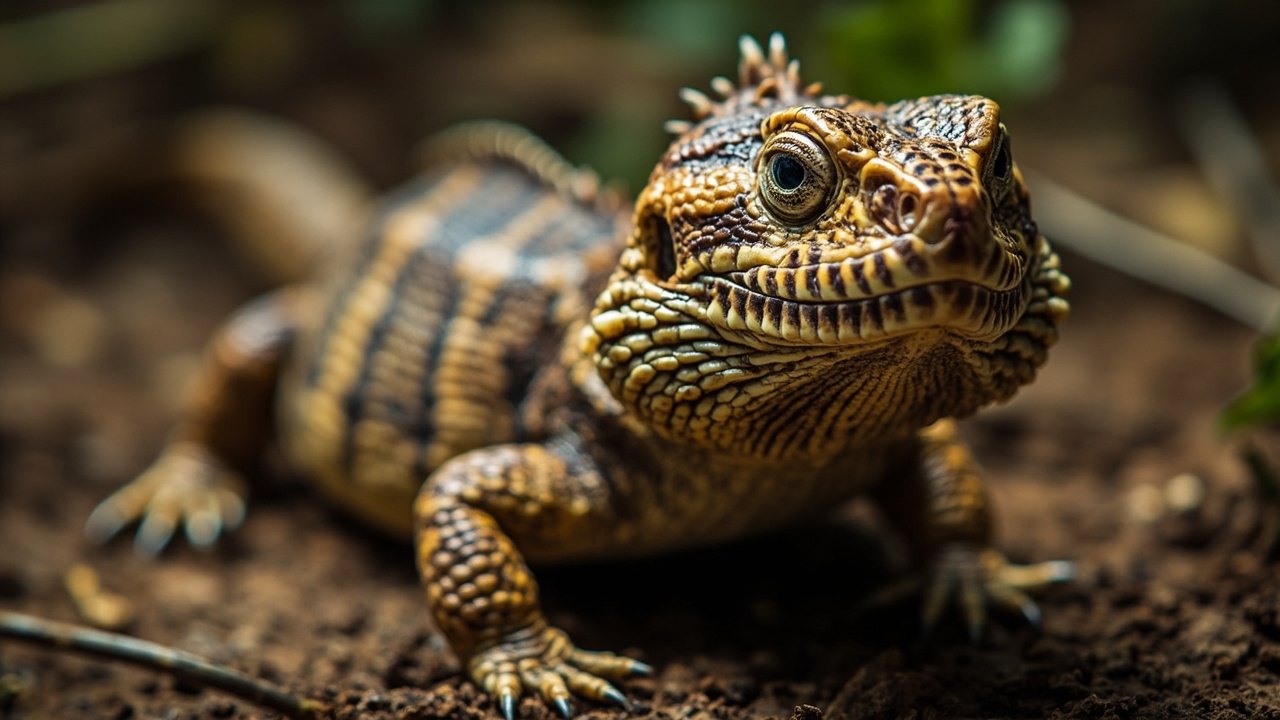
Act promptly after a suspected bite
Move away from the snake, keep the bitten person as still as possible, remove tight items before swelling begins, and arrange urgent transport to medical care. Do not cut or suck the wound, apply a tourniquet, use ice, or rely on alcohol or folk remedies. The correct treatment depends on the species and region, so a hospital or emergency service should direct care.
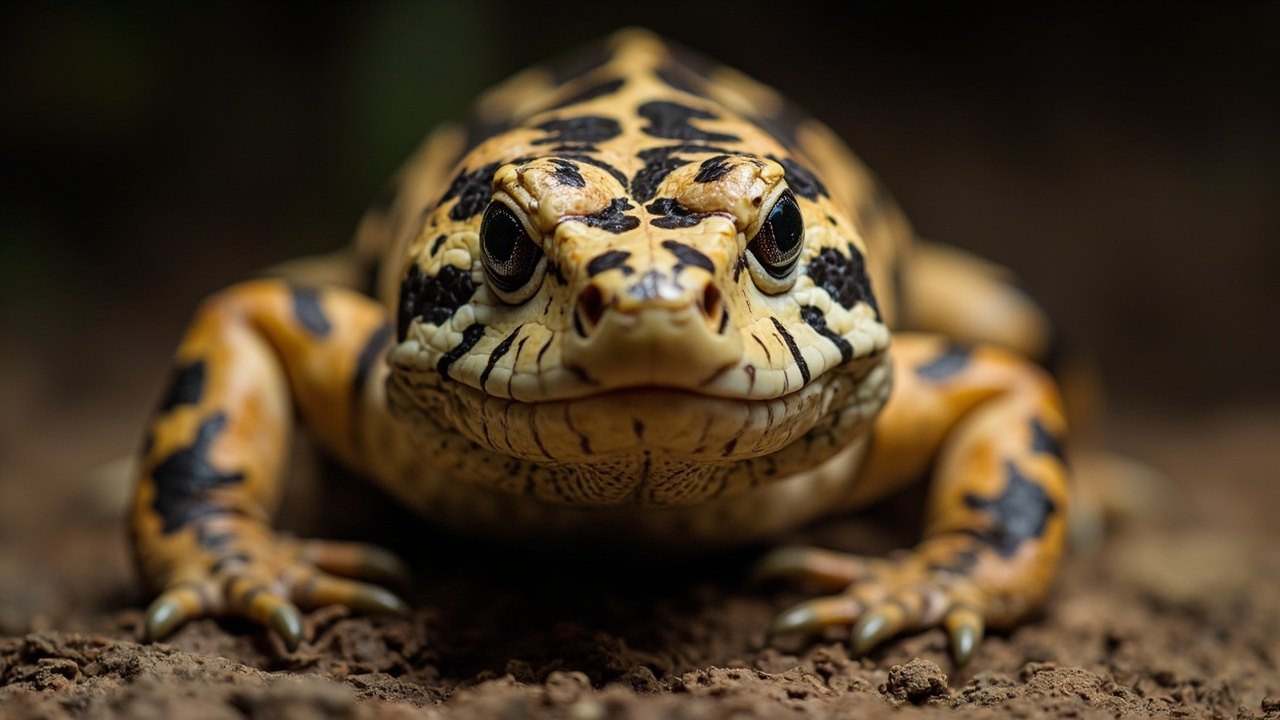
Risk Is Regional and Situation-Specific
A list of highly venomous reptiles can create a false sense of certainty. The species present, local emergency systems, terrain and time to medical care all affect the practical risk after a bite. A snake that is medically important in one country may not occur in another. Local public-health and wildlife authorities are the right source for current regional guidance.
Venom has biological functions in feeding and defence, but an animal does not need to be described as aggressive to be dangerous. Most wild reptiles benefit from a clear route away from people. Cornering, attempting to kill an animal or trying to capture it for identification can turn an avoidable sighting into an emergency.
Prevention Does Not Require Close Identification
At home or outdoors, keep hands and feet out of places that cannot be seen clearly, use a light when walking after dark and give any unfamiliar snake space. Children and pets should be kept away. A qualified local responder can handle a genuine conflict near a building, path or work area.
Emergency Care Must Be Led by Professionals
After a suspected venomous bite, contact emergency services or a hospital promptly and follow their instructions. Do not spend time pursuing the snake for a photograph or specimen. Accurate medical care is more important than a dramatic identification story.
Sources and review notes
Reviewed 23 August 2026. Reptile biology is wonderfully variable. We have avoided turning one species, photograph or dramatic observation into a rule for an entire group, and we have used cautious wording where evidence or local conditions differ.
Reference starting points: The Reptile Database, The IUCN Red List of Threatened Species, and PubMed-indexed research. Conservation status, taxonomy and local laws can change, so check the linked databases and the relevant local authority for current information.
Spotted something we should revisit? Send Reptile Explorer a correction—thoughtful reader feedback is always welcome.