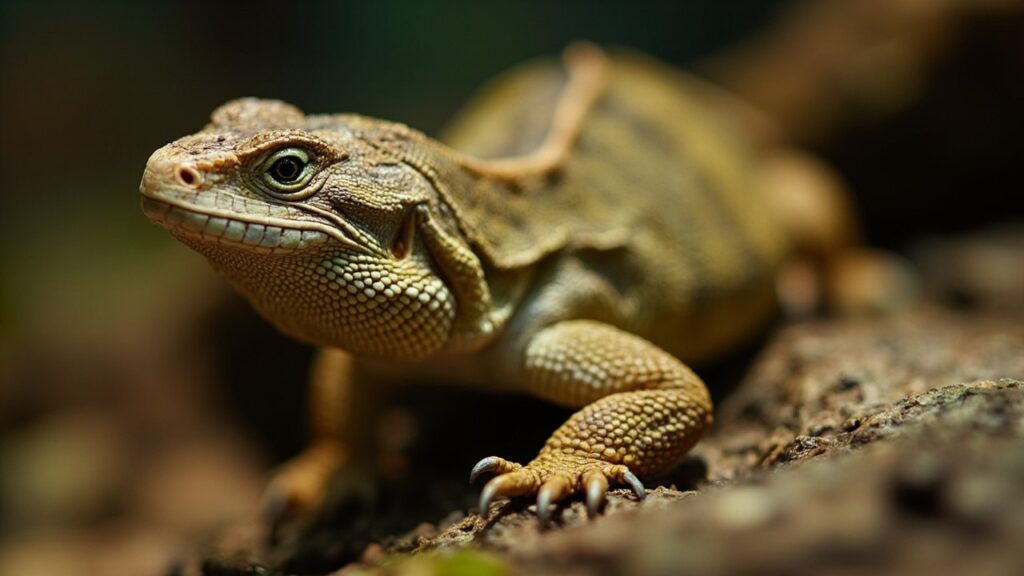
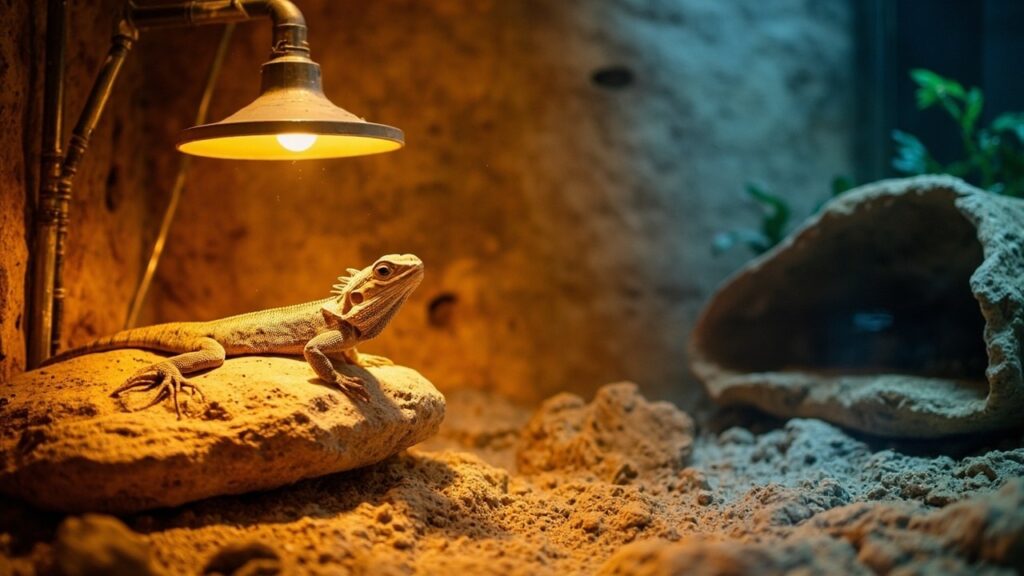
Lighting Has Several Jobs
Visible light, heat, UVA, and UVB are related but different parts of enclosure design. Light helps establish a daily rhythm, heat supports thermoregulation, and UVB can support vitamin D synthesis and calcium metabolism for species that naturally receive meaningful ultraviolet exposure.

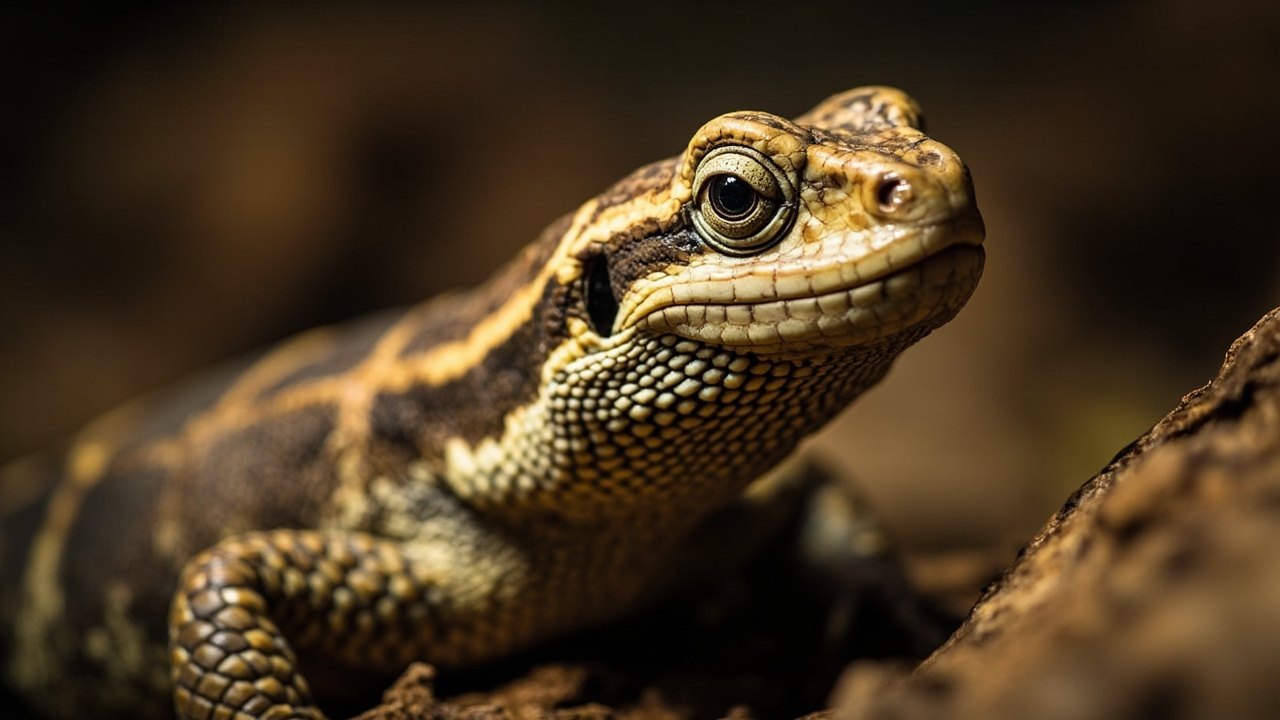
Match Exposure to the Species
There is no single UVB lamp, distance, schedule, or replacement date that suits every reptile. Natural habitat, behaviour, enclosure height, fixture type, mesh, reflectors, and access to shade all affect exposure. A useful setup provides a gradient rather than forcing the animal into constant light.
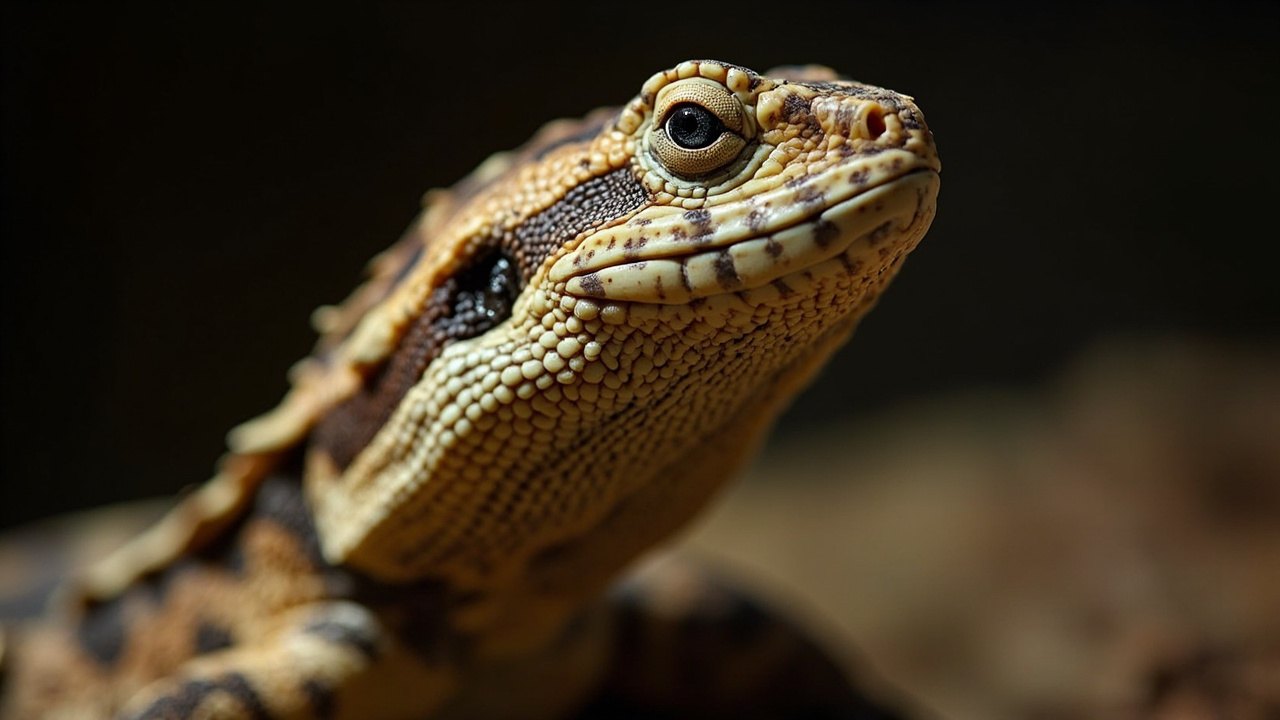
Use Equipment Safely
Lighting should be installed securely and used according to current manufacturer guidance. Reptiles need a reliable period of darkness, and any overnight heat requirement should be met without visible light. A reptile-qualified veterinarian can help resolve species-specific lighting, health, or calcium concerns.
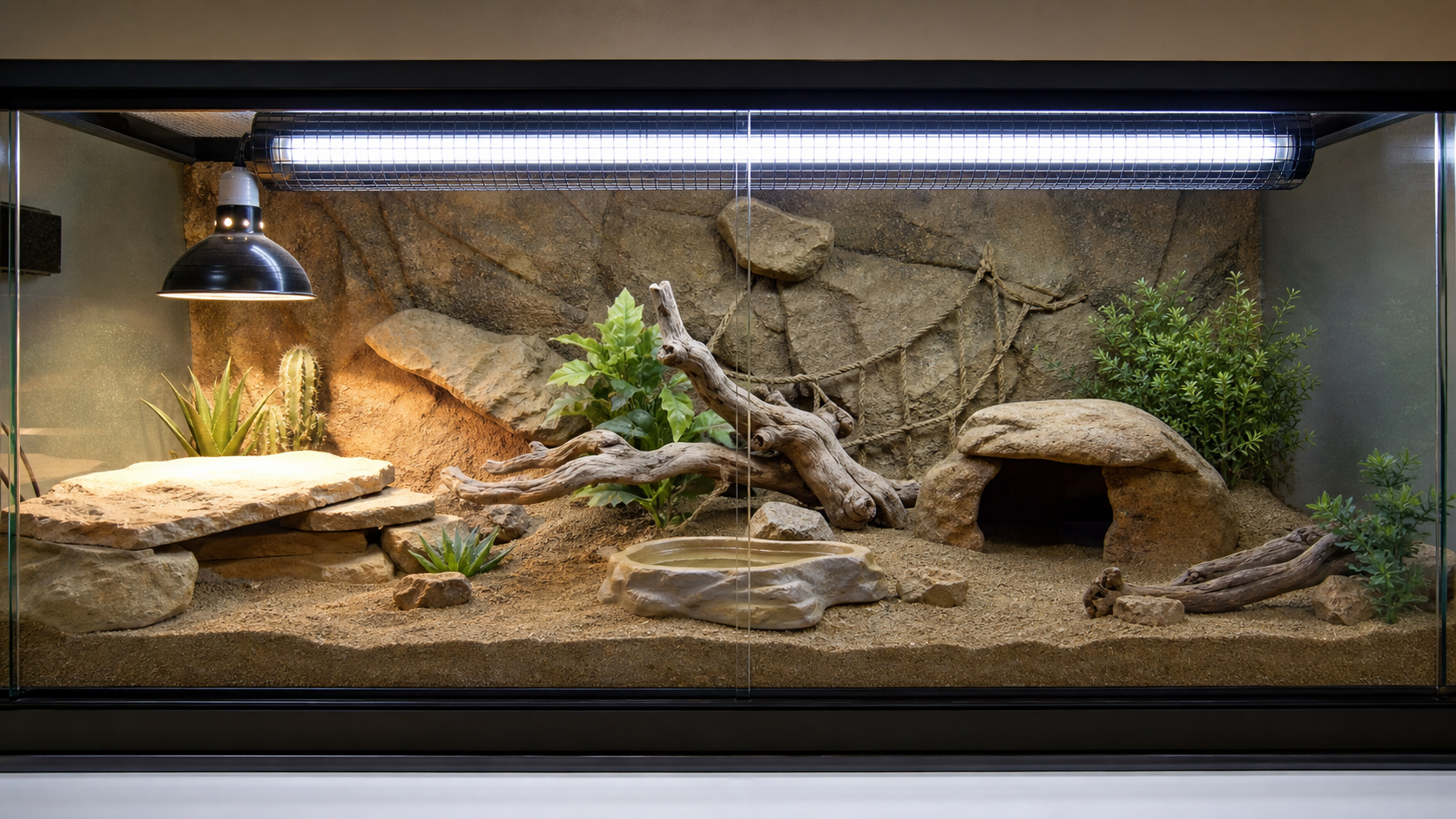
Plan Light, Heat and UVB as Separate Parts of One System
A lamp name or wattage does not describe the conditions available to an animal. Visible light influences the day-night cycle, heat creates usable thermal choices, and UVB exposure depends on the lamp, fixture, distance and anything between the source and the animal. Some species have stronger evidence for regular ultraviolet exposure than others. A species profile should therefore guide the goal before equipment is selected.
Assess the Enclosure That Is Actually Built
Mesh, glass, reflectors, mounting height, enclosure furniture and the position of a basking site can change what reaches a reptile. Lamp output also changes with use, so replacement decisions should follow the manufacturer’s current instructions and, where available, suitable measurement rather than a universal calendar rule. Changing several variables at once makes it difficult to understand the result. Secure fitting, protected cables and an appropriate distance from hot surfaces are basic safety checks.
Provide Choice and a Reliable Dark Period
A well-planned enclosure lets the animal use brighter or dimmer areas and move between warmer and cooler conditions. Shade and cover are part of the lighting plan, not signs that a system has failed. Reptiles also need a predictable period without visible light. Persistent changes in appetite, activity, posture or shedding require professional assessment; lighting adjustments alone should not be used to diagnose or treat a health problem.
Sources and review notes
Reviewed 23 August 2026. Care works best when it starts with the exact species in front of you. We checked this article against current veterinary husbandry guidance, but measured enclosure conditions and a reptile-experienced veterinarian should guide decisions for an individual animal.
Reference starting points: Merck Veterinary Manual: reptile management and husbandry, CDC: healthy handling around reptiles and amphibians, and The Reptile Database. Conservation status, taxonomy and local laws can change, so check the linked databases and the relevant local authority for current information.
Spotted something we should revisit? Send Reptile Explorer a correction—thoughtful reader feedback is always welcome.