
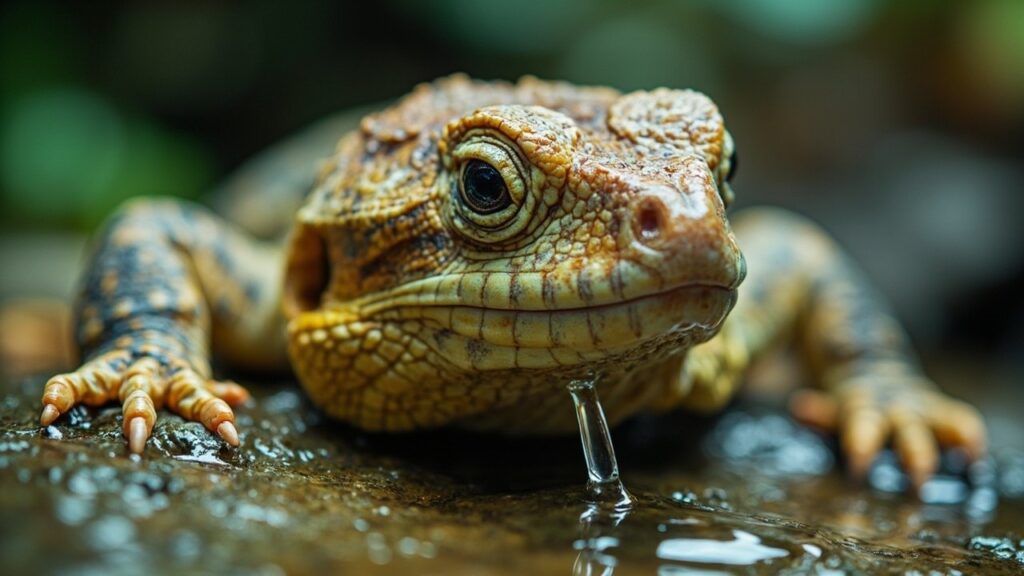
Water and Hydration for Pet Reptiles
Reptile hydration needs vary by species. Water dishes, misting, humidity, diet and routine observation must be matched to the animal and enclosure.
Reptile hydration needs vary by species. Water dishes, misting, humidity, diet and routine observation must be matched to the animal and enclosure.
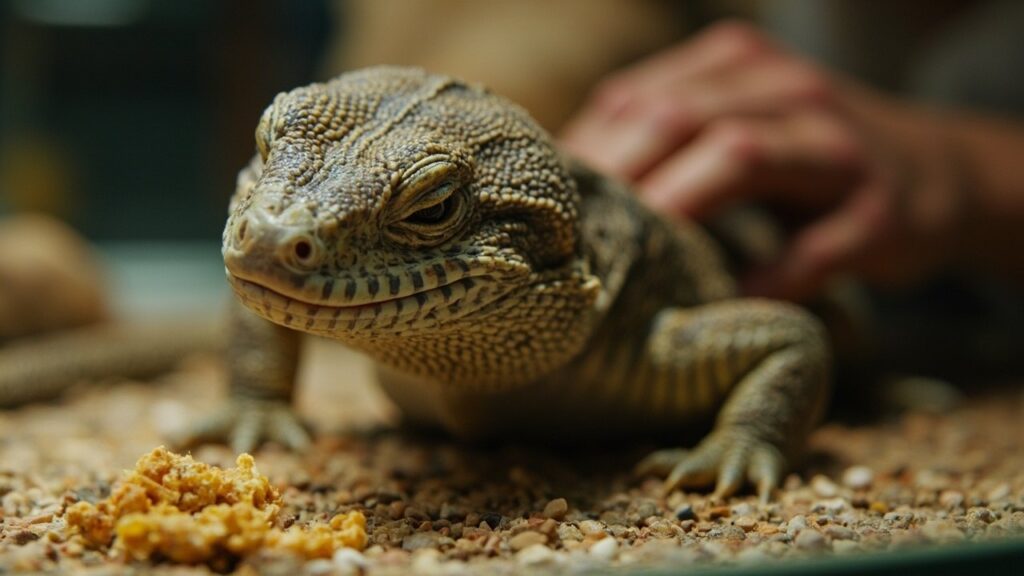
Pet reptile diets and feeding schedules vary by species, age, health and reproductive state. Species guidance and veterinary advice should guide feeding.
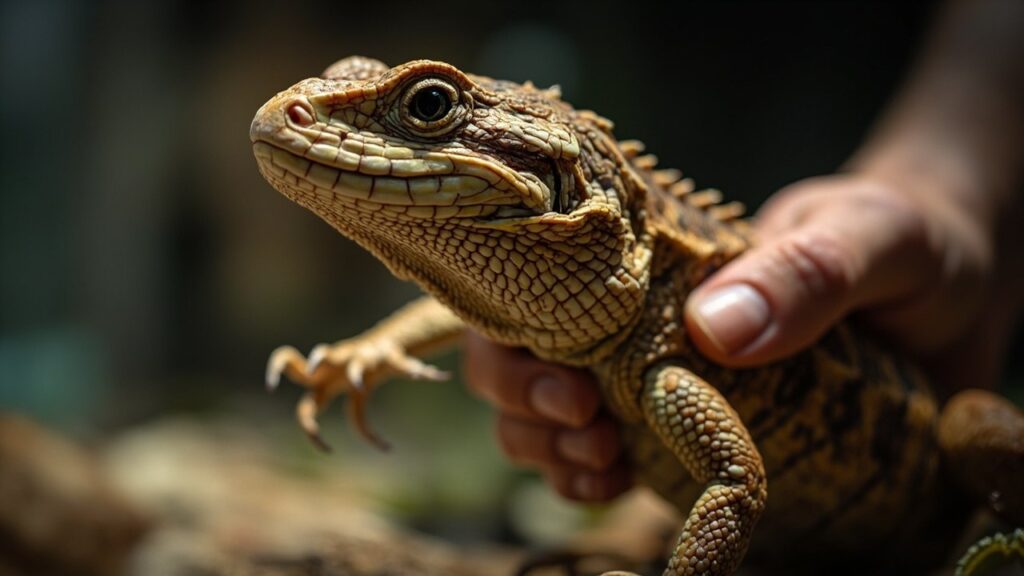
Handle reptiles only when necessary, using calm, species-specific support. Handling should stop when the animal shows stress, and unfamiliar wild or dangerous reptiles should not be touched.
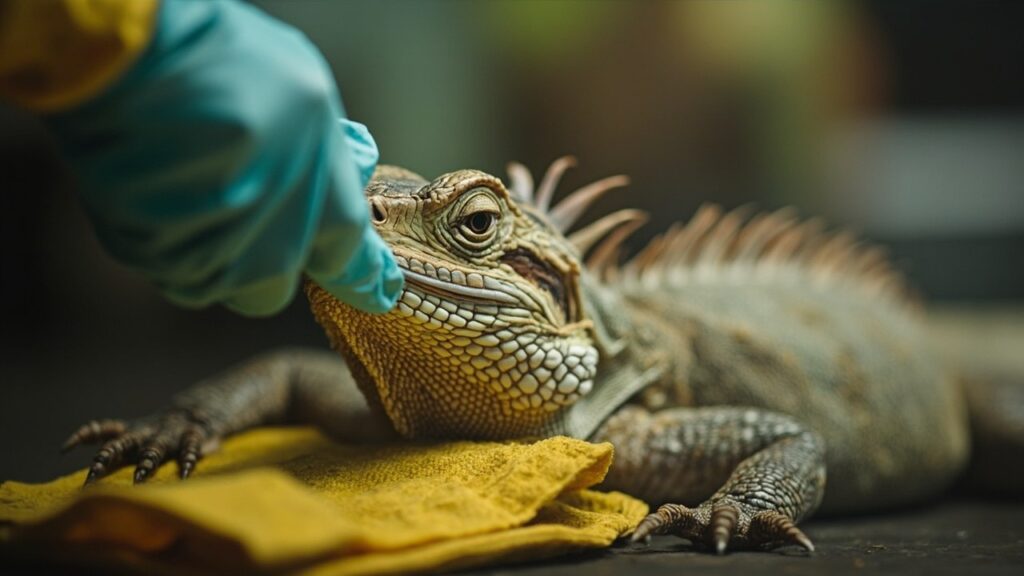
Clean reptile enclosures by removing waste first, then using suitable products exactly as directed. Rinsing, drying and separate tools help prevent chemical exposure and cross-contamination.
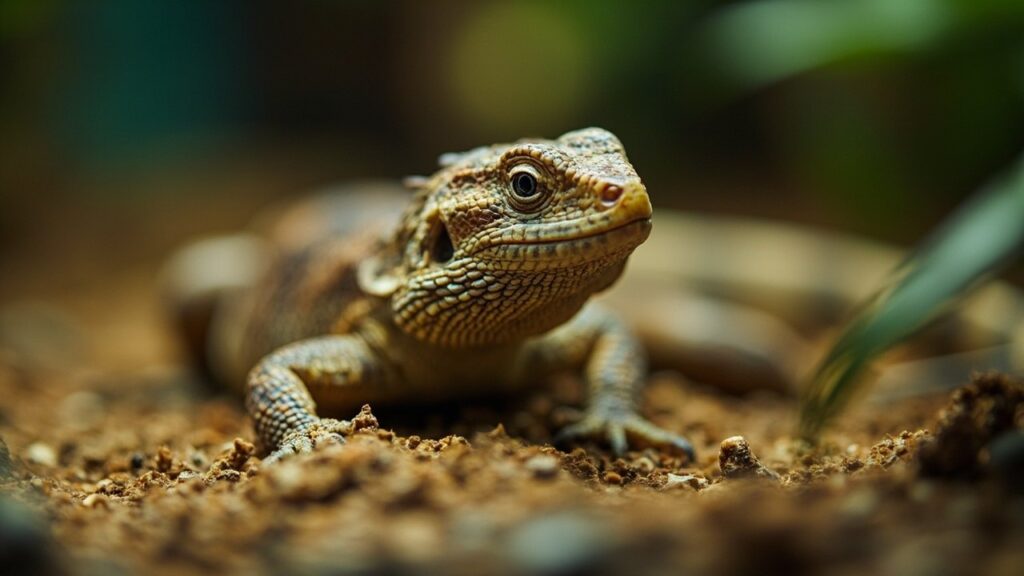
Choose reptile substrate by species suitability, moisture, cleanliness, natural behaviour and ingestion risk. Some materials, including cedar and pine shavings, should be excluded.
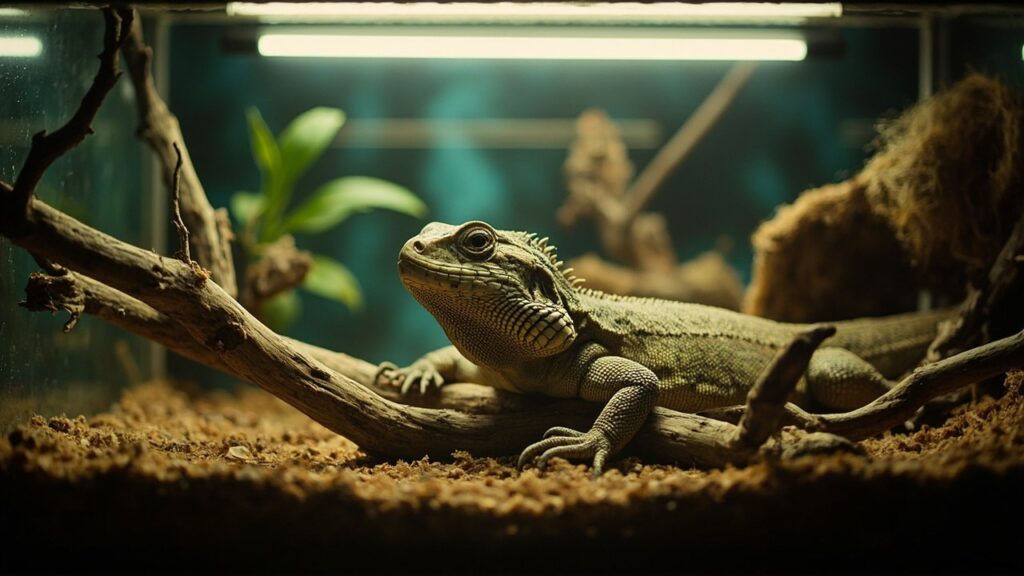
Visible light, heat and UVB serve different roles in reptile husbandry. Lamp choice, distance, shade and replacement schedules must match the species and enclosure.
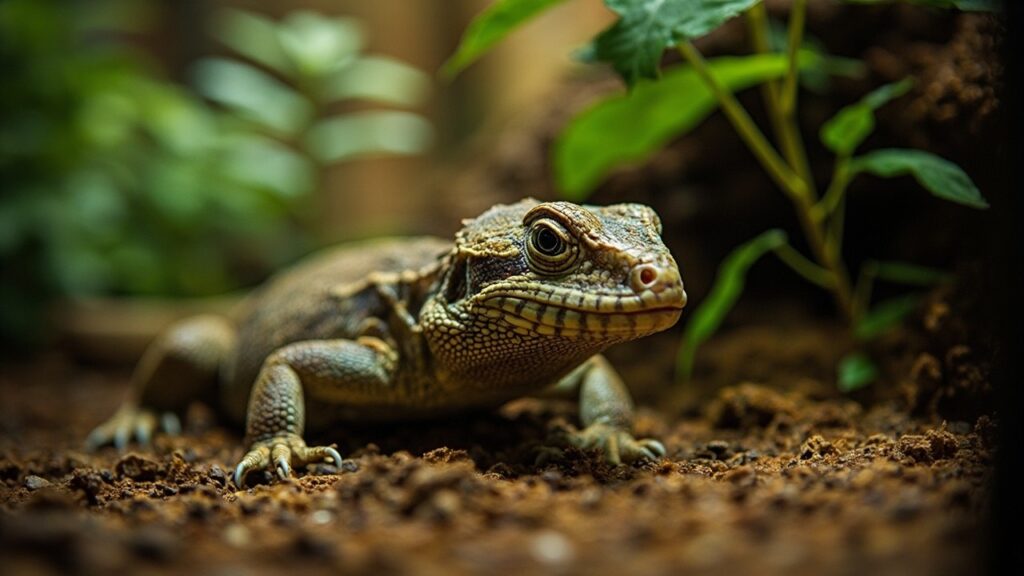
Pet reptile humidity needs differ by species, life stage and enclosure design. Measure conditions inside the enclosure, not the room.
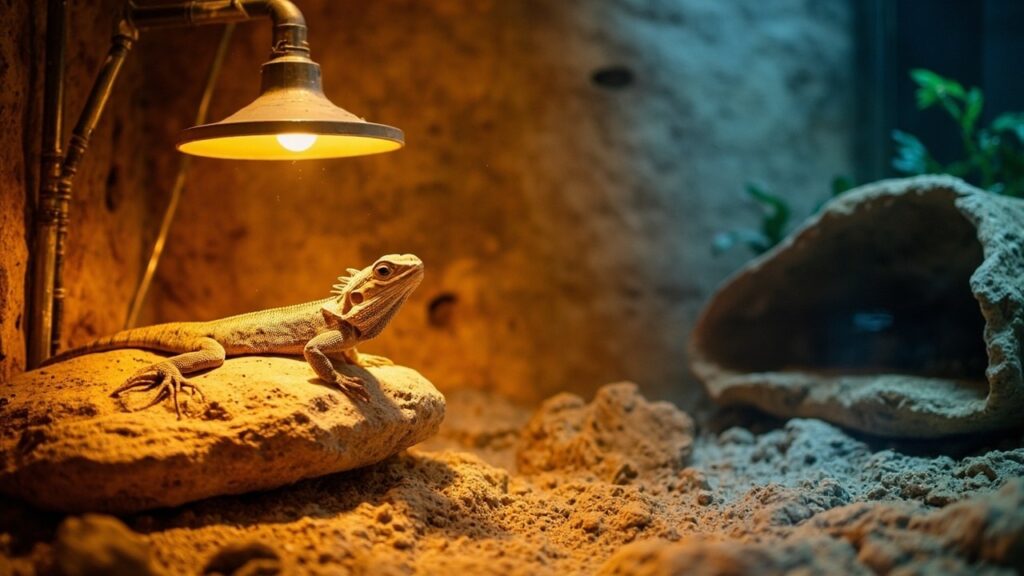
A measured temperature gradient gives reptiles access to warmer and cooler areas. The targets, equipment and monitoring method must match the species and enclosure.
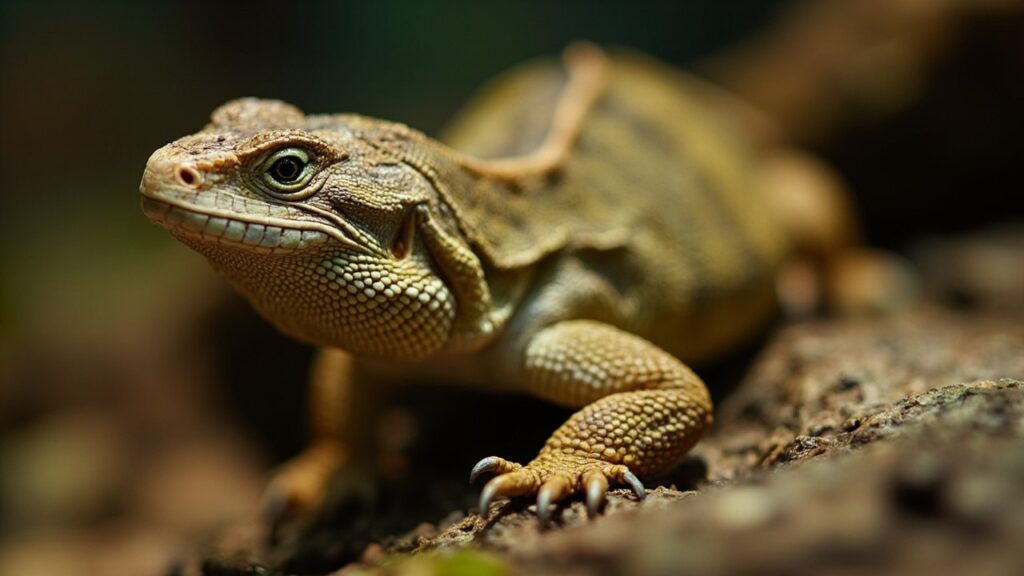
Plan a reptile enclosure around species-specific space, heat, light, humidity, shelter, ventilation, water and safe furnishings before bringing the animal home.