Clean Before You Disinfect
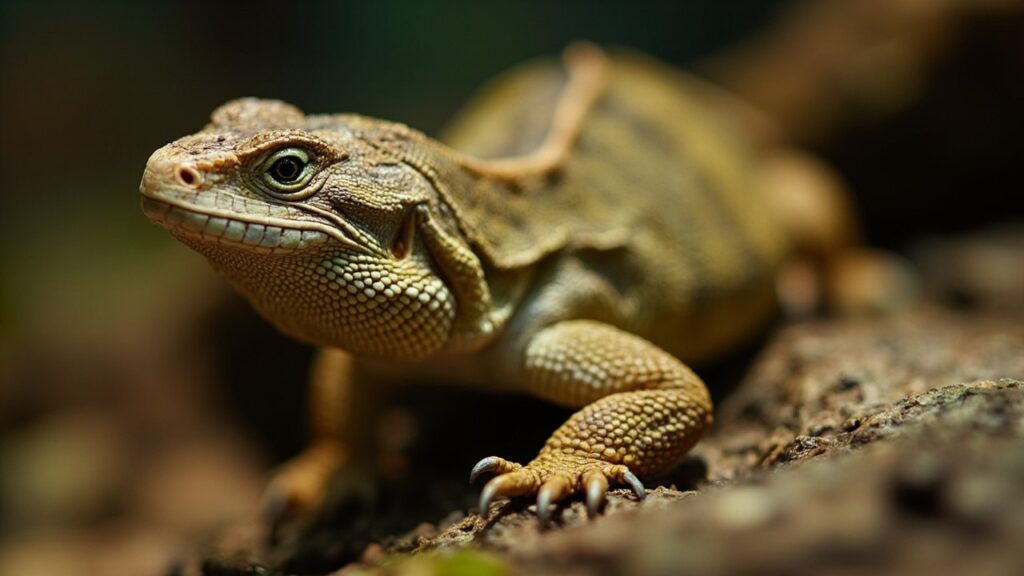
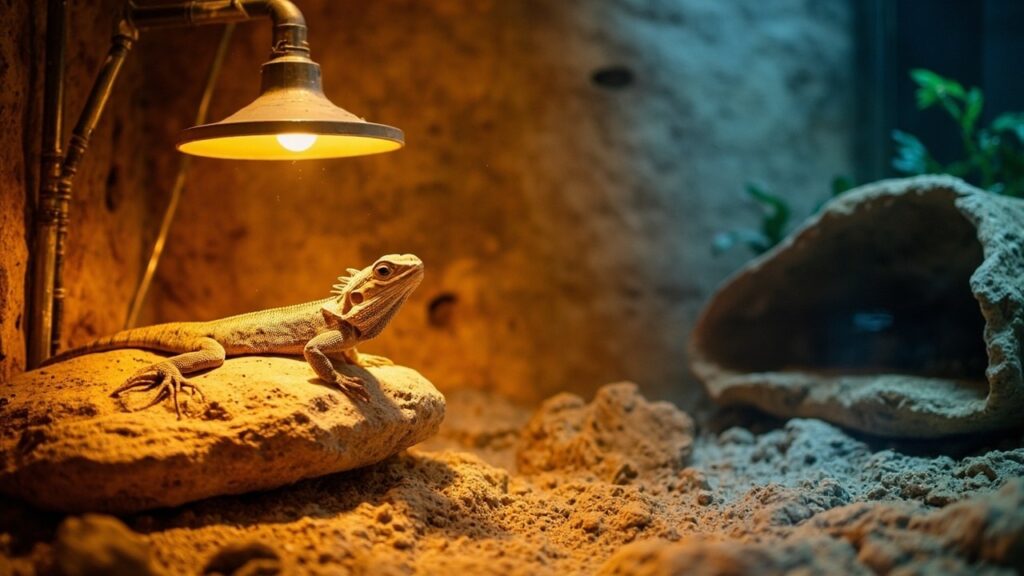
Removing droppings, discarded food, shed skin, and other organic material is the first step in enclosure hygiene. Physical cleaning makes a surface easier to inspect and helps any later disinfectant work as intended. Routine cleaning is often more useful than relying on strong chemicals alone.

Choose Products With Reptile Safety in Mind
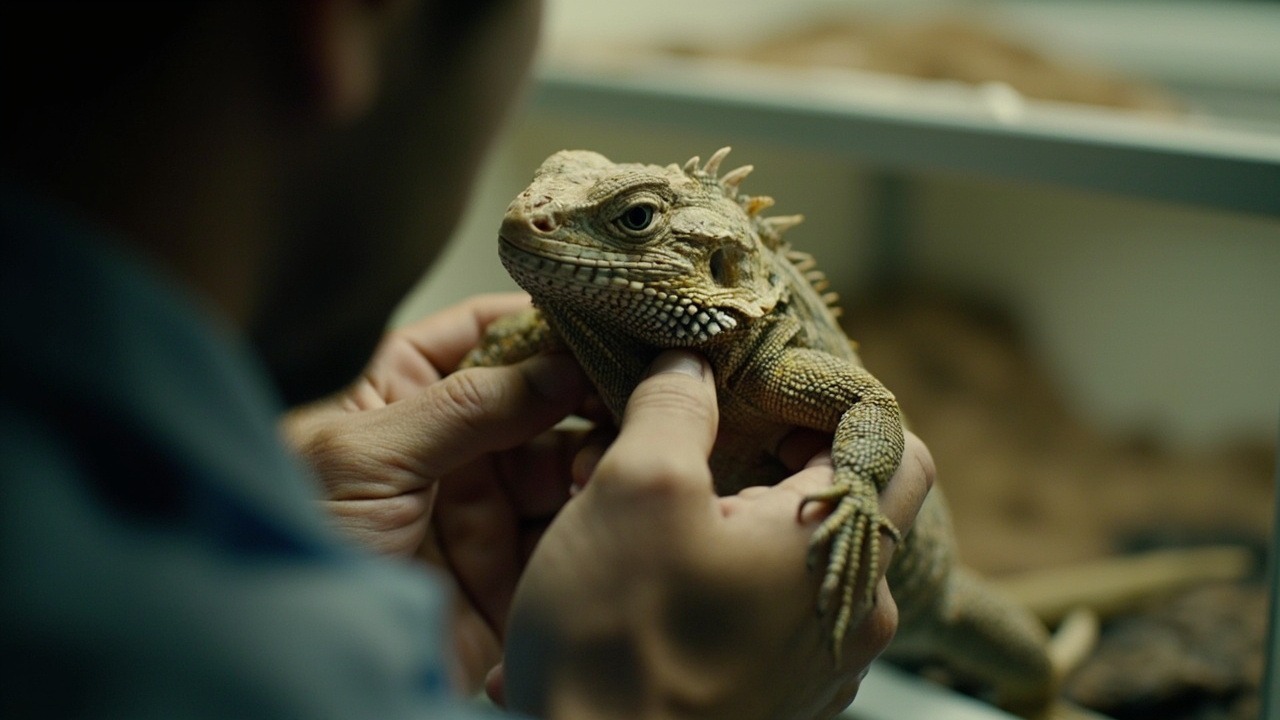
Any disinfectant must be appropriate for the surface and used exactly as its label directs. Remove food and water items, avoid exposing the animal to fumes or residue, provide ventilation, and allow the enclosure to dry before the animal returns. Do not mix cleaning products, and avoid products known to be harmful to reptiles.
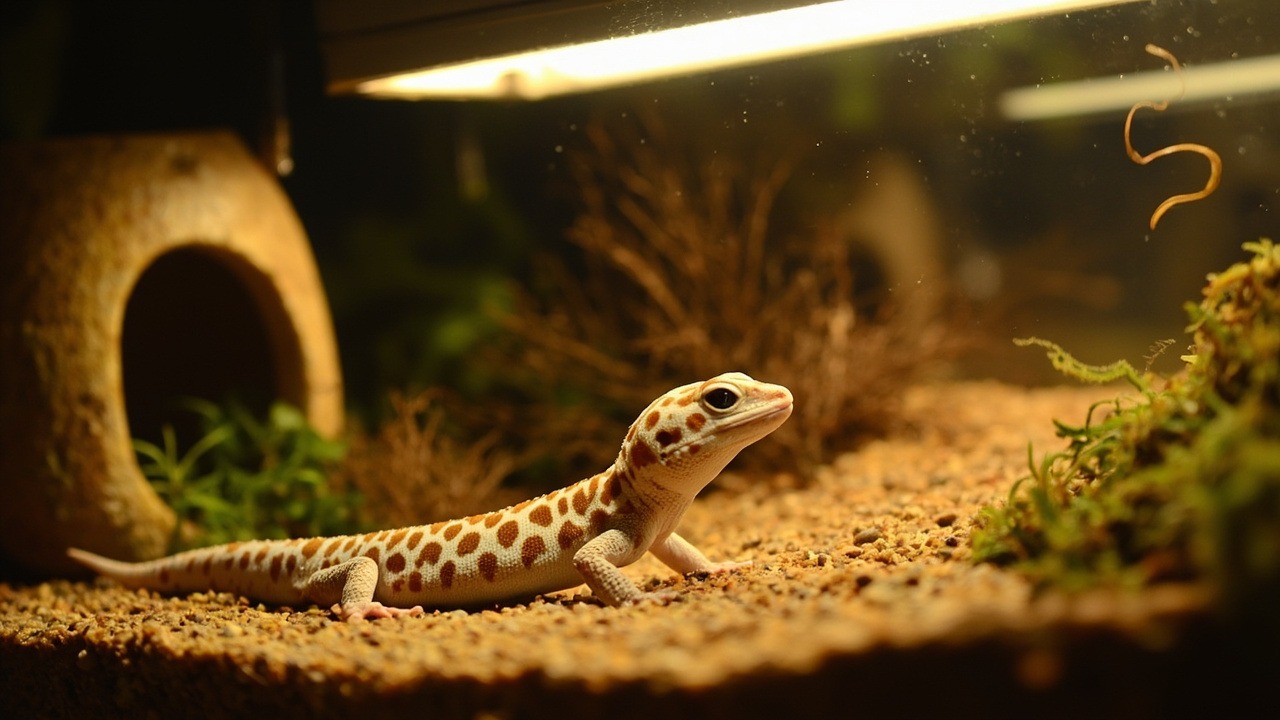
Prevent Cross-Contamination
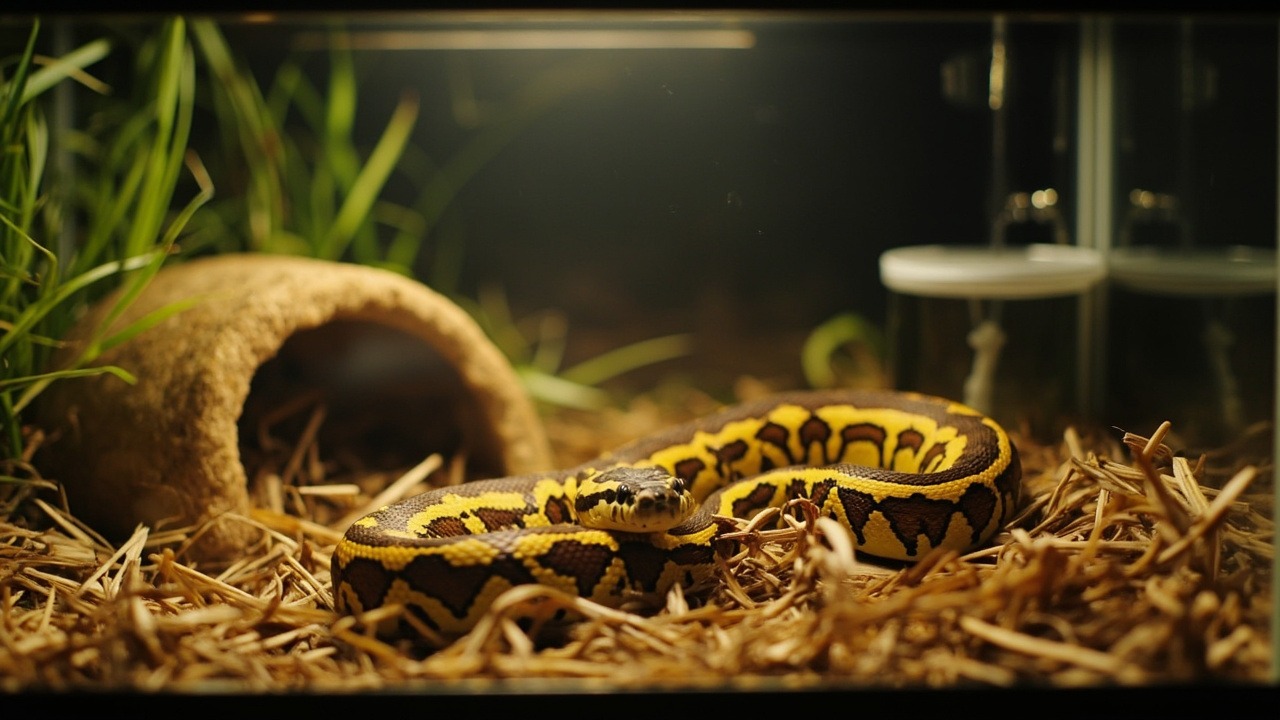
Use dedicated cleaning tools and avoid washing reptile equipment where human food is prepared. Wash hands after handling reptiles, their waste, water, and enclosure items. If an animal is ill or in quarantine, a reptile veterinarian can recommend a cleaning and separation plan suited to the diagnosis.
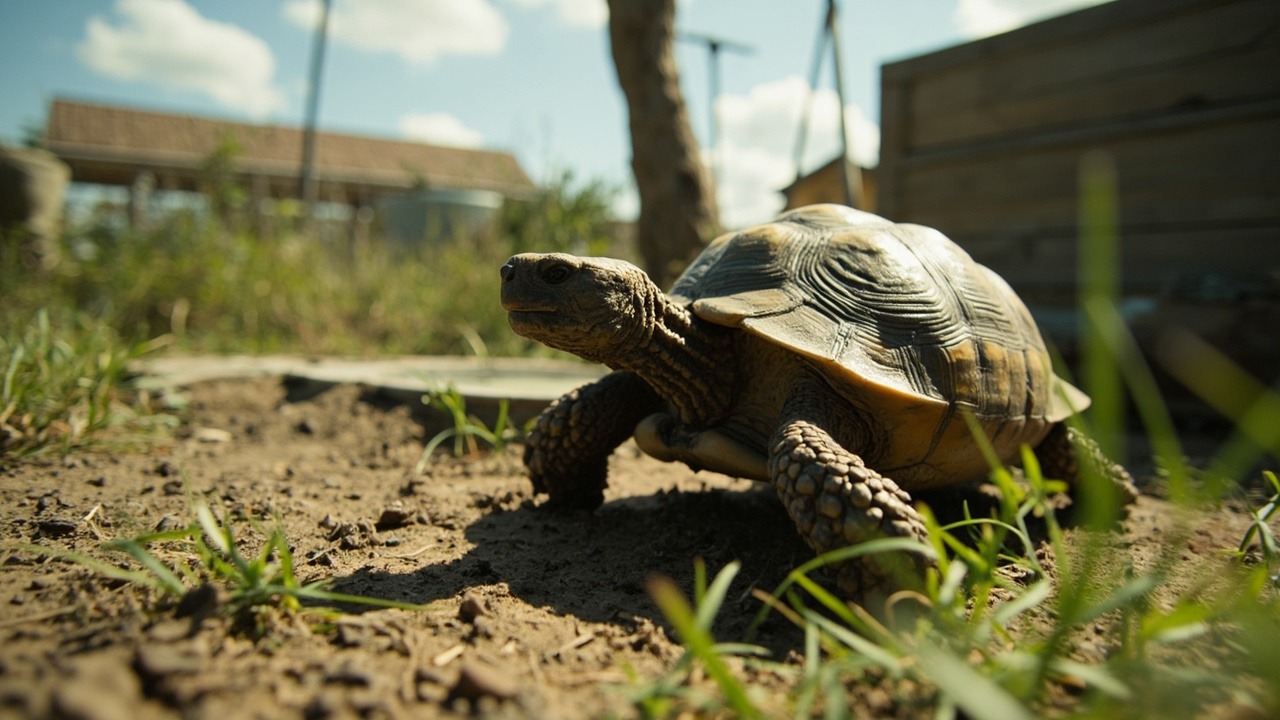
Cleaning and Disinfection Do Different Jobs
Cleaning physically removes waste, shed skin, food residue and other organic material. Disinfection is a separate step intended to reduce microorganisms on a clean surface. A disinfectant cannot reliably work through caked substrate or visible waste, so debris should be removed before a product is applied. Water bowls, hides and other furnishings need the same attention as enclosure walls because they are part of the animal’s daily environment.
Use Products Exactly as Directed
Move the reptile to a secure temporary enclosure before cleaning. Choose a reptile-appropriate product with guidance from a veterinarian or its label, use the stated dilution and contact time, and rinse or wipe surfaces where the product instructions require it. Allow the enclosure and furnishings to dry fully before replacing clean substrate and returning the animal. Porous materials can be difficult to disinfect thoroughly and may need replacement as part of a veterinary-directed hygiene plan.
Keep Hygiene Records Simple
Remove waste promptly, refresh water, and note changes in appetite, droppings, shedding or behaviour. Keep enclosure-cleaning tools away from food-preparation areas, and wash hands after handling the reptile or its furnishings. A clean-looking enclosure does not prove that an animal is healthy. Persistent changes or suspected infectious disease need assessment by a qualified reptile veterinarian.
Sources and review notes
Reviewed 23 August 2026. Care works best when it starts with the exact species in front of you. We checked this article against current veterinary husbandry guidance, but measured enclosure conditions and a reptile-experienced veterinarian should guide decisions for an individual animal.
Reference starting points: Merck Veterinary Manual: reptile management and husbandry, CDC: healthy handling around reptiles and amphibians, and The Reptile Database. Conservation status, taxonomy and local laws can change, so check the linked databases and the relevant local authority for current information.
Spotted something we should revisit? Send Reptile Explorer a correction—thoughtful reader feedback is always welcome.