
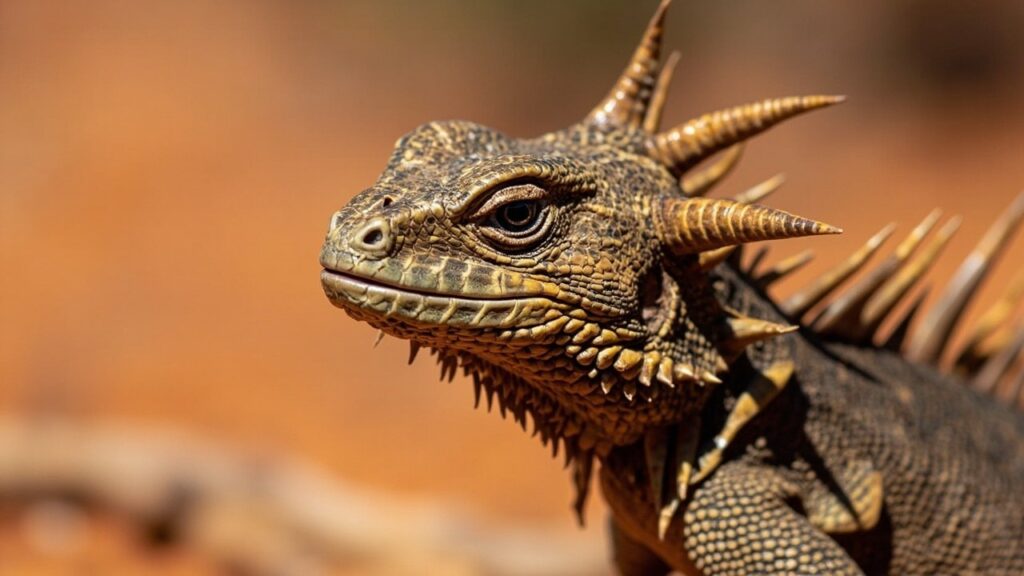
Thorny Devils of Arid Australia
Thorny devils use skin channels to move water toward the mouth and feed mainly on ants. Their survival depends on suitable arid habitat and food supply.
Thorny devils use skin channels to move water toward the mouth and feed mainly on ants. Their survival depends on suitable arid habitat and food supply.
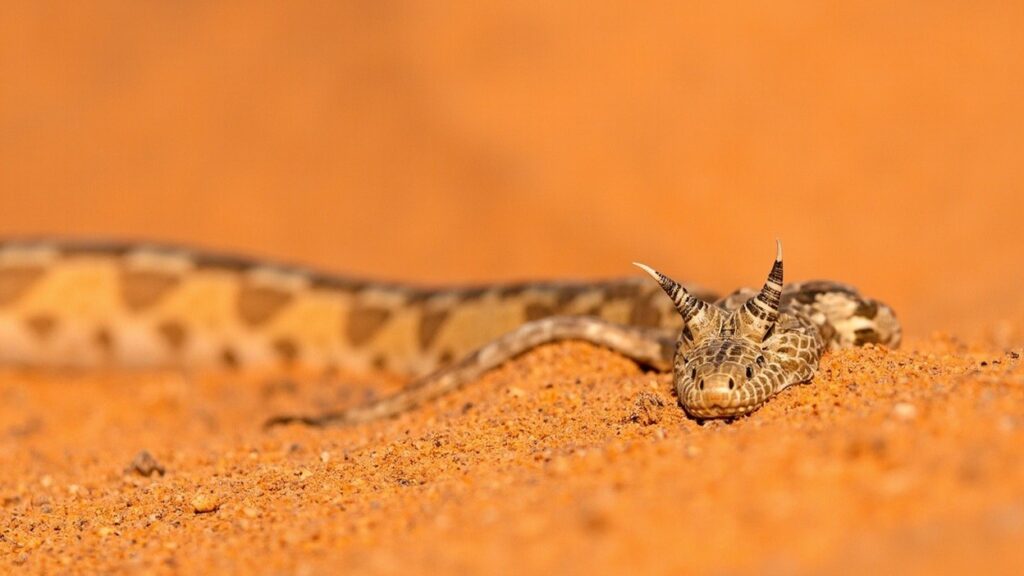
The Kalahari’s dunes, savanna and scrub support reptiles adapted to heat, seasonal rainfall and limited surface water.
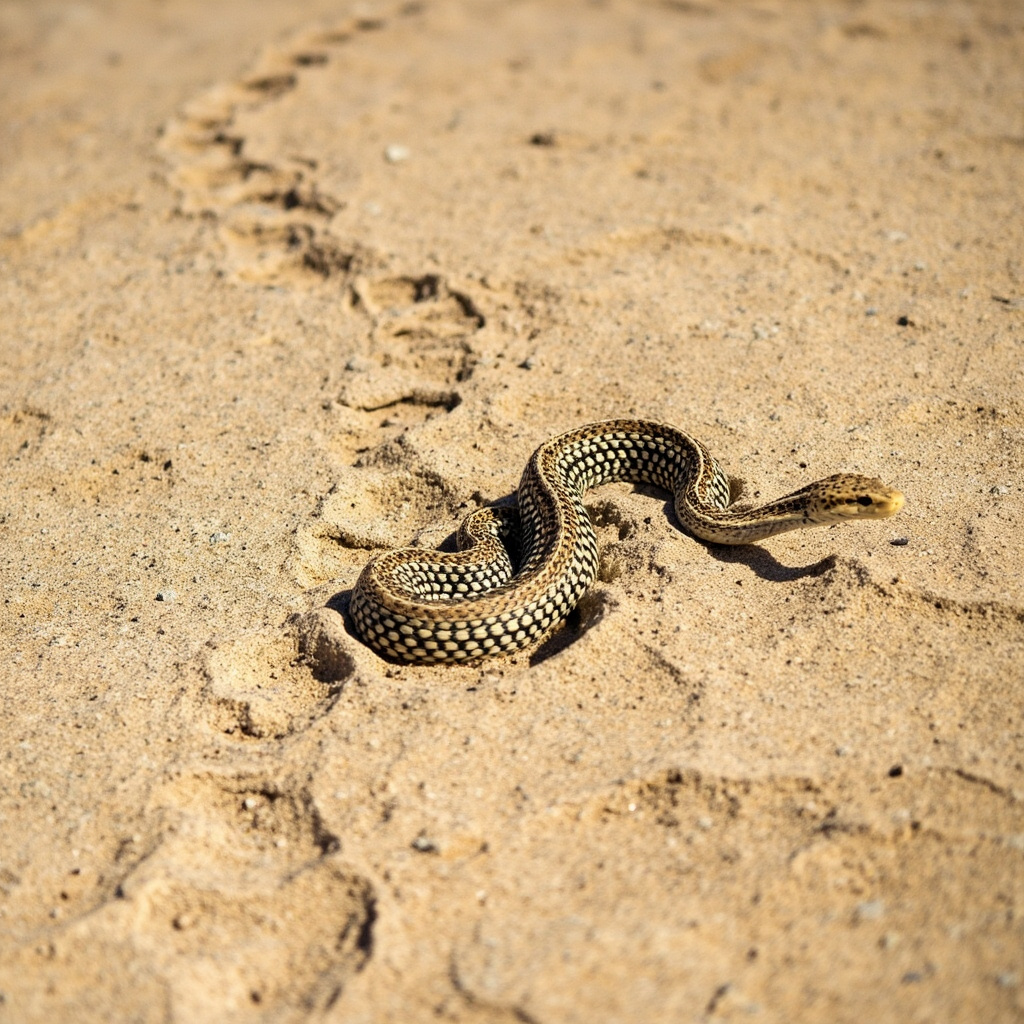
Sidewinder rattlesnakes cross loose Mojave sand with a gait that keeps most of the body off the ground while small sections maintain traction.
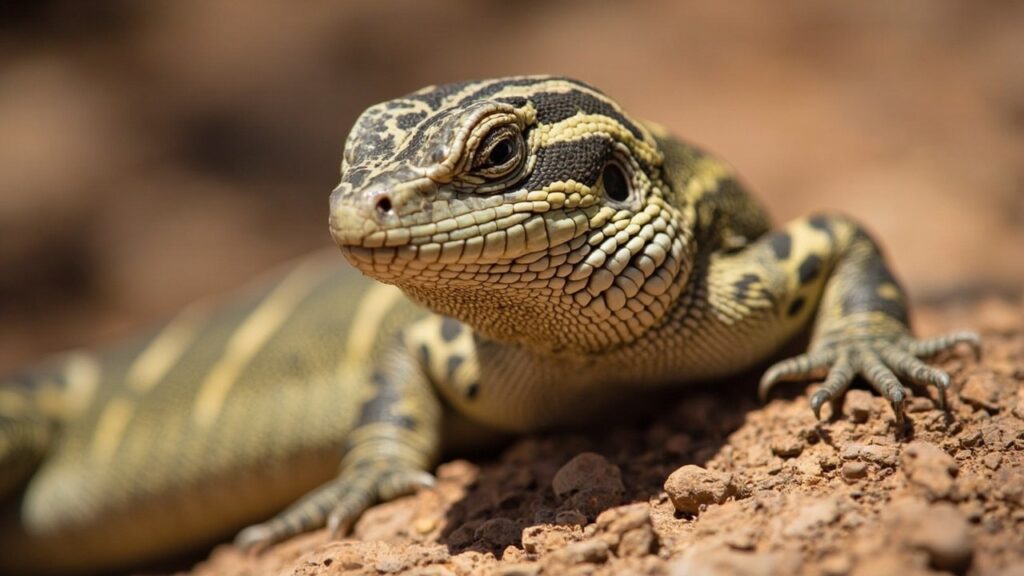
Arizona’s desert reptiles use shade, burrows, rock crevices and seasonal activity patterns to manage heat and drought. Roads, habitat conversion and illegal collection can still harm populations.
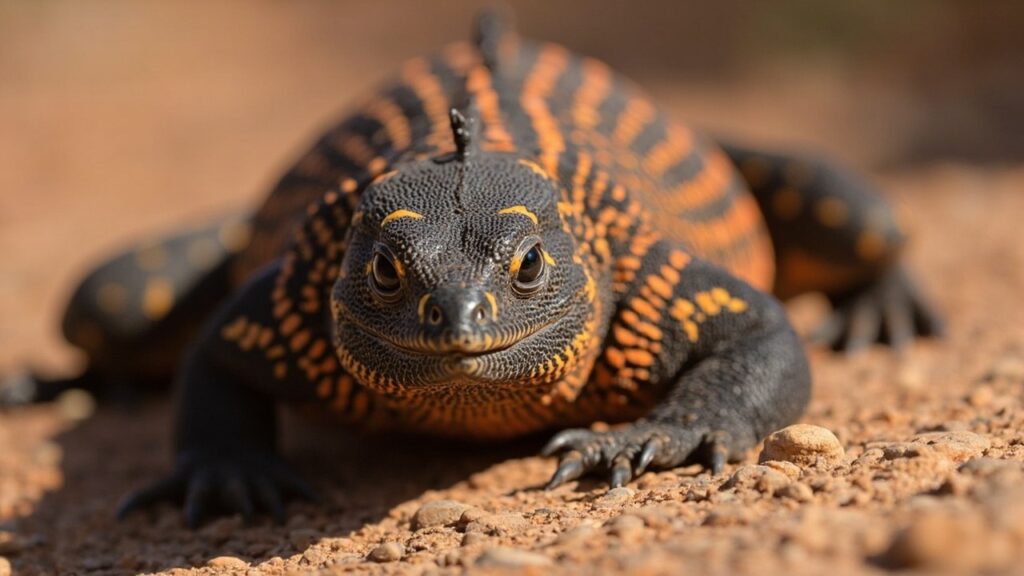
Gila monsters cope with seasonal food scarcity by storing fat in their bodies and tails. They spend much of the year sheltered in underground refuges.
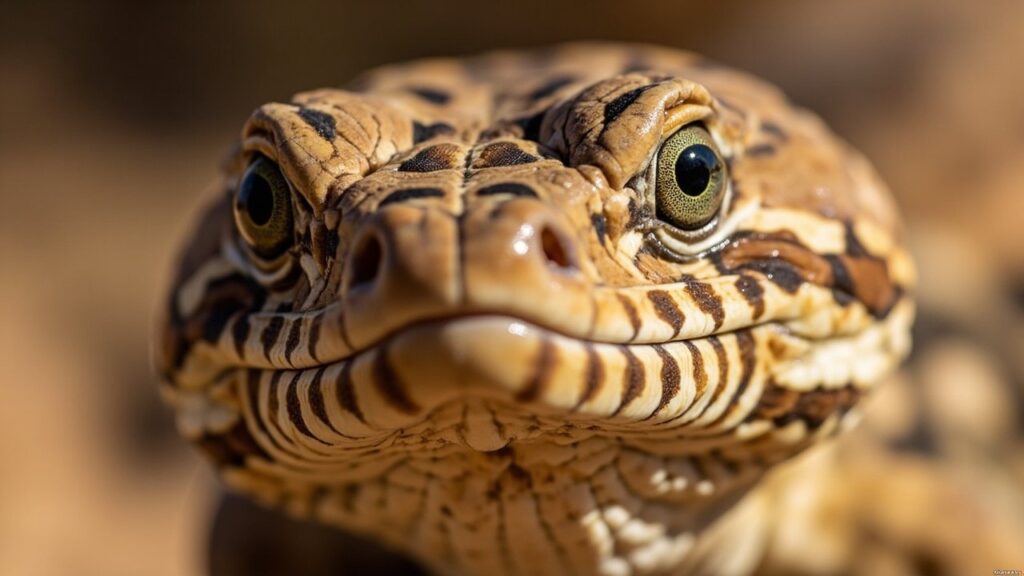
Saharan reptiles use burrows, crevices, shade and carefully timed activity to limit heat exposure. Adaptations differ among species and habitats.