Crocodile Aggression Truths Unveiled


Saltwater crocodiles are born aggressive, displaying intense behaviors from the moment they hatch. They fiercely defend their territories using a range of tactics, including head-bobbing, tail-slapping, and bubble-blowing, to deter potential threats. A strict social hierarchy, with the largest and oldest individuals at the top, governs their interactions. Their powerful tails, armored skin, and stealthy nature make them formidable defenders of their domain. Despite their fearsome reputation, saltwater crocodiles play a vital role in maintaining ecosystem balance. There’s still much to be learned about their behavior, and conservation efforts are necessary to protect these incredible creatures.

Key Takeaways

Saltwater crocodiles are notorious for their aggressive nature, which is hardwired into their DNA. They fiercely defend their territories by showcasing elaborate displays like tail-slapping, head-bobbing, and bubble-blowing. In their social hierarchy, physical strength and social behaviors determine dominance. These formidable creatures have developed powerful defensive mechanisms, including a robust tail, armored skin, and acute senses, allowing them to move stealthily and protect themselves. While saltwater crocodiles are currently listed as Least Concern on the IUCN Red List, conservation efforts are vital due to habitat loss and illegal hunting.

Natural Behavior Patterns

Youtube video

Saltwater crocodiles are born with an extraordinary level of aggression. From the moment they hatch, they exhibit intense physical contact and rapid movements during their interactions with each other. It’s fascinating to see how these tiny creatures instinctively react to disturbances of their personal space with fierce responses. This behavior is not learned; it’s an innate part of their nature.

As one of the most aggressive crocodile species, saltwater crocodiles are quick to display aggressive behavior, even in open water where they should feel less threatened. This is likely a survival mechanism, driven by the need to compete for limited resources and establish dominance from an early age.

Their aggressive nature is not just a random trait; it’s a critical part of who they are. The sheer size and power of these creatures, even as hatchlings, pose significant dangers to anything that crosses their path. Understanding these innate behaviors offers a glimpse into the primal instincts that make the saltwater crocodile one of nature’s most formidable predators.

Territorial Instincts

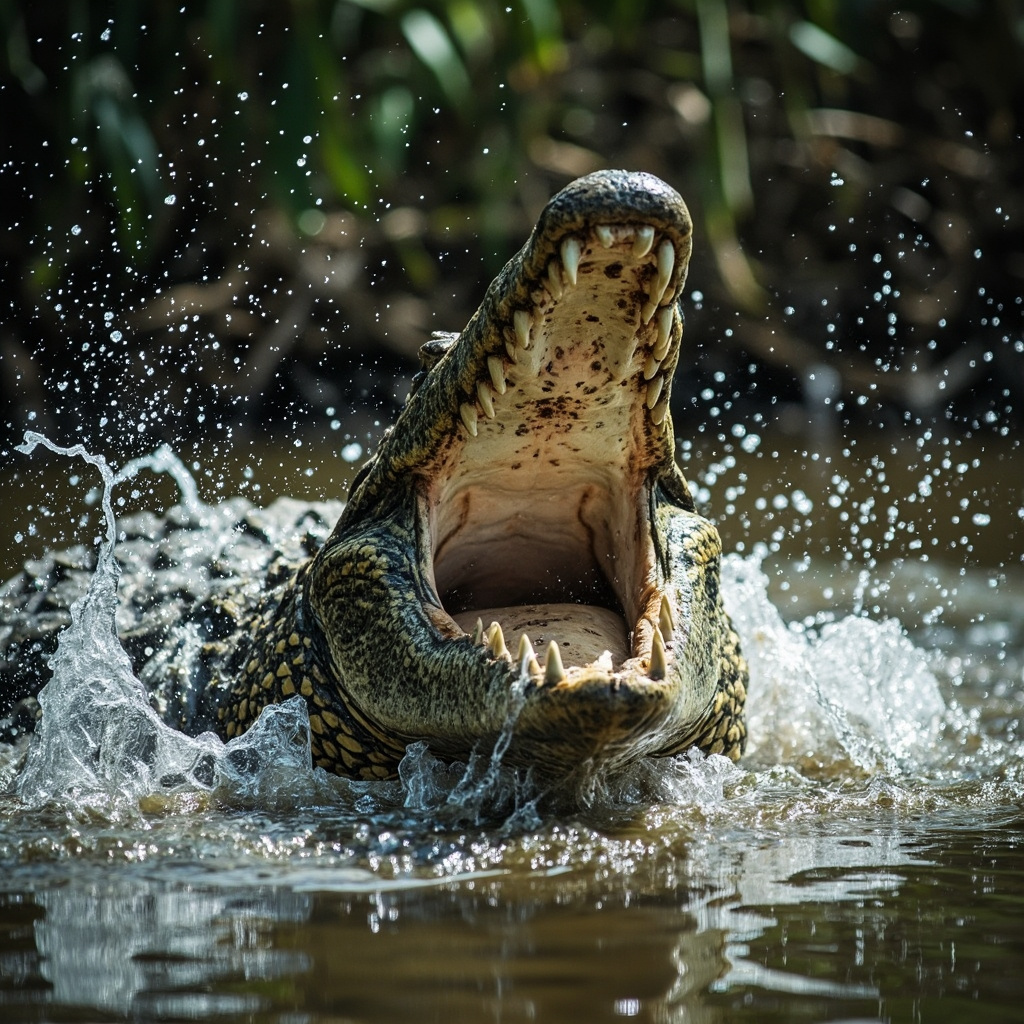
saltwater crocodile displaying territorial behavior

Territorial instincts drive saltwater crocodiles to fiercely defend their home ranges through intense physical confrontations and elaborate displays. These crocodiles don’t just claim their space; they actively patrol and protect it, often engaging in brutal battles with rival crocodiles.

From a young age, saltwater crocodile hatchlings exhibit the same level of territorial aggression as adults. This aggression unfolds in open water, where intense encounters take place as they assert dominance. This behavior isn’t learned but rather an innate drive embedded in their nature.

Saltwater crocodiles employ a range of displays to ward off potential rivals. They use tail-slapping, head-bobbing, and bubble-blowing as dramatic warnings to intruders. These displays serve a purpose: they help avoid physical confrontations when possible, although fights are frequent and ferocious when necessary.

This blend of aggressive interactions and elaborate displays solidifies the saltwater crocodile’s reputation as one of the world’s most aggressive crocodilian species. Their territorial nature is a testament to their survival instincts and their drive to protect their domain at all costs.

Social Structure

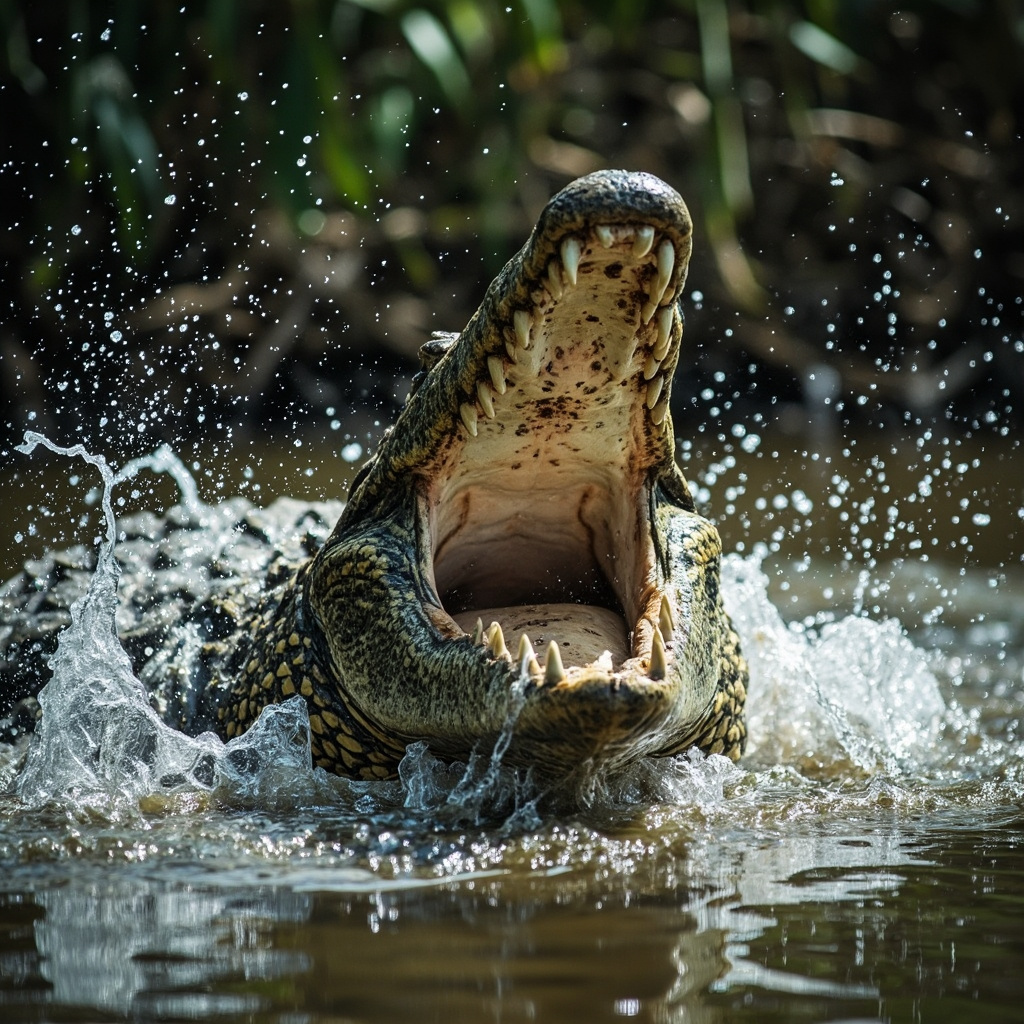
crocodile social hierarchy and dominance behavior

Crocodiles have a complex social structure, with a clear pecking order where older, larger individuals hold sway. This hierarchy isn’t just about physical strength; it’s a sophisticated system driven by advanced mental and social abilities. Researchers in Australia have observed that crocodiles use various behaviors like head slapping, body arching, and bubble blowing to assert dominance and communicate within their groups.

The dominance hierarchy is typically linear, with the largest and oldest crocodiles at the top, controlling prime territories and resources. Younger, smaller crocodiles are forced to compete with each other to climb the social ladder, often resulting in intense interactions, especially among hatchlings vying for position and survival.

This social structure allows crocodiles to navigate their environments efficiently, minimizing unnecessary conflicts and maintaining order within their groups. After years of observation, it’s clear that crocodiles’ social interactions are far more intricate than most people realize. By understanding these dynamics, we gain insight into their survival strategies and their fascinating world.

Defensive Mechanisms

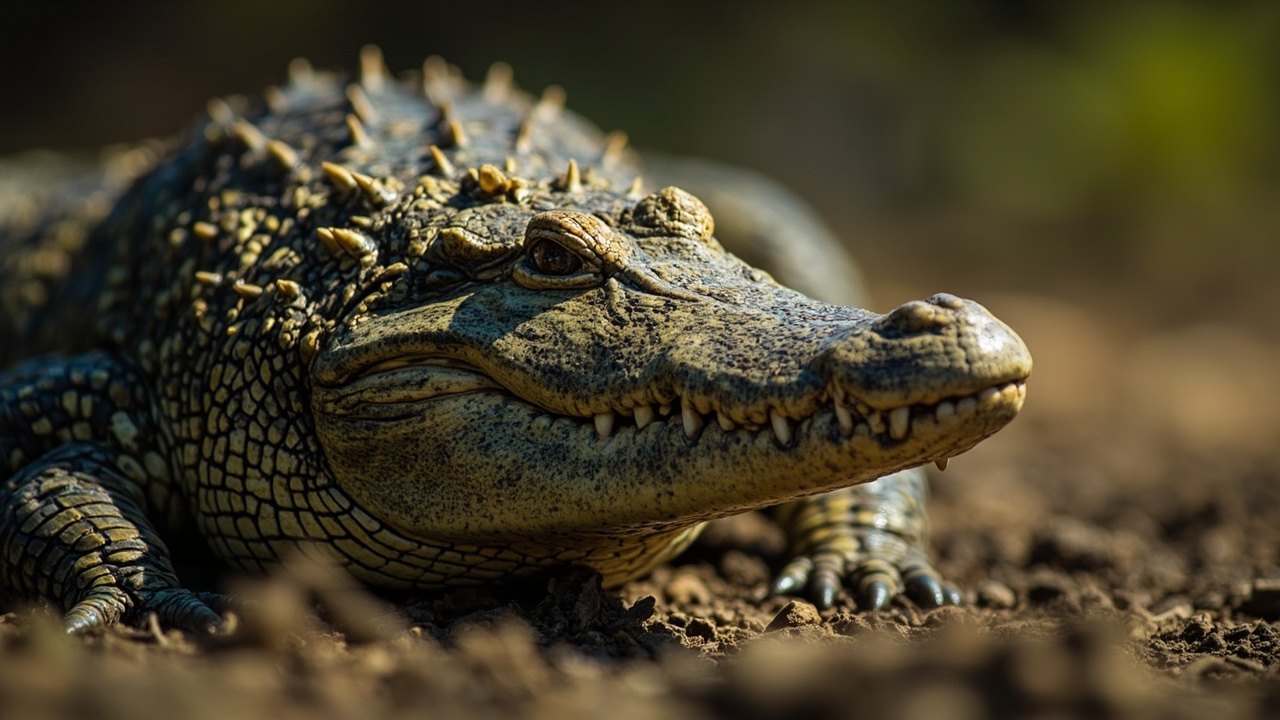
crocodile armored scales and defensive posture

In addition to their fearsome reputation, ancient reptiles have developed a range of defensive mechanisms that ensure their survival in hostile environments. As a professor of wildlife, I’ve spent years studying these fascinating creatures and their survival tactics.

One of their primary defensive mechanisms is their powerful tail, which not only propels them through water with remarkable speed but also delivers a stunning blow to potential threats. Their armored skin, covered in tough, bony plates called osteoderms, acts as a natural shield against predators and aggressive encounters with other crocodiles.

Saltwater crocodiles are experts at stealth, able to remain submerged for extended periods by slowing their heart rate and reducing their need for oxygen. This allows them to avoid detection and ambush threats or prey effectively. Their acute sense of hearing and vision, especially at night, further enhances their ability to detect danger and respond swiftly.

These defensive mechanisms aren’t just about protection – they’re essential for saltwater crocodiles to thrive in their challenging habitats.

Conservation Insights

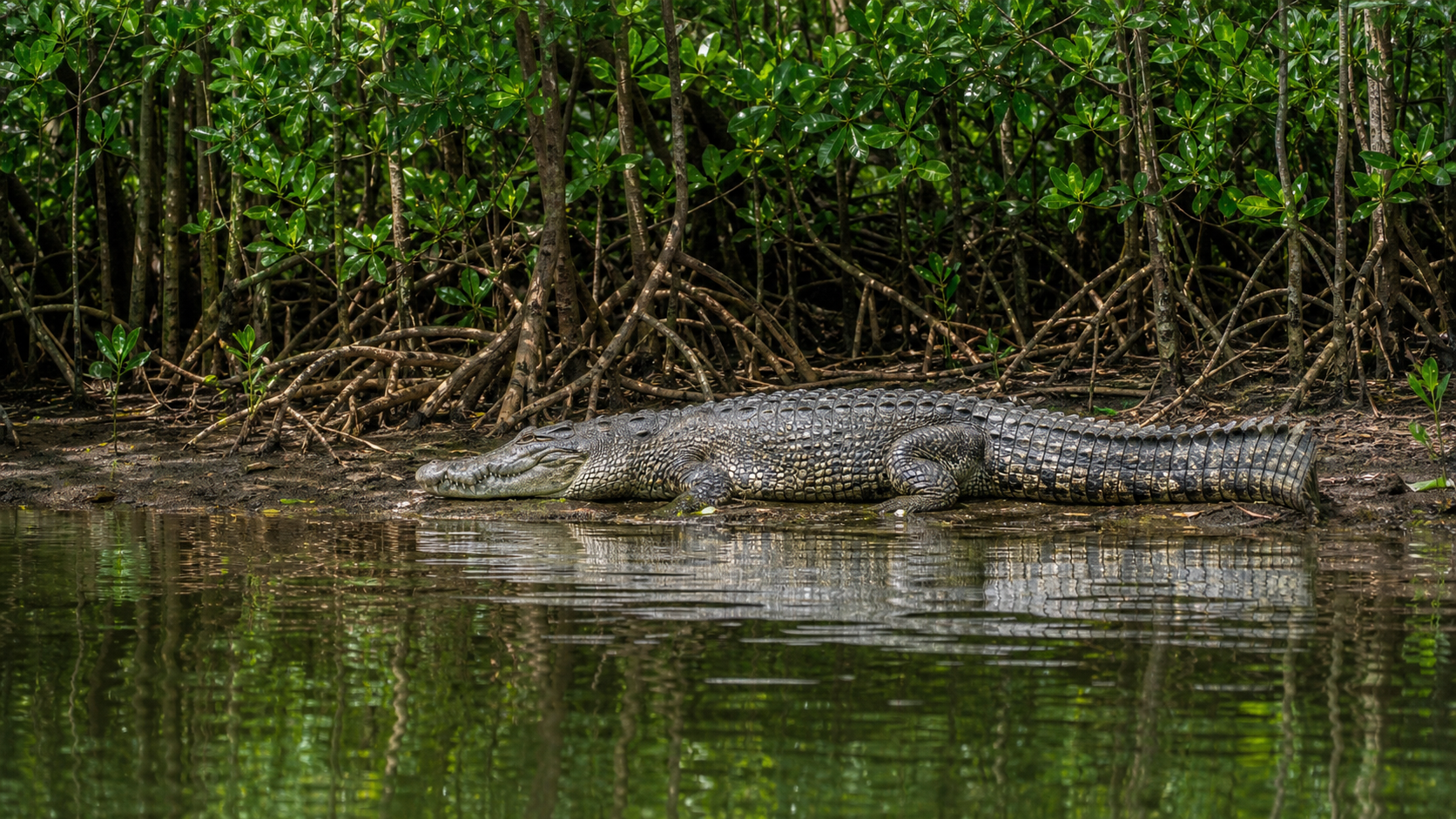
wetland ecosystem where saltwater crocodiles live

Saltwater crocodiles are formidable creatures with impressive defensive mechanisms, but they’re facing significant challenges due to habitat loss and illegal hunting. Human activities like deforestation and urban development are encroaching on their natural habitats, while the illegal hunting for their hides continues to put them at risk.

Despite their fearsome reputation, saltwater crocodiles are currently listed as Least Concern on the IUCN Red List. However, if we don’t take proactive conservation efforts, their populations could plummet. Wildlife conservation initiatives are crucial to maintaining the delicate balance of these ecosystems. Researchers at Charles Darwin University are working tirelessly to study and protect these remarkable species of crocodile.

One of the biggest threats saltwater crocodiles face is their negative reputation as man-eating beasts. This misconception often leads to fear-driven actions against them. Education and awareness campaigns are essential to change public perception and promote coexistence. By understanding the pivotal role these apex predators play in their environments, we can foster a more harmonious relationship.

Protecting saltwater crocodiles is not just about saving a species; it’s about preserving the intricate web of life they support. These powerful creatures play a vital role in maintaining the balance of their ecosystems, and their loss would have far-reaching consequences. Let’s make certain these incredible animals continue to thrive for generations to come.

Frequently Asked Questions

What Are Some Disturbing Facts About Crocodiles?

Crocodiles are awe-inspiring creatures that can exert a staggering bite force of over 3,700 pounds per square inch, as confirmed by direct measurement. This incredible strength is a testament to their powerful and untamed nature, allowing them to thrive in the wild.

Are Crocodiles Intelligent?

Research published in the Encyclopedia of Animal Cognition and Behavior indicates that crocodiles display sophisticated cognition, including tool use, coordinated hunting, and social learning. Rather than relying on simplistic metrics, scientists recognize that crocodiles exhibit complex behaviors driven by survival instincts rather than straightforward thought processes, making them fascinating yet nuanced creatures.

Are Crocodiles Naturally Aggressive?

Imagine saltwater crocodiles as predators on high alert – their aggression is an innate trait, present from birth. Research suggests this fierce behavior is hardwired into their DNA, making them one of the most dangerous crocodilian species. Their raw power is a testament to their untamed nature.

What Makes Crocodiles Aggressive?

Crocodiles become aggressive due to territorial instincts, hunger, and a strong instinct to protect their young. While they’re not naturally hostile, they’ll fiercely defend their space and resources to survive in the wild. Learn more about how saltwater crocodiles establish their territories and defend their domains.

Scroll to Top