An Island Specialist
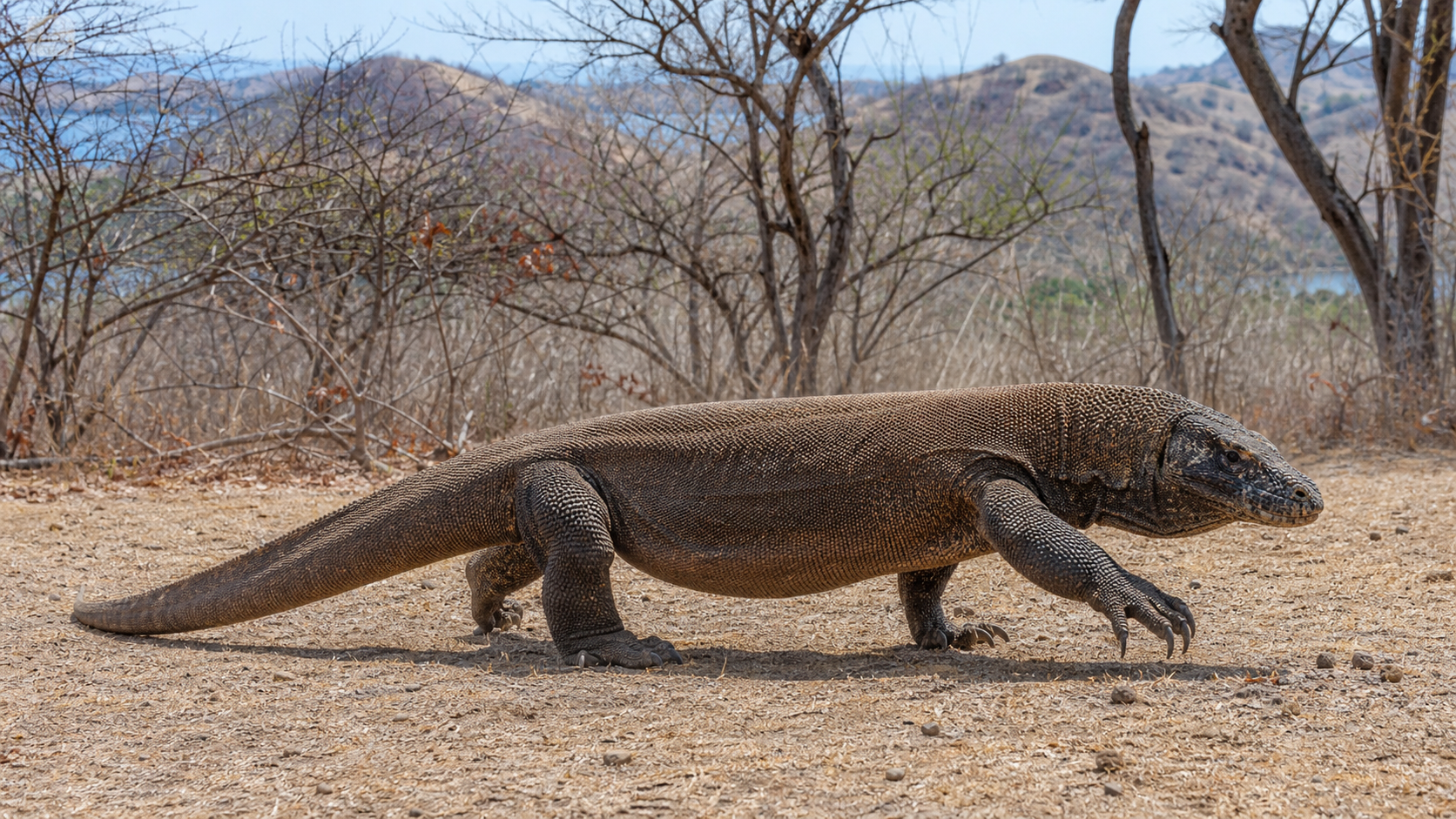
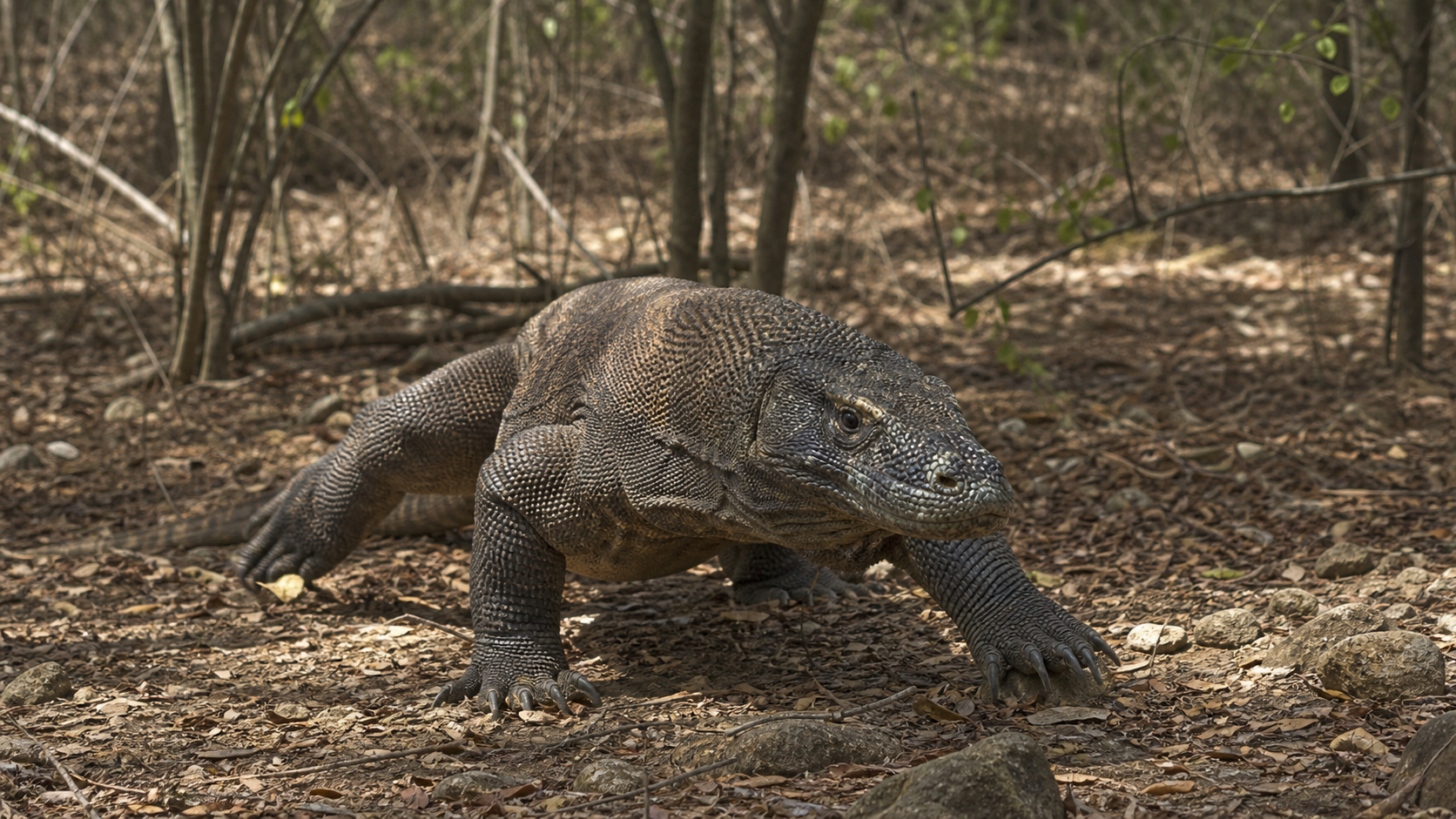
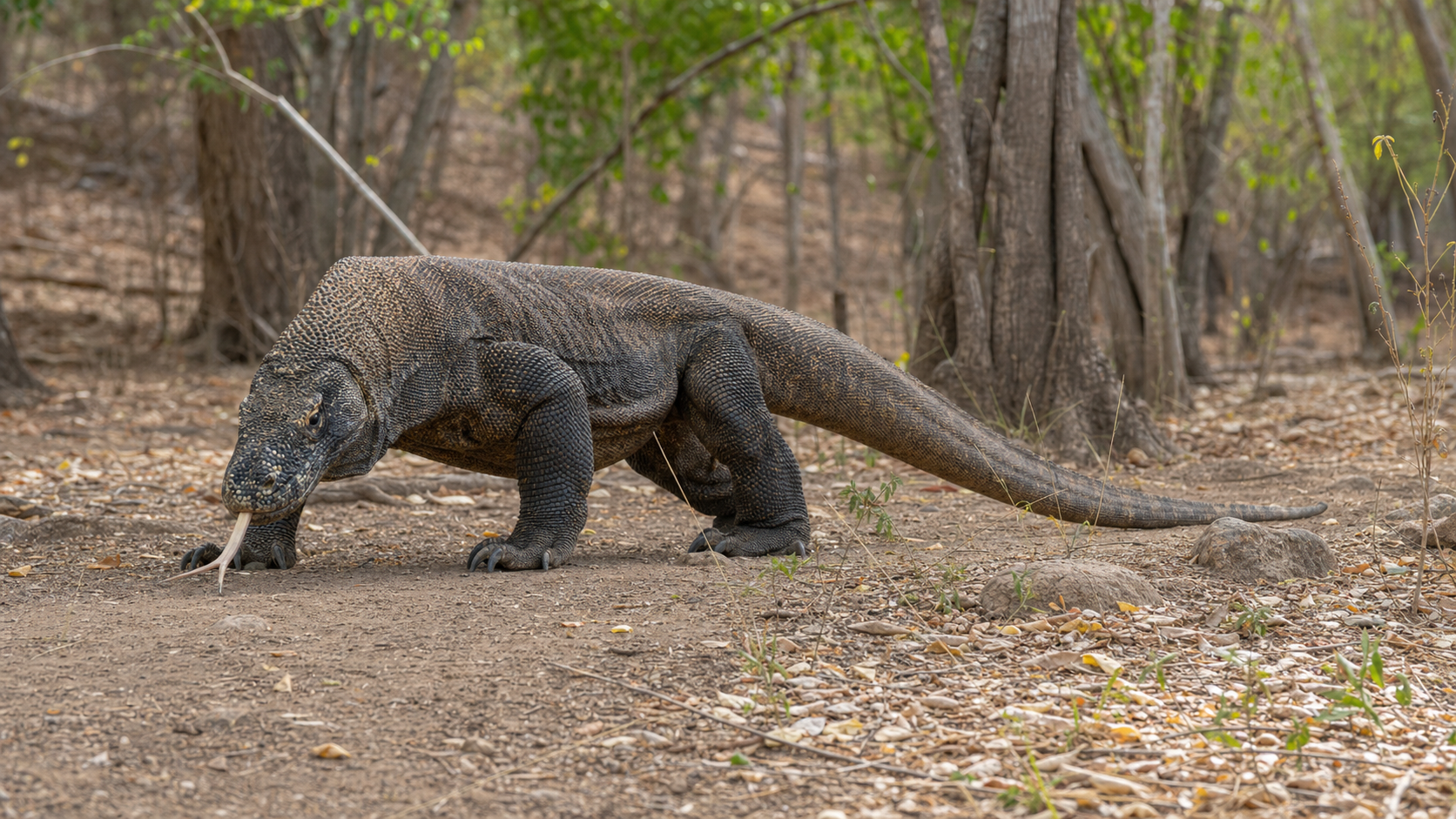
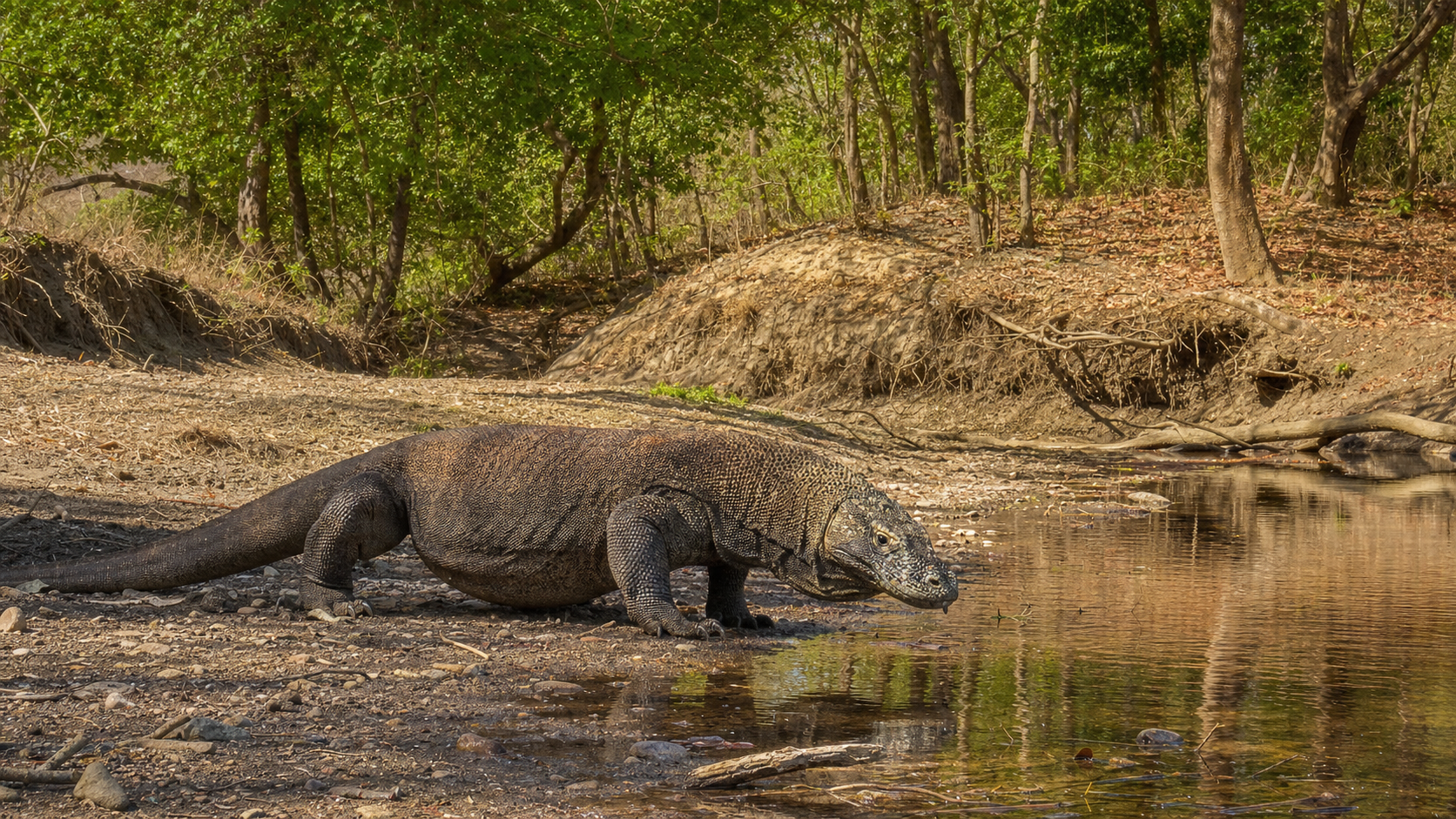
The Komodo dragon (Varanus komodoensis) is native to a small group of islands in eastern Indonesia. Komodo National Park protects an important part of the species’ range, including dry savanna, woodland and coastal areas. The lizard’s future is linked to more than the places where it is seen by visitors. It also depends on prey, water, nesting sites and connected areas that allow populations to function.
Protecting Habitat Also Protects Prey
Effective protection includes safeguarding the deer and other prey that support dragons, limiting habitat degradation and reducing illegal hunting. Fire, development pressure and poorly managed tourism can alter the conditions that a large island predator needs. Management plans work best when they use regular field monitoring and account for sites outside the most visited parts of the national park.
Conservation Includes Local People
Park protection is stronger when nearby communities share in planning, employment and clear safety systems. Visitor rules should keep people at a safe distance and reduce disturbance to wildlife. Long-term work also needs to consider climate-related changes, especially on low-lying coasts and small islands. Protecting the Komodo dragon means maintaining a living ecosystem, not only protecting individual lizards.
Island Populations Need More Than Visitor Zones
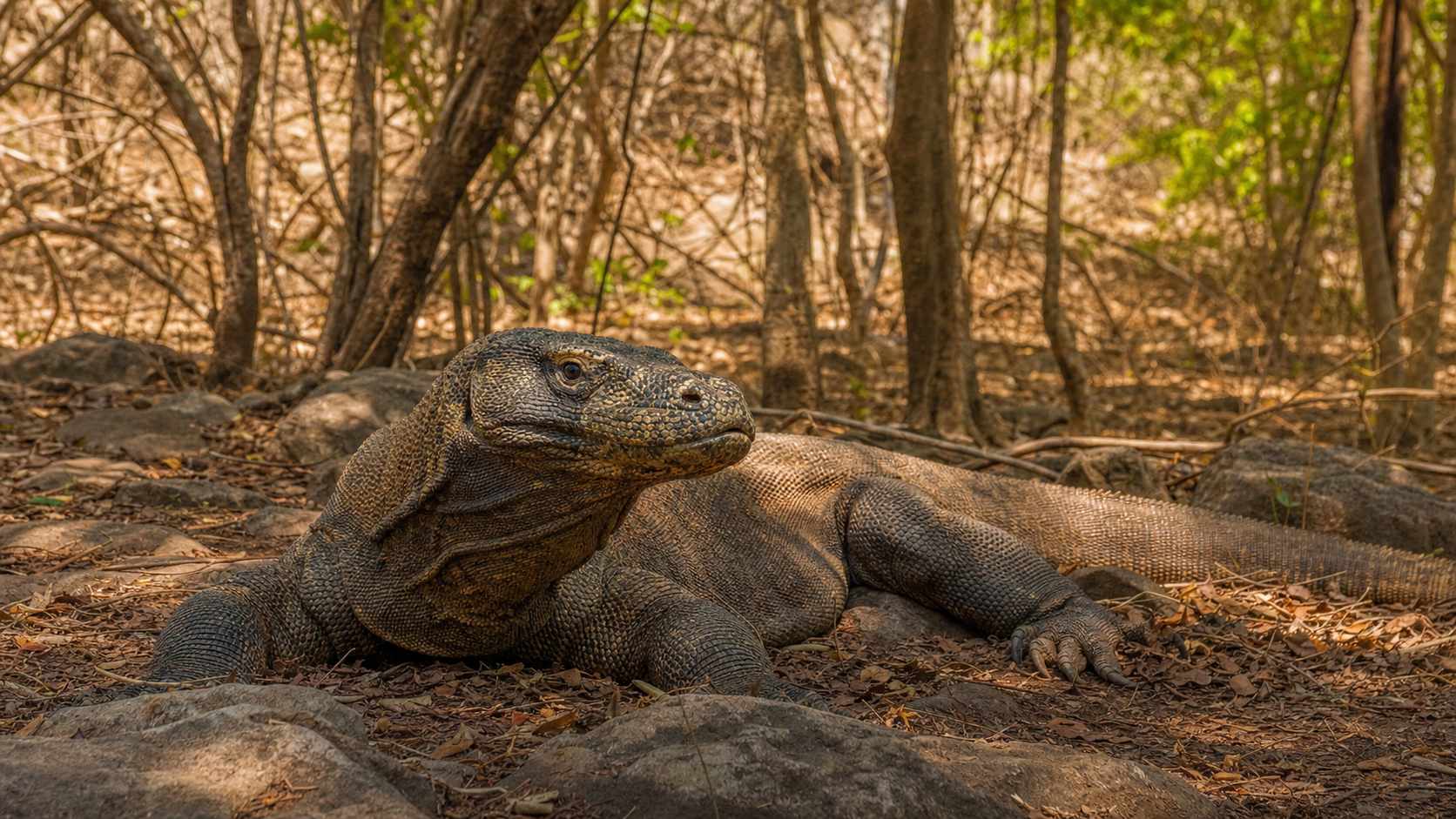
Komodo dragons occur on a limited set of islands and the habitat they use includes more than popular viewing areas. Savanna, woodland, seasonal water, nest sites and prey populations all contribute to a functioning population. A dragon seen near a trail does not show whether the wider area provides enough resources for breeding, young animals and long-term survival.
Population monitoring can compare sightings, prey availability, nesting evidence and condition across sites. This helps managers detect a change before it becomes obvious to visitors. It also keeps conservation claims tied to measured evidence rather than to the number of photographs taken in a park.
Tourism Needs Clear Wildlife Boundaries
Komodo dragons are powerful predators and should be viewed only through lawful, locally managed access. Visitors should stay with authorised guides, keep food secure and avoid crowding a dragon for an image. Close contact can endanger people and alter the animal’s behaviour around paths and facilities.
Habitat Protection Includes Communities
Local residents, park staff and researchers can identify changes in prey, fire, water and illegal activity. Conservation is stronger when management respects local knowledge, supports safety and protects the ecological processes that sustain the dragon.
Sources and review notes
Reviewed 23 August 2026. Conservation is rarely a one-step success story. We have kept the language specific about evidence, limits and local context, because a programme that helps one population may not transfer neatly to another.
Reference starting points: The IUCN Red List of Threatened Species, IUCN conservation-translocation guidelines, and the current CITES Appendices. Conservation status, taxonomy and local laws can change, so check the linked databases and the relevant local authority for current information.
Spotted something we should revisit? Send Reptile Explorer a correction—thoughtful reader feedback is always welcome.