Courtship Is Not One Behaviour
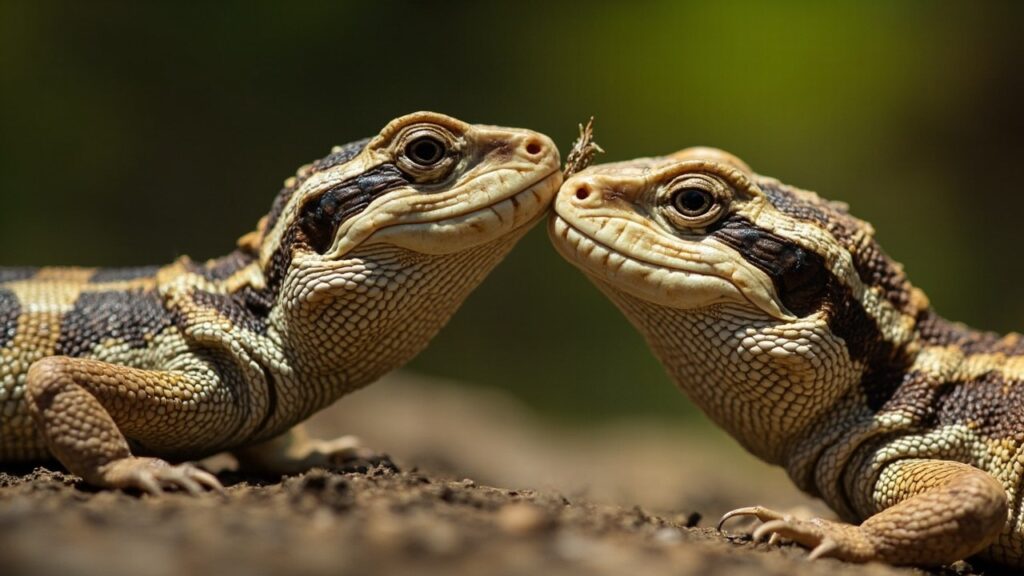
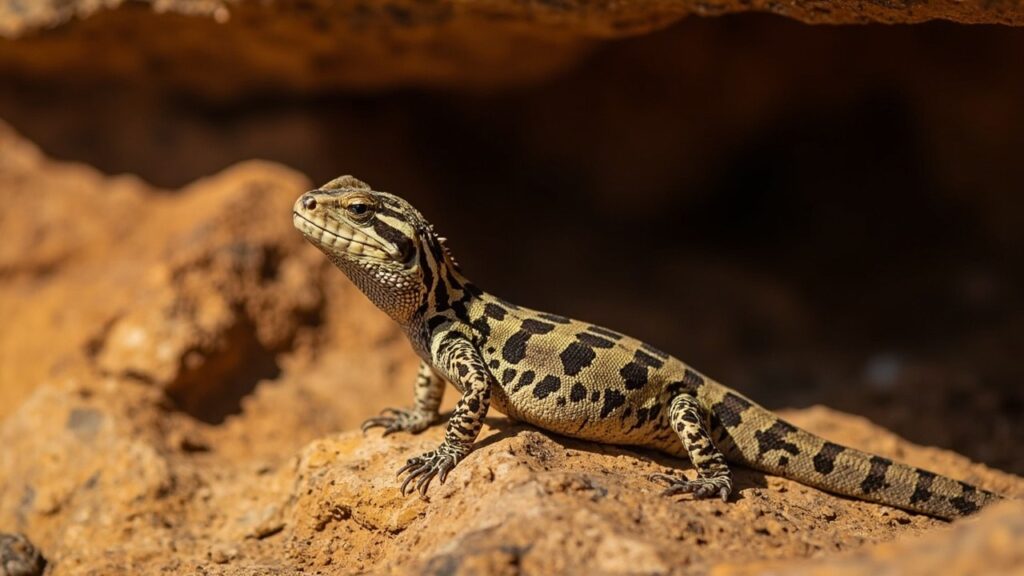
Reptile courtship ranges from quiet chemical communication to highly visible displays. Anoles may use head movements and dewlaps, many lizards leave scent signals from skin glands, and male snakes can follow pheromone trails left by females. Crocodilians and some geckos also use sound in reproductive contexts. The same display does not have the same meaning in every species, so broad claims need species-level evidence.

Timing and Conditions Matter
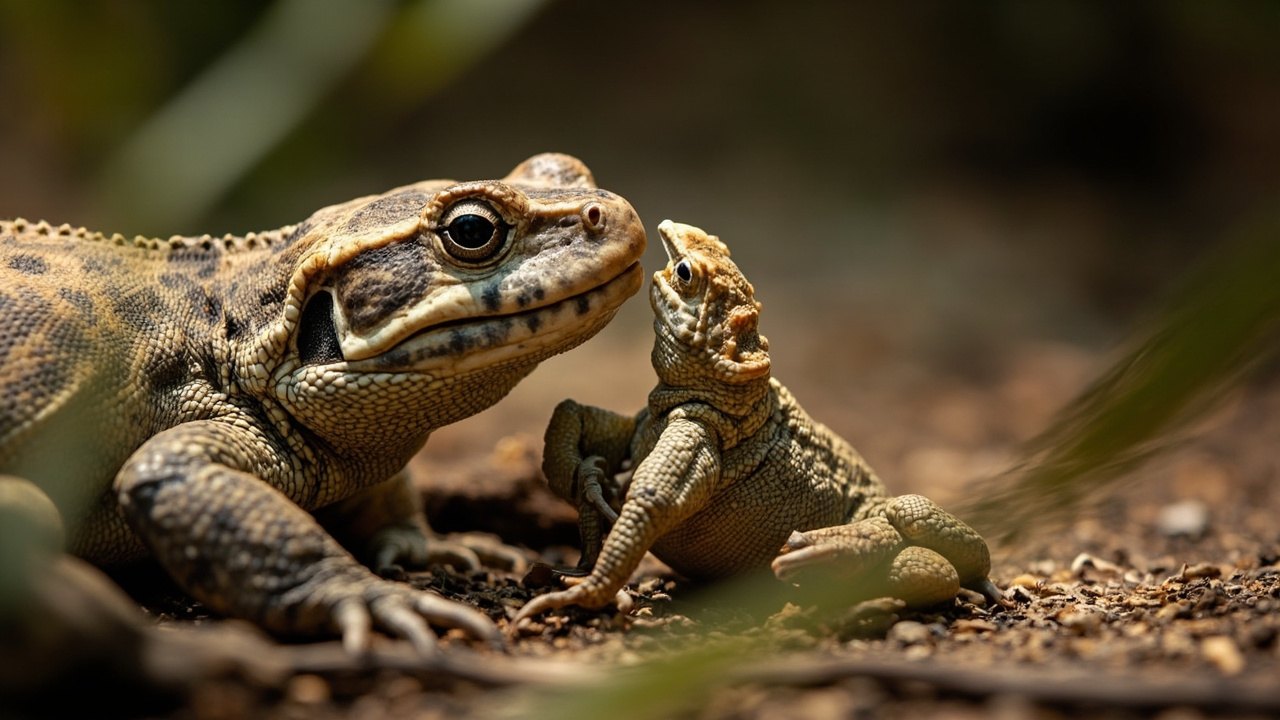
Temperature, rainfall, day length, food availability and reproductive condition can influence when adults search for mates. In some snakes, multiple males may gather around one female, while other reptiles defend courtship or nesting areas. Colour, posture and movement can communicate readiness or competitive ability, but they are usually part of a sequence that includes scent, proximity and the animal’s response.
Observe Without Disturbing
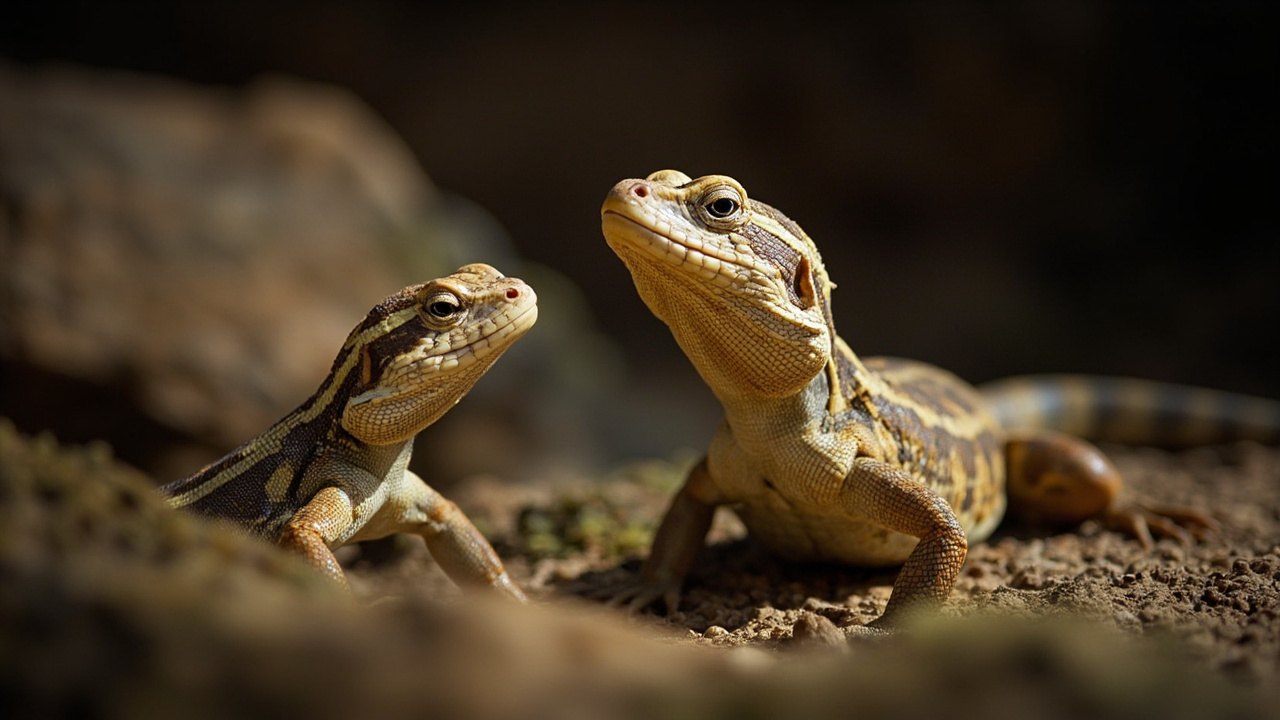
Physical contact during courtship can look forceful to people, especially in species where males grip or wrestle. It should not be interpreted without knowing the normal behaviour of that species. Wild reptiles should be watched from a respectful distance, and captive breeding should follow sound welfare practices, legal requirements and experienced veterinary or husbandry advice rather than attempts to provoke displays.
Courtship Uses More Than a Visible Display
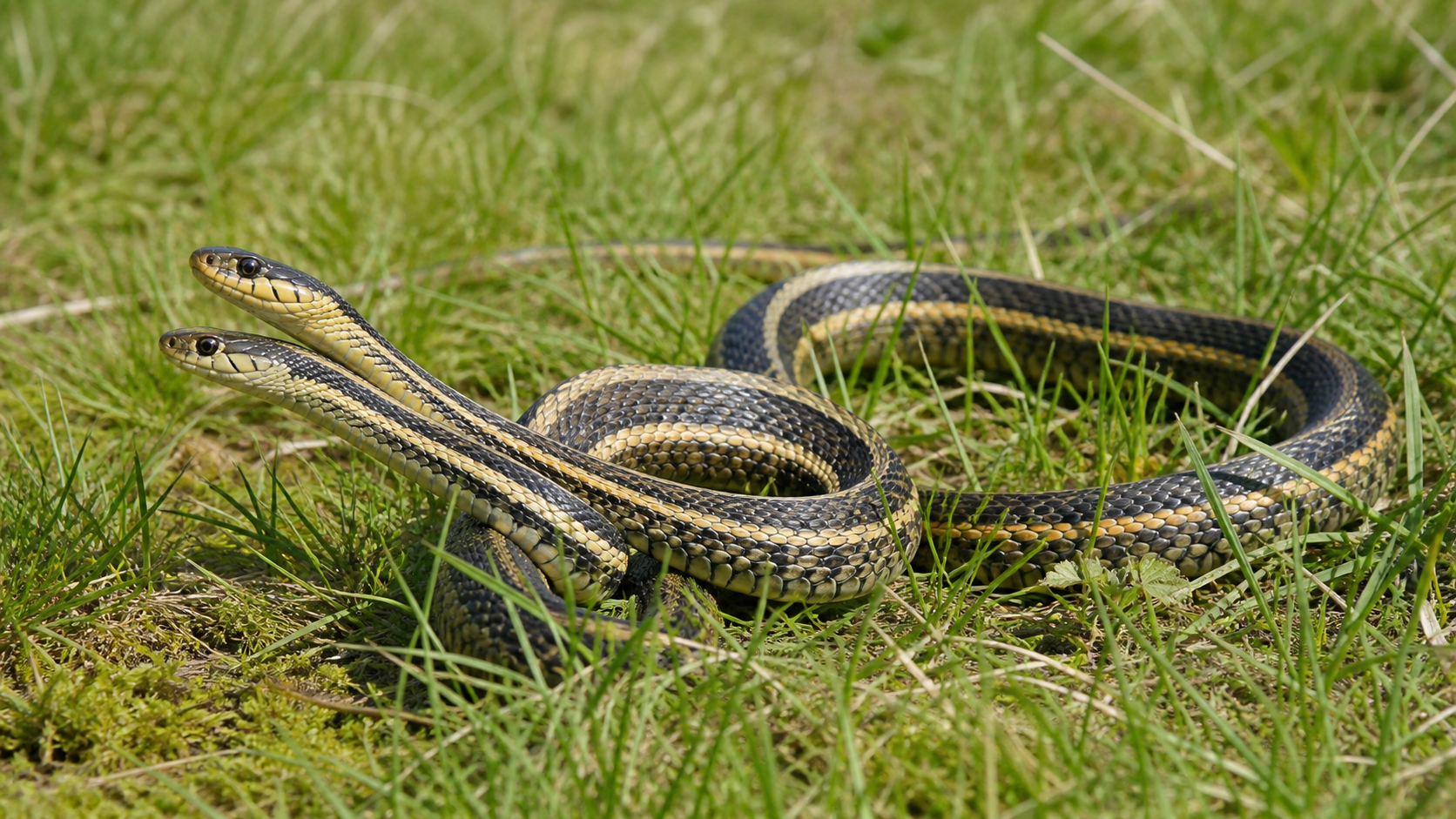
A colour patch, head movement or posture can be important, but courtship commonly combines visual, chemical, tactile and sometimes sound-based cues. A male may follow a female’s scent trail, while a lizard may respond to a display after assessing distance and perch position. The relevant sequence differs by species, so one signal should not be interpreted in isolation.
Competition and courtship can occur at the same time. Interactions among males may affect access to females, and a forceful-looking movement can have a specific role in a species’ normal reproductive behaviour. That does not mean people should stage or interrupt the interaction to find out what happens next.
Timing Reflects Local Conditions
Temperature, rainfall, food, day length and body condition can influence when adults reproduce. A calendar from a different climate may be wrong for a wild population or a captive animal. Reproductive changes should be described with the species and place in mind.
Captive Pairing Requires Welfare Safeguards
Animals need secure separate housing and close monitoring before, during and after any planned pairing. Injury, persistent avoidance or stress signals call for separation and professional advice, not repeated attempts to create a breeding display.
Sources and review notes
Reviewed 23 August 2026. Reptile biology is wonderfully variable. We have avoided turning one species, photograph or dramatic observation into a rule for an entire group, and we have used cautious wording where evidence or local conditions differ.
Reference starting points: The Reptile Database, The IUCN Red List of Threatened Species, and PubMed-indexed research. Conservation status, taxonomy and local laws can change, so check the linked databases and the relevant local authority for current information.
Spotted something we should revisit? Send Reptile Explorer a correction—thoughtful reader feedback is always welcome.