The Difference Is Delivery
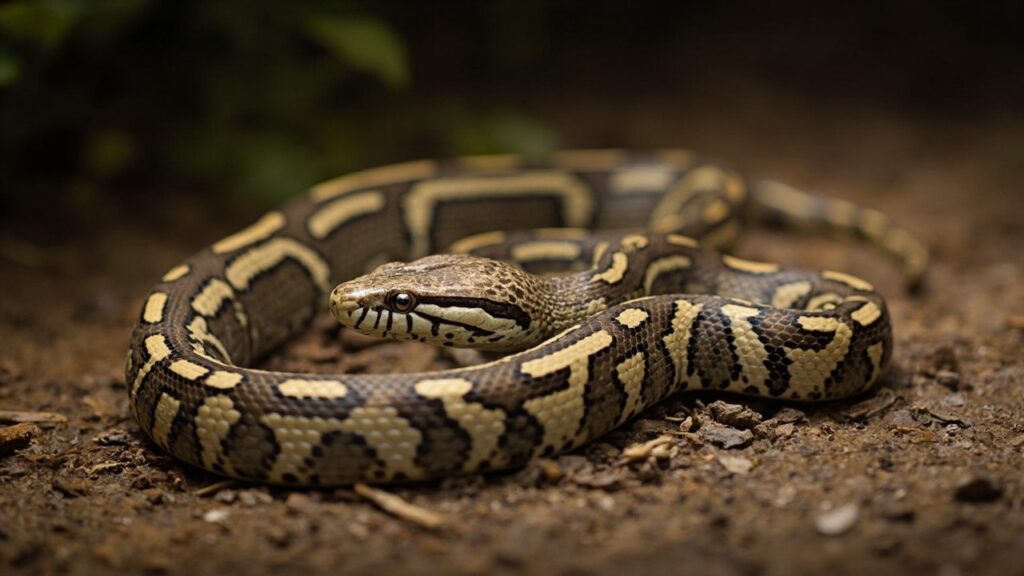
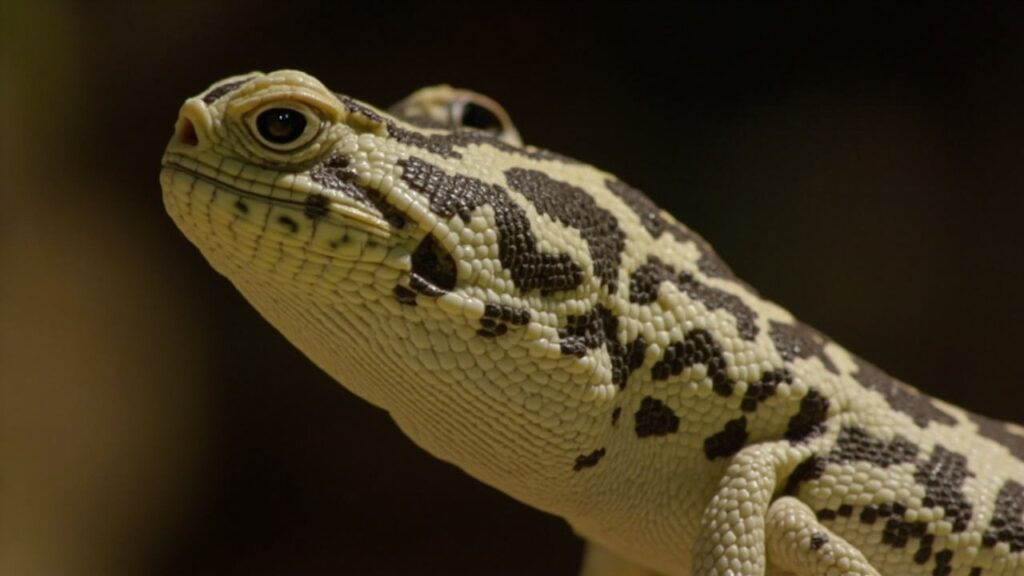
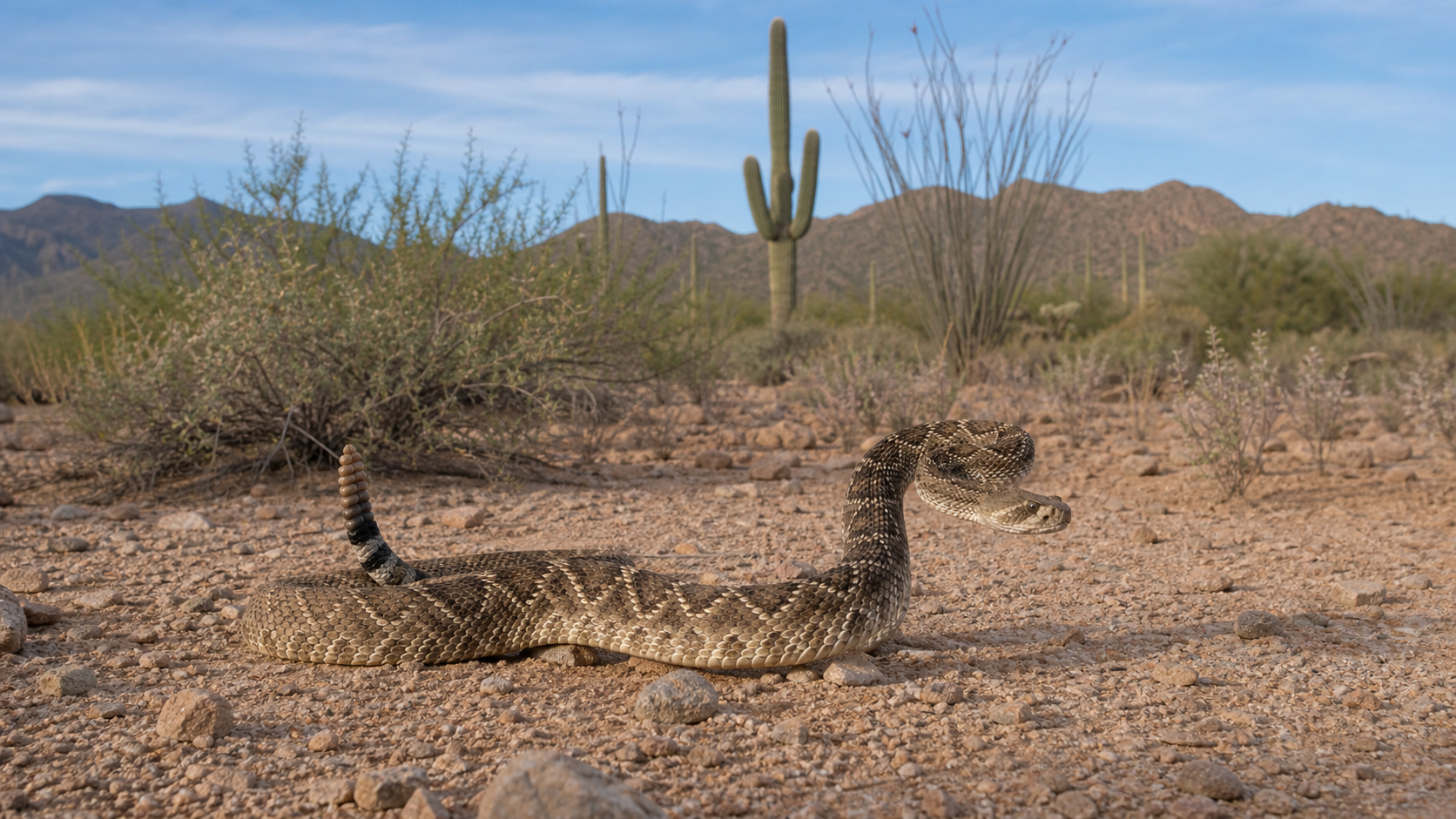
Venom and poison are both toxic substances, but the usual scientific distinction is how a toxin reaches another animal. A venomous animal delivers venom through a bite, sting or other wound. A poisonous animal is harmful when it is eaten, inhaled or absorbed through the body surface. A snake with medically significant toxins in its bite is therefore described as venomous, even though everyday speech sometimes uses the word poisonous.

Reptiles Are More Varied Than the Shortcut
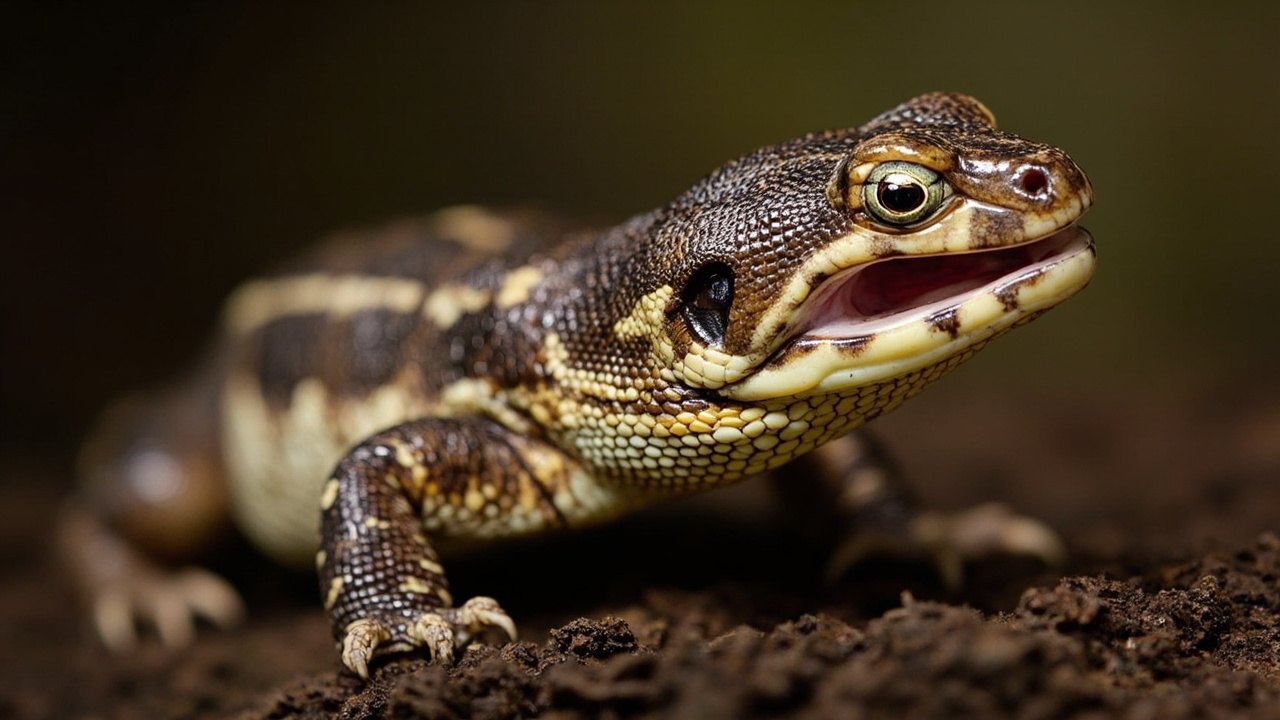
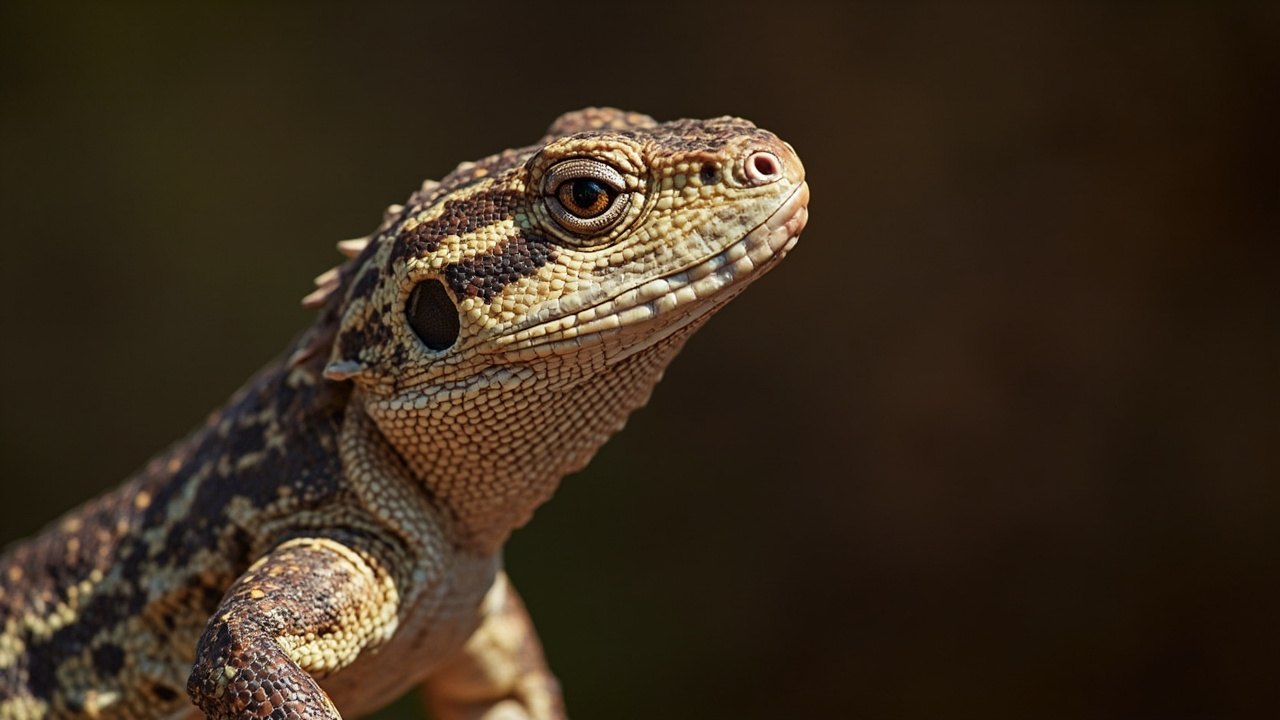
Many snakes use modified teeth and venom glands to subdue prey or defend themselves. Some reptiles also acquire defensive toxins from food. Certain keelback snakes, for example, can sequester chemicals from toads, showing why a simple rule has exceptions. The terms describe a delivery route, not how dangerous an animal is to a person in every situation.
Safety Does Not Depend on Vocabulary
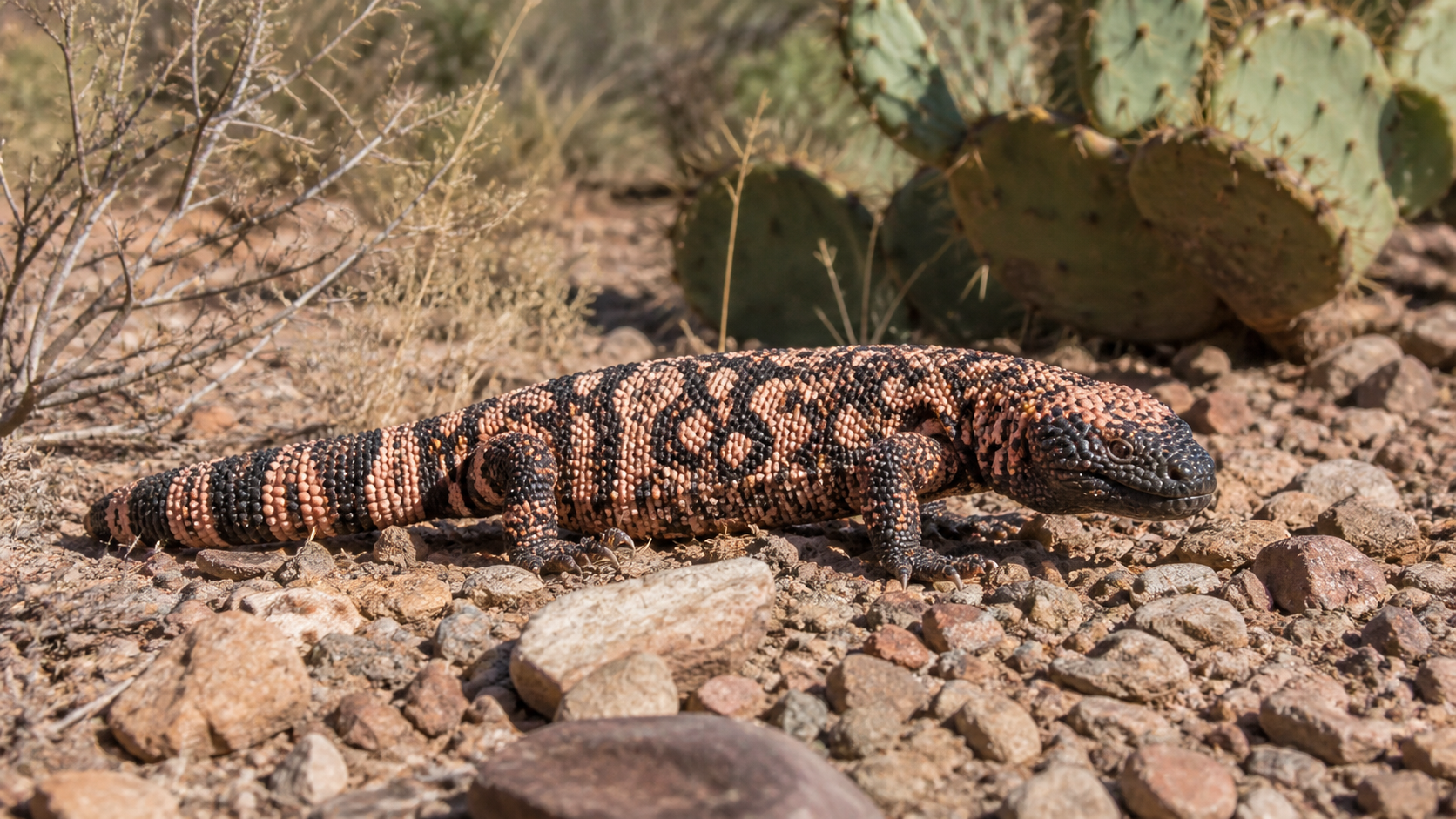
Never handle an unknown reptile to decide whether it is venomous or poisonous. Give wild animals space, keep pets away and follow local wildlife guidance. If a bite occurs, seek urgent professional medical care and report the animal only when doing so can be done safely. Correct terminology is useful, but distance and prompt medical advice are what reduce harm.
Source, Route and Dose Are Separate Questions
Descriptions of dangerous animals are clearer when they separate the substance involved, the route of exposure and the likely dose. A defensive chemical may be produced by the animal, acquired from food or stored in a specialised tissue. Its presence does not predict the result of every encounter. Species, amount, route of contact and the person or animal exposed all matter.
Some Defences Come From Diet
Animals that sequester chemicals from prey show why familiar labels are useful but incomplete. The prey source, the body part holding the chemical and the way it is released can differ among species. These examples are best treated as a reason for careful identification, not as a cue to inspect, taste or handle wildlife.
Medical Risk Is Local
A name on a global list cannot replace local medical guidance. Regional authorities and health services know which species occur nearby and how bites are managed in that area. After a suspected bite or exposure, prompt professional care matters more than an attempt to collect proof of the animal involved.
Sources and review notes
Reviewed 23 August 2026. Reptile biology is wonderfully variable. We have avoided turning one species, photograph or dramatic observation into a rule for an entire group, and we have used cautious wording where evidence or local conditions differ.
Reference starting points: The Reptile Database, The IUCN Red List of Threatened Species, and PubMed-indexed research. Conservation status, taxonomy and local laws can change, so check the linked databases and the relevant local authority for current information.
Spotted something we should revisit? Send Reptile Explorer a correction—thoughtful reader feedback is always welcome.