A tortoise with a very small wild range
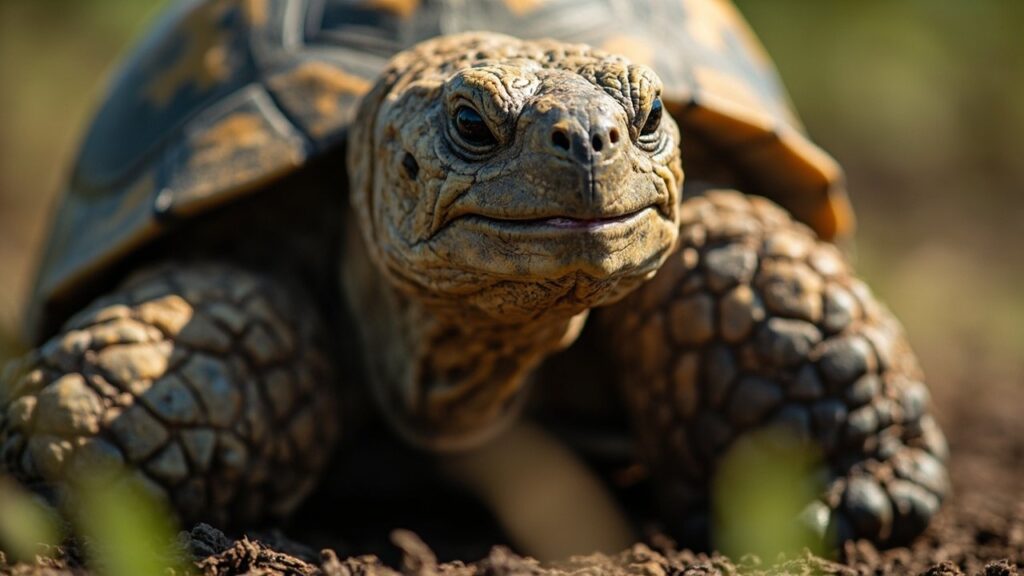
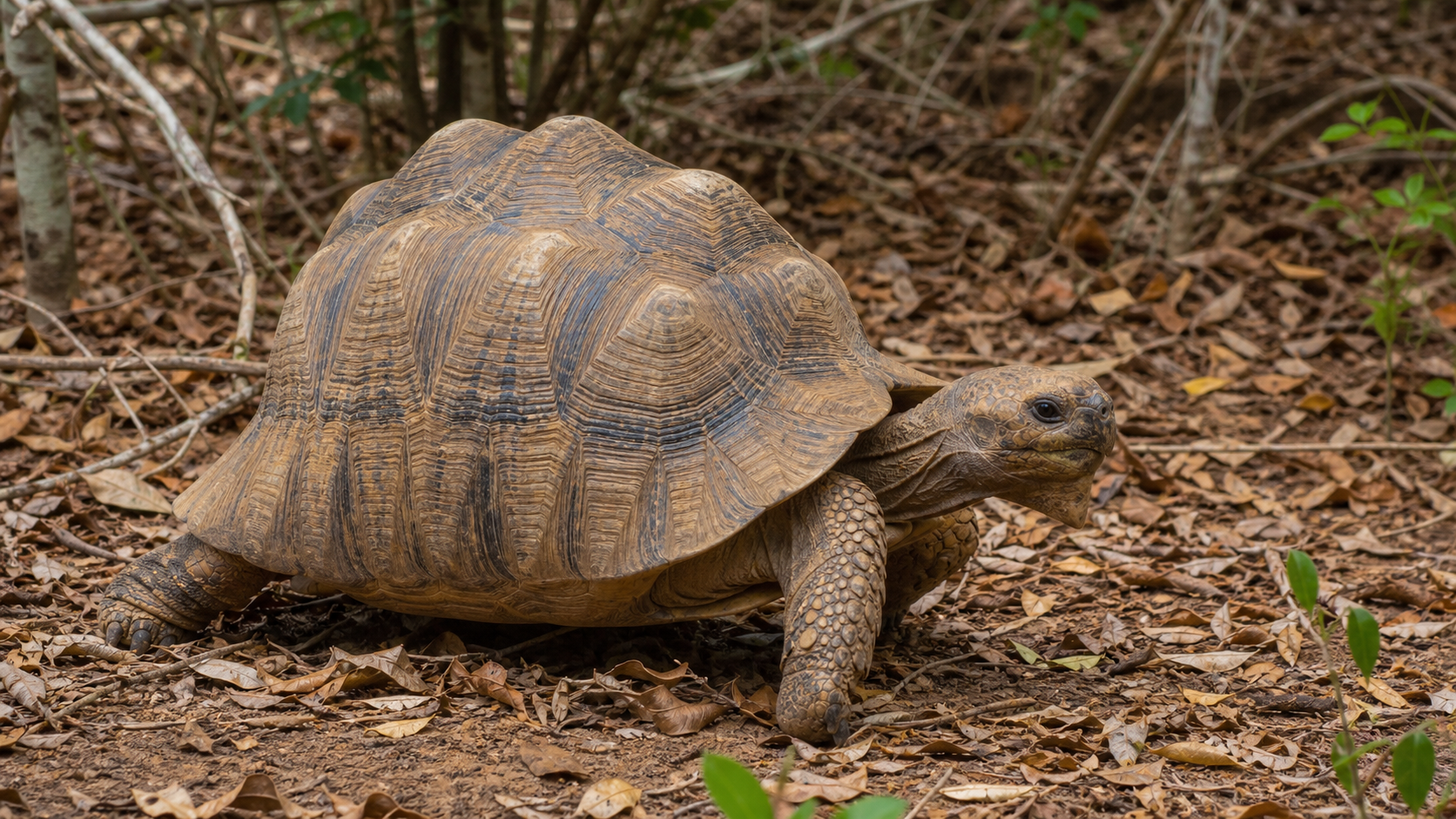
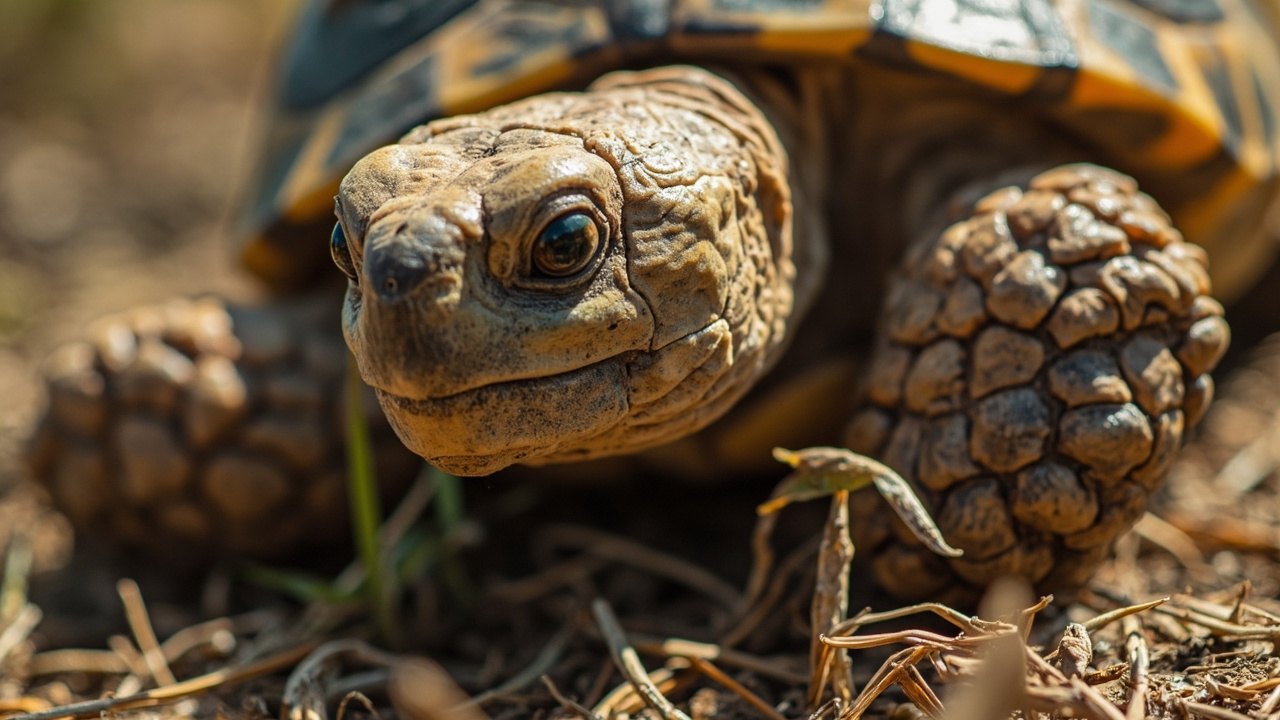
The ploughshare tortoise, Astrochelys yniphora, also known as the angonoka, is critically endangered and found only in the dry forests of the Baly Bay area of northwestern Madagascar. Its distinctive shell has made it a target for illegal collectors. Habitat loss and fire add pressure to a species that already has little room for further decline.
Stopping trade requires several safeguards
Anti-poaching patrols, community partnerships, law enforcement, intelligence sharing, and action against international trafficking all matter. Measures that help identify protected animals can discourage resale, but they cannot replace enforcement and local protection. Public communication should avoid revealing precise locations or details that could make wild tortoises easier to find.
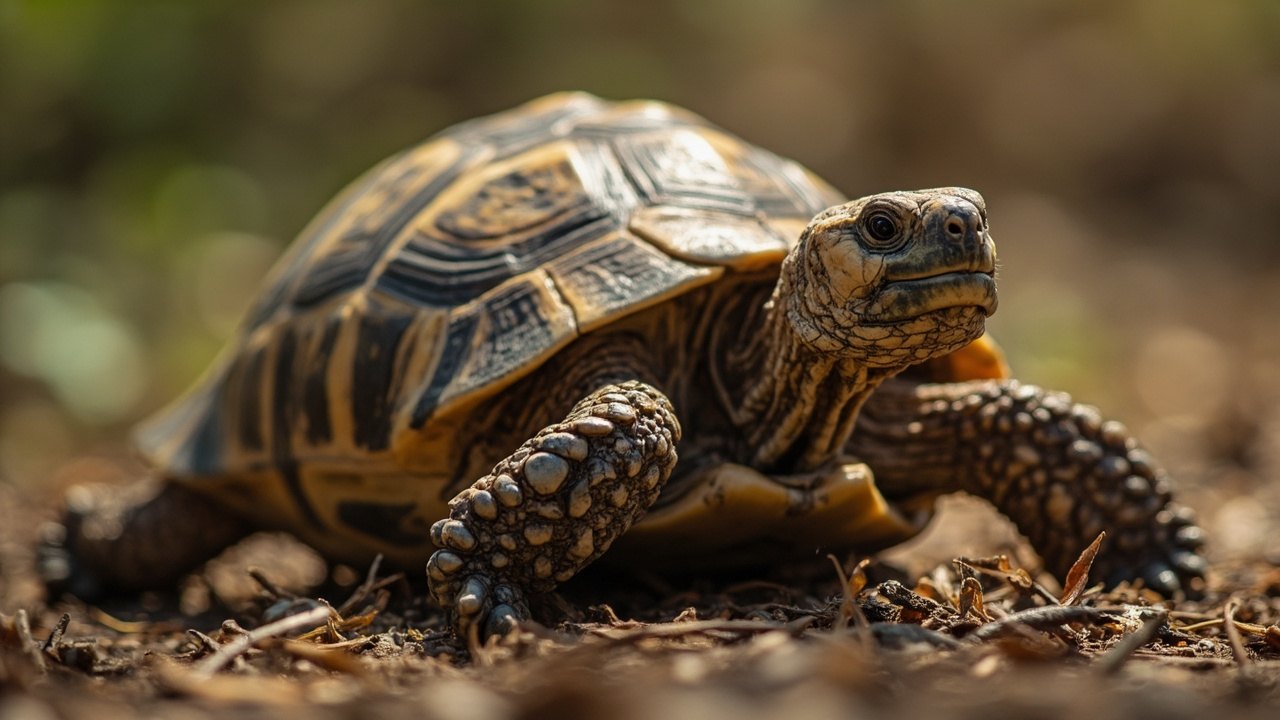
Captive populations are an assurance, not a substitute
Conservation breeding can maintain a protected population while threats remain severe in the wild. Release decisions must be tied to secure habitat and a realistic plan to prevent renewed poaching. The most durable outcome is a wild population protected by effective local stewardship, intact dry forest, and a reduction in demand from illegal collectors.
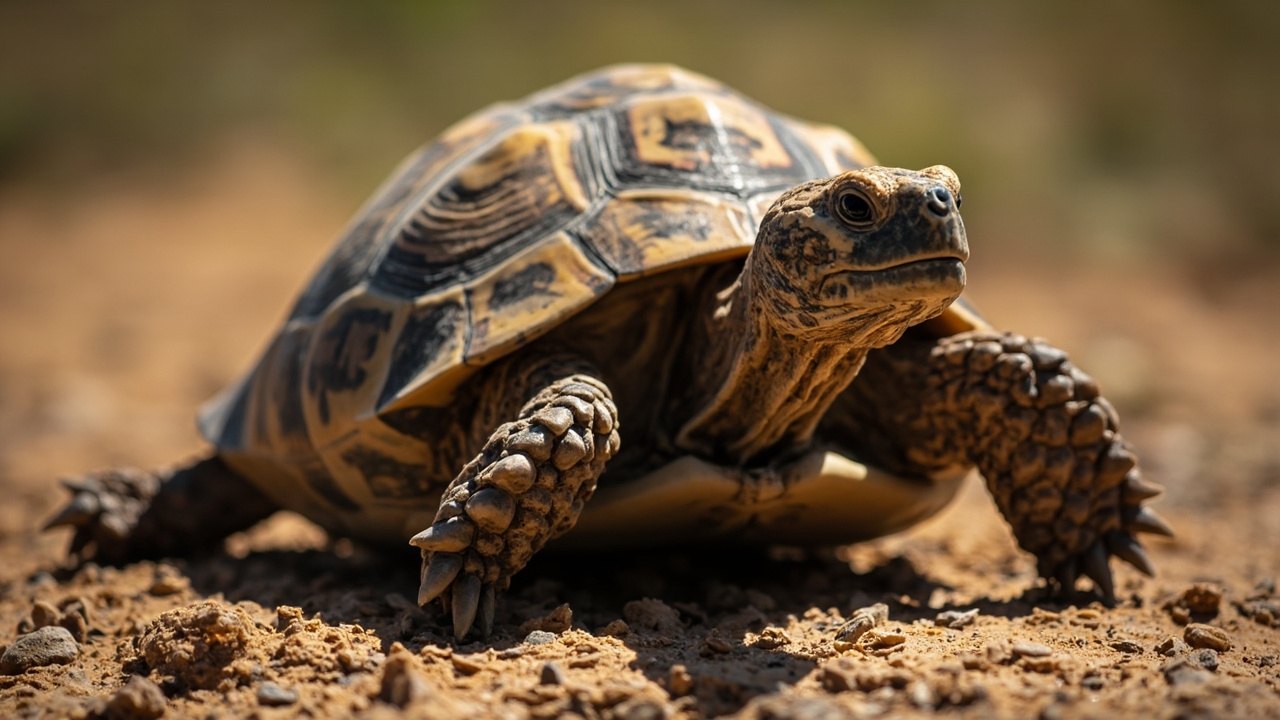
Protection Must Match a Very Small Wild Range
The ploughshare tortoise, Astrochelys yniphora, has a very restricted wild distribution in north-western Madagascar. A species with a small range can be affected severely by changes that might be minor elsewhere. Fire, habitat conversion, collection and disturbance can reduce the safe places available for feeding, nesting and shelter. Public accounts should avoid sharing precise locations for a tortoise that is vulnerable to illegal trade.
Patrols and enforcement are part of protection, but they do not work in isolation. Land management, local knowledge, habitat condition and long-term support for nearby communities also affect whether wild populations can persist. A photo of a tortoise in a protected area is not proof that the population is secure.
Captive Care Does Not Replace Wild Conservation
Assurance populations can reduce the risk of total loss, but managed breeding and a functioning wild population answer different questions. Genetic records, health screening and careful handling are needed in managed programmes. Any conservation release also requires a suitable site and monitoring after animals enter it.
Responsible Interest Avoids Demand
Do not buy, trade or publicise sellers of rare tortoises. Wildlife photographs should be obtained without handling or revealing sensitive sites. Support for lawful conservation organisations and reporting of suspected illegal trade can be more useful than attempts to acquire a rare animal.
Sources and review notes
Reviewed 23 August 2026. Conservation is rarely a one-step success story. We have kept the language specific about evidence, limits and local context, because a programme that helps one population may not transfer neatly to another.
Reference starting points: The IUCN Red List of Threatened Species, IUCN conservation-translocation guidelines, and the current CITES Appendices. Conservation status, taxonomy and local laws can change, so check the linked databases and the relevant local authority for current information.
Spotted something we should revisit? Send Reptile Explorer a correction—thoughtful reader feedback is always welcome.