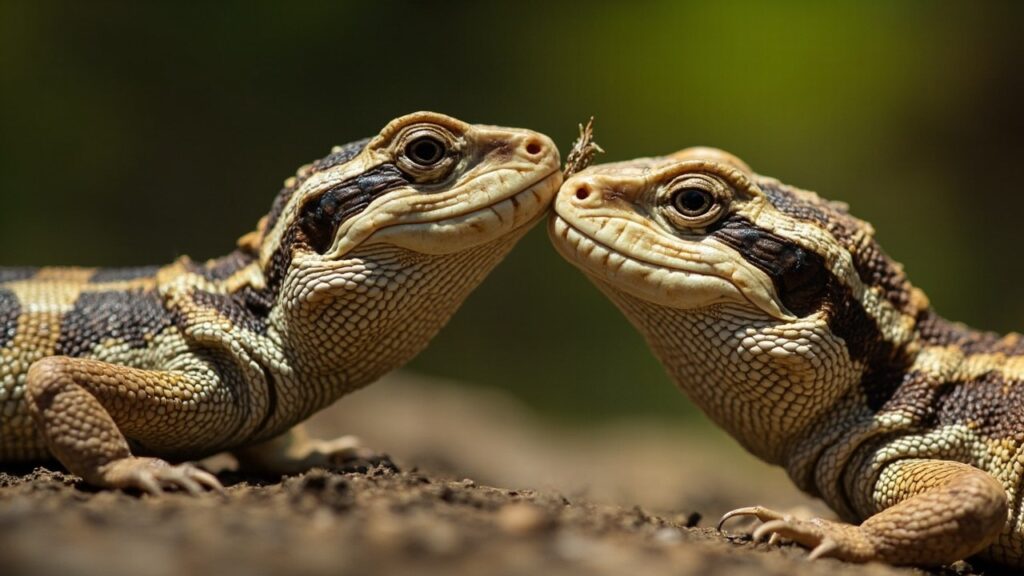
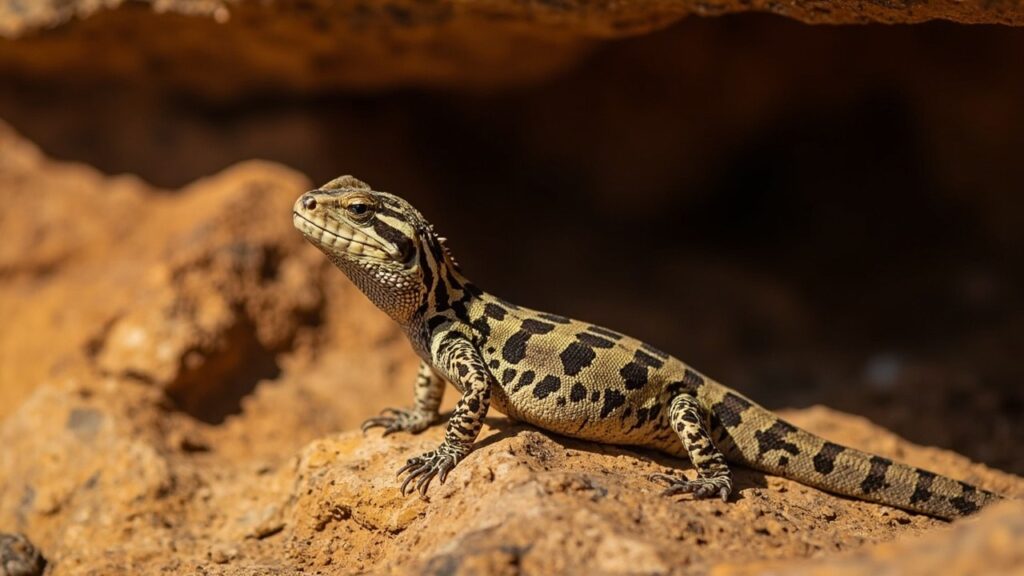
Solitary does not mean unsocial
Many reptiles spend much of their time alone, yet they still interact with others during breeding, territorial disputes, communal nesting, basking, migration, and use of limited refuges. A group of reptiles in one place is not automatically a cooperative society. It may reflect shared access to warmth, food, shelter, or nesting habitat.

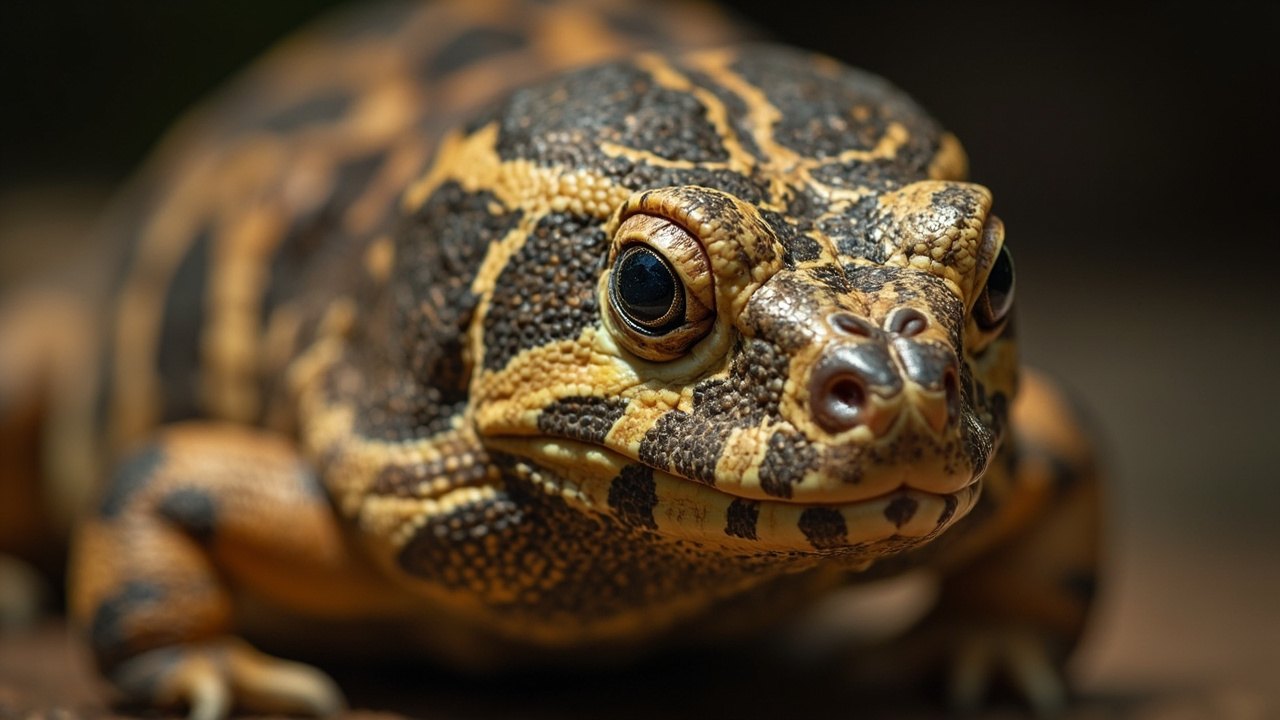
Family associations and parental care
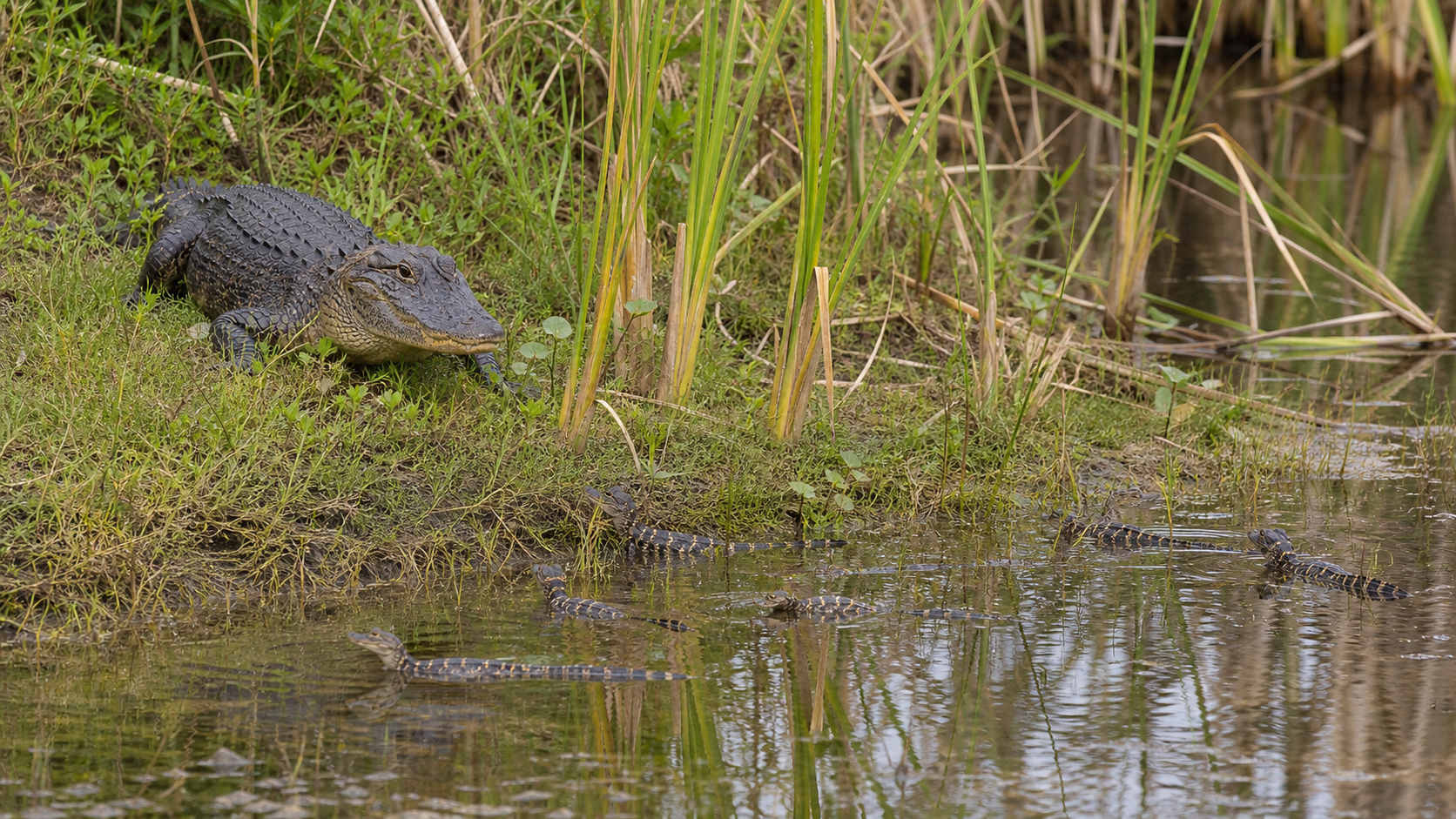
Social behaviour varies widely. Crocodilians may guard nests and respond to hatchling calls, while some lizards and snakes form longer parent-offspring associations or family groups. Communal nesting occurs in several species, but it does not always mean adults cooperate after the eggs are laid. Careful field studies are needed to distinguish a true social bond from an overlap in habitat use.
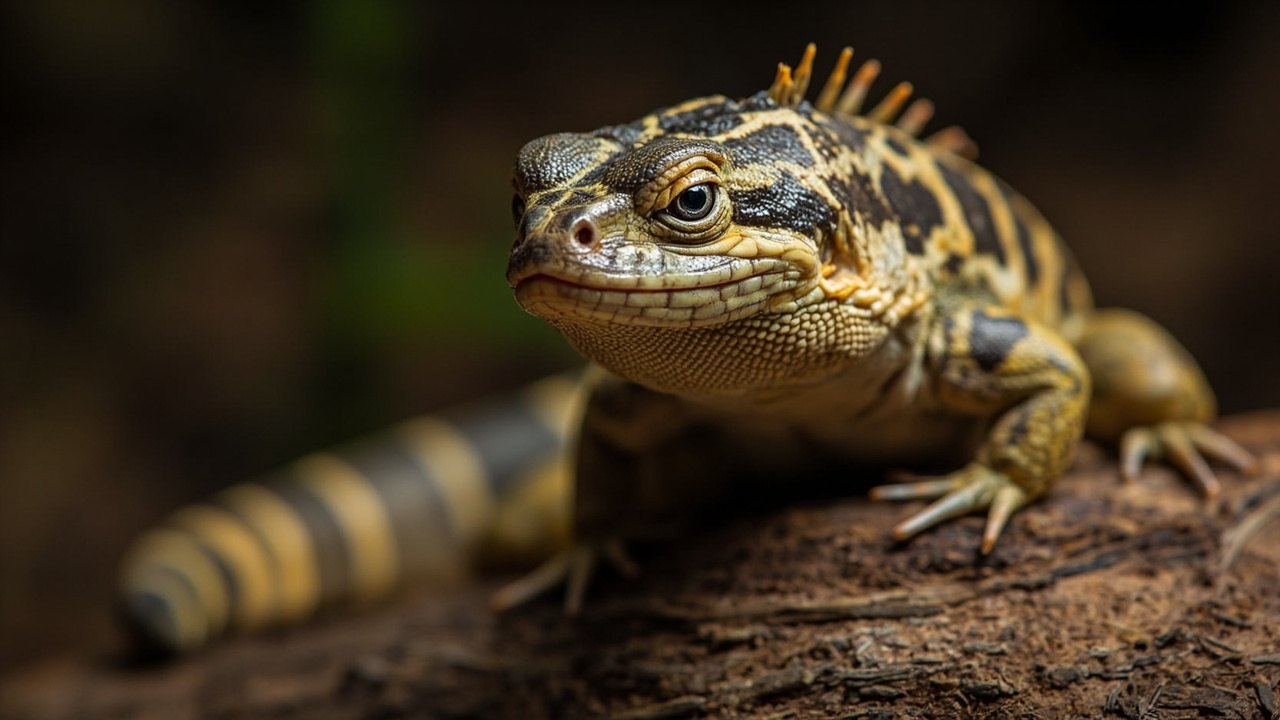
Captive grouping needs caution
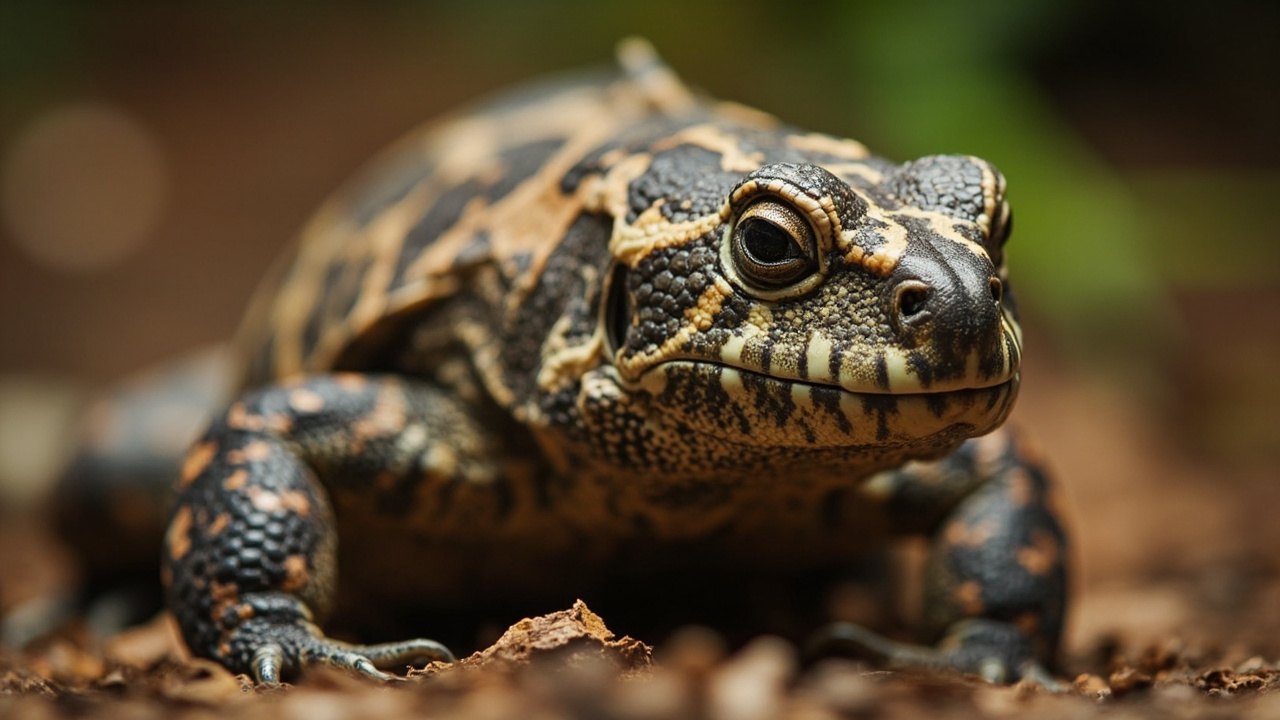
Seeing reptiles together in the wild is not evidence that any two individuals can share an enclosure safely. Crowd stress, competition, injury, unequal access to heat or food, and unwanted breeding can occur in captivity. Housing decisions should be based on the exact species, sex, age, enclosure design, and individual behaviour, with separation available whenever it is needed.
Being Together Does Not Always Mean Social Cooperation
Reptiles may gather at a basking site, nest area, food source or winter refuge because the resource is limited. An aggregation can occur without stable social relationships or cooperation. To understand the behaviour, observers need to ask what animals are doing, how long the association lasts and whether individuals affect one another’s access to food, shelter or mates.
Some species show courtship, parental care, territorial displays or repeated associations. Those behaviours are worth studying on their own terms rather than being described with human family labels. The relevant evidence can include repeated observation, individual recognition, timing and the response to other animals.
Season and Habitat Change Interactions
Breeding periods, drought, cool weather and limited basking space can alter how often reptiles encounter each other. A social pattern observed at one site or season may not occur throughout the year. Location and environmental conditions belong in any careful account.
Captive Grouping Requires Caution
Do not assume that a species observed near others in the wild is safe to house in a group. Enclosure size, sex, age, resources and individual temperament can change the outcome. Species-specific guidance and close welfare monitoring are needed before keeping more than one reptile together.
Sources and review notes
Reviewed 23 August 2026. Reptile biology is wonderfully variable. We have avoided turning one species, photograph or dramatic observation into a rule for an entire group, and we have used cautious wording where evidence or local conditions differ.
Reference starting points: The Reptile Database, The IUCN Red List of Threatened Species, and PubMed-indexed research. Conservation status, taxonomy and local laws can change, so check the linked databases and the relevant local authority for current information.
Spotted something we should revisit? Send Reptile Explorer a correction—thoughtful reader feedback is always welcome.