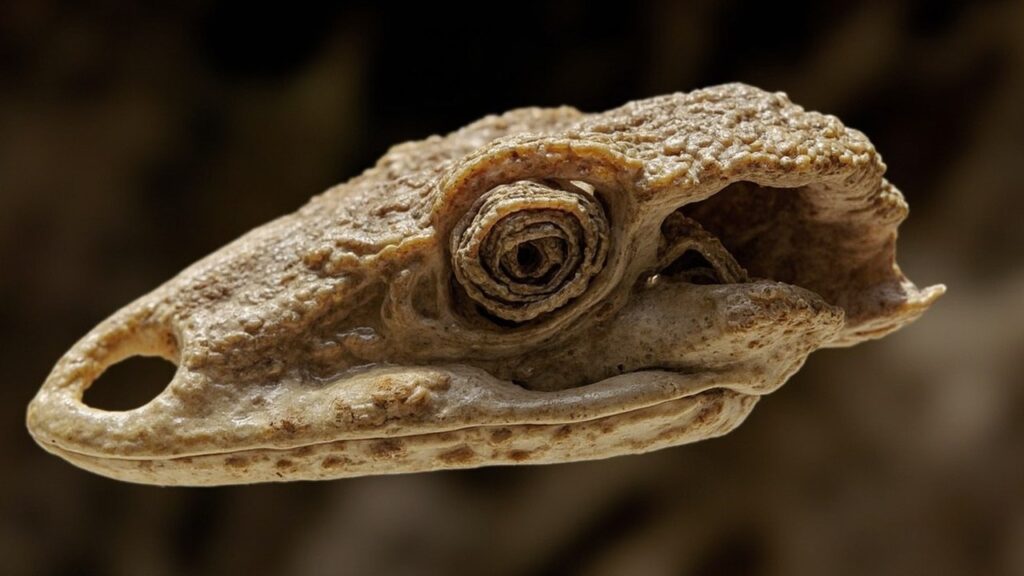
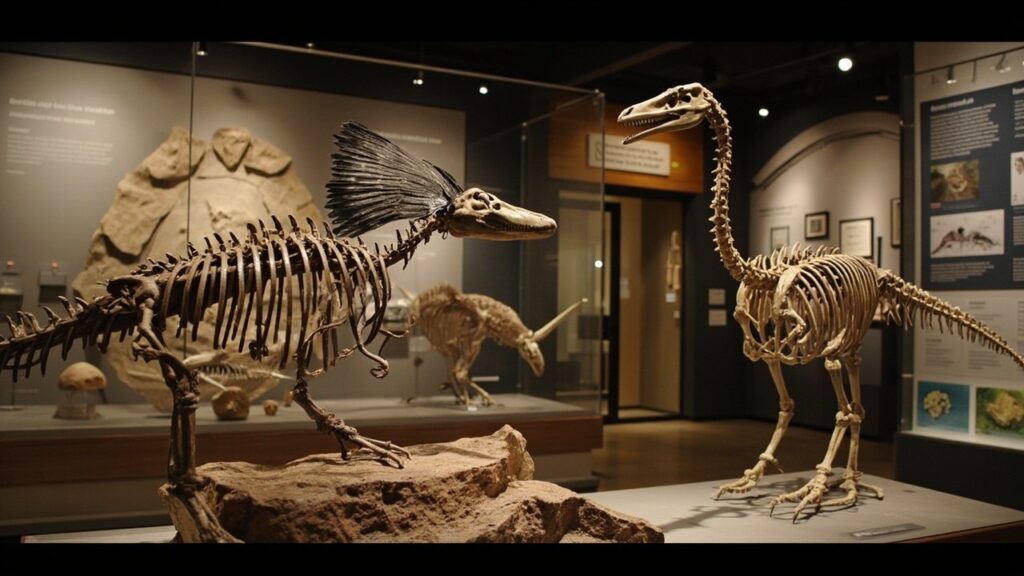
The major split in the amniote family tree separated the synapsid lineage, which includes mammals, from the sauropsid lineage, which includes reptiles and birds, roughly 312 million years ago. It was not a Triassic split between mammals and diapsid reptiles.
Synapsids were not “mammal-like reptiles”
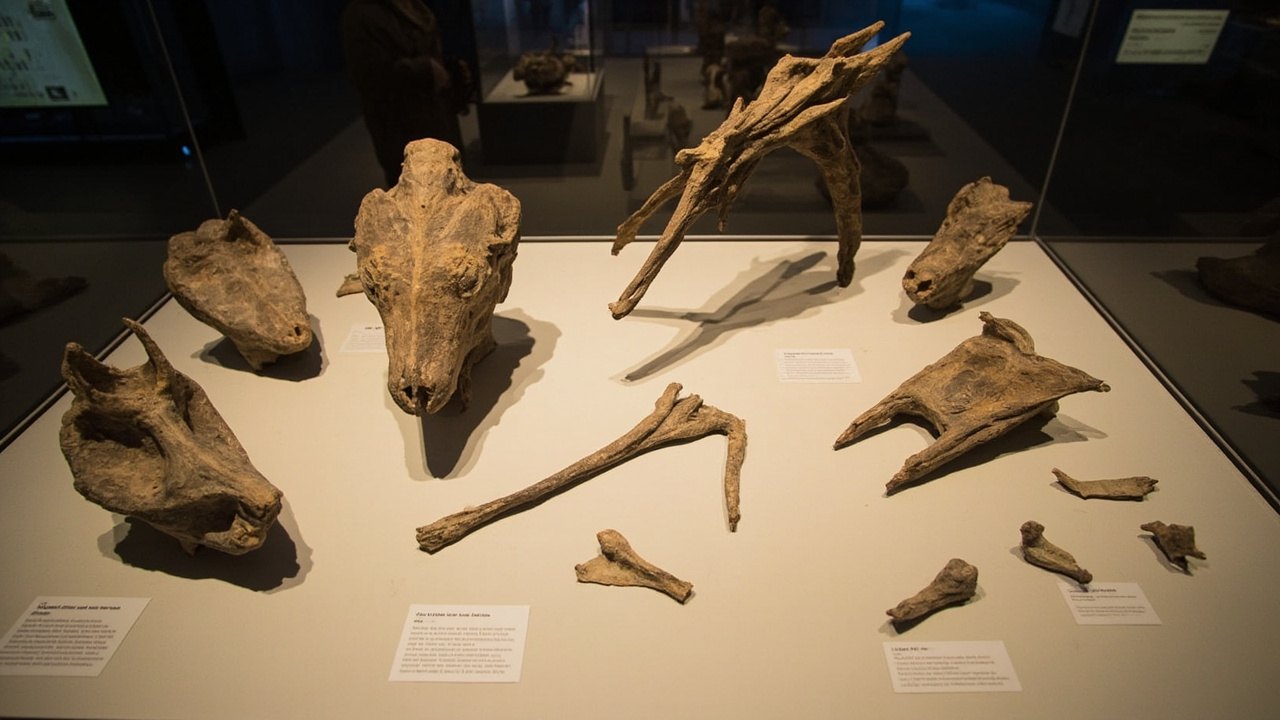
Early synapsids and later non-mammalian synapsids belong on the stem leading toward mammals, but calling them reptiles obscures the branching pattern. Features associated with mammals, including jaw and ear changes, hair, endothermy and secondary palates, evolved step by step in different lineages.

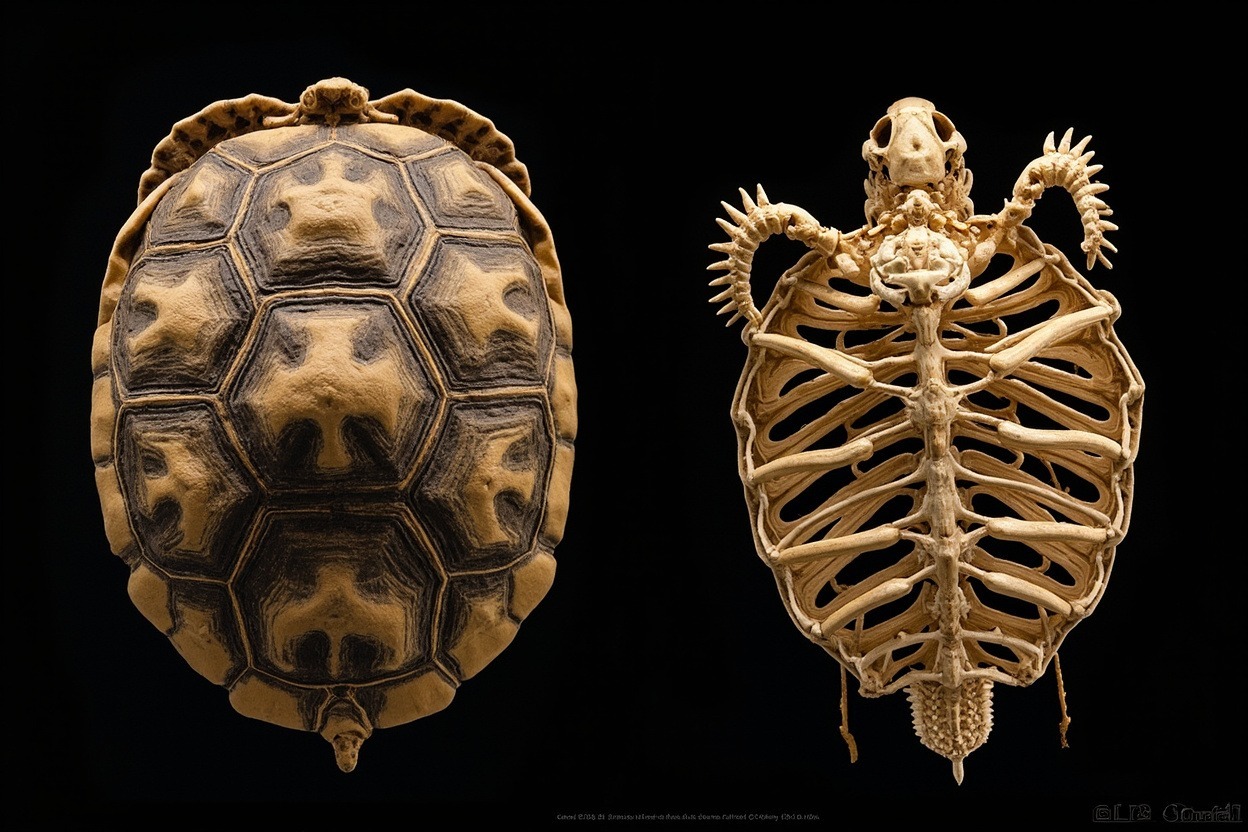
From stem mammals to mammals
Therapsids contain many important non-mammalian synapsids, while animals such as Morganucodon are better described as early mammaliaforms or stem mammals. Evolution does not work as a straight ladder in which one modern group turns into another.
Why the timing matters
The Carboniferous origin of synapsids, later diversification of therapsids and early mammaliaforms, and much later Neogene history are separate chapters. Accurate time scales help explain both shared ancestry and the deep differences among living amniotes.
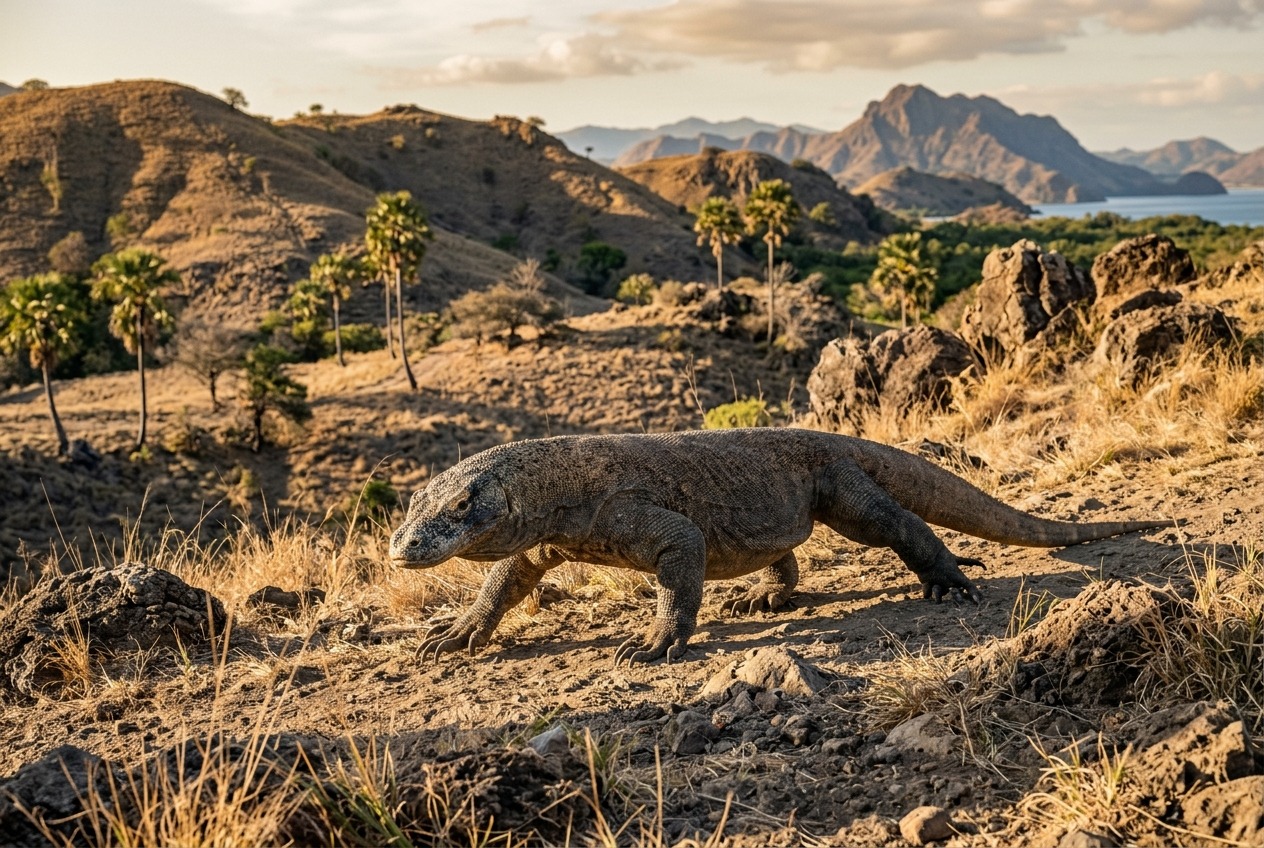
Use current terminology
Modern terms such as synapsid, sauropsid and stem mammal communicate relationships more clearly than outdated labels. They also make fossils more interesting by placing them on a branching family tree.
The Split Is a Branching Event, Not a Transformation
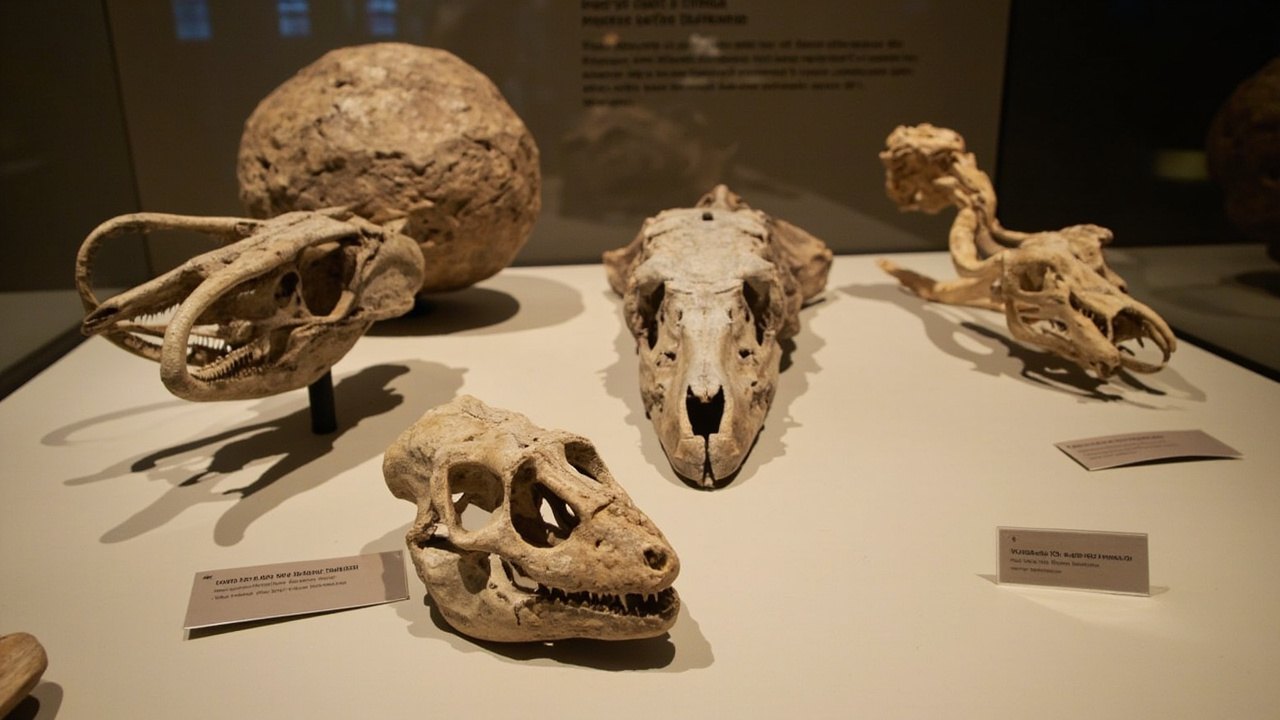
The synapsid and sauropsid lineages share an earlier amniote ancestor. One branch led to mammals, while the other includes living reptiles and birds. It is inaccurate to say that a modern reptile turned into a mammal or that living reptiles are unchanged stand-ins for early amniotes. Each living lineage has its own long evolutionary history.
Fossil groups can fall along the stem toward mammals or along other branches of the amniote tree. Their mixture of familiar and unfamiliar features is useful evidence about how traits evolved over time. The term mammal-like reptile is outdated because it conceals this branching relationship.
Traits Did Not Appear as One Package
Changes to jaw bones, ear structures, teeth, hair, metabolism and reproduction occurred at different points in synapsid history. A fossil with one trait associated with mammals does not automatically belong inside the modern mammal group. Anatomical features and age are evaluated together when relationships are tested.
Time Scales Need Care
Deep-time dates are estimates refined by geological and biological evidence. They help place evolutionary events in order, but a broad date should not be used to erase uncertainty or the diversity of lineages that existed between the split and living groups.
Sources and review notes
Reviewed 23 August 2026. Fossils, anatomy and family trees become more interesting—not less—when uncertainty is made visible. We have separated well-supported observations from interpretations that may change as new specimens and studies appear.
Reference starting points: The Reptile Database, PubMed-indexed research, and Smithsonian natural-history resources. Conservation status, taxonomy and local laws can change, so check the linked databases and the relevant local authority for current information.
Spotted something we should revisit? Send Reptile Explorer a correction—thoughtful reader feedback is always welcome.