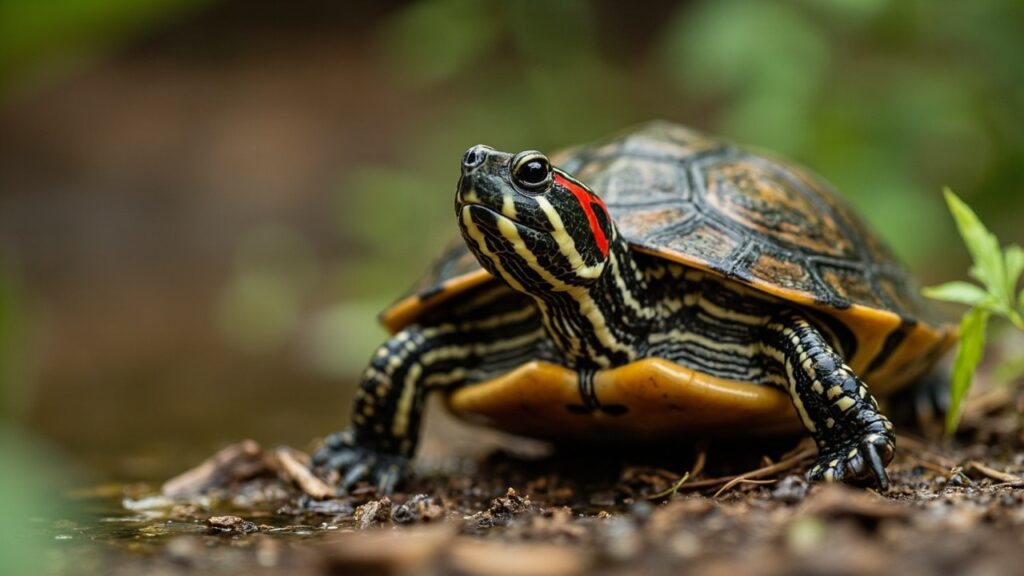
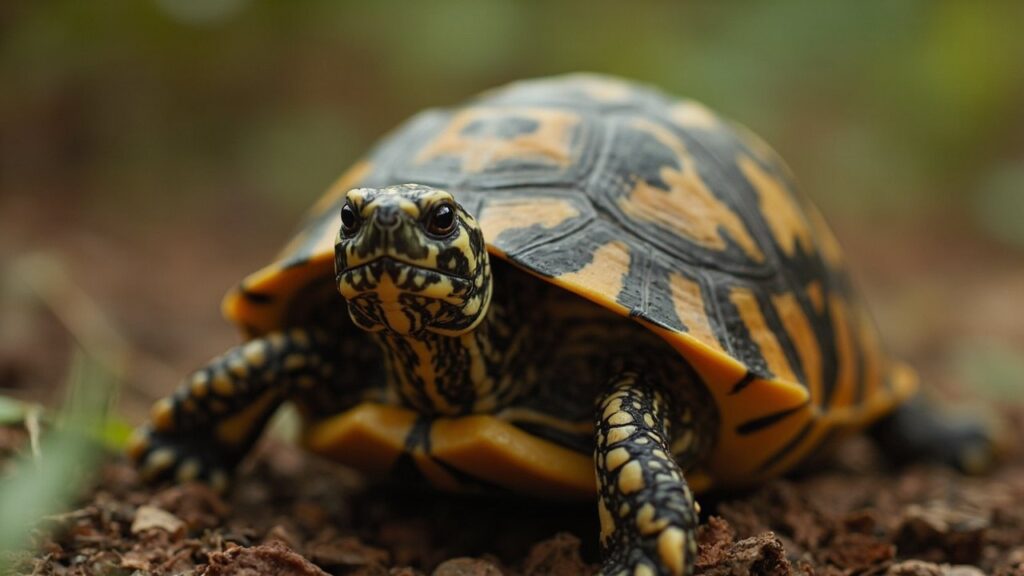
Wood turtles (Glyptemys insculpta) use forested streams, wetlands, floodplains and adjacent upland habitat in eastern North America. Their conservation status and legal protection vary by state and province, so a single nationwide label is misleading.
Why connected habitat matters
Wood turtles move between water, nesting ground and upland forest. Roads, habitat fragmentation, collection and altered stream conditions can harm populations. The species is recognized as a Species of Greatest Conservation Need across its United States range, but local rules and priorities differ.

Keep claims evidence-based
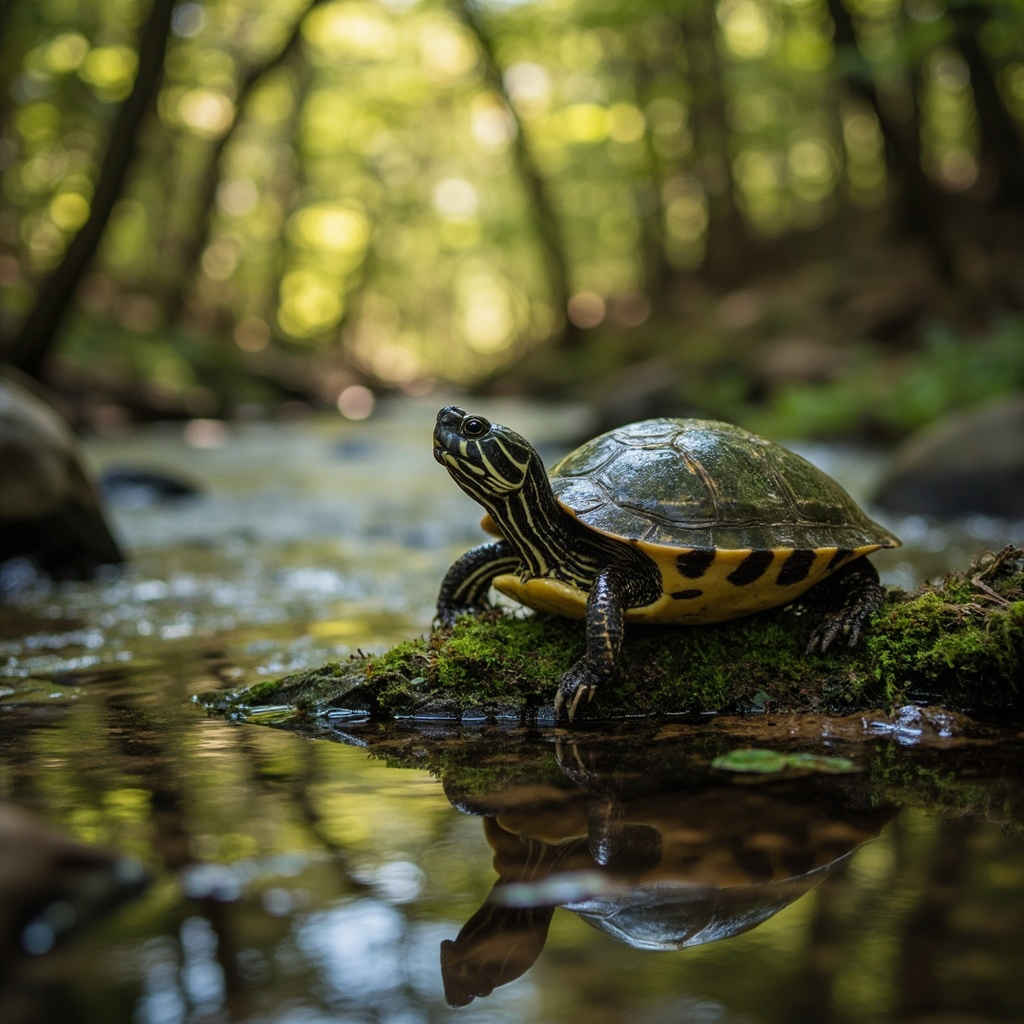
Losing a native turtle reduces biodiversity and can affect local ecological relationships, but invented claims about guaranteed food-web collapse, invasive spread or specific cultural effects do not strengthen conservation. The clearest case for protection is the turtle’s own ecological and conservation value.
Help without handling
Do not collect wild turtles or move one unless immediate road danger requires guidance from a local wildlife authority. Take photographs from a distance and report observations through an appropriate local program.
Protect streams and forest edges
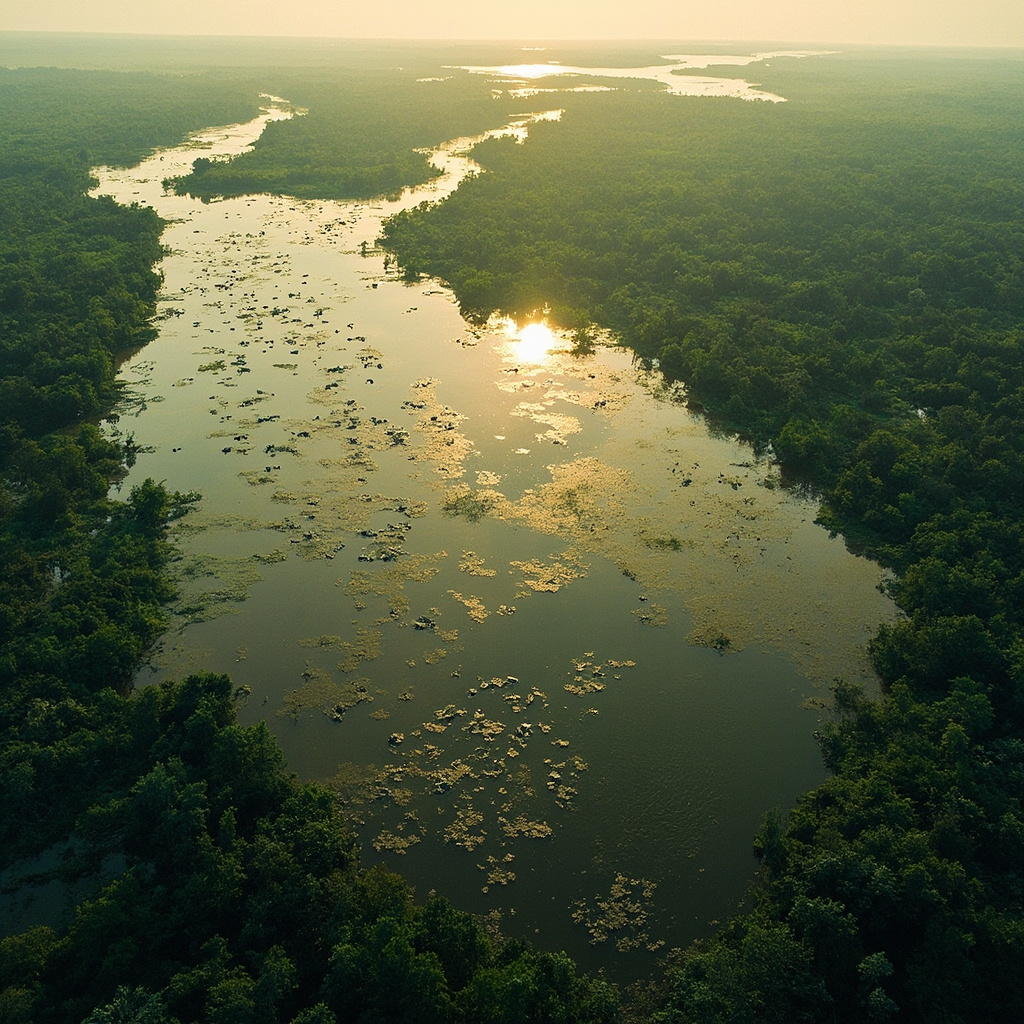
Clean water, intact stream banks, safe nesting areas and reduced road mortality are practical ways to support wood turtle habitat.
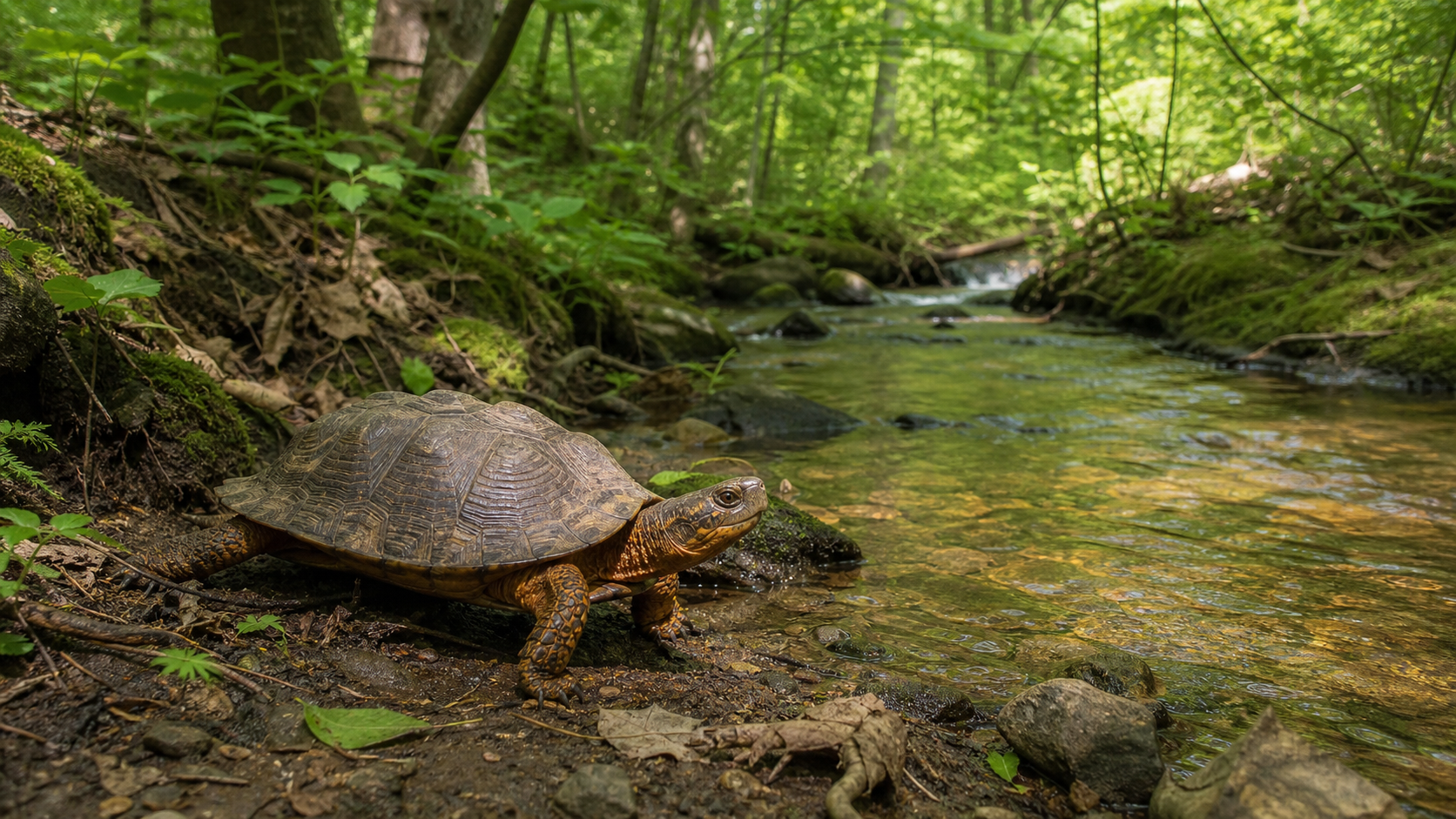
A Wood Turtle Uses More Than the Stream Channel
Wood turtles move between running water, floodplains, forest edges and upland areas. The stream may provide overwintering habitat, while nearby ground can provide nesting and seasonal feeding opportunities. Roads, culverts, mown fields and hardened banks can interrupt those movements even when water still appears clean.
Each population faces local conditions. A conservation status from one state or province should not be copied to another without checking the relevant wildlife authority. Accurate records should include the general habitat, date and location permitted by local reporting guidance, but should not broadcast sensitive sites for a species vulnerable to collection.
Road Encounters Require Caution
A turtle on a road may be crossing between usable habitats. Do not take it home or relocate it to a favourite pond. If a local authority advises moving a turtle out of immediate traffic danger, follow its guidance and place it in the direction it was travelling. Safety for people comes first, and unnecessary handling can create more risk for the animal.
Streamside Protection Supports Daily Needs
Vegetated banks, natural floodplain features and reduced sediment runoff can preserve the cover and water quality that wood turtles use. Long-term monitoring of adults, nests and young gives a better picture of population health than a single sighting.
Sources and review notes
Reviewed 23 August 2026. Conservation is rarely a one-step success story. We have kept the language specific about evidence, limits and local context, because a programme that helps one population may not transfer neatly to another.
Reference starting points: The IUCN Red List of Threatened Species, IUCN conservation-translocation guidelines, and the current CITES Appendices. Conservation status, taxonomy and local laws can change, so check the linked databases and the relevant local authority for current information.
Spotted something we should revisit? Send Reptile Explorer a correction—thoughtful reader feedback is always welcome.