A Shell Built Into the Skeleton
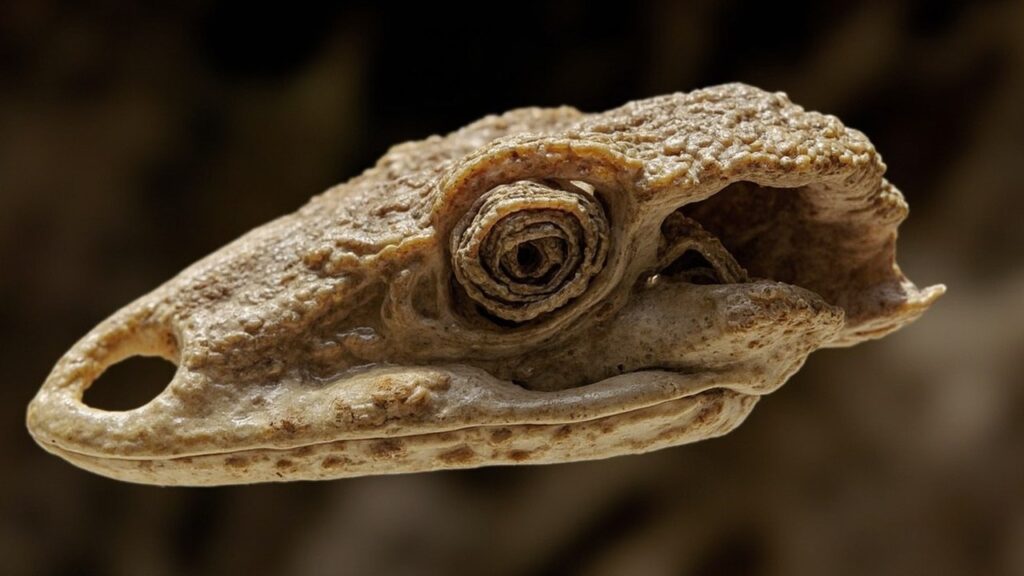
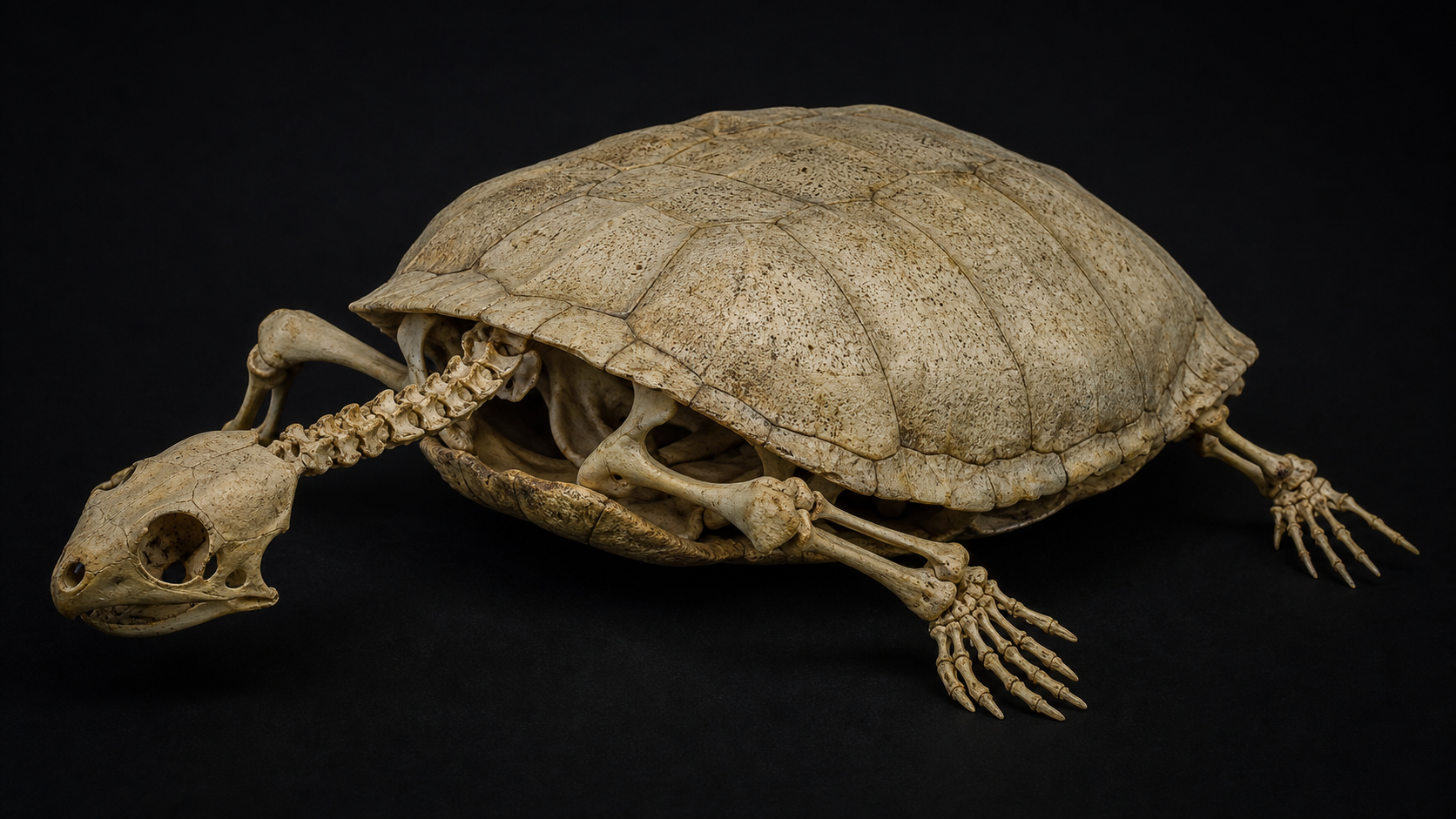
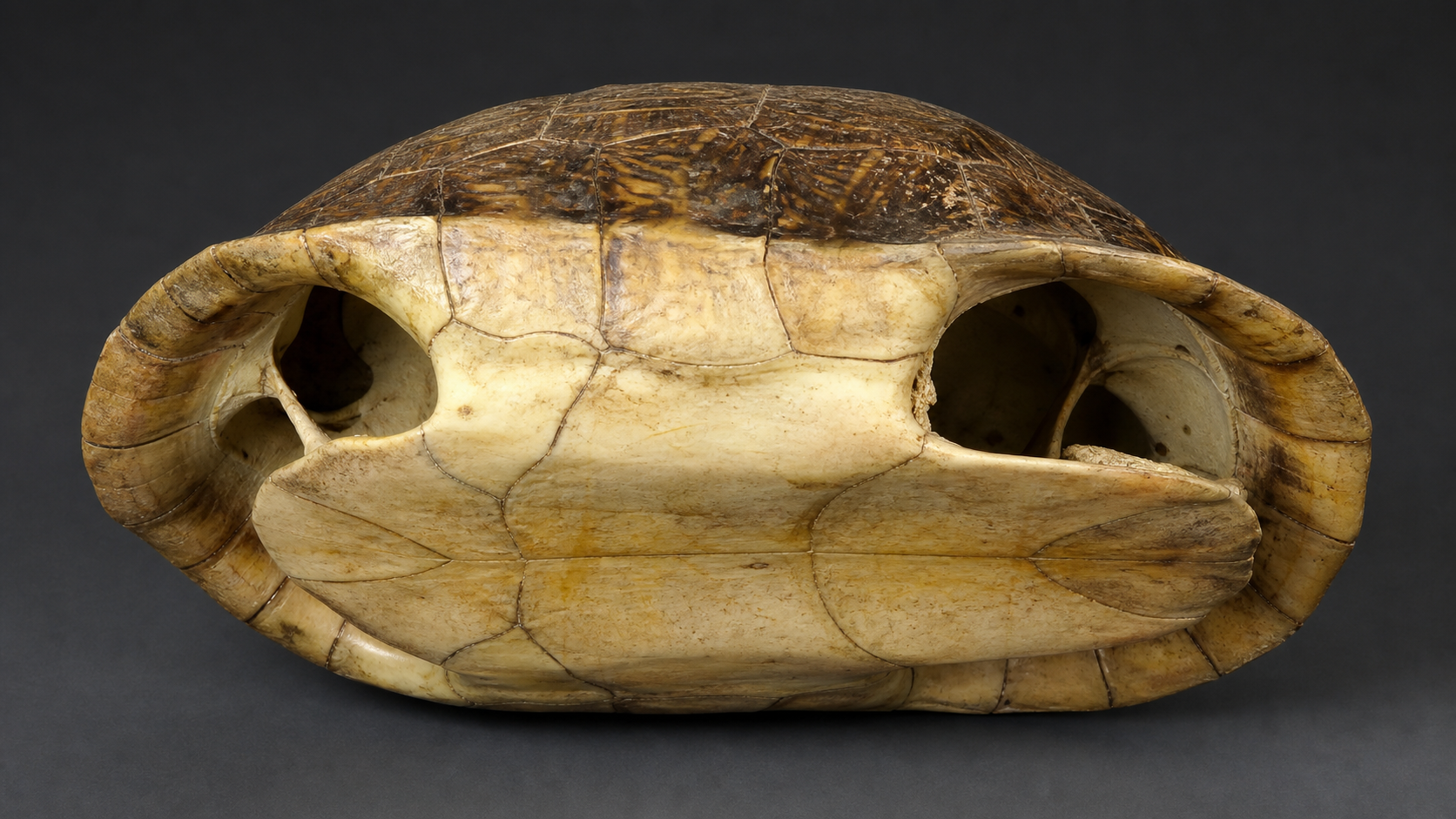
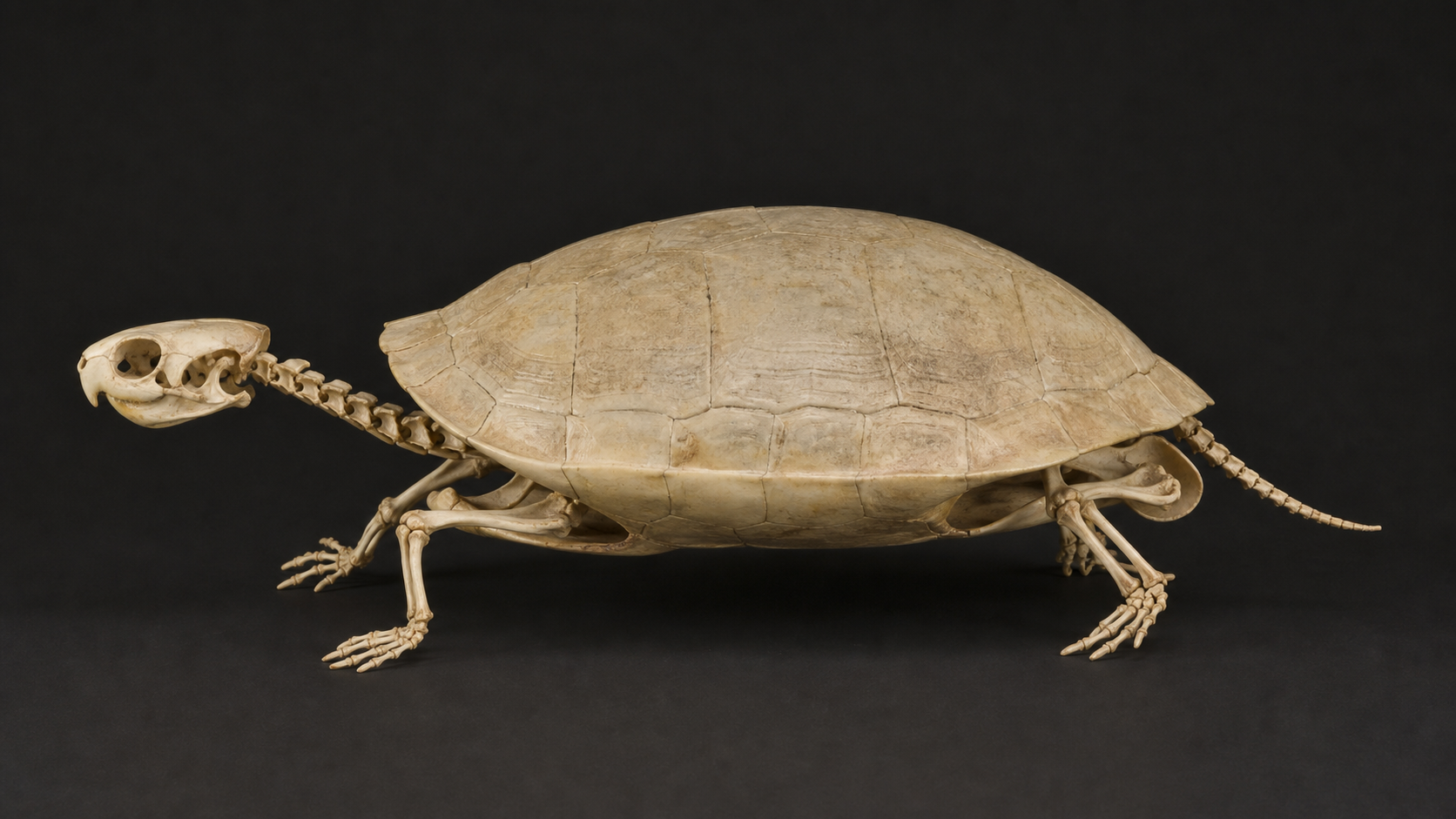
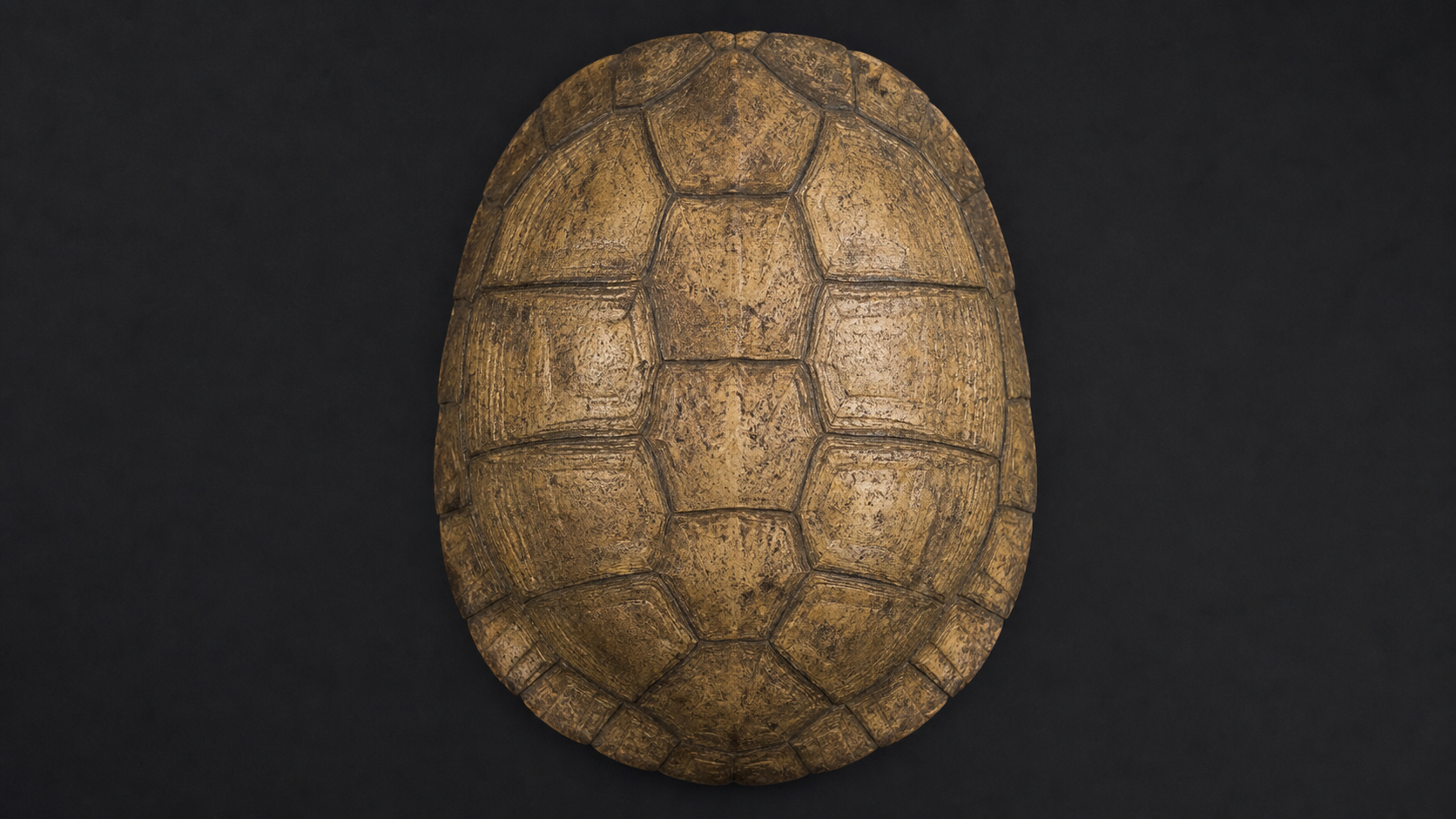
A turtle shell is not a suit of external armor. The carapace is closely integrated with the ribs and vertebrae, while the plastron forms the lower part of the shell. This unusual body plan makes turtles one of the most distinctive branches of living reptiles.
Fossils Show a Complex Sequence
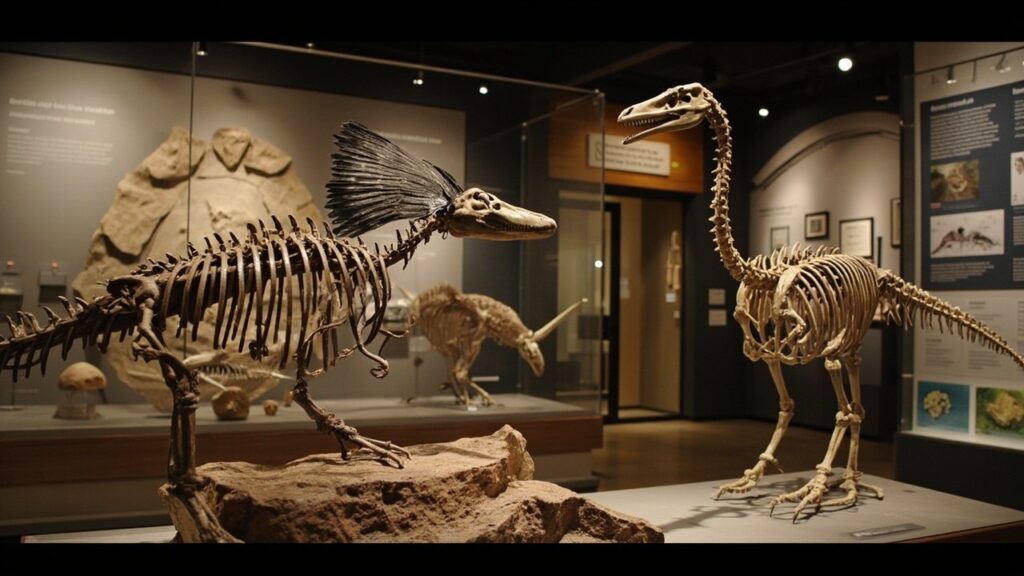
Early stem-turtle fossils preserve combinations of features rather than a simple step-by-step ladder. Odontochelys, for example, had a well-developed plastron and an incomplete carapace. Other fossils document broadened ribs and increasingly integrated shell structures.
Questions Still Drive Research
Embryology, fossil preparation, CT scanning, and phylogenetic analysis continue to refine ideas about how the shell evolved. The strongest conclusion is that shell evolution was gradual and anatomically complex, while the exact relationships among some early turtle relatives remain under active study.
How the Shell Changes the Turtle Body Plan
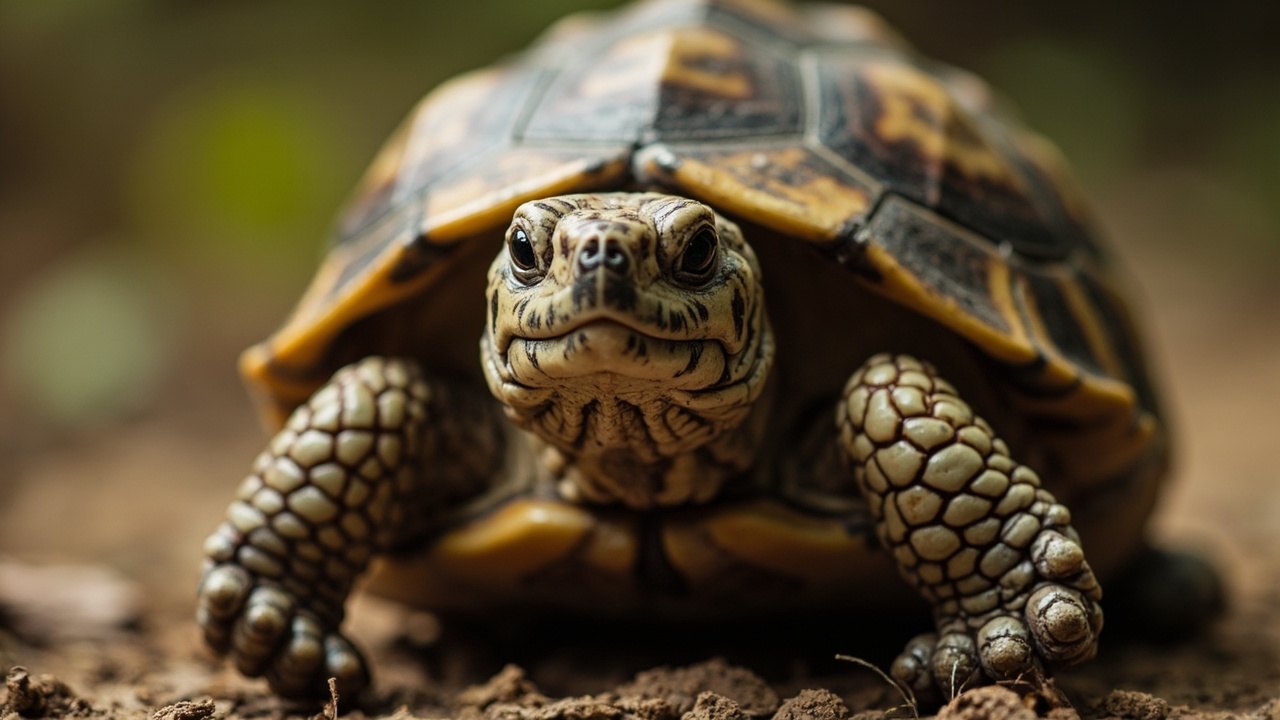
The carapace is made from bone that develops with the ribs and vertebrae, then is covered in most turtles by keratinous scutes. The plastron is a separate set of bones on the underside. Because the shoulder girdle lies within the rib cage, the turtle body plan differs markedly from that of other living tetrapods. These linked features explain why a shell cannot be understood as a simple covering added to an otherwise ordinary reptile. It also keeps the terminology clear: carapace and plastron describe parts of the shell, while scutes describe the outer keratin coverings found in many species.
Fossils and Embryos Answer Different Questions
Stem-turtle fossils document anatomical combinations that are absent in living species. They allow researchers to compare broadened ribs, the plastron, vertebral changes and the growth of a carapace across lineages. Embryology addresses a different question: how those structures form during development. In turtle embryos, the carapacial ridge is associated with the distinctive lateral pattern of rib growth. Developmental evidence is valuable, but an embryo does not reproduce an adult fossil or replay evolution in miniature.
Why the Debate Continues
New fossils, reinterpretations of known specimens and revised family trees can change the order in which traits appear to have evolved. Preservation is incomplete, and similar features can arise for different functional reasons. A cautious account separates well-supported observations, such as the integration of shell bones with the skeleton, from questions about the exact relationships and ecology of early turtle relatives. That distinction makes fossil and developmental evidence easier to evaluate together.
Sources and review notes
Reviewed 23 August 2026. Fossils, anatomy and family trees become more interesting—not less—when uncertainty is made visible. We have separated well-supported observations from interpretations that may change as new specimens and studies appear.
Reference starting points: The Reptile Database, PubMed-indexed research, and Smithsonian natural-history resources. Conservation status, taxonomy and local laws can change, so check the linked databases and the relevant local authority for current information.
Spotted something we should revisit? Send Reptile Explorer a correction—thoughtful reader feedback is always welcome.