Substrate Is Part of the Habitat
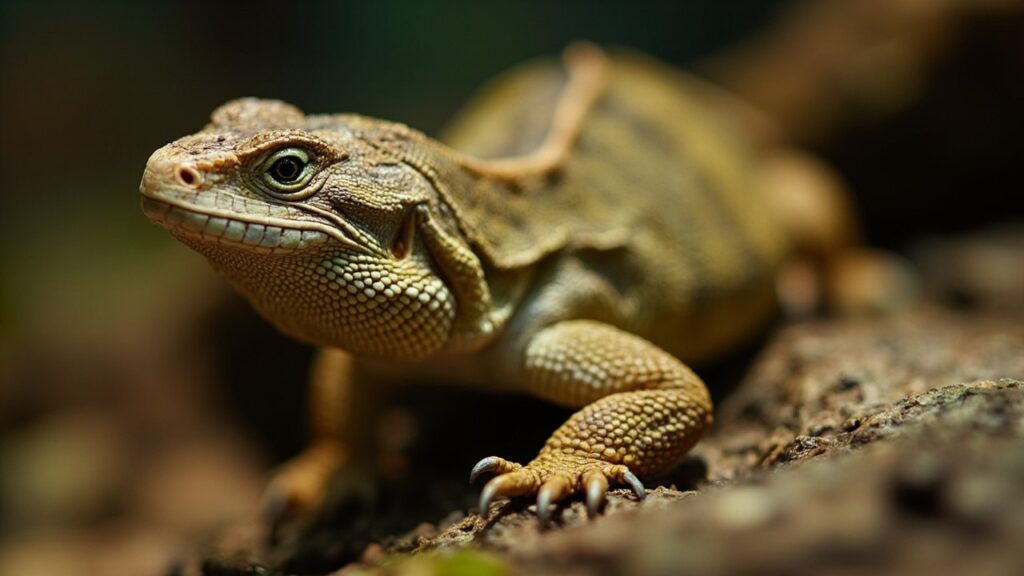
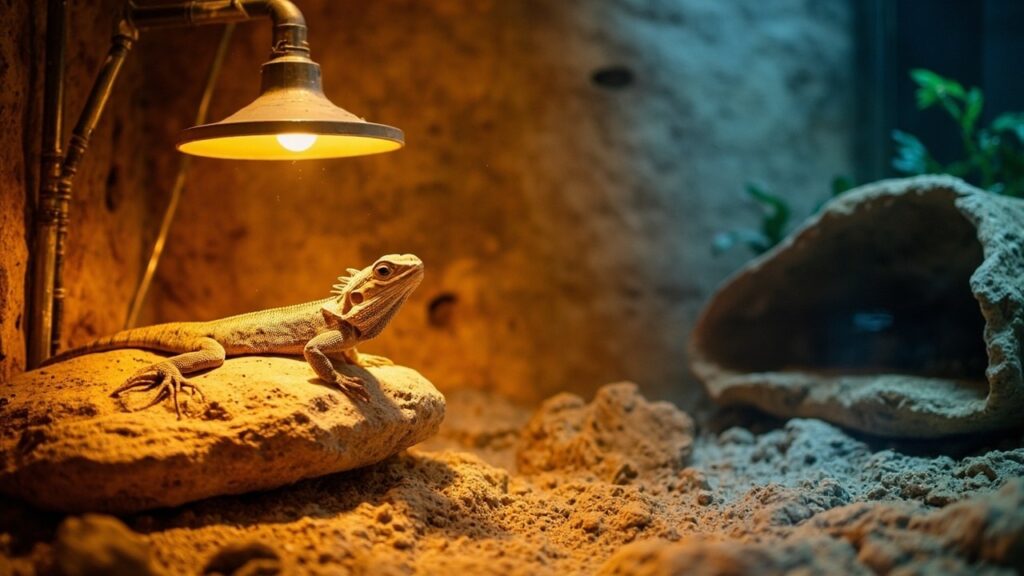
Substrate is the material covering the floor of an enclosure. It can affect traction, burrowing, humidity, sanitation, resting behaviour and the ability to monitor waste. The right choice depends on the species, age, health and the enclosure’s overall design.

Match the Material to Natural Behaviour
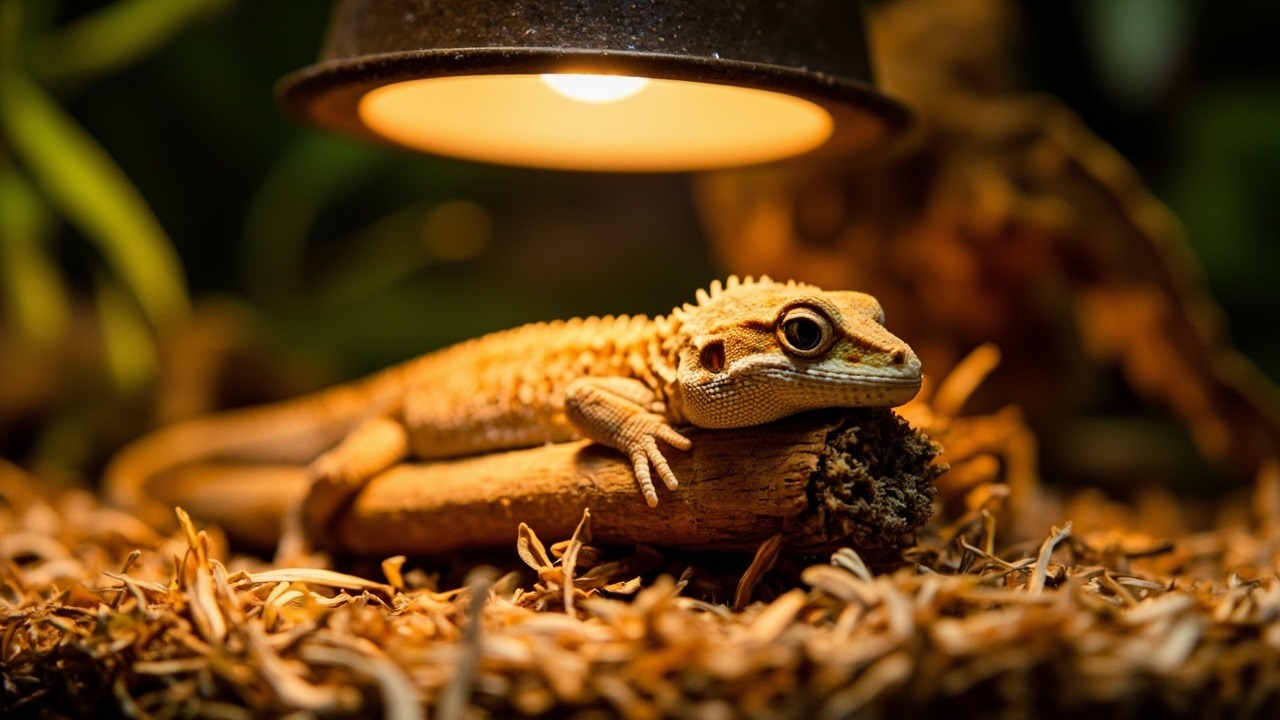
A suitable substrate should support normal behaviour without creating avoidable risks. Some reptiles need stable digging areas, while others benefit from simple surfaces that are easy to inspect and clean. Humidity, temperature, feeding method and enclosure furnishings must be considered together.
Screen Out Unsafe Materials
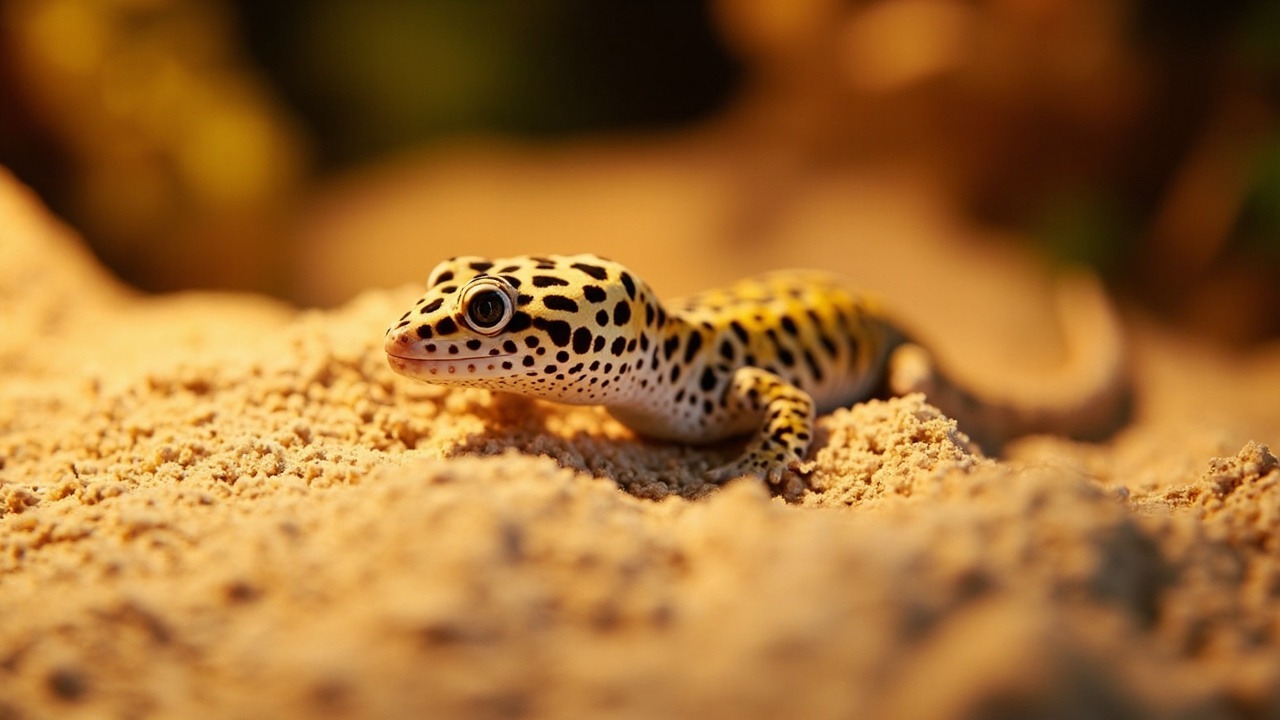
No single substrate is suitable for every reptile. Cedar and pine shavings should not be used because their aromatic oils can cause respiratory or neurological harm. Sand, gravel and corncob are poor default choices because ingestion, obstruction, mould and sanitation problems can occur. A naturalistic particulate setup needs species-specific evidence, appropriate feeding practices and close monitoring.
When a reptile is ill, unusually inactive or showing digestive concerns, use an easy-to-monitor surface and follow advice from a reptile-qualified veterinarian.
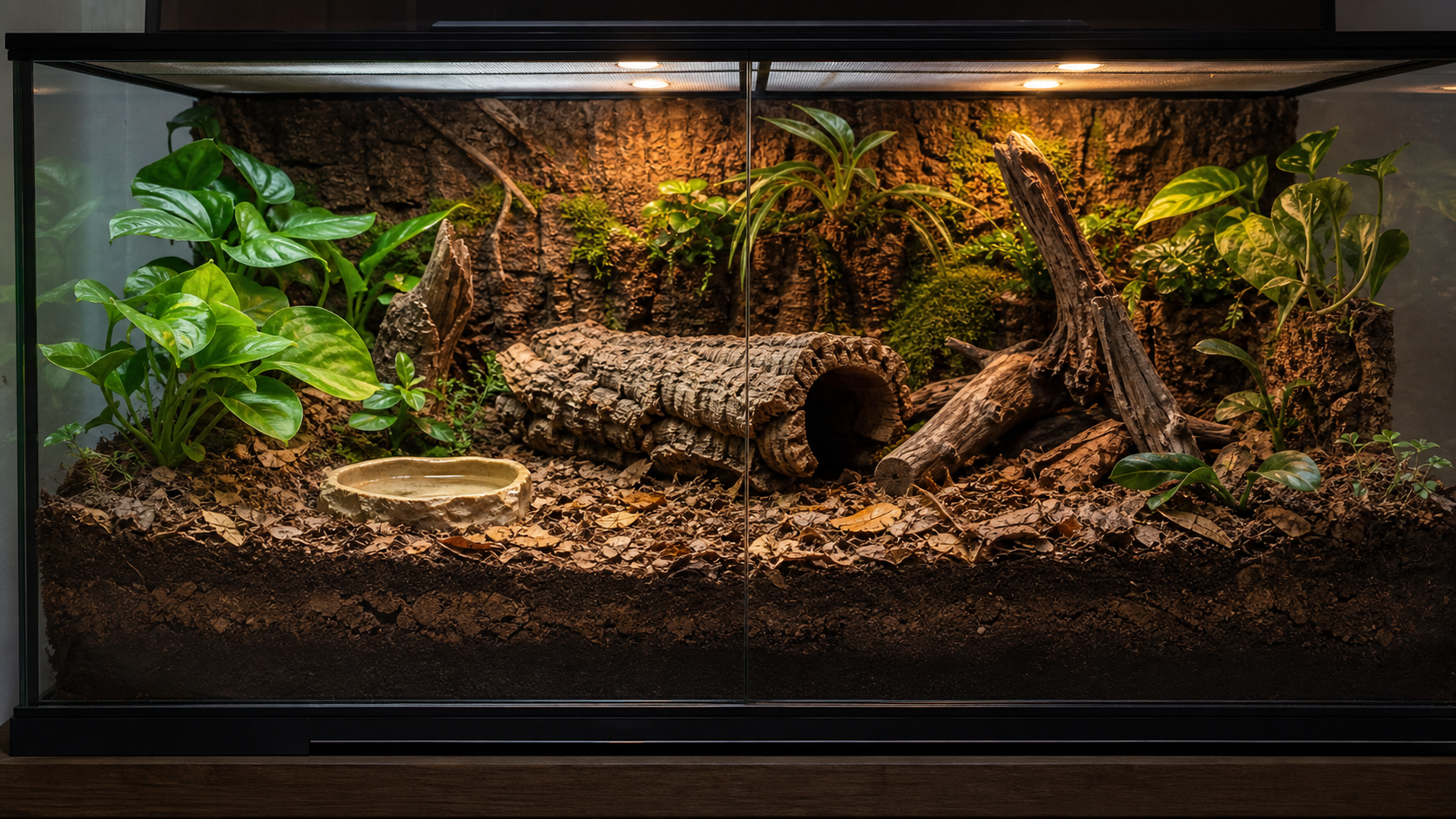
Substrate Works With the Rest of the Enclosure
Floor material cannot be judged separately from hides, heating, moisture, feeding routine and cleaning access. A substrate that supports burrowing may be unsuitable if it becomes waterlogged, overheated or impossible to inspect. A simple surface may be useful during recovery or quarantine, while a more complex setup can suit a healthy animal whose species naturally digs or uses leaf litter. The animal’s needs determine the choice.
Ingestion Risk Has Several Causes
Loose material is not automatically harmless or automatically dangerous. Particle size, the amount swallowed, the reptile’s health, temperature, hydration, prey presentation and the substrate itself can all affect risk. Repeatedly eating substrate, poor appetite, straining or unusual droppings need veterinary advice rather than a casual change of floor covering. Feeding and enclosure conditions should be reviewed at the same time.
Quarantine Favours Visibility and Hygiene
New, ill or injured reptiles may need a temporary surface that makes waste, parasites and changes in condition easy to see. Follow the plan set by a reptile-qualified veterinarian, especially where infection or digestive disease is suspected. Cleaning must remove soiled material promptly, but disinfection should also follow product instructions. A natural-looking enclosure is not safer if it prevents accurate monitoring or regular hygiene.
Sources and review notes
Reviewed 23 August 2026. Care works best when it starts with the exact species in front of you. We checked this article against current veterinary husbandry guidance, but measured enclosure conditions and a reptile-experienced veterinarian should guide decisions for an individual animal.
Reference starting points: Merck Veterinary Manual: reptile management and husbandry, CDC: healthy handling around reptiles and amphibians, and The Reptile Database. Conservation status, taxonomy and local laws can change, so check the linked databases and the relevant local authority for current information.
Spotted something we should revisit? Send Reptile Explorer a correction—thoughtful reader feedback is always welcome.