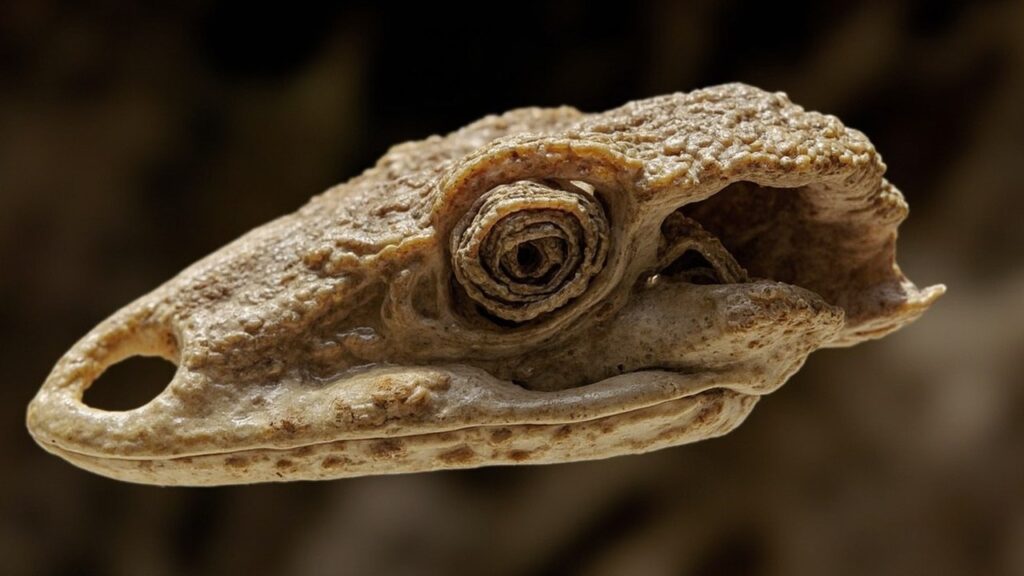
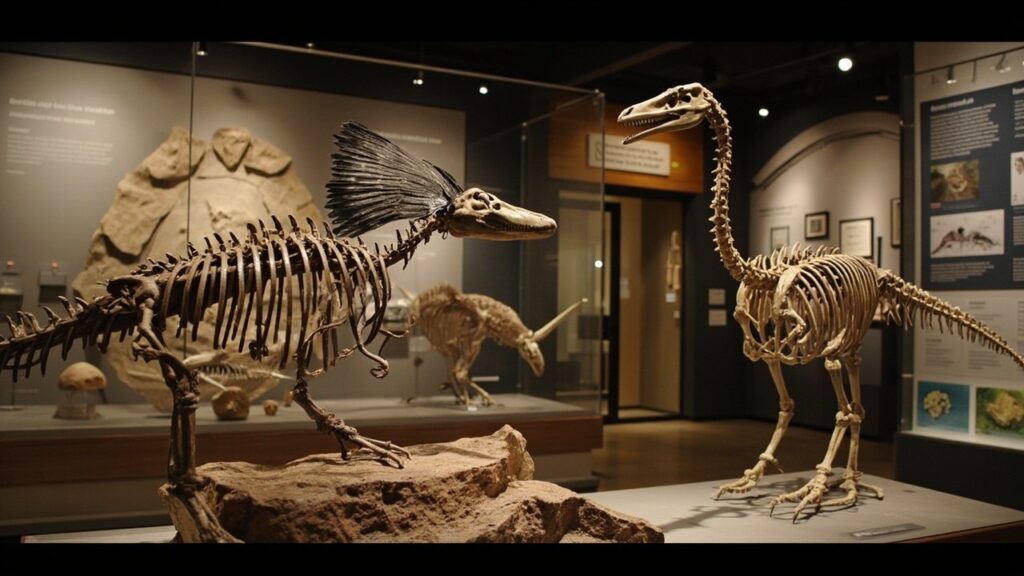
Evolutionary arms races occur when a defensive or offensive trait in one lineage favors a counter-adaptation in another. Venom systems, prey defenses and predator resistance can all be involved, but each example must be tied to the right species and mechanism.
Venom is not the same as prey toxin
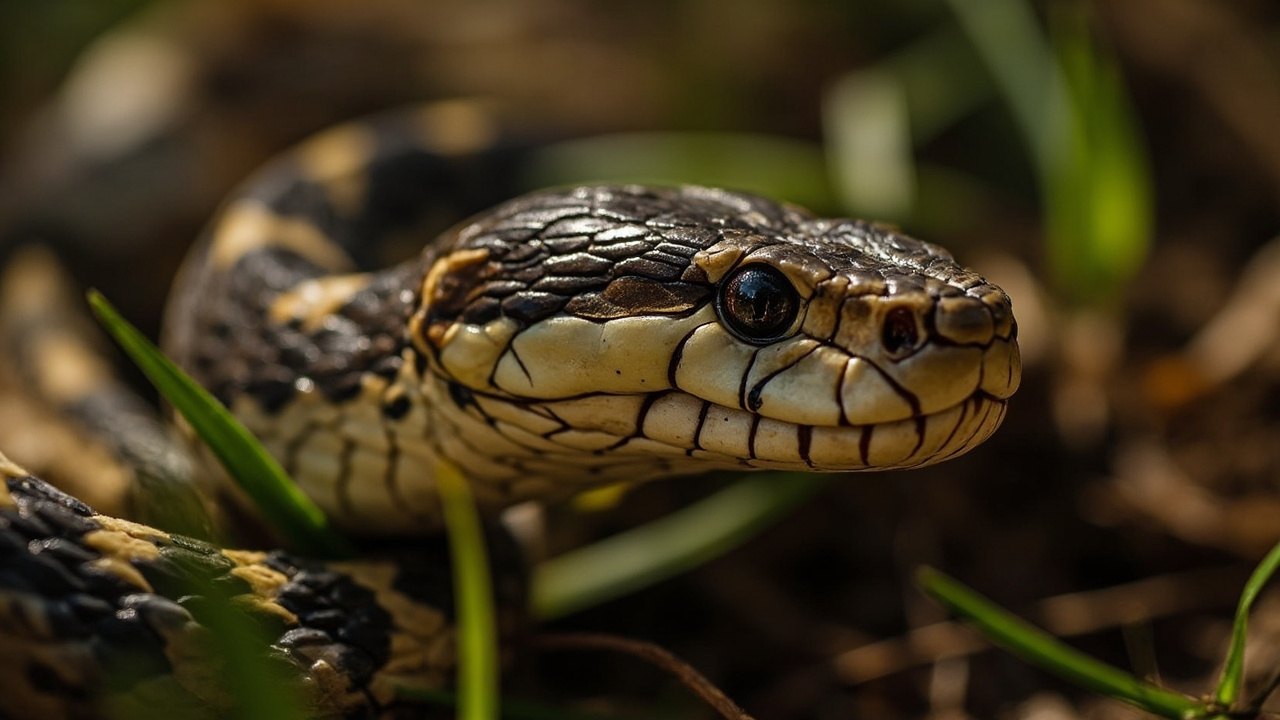
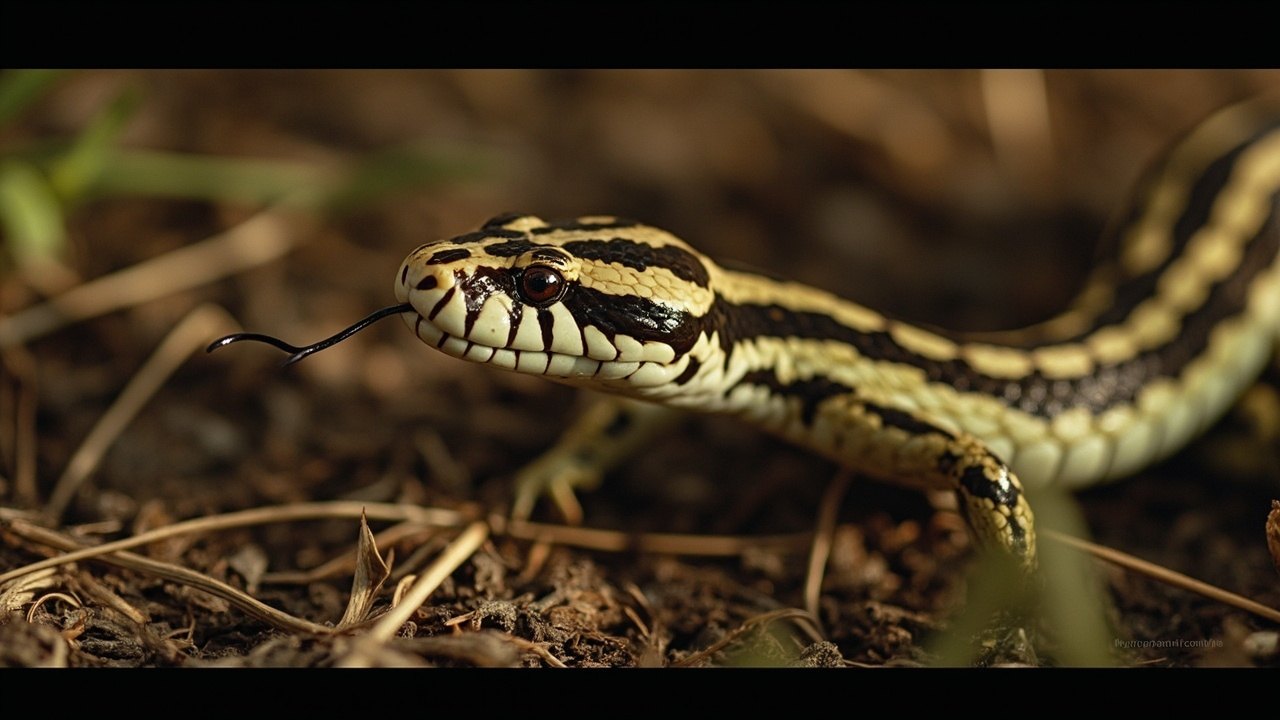
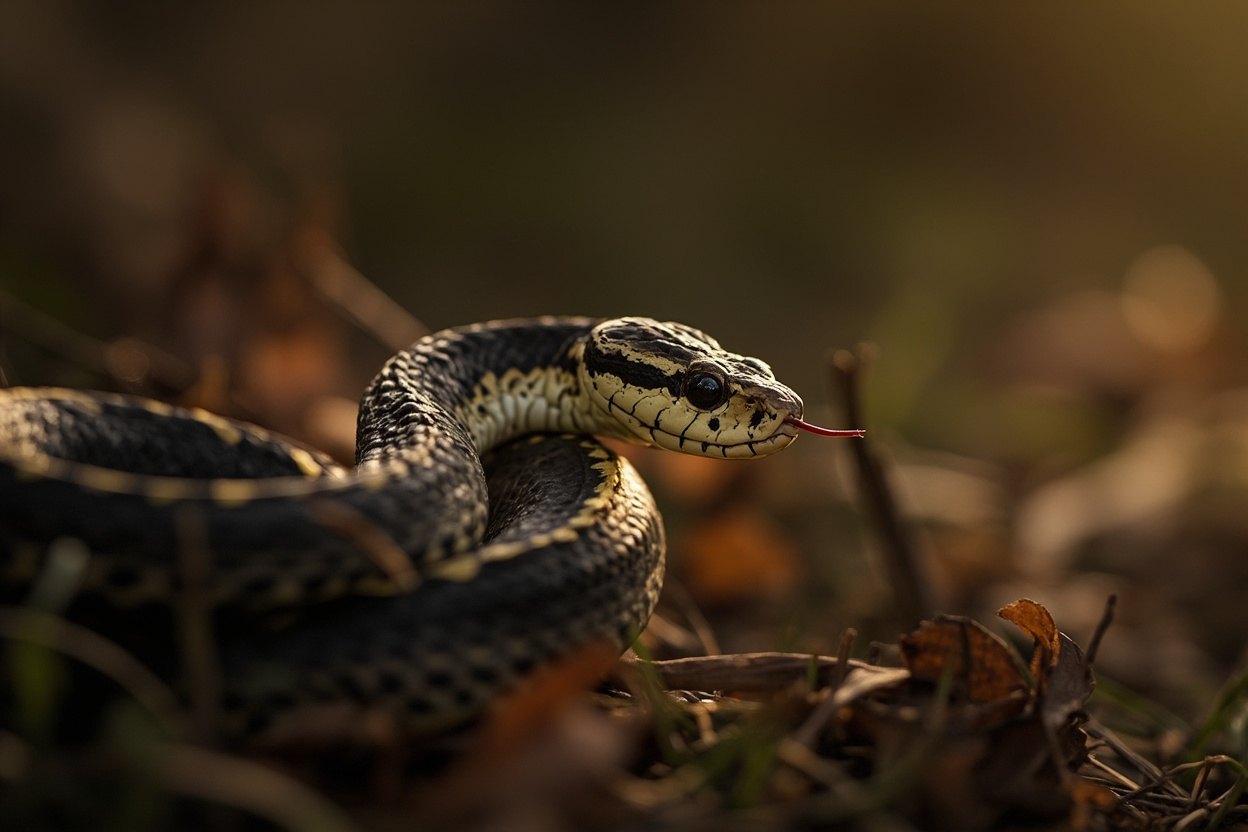
A well-known example involves garter snakes and tetrodotoxin-bearing newts: some snake populations have evolved resistance to the prey’s toxin. That is a toxin-resistance system, not evidence that garter snakes evolved specialized venom for the interaction.

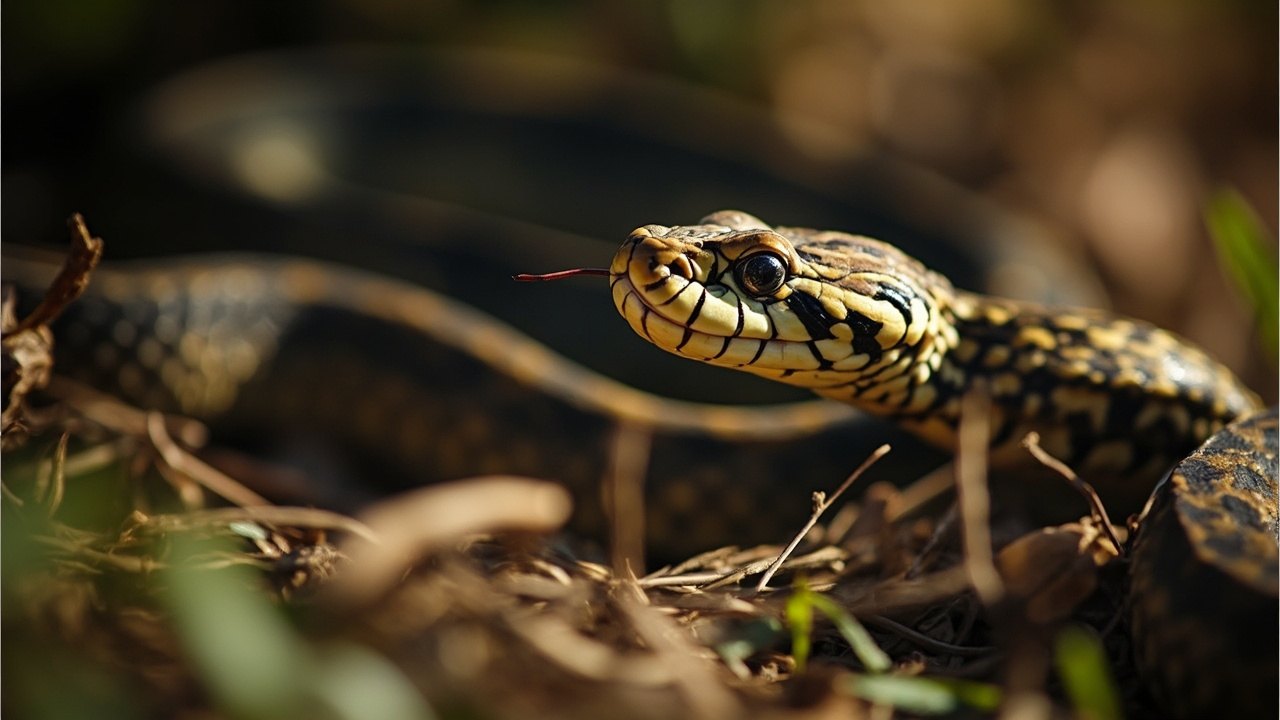
Lineage-specific evidence matters
Receptor changes, blood proteins and other molecular traits can influence sensitivity to particular toxins, but they should not be generalized to all reptiles, varanids or mammals. Broad claims about honey badgers, meerkats or armor-like scales are often more dramatic than the evidence supports.
Why careful language helps
Venoms are complex mixtures and their effects depend on dose, delivery and the target animal. Separating documented cases from speculation makes evolutionary biology more interesting, not less, because it shows how different lineages solve different problems.
Respect wildlife
Never handle a venomous reptile to test a claim about its behavior or venom. Identification and safety decisions belong with trained local professionals.
An Arms Race Requires Evidence of Both Sides
An evolutionary arms race is supported when a trait in one lineage creates selection for a counter-trait in another, and the timing and distribution of those changes fit the interaction. A venomous predator and a defended prey species do not automatically form an arms race. Researchers need evidence about toxin effects, resistance, contact between populations and the genetic or physiological mechanisms involved.
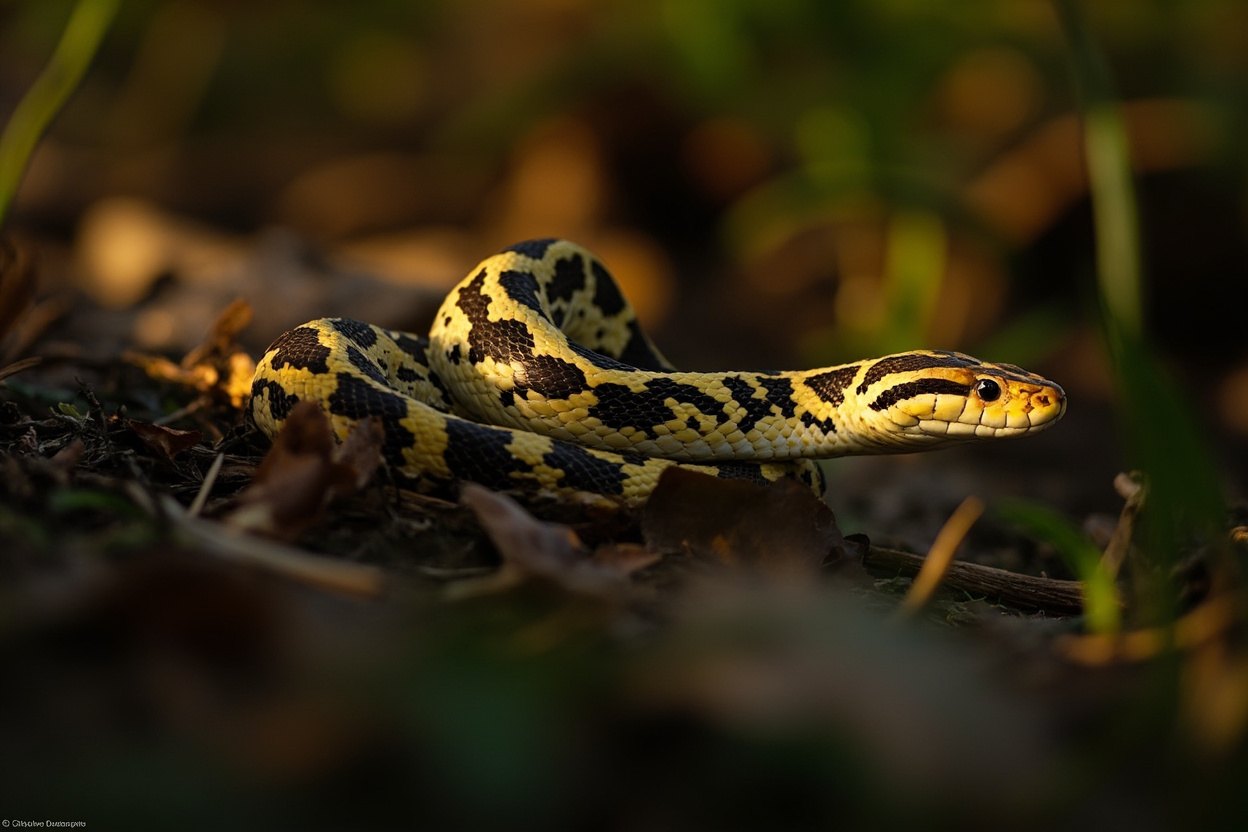
Venom is actively delivered through a specialised system, while a toxin can be encountered through eating, touching or another route. This distinction matters in examples such as garter snakes that have evolved resistance to tetrodotoxin in certain newt populations. Resistance to prey toxin is not evidence that the snake’s own venom caused the interaction.
Effects Depend on Dose and Target
Venoms contain mixtures of compounds, and their effects can differ among prey species. A claim that a venom is universally deadly or harmless loses the biological detail that makes it interesting. Laboratory evidence and field observations should be described with their limits.
Safety Is Not a Research Method
No one should handle a venomous reptile to demonstrate a behaviour or test a claim. Local specialists and wildlife authorities are the appropriate source of identification and safety advice.
Sources and review notes
Reviewed 23 August 2026. Fossils, anatomy and family trees become more interesting—not less—when uncertainty is made visible. We have separated well-supported observations from interpretations that may change as new specimens and studies appear.
Reference starting points: The Reptile Database, PubMed-indexed research, and Smithsonian natural-history resources. Conservation status, taxonomy and local laws can change, so check the linked databases and the relevant local authority for current information.
Spotted something we should revisit? Send Reptile Explorer a correction—thoughtful reader feedback is always welcome.