Reptilian Masters of Regeneration

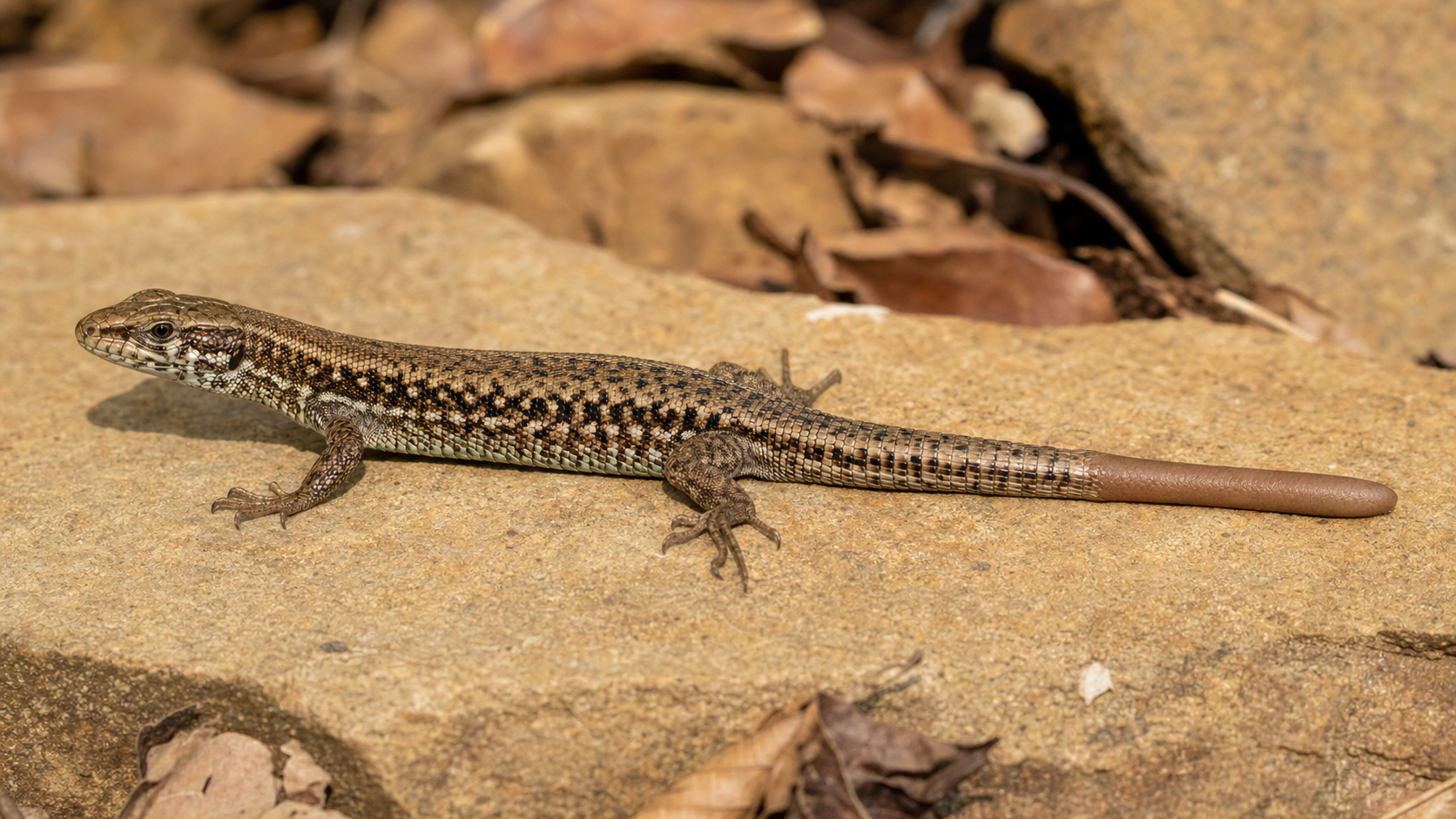
I’ve always been fascinated by reptiles’ remarkable ability to regenerate. Lizards, for instance, can regrow their tails using progenitor cells. This process involves the formation of a blastema and key signaling pathways like Wnt/β-catenin. Lizards and some geckos can regrow tails with cartilage-based skeletons, offering valuable insights for medical researchers. Researchers like Dr. Thomas Lozito are studying these mechanisms to develop human applications, such as treating osteoarthritis and spinal injuries. Geckos, with their exceptional regenerative abilities, may hold the key to new treatments for cartilage and nerve regeneration.

Key Takeaways

Lizards and geckos have remarkable regenerative abilities, including the power to regrow tails through blastema formation.

Geckos can regrow their tails almost perfectly, offering valuable insights for potential medical applications in humans.

The formation of a blastema and Wnt/β-catenin signaling play critical roles in the regrowth of reptilian tails and tissues.

By studying reptilian regeneration, scientists hope to find new treatments for osteoarthritis and spinal cord injuries in humans.

Regenerative Abilities of Reptiles

Youtube video

When exploring the regenerative abilities of reptiles, it’s remarkable to see how creatures like lizards and geckos can regrow tails with near-perfect precision. Lizards, for instance, can regenerate their tails, a process that fascinates researchers in stem cell biology. The tail regeneration in lizards involves progenitor cells that multiply and transform into various tissues, including cartilage, without forming bone, offering a model for potential breakthroughs in regenerative medicine.

Researchers Dr. Thomas Lozito and Dr. Rocky Tuan at the University of Pittsburgh’s School of Medicine have made significant contributions to studying these processes. Their work was supported by the National Institutes of General Medical Sciences and examines how specific cell types and signaling pathways facilitate wound healing and tissue regrowth. By understanding these mechanisms, we can potentially apply this knowledge to human applications, such as treating osteoarthritis and spinal cord injuries.

Geckos, known for their exceptional tissue repair capabilities, offer further insight into lizard tail regeneration. Unlike humans, whose wound healing often results in scar tissue, reptiles can achieve near-perfect regeneration. This extraordinary ability highlights the untapped potential within regenerative medicine, urging us to explore and harness these biological capabilities for human health advancements.

Mechanisms Behind Limb Regrowth

regeneration stem cells wound healing cellular signaling

Understanding how reptiles achieve remarkable regenerative feats requires examining the intricate mechanisms behind tail regeneration. For instance, when a lizard loses its tail, it can regenerate the missing structure through a fascinating biological process. This process involves forming a blastema, a mass of proliferating cells that serves as the blueprint for the new tail.

The blastema is primarily composed of progenitor cells, similar to stem cells, which differentiate into the various tissues needed – muscle, skin, and cartilage – to recreate the tail structure. Signaling pathways, such as the Wnt/β-catenin pathway, play a central role in guiding these cells, ensuring they form a well-organized, functional appendage.

Interestingly, the immune system also plays a crucial role. Specific immune cells, such as septoclasts, help inhibit fibrosis and scarring. This anti-scarring action is critical for allowing the regenerative process to proceed smoothly. Unlike typical wound healing in humans, which often results in scar tissue, lizards avoid this pitfall.

Insights from lizard tail regeneration offer promising applications in human biology and surgery. For example, inducing cartilage regeneration by transplanting specific cell types could provide new treatments for conditions like osteoarthritis. The study of these regenerative mechanisms is not only fascinating but also holds significant potential for medical science.

Spinal Cord Repair in Reptiles

regenerative potential in reptilian neuroscience

Spinal Cord Repair in Reptiles

Few natural phenomena are as astonishing as the ability of certain reptiles to regenerate their tails, restoring both motor function and sensation after severe injury. Lizards and geckos exhibit this remarkable capability, regrowing severed tails and re-establishing neural connections through a blastema-based process. This feat of healing has captured the attention of researchers in medicine and orthopaedic surgery.

Dr. Thomas Lozito, at the University of Pittsburgh’s School of Medicine, studies these reptiles to uncover the molecular mechanisms behind their regenerative prowess. Supported by the National Institutes of Health, his team has identified key signaling pathways and cell types involved in this process. These components are often absent or impaired in mammals, offering a fascinating glimpse into evolutionary biology.

To understand the depth of this research, consider the following:

  1. Cell Biology and Regenerative Medicine: Dr. Lozito’s team is working to identify the specific cells that facilitate tissue regeneration in reptiles.
  2. Tails as a Model: Reptilian tails are being used as a model system to study regeneration mechanisms. This approach helps researchers better understand how reptiles can regrow tissues.
  3. Comparative Analysis: By comparing regeneration in reptiles versus mammals, researchers hope to identify potential therapeutic targets that could lead to new treatments for human tissue injuries.

Medical Applications for Humans

medical applications for people

Harnessing the regenerative abilities of reptiles could transform medical treatments for humans, offering new hope for conditions like osteoarthritis and spinal cord injuries. Imagine using a lizard’s capacity for cartilage regeneration to treat millions suffering from osteoarthritis. Researchers are now focusing on applying this ability to orthopedic surgery, specifically targeting cartilage repair. By understanding how lizards regenerate cartilage that doesn’t turn into bone, we could make significant strides in regenerative medicine.

One promising approach involves implanting lizard immune cells called septoclasts into mammalian tissue. These cells have shown remarkable potential in inducing cartilage growth, indicating a new frontier for tissue engineering. This method also provides a glimpse into how we might repair spinal cord injuries, restoring lost functions and giving people affected a new lease on life.

Advancements in stem cell research are key to these breakthroughs. By mimicking reptilian regenerative abilities, we can develop personalized treatment approaches tailored to individual patients’ needs. This could fundamentally change how we address severe injuries and chronic conditions, freeing individuals from the constraints of their ailments. By learning from our reptilian counterparts, we’re on the cusp of a medical breakthrough that promises unprecedented healing potential.

Future of Regenerative Medicine

regenerative medicine s transformative healthcare potential

<|start_header_id|>

Frequently Asked Questions

What Reptile Has the Best Regeneration?

Among reptiles, lizards and geckos demonstrate the most remarkable regenerative abilities. Geckos can regrow their tails almost identically to the originals, while lizards like the green anole can regenerate tails through a complex blastema-based process involving progenitor cells and the Wnt/β-catenin signaling pathway. Among all vertebrates, salamanders and axolotls (which are amphibians, not reptiles) actually possess the most impressive regenerative capabilities, able to regrow entire limbs and complex organs.

What Reptiles Can Regenerate Body Parts?

Many reptiles have impressive regenerative abilities. Lizards and geckos can regrow their tails through a blastema-based process, with geckos achieving near-perfect regeneration. Some lizards can also regenerate skin and tissues. Unlike some amphibians, reptiles cannot regrow entire limbs, but their ability to regrow tails represents a remarkable feat of cellular regeneration.

Is Regeneration Possible in Humans?

Regeneration in humans is still a developing field, but researchers are making progress. By studying how lizards regrow their tails, we hope to unlock the secrets of cartilage repair and potentially regrow human limbs and organs in the future.

What Animal Can Regenerate Its Spine?

Among vertebrates, axolotls and salamanders can regenerate portions of their spinal cords, restoring full motor function. Lizards and geckos can regenerate tail tissue including nerve cells through a blastema-based process. The axolotl’s ability to regenerate its spinal cord is particularly remarkable, as detailed in our Axolotl Regeneration article.

Scroll to Top