There Is No Single Reptile Lifespan
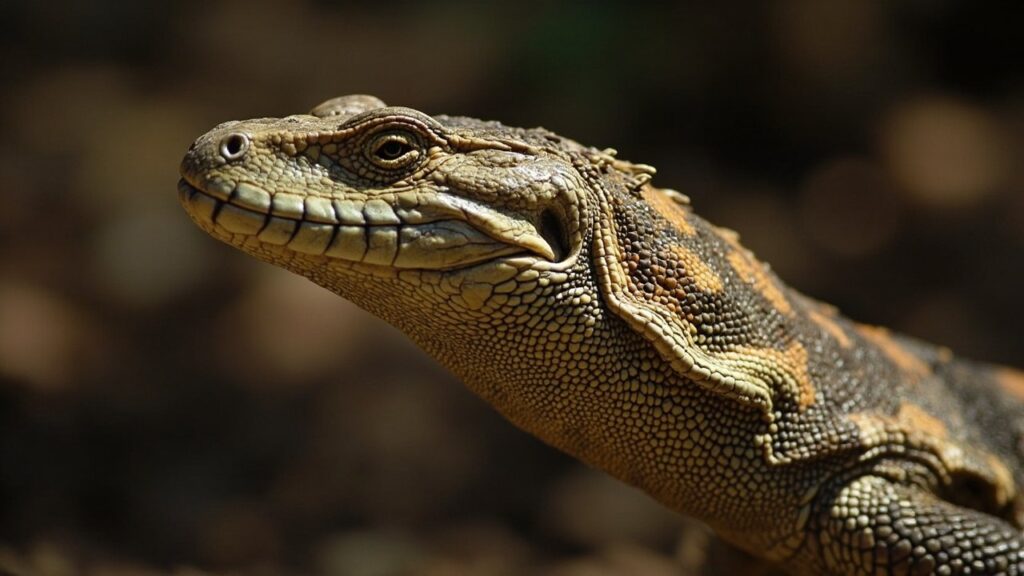
Reptiles vary greatly in how long they live. Some tortoises, turtles and tuatara can survive for many decades, while small lizards may have much shorter lives. A lifespan estimate also depends on whether it comes from a known-age animal in managed care, a long-term field study or an unverified anecdote. A large body or a slow metabolism is not enough to establish an exact age.

Long-Lived Does Not Mean Ageless
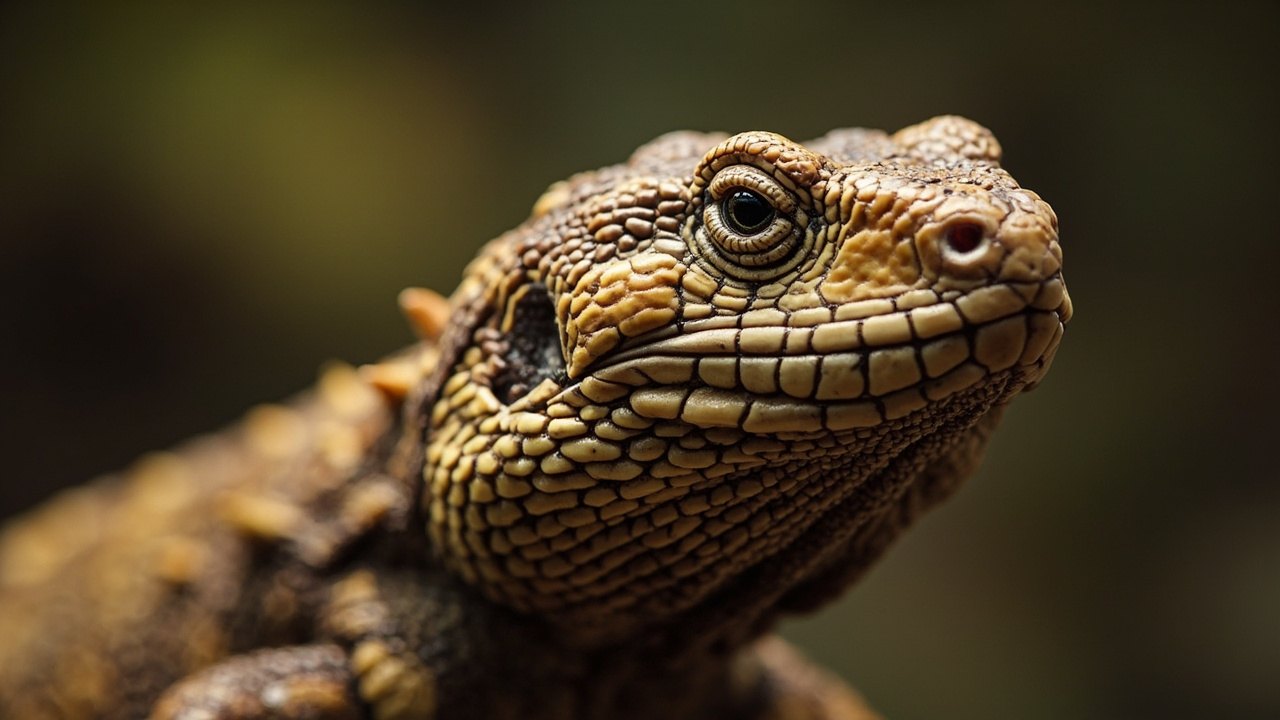
Long life is sometimes mistaken for immunity to ageing. Research on wild turtles shows that senescence can occur, and survival and reproduction can change with age. Disease, injury, food availability, predation and habitat quality all influence how long an individual survives. A record-breaking captive animal is interesting, but it is not a reliable forecast for every member of that species.
Longevity Is a Care Commitment
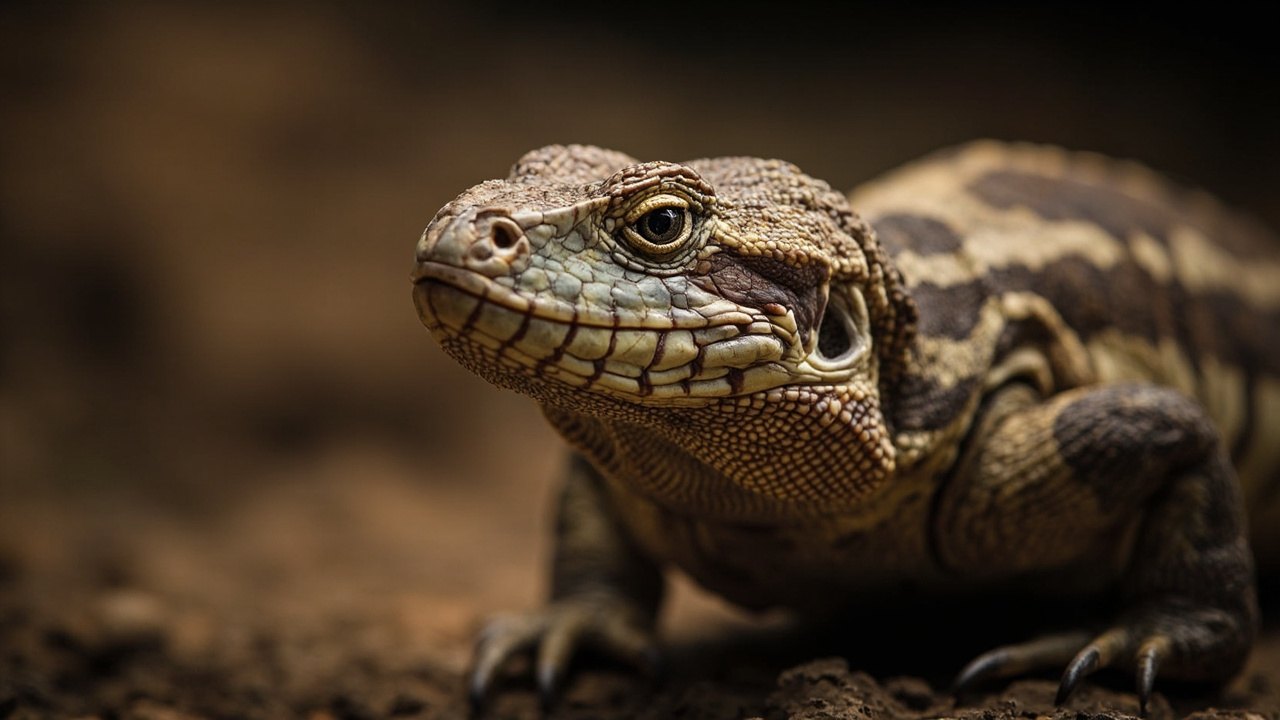
Anyone considering a pet reptile should research the likely lifespan of that exact species, along with enclosure space, temperature needs, diet, veterinary access and the possibility of a long-term transfer plan. Long-lived species should not be marketed as easy or low-maintenance pets. Good care can support welfare, but it cannot turn an unsuitable home or an unresearched purchase into a responsible commitment.
Age Records Have Different Strengths
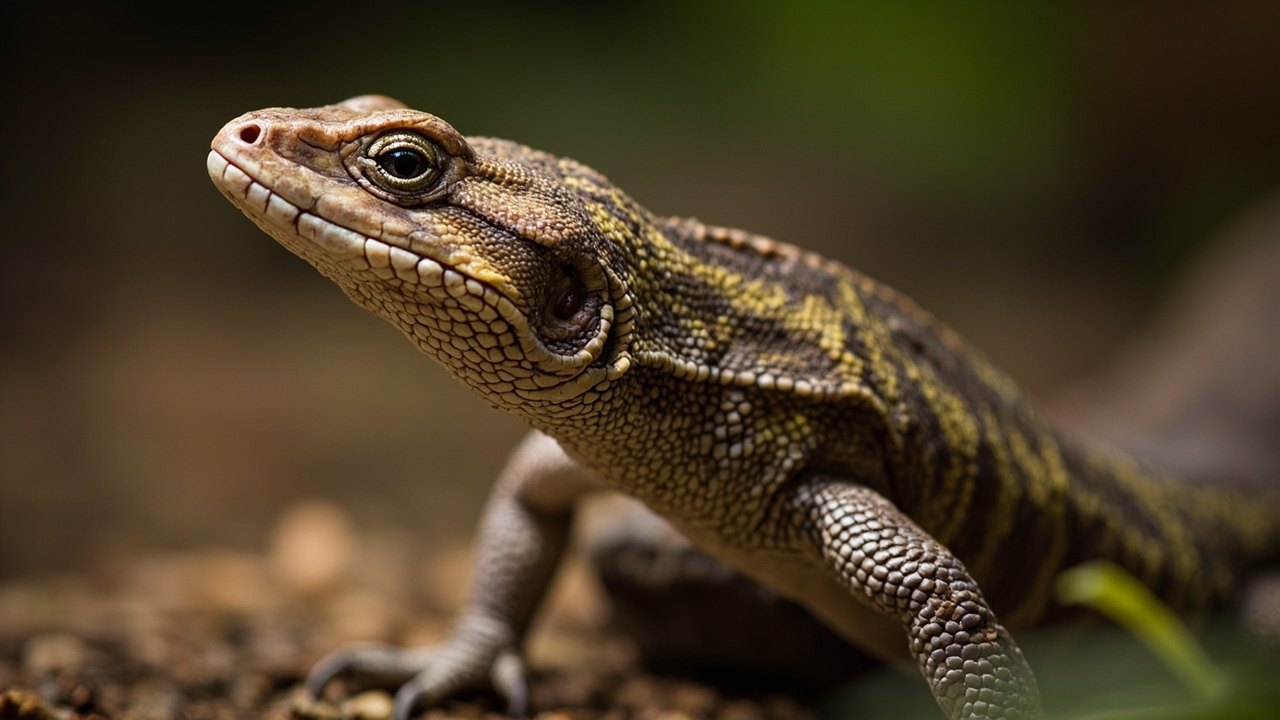
A known hatch date, a managed-care record and a long-running marking study can give useful age evidence. A size estimate, a shell ring or a photograph cannot do the same job on its own. Records also need the correct species identity, because common names can group animals with very different life histories. When an unusual age is reported, the question is not only how impressive it sounds, but how the date was established.
Population Longevity Is Not an Individual Promise
Long-lived animals can still be vulnerable when few young survive or when breeding habitat is lost. Survival of adults, hatchlings and nesting sites may each affect a population differently. Conservation work therefore looks beyond a headline lifespan to reproduction, habitat condition, disease risk and causes of mortality in a particular place.
Records Should Travel With the Animal
For a captive reptile, reliable records of origin, diet, weight, veterinary care and transfer history help the next keeper make informed decisions. Planning for a move, illness or change in housing protects the animal better than assuming decades of care will remain uncomplicated.
Sources and review notes
Reviewed 23 August 2026. Reptile biology is wonderfully variable. We have avoided turning one species, photograph or dramatic observation into a rule for an entire group, and we have used cautious wording where evidence or local conditions differ.
Reference starting points: The Reptile Database, The IUCN Red List of Threatened Species, and PubMed-indexed research. Conservation status, taxonomy and local laws can change, so check the linked databases and the relevant local authority for current information.
Spotted something we should revisit? Send Reptile Explorer a correction—thoughtful reader feedback is always welcome.