Seasonal slowdown is species-specific
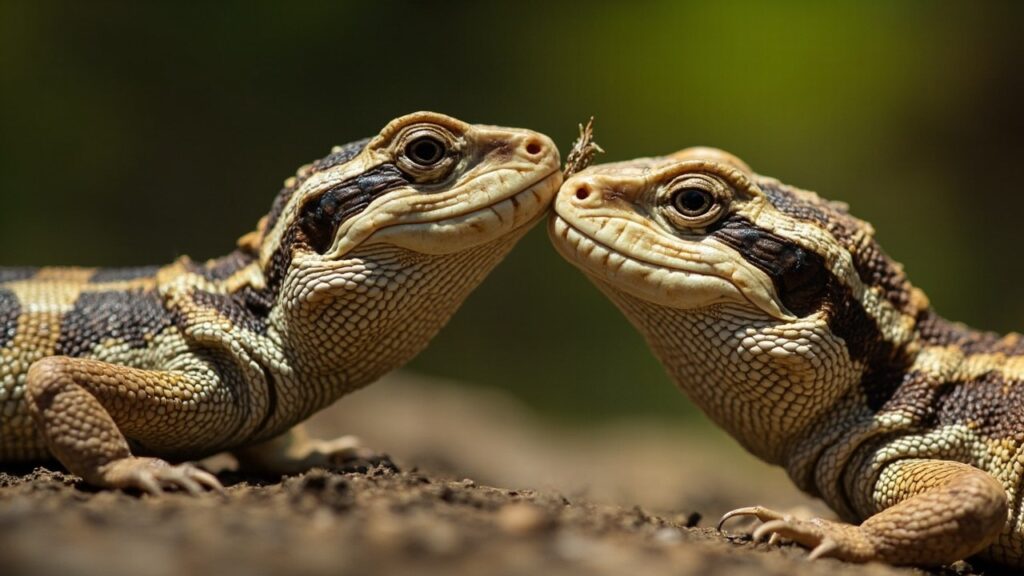
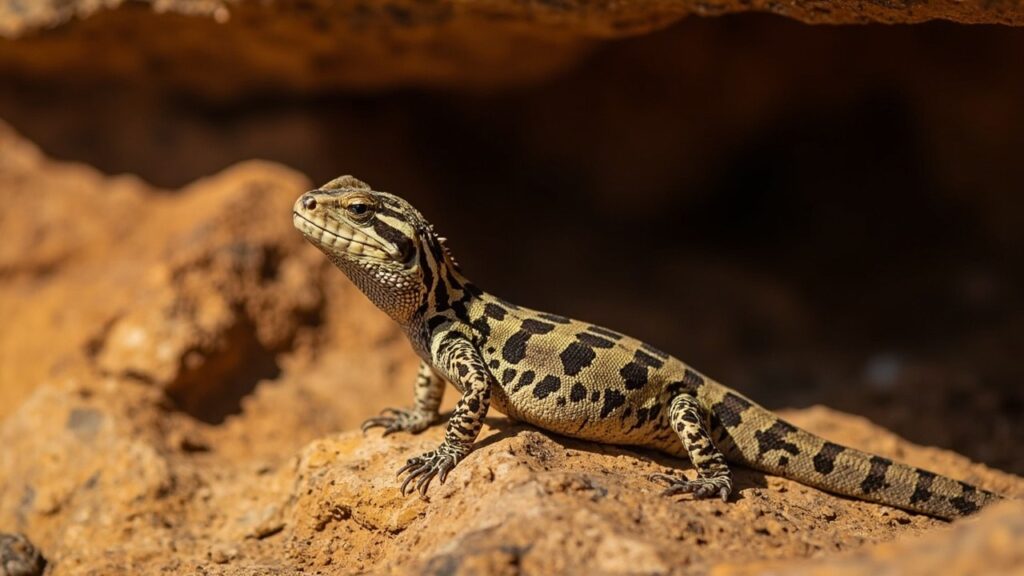
Cold, heat, drought, and reduced food can limit a reptile’s ability to be active. In cooler periods, many temperate reptiles enter brumation, a state of reduced activity and metabolism. In very hot or dry conditions, some species reduce activity through aestivation or similar forms of dormancy. The exact trigger, timing, and depth of slowdown vary by species, population, and local weather.

Refuges make dormancy possible
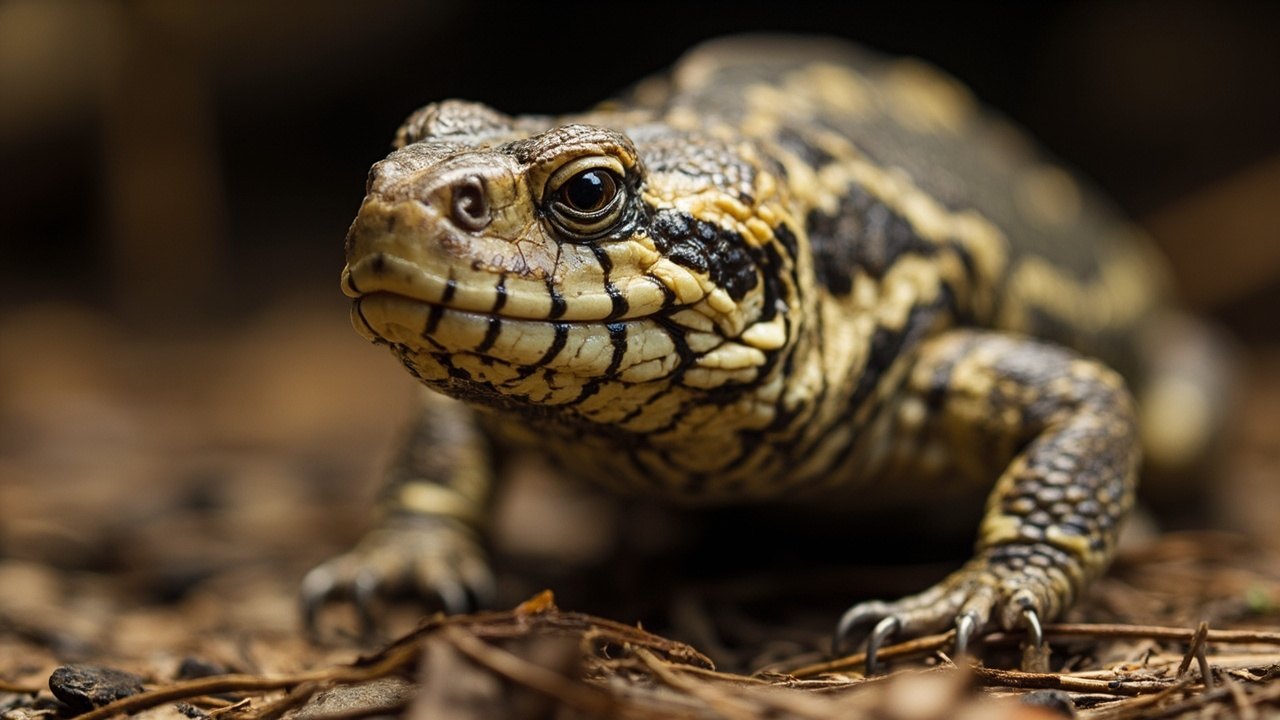
Burrows, rock crevices, leaf litter, mud, and other protected microhabitats buffer temperature and moisture extremes. Animals may emerge briefly during a dormant season to drink, bask, or move if conditions allow. Dormancy is therefore not always complete stillness, and it should not be confused with illness or death. Disturbing a hidden reptile can use energy reserves it needs to survive the season.
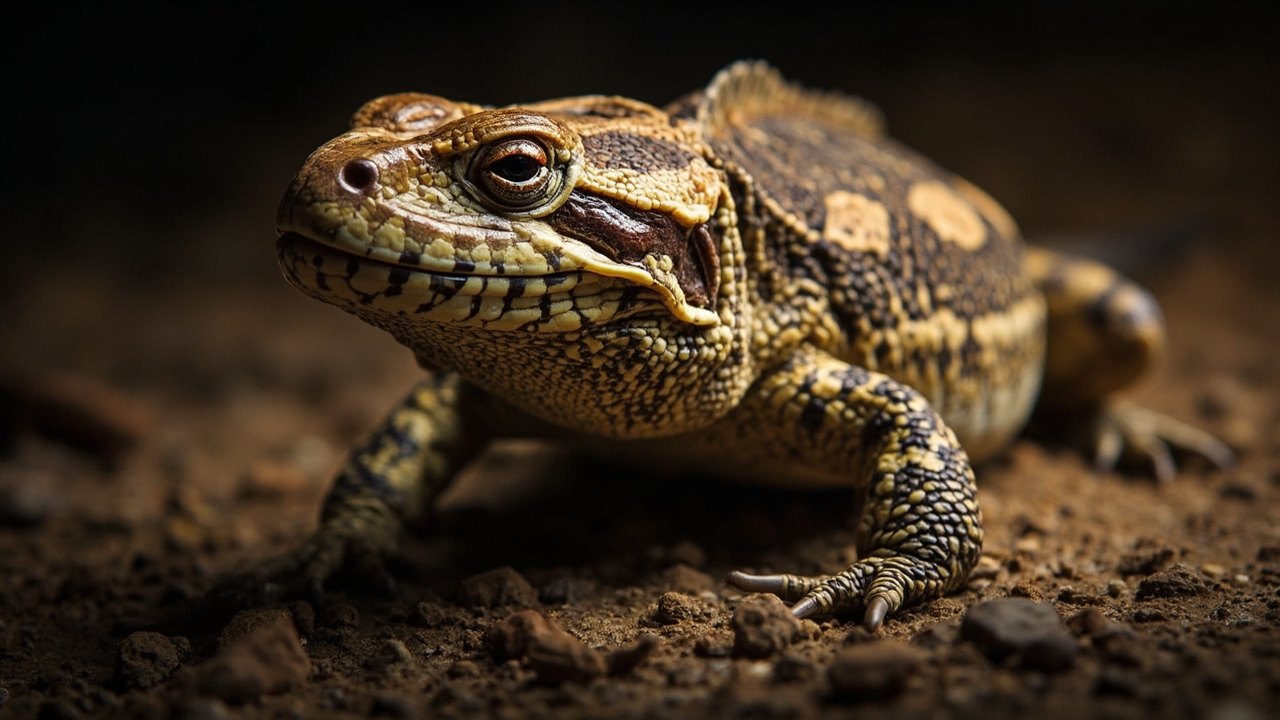
Captive animals need a deliberate plan
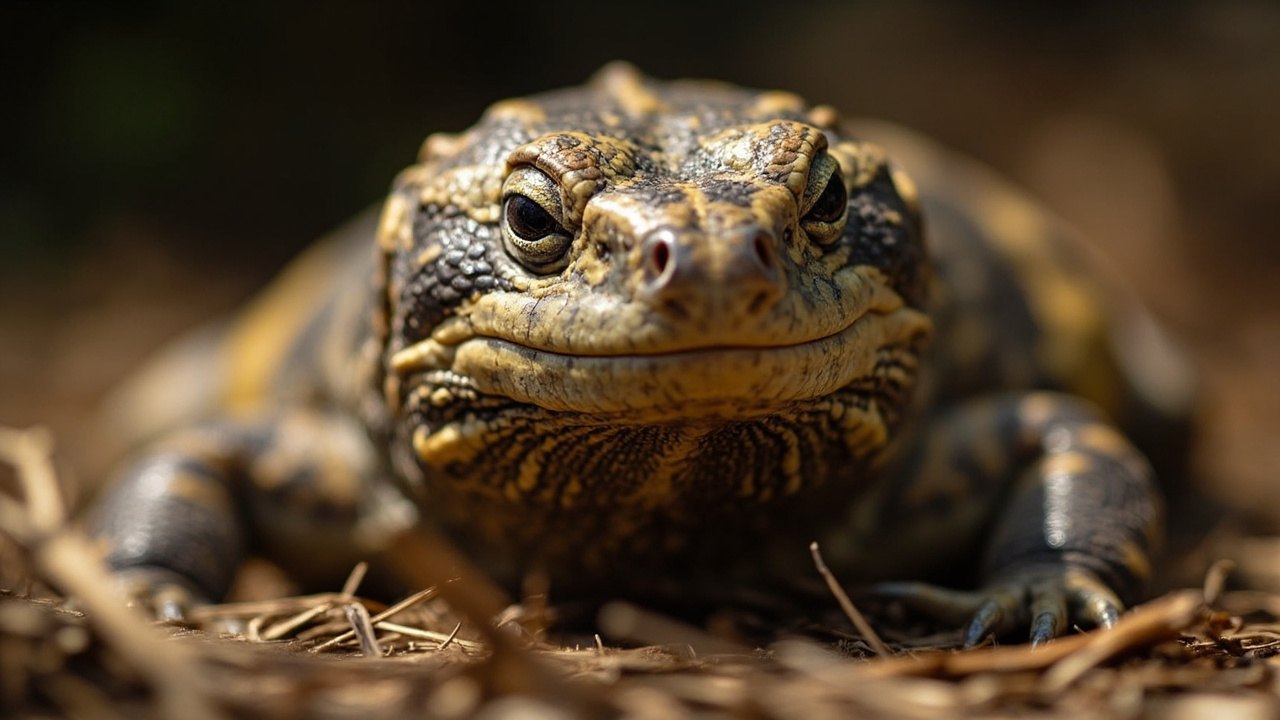
Brumation should never be forced because a calendar says winter has arrived. A reptile keeper should first establish that the species normally brumates, that the individual is healthy, and that temperatures, hydration, and monitoring are appropriate. A reptile-experienced veterinarian can help with that decision. Sudden appetite loss, weight loss, weakness, or abnormal behaviour needs assessment rather than a seasonal assumption.
Dormancy Has Several Patterns
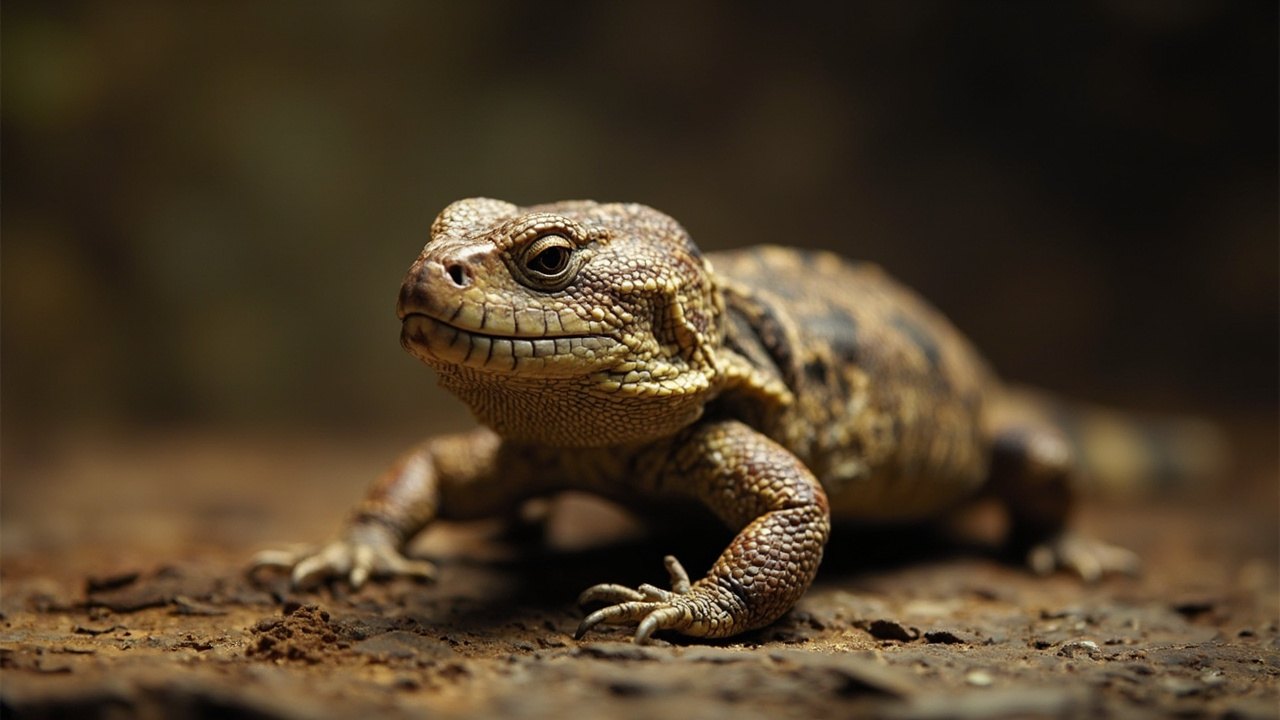
Brumation and aestivation are useful terms for reduced activity associated with cold or hot, dry conditions, but living animals do not always fit a strict label. Some remain inactive for long periods, while others emerge briefly when temperature or moisture allows. The pattern is shaped by the species, population, body condition and the refuge available.
A hidden reptile may be conserving energy, avoiding heat loss or seeking moisture rather than sleeping continuously. Disturbance can force it to use reserves or leave a safe shelter at the wrong time. Natural refuges such as burrows, mud, rock crevices and leaf litter therefore deserve protection.
Reduced Activity Is Not a Diagnosis
Illness, injury, unsuitable temperatures and inadequate food can also reduce activity. In captivity, weight trend, hydration, health history and measured enclosure conditions are needed before a seasonal pattern can be assumed. A sudden decline should not be explained away as normal brumation.
Captive Brumation Needs Professional Planning
Only species known to use an appropriate dormant period should be considered, and the individual must be healthy. A reptile-qualified veterinarian can help assess the risks, monitoring plan and safe conditions. Do not force dormancy simply because the household season has changed.
Sources and review notes
Reviewed 23 August 2026. Reptile biology is wonderfully variable. We have avoided turning one species, photograph or dramatic observation into a rule for an entire group, and we have used cautious wording where evidence or local conditions differ.
Reference starting points: The Reptile Database, The IUCN Red List of Threatened Species, and PubMed-indexed research. Conservation status, taxonomy and local laws can change, so check the linked databases and the relevant local authority for current information.
Spotted something we should revisit? Send Reptile Explorer a correction—thoughtful reader feedback is always welcome.