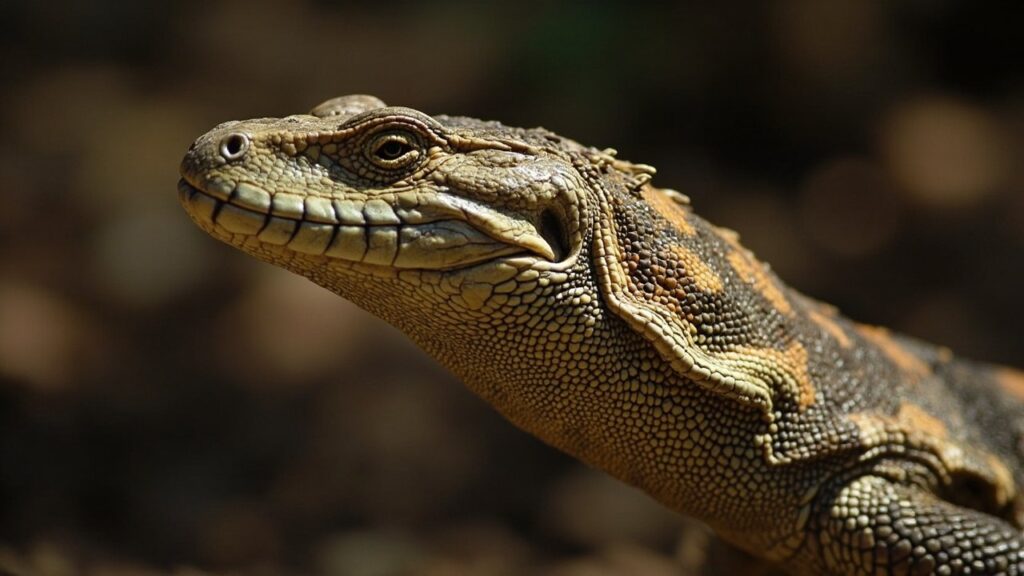
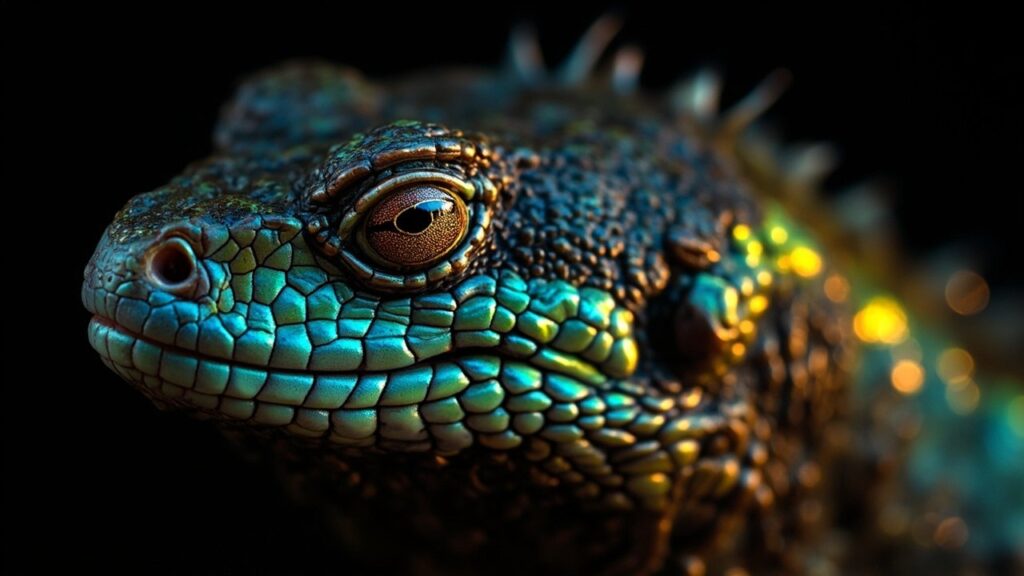
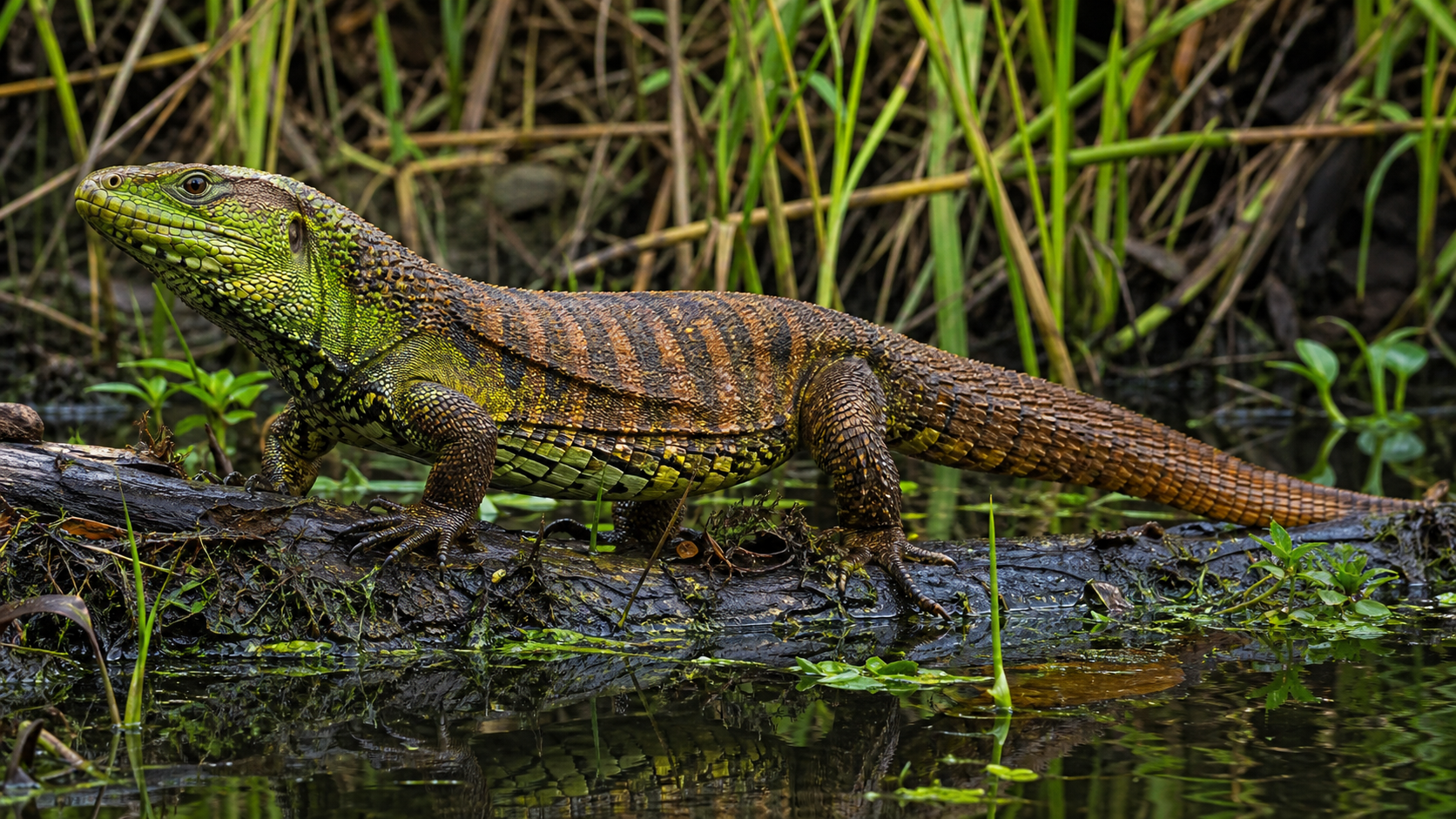
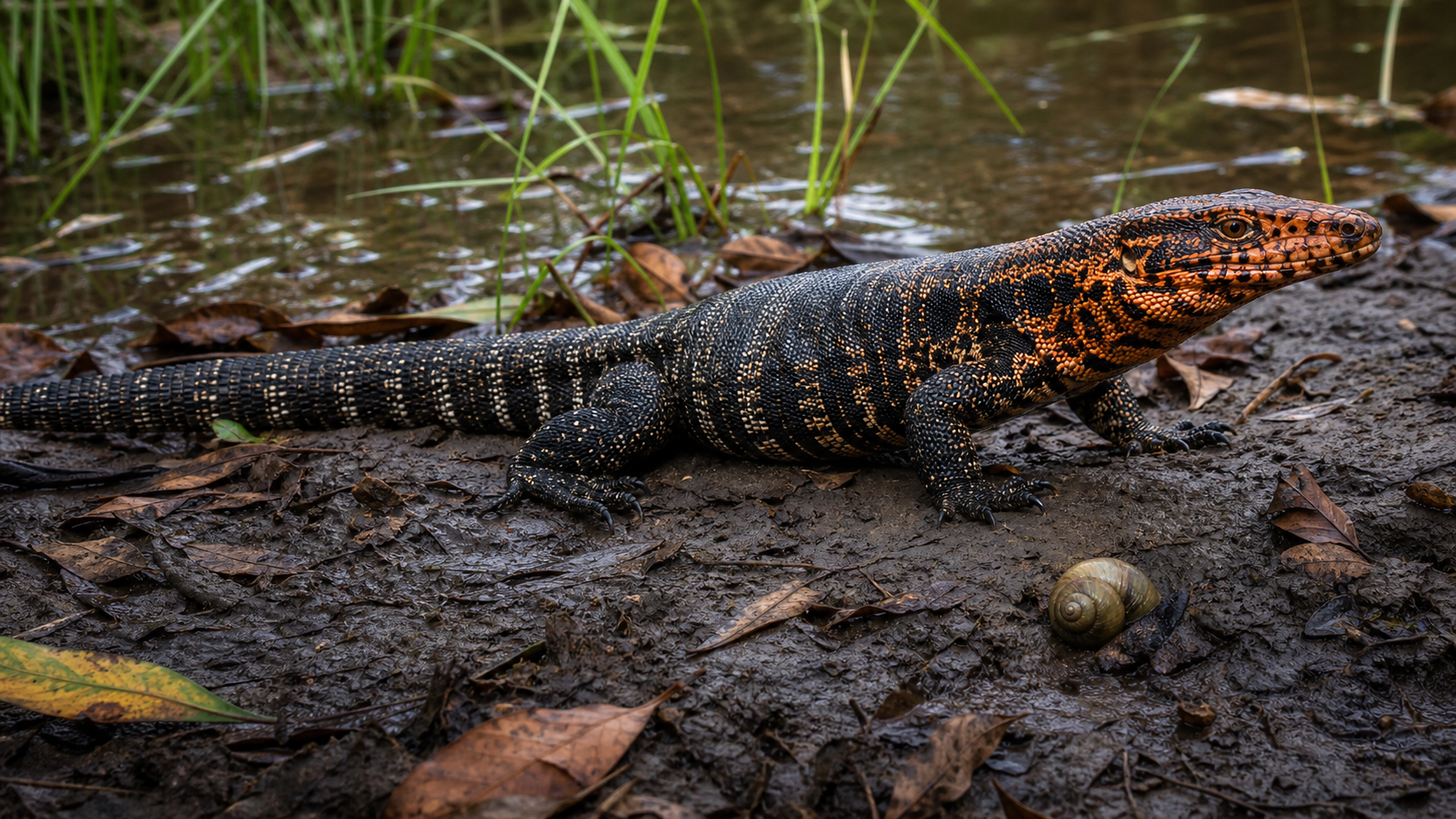
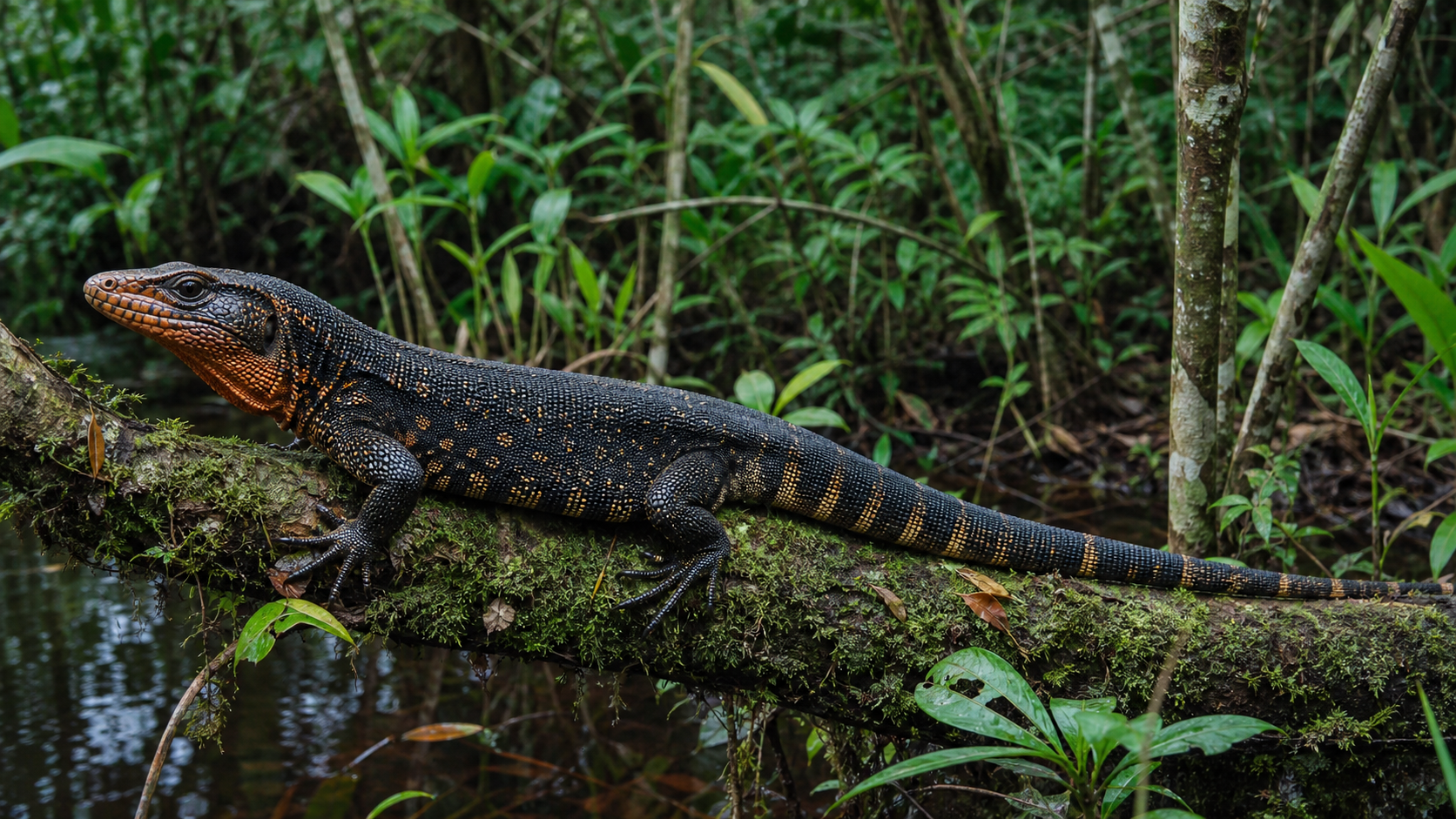
The caiman lizard (Dracaena guianensis) is a large, semi-aquatic lizard of northern South America. Its scientific name is not a place name. The species uses wetlands, slow waters and flooded forest rather than behaving like a small crocodilian.
Built for molluscs
Rounded posterior teeth and robust jaws help caiman lizards crush snails and other hard-shelled prey. That specialization is impressive without claiming an unsupported bite-force ranking or calling the animal an apex predator of the entire reptile kingdom.
Ecology without exaggeration
Caiman lizards are part of wetland food webs, but broad claims that they control invasive snails or solve a pest problem should not be made without local evidence. Their habitat needs and conservation pressures vary across their range.
Specialist care only
These are not easy pets. A prescriptive home diet, supplement schedule or “great beginner pet” claim can create welfare problems. Lawful captive care requires extensive aquatic and terrestrial space, specialist knowledge and a reptile veterinarian.
Observe, do not collect
Keep a respectful distance from wild lizards and protect wetland vegetation and water quality. Removing an animal from the wild harms both the individual and the habitat it belongs to.
Teeth and Jaws Match a Particular Diet
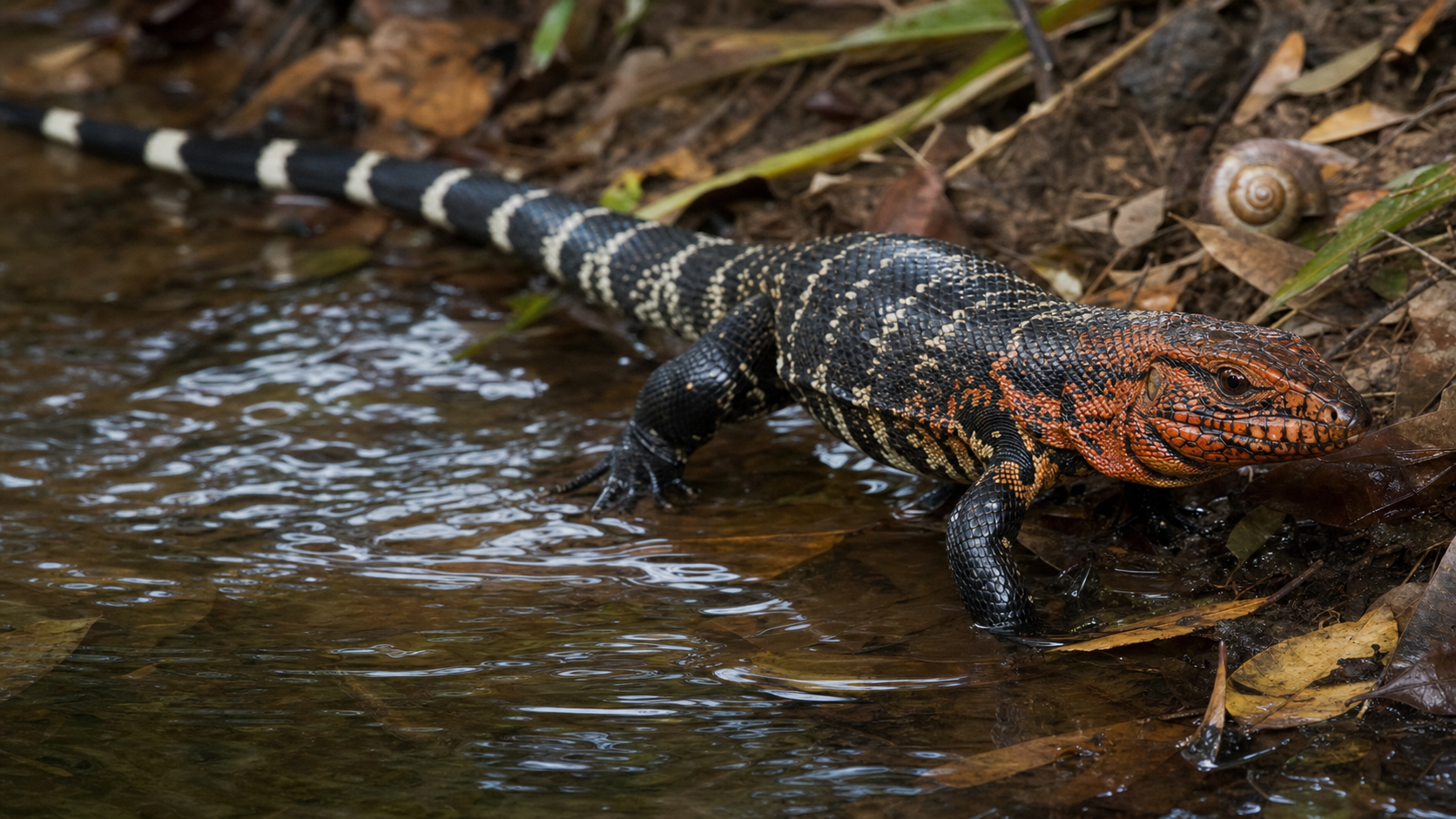
Caiman lizards use robust jaws and broad rear teeth to crush hard-shelled prey such as snails. This is a specific feeding adaptation, not evidence that the animal can thrive on any hard food, nor that every individual eats the same prey in every wetland. Prey availability, size and season can all shape what an individual actually eats.
The lizard’s semi-aquatic setting also matters. Wetlands, slow water, flooded forest and shore cover provide different places to forage, rest and avoid danger. A photo that shows only the animal’s head or teeth leaves out the habitat features that support its behaviour.
Specialisation Does Not Simplify Captive Care
Dietary specialisation makes casual captive advice risky. A list of foods does not replace work on water quality, secure land areas, temperature, appropriate light and veterinary assessment. A species can have a striking natural history and still be unsuitable for most households.
Accurate Records Need a Verified Species and Place
Caiman lizards should not be confused with crocodilians because of a common name or rough scales. Records should use the correct scientific name where possible and avoid claims about range or conservation pressure without a local source. Wild animals should be observed without collection or close handling.
Sources and review notes
Reviewed 23 August 2026. Reptile biology is wonderfully variable. We have avoided turning one species, photograph or dramatic observation into a rule for an entire group, and we have used cautious wording where evidence or local conditions differ.
Reference starting points: The Reptile Database, The IUCN Red List of Threatened Species, and PubMed-indexed research. Conservation status, taxonomy and local laws can change, so check the linked databases and the relevant local authority for current information.
Spotted something we should revisit? Send Reptile Explorer a correction—thoughtful reader feedback is always welcome.